
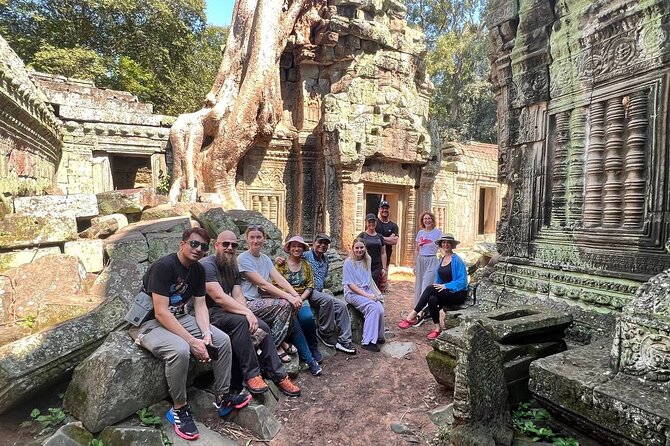
Reviewed · 2-DAY EXPERIENCES
2 Days Exclusive Temple Highlights with Sunset and Sunrise Tour
Angkor Wat at sunrise is the headline, but the smart part of this tour is the order. You see quieter outer temples first, then arrive at the great temple before dawn, when its towers emerge from the dark. Banteay Srei and the tree-covered ruins of Ta Prohm add very different flavors to the two-day plan.
I like the steady air-conditioned transport, plus the regular cold water and towels in Cambodia’s heat. I also like the guides’ balance of explanation and free time. Pal, Chhay, Sokpee, and Vantha are praised for clear temple history, local insight, patient answers, and taking photos. The drawback is simple: this is a packed two days, and the $49 price does not include the required $62 temple pass or meals.
Key points at a glance
- Sunrise from Angkor Wat’s eastern side: Enter before dawn with a torch and approach the temple through quieter corridors.
- Banteay Srei’s fine carving: The small sandstone temple is one of the artistic high points of the Angkor area.
- A useful mix of famous and lesser-known ruins: Ta Prohm, Preah Khan, Neak Pean, Ta Nei, Pre Rup, and Angkor Thom all bring a different mood.
- Guides who add cultural context: Guides including Pal, Chhay, Sokpee, and Vantha explain the temples while leaving time for your own exploring.
- Comfort in the heat: Air-conditioning, bottled water, and cool towels make the long temple days easier.
- A sunset choice: The small-group option includes Bakheng Mountain, while the private option includes a rice-field sunset at Baitang Siem Reap.
What you are really paying for
The advertised cost is $49 per person, which is attractive for two days of temple touring with transport, an English-speaking guide, hotel pickup and drop-off when selected, bottled water, and cool towels.
But the true basic cost is higher. You must also pay $62 per person for the two-to-three-day temple pass directly at the site. Food and drinks are not included. Add those expenses before comparing this tour with other Angkor packages.
Even so, the price can make sense if you want the main planning work handled for you. Angkor is spread over a wide area, and the schedule covers both the celebrated monuments and several sites that are harder to arrange efficiently on your own. You also avoid figuring out the best order for sunrise, outer temples, and the central Angkor Thom complex.
The tour is offered in a small-group format, with a private upgrade available. The private choice gives you more control over the pace and includes the rice-field sunset experience. The small-group choice includes sunset at Bakheng Mountain. Check the exact option you select, since the sunset stop and transport description vary by package.
A few more Siem Reap trips to weigh up
- Angkor Wat Sunrise or Sunset Tour with Guide from Siem Reap
★ 5.0 · 12,109 reviews - Siem Reap: Angkor Wat: Small-Group Sunrise or Sunset Tour
★ 5.0 · 9,444 reviews - Sunset tour of Kampong Phluk stilts home village on the Tonle Sap
★ 5.0 · 4,865 reviews
Day one: outer temples and a countryside sunset
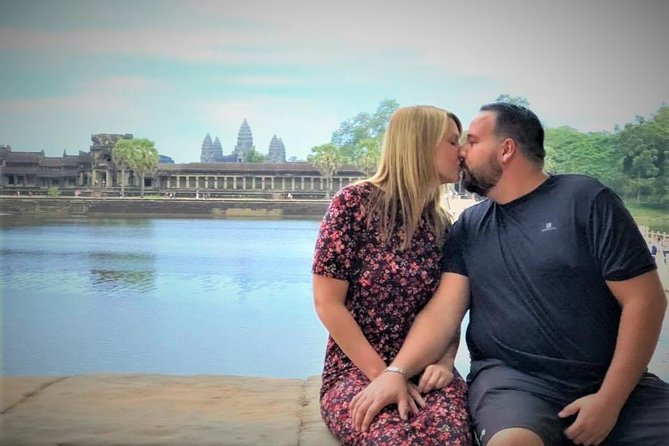
Day one covers a lot of ground. It begins with Pre Rup, continues to Banteay Srei, then moves through Neak Pean and Preah Khan before sunset.
Pre Rup, a brick temple mountain
Pre Rup was built as the state temple of Khmer King Rajendravarman and dedicated in 961 or early 962. It combines brick, laterite, and sandstone in the classic temple-mountain form.
You have about an hour here. That is enough to understand its layout and climb for broad views across the surrounding area, though the stone steps can be steep and uneven. Wear shoes with a firm sole, and take care on the ascent.
Pre Rup is not as immediately famous as Angkor Wat or Ta Prohm. That is part of its value. It gives you an early look at the Khmer idea of a sacred mountain and helps you notice how temple design changes across the Angkor period.
Banteay Srei, the small temple with extraordinary detail
Banteay Srei is one of the most finely carved temples in Cambodia. Its name is often translated as Citadel of Women, and the delicate sandstone reliefs are much more intricate than the massive stonework at many larger sites.
The two-hour visit gives you time to look closely rather than simply walk around the outer walls. Notice the small scale, careful figures, floral patterns, and mythological scenes. This is a place where a guide earns their keep, since the fine details can be easy to miss without someone pointing them out.
There is one practical point: Banteay Srei lies farther from the central Angkor group than several other stops. The drive takes time, but the change of setting is worthwhile. If your main goal is only Angkor Wat, this adds length. If you want to understand the range of Khmer art, it is one of the best choices on the schedule.
Same country, a completely different kind of day:
- From Siem Reap: Kampong Phluk Floating Village Tour by Boat
★ 4.9 · 6,979 reviews - Siem Reap: Angkor Wat 2-Day Tour with Sunrise and Sunset
★ 4.9 · 4,429 reviews - Siem Reap: Kampong Phluk Floating Village Tour with Boat
★ 4.9 · 3,843 reviews - Siem Reap: Full-Day Angkor Wat Guided Tour with Sunset
★ 4.9 · 3,803 reviews
Neak Pean, a temple on an artificial island
Neak Pean is an artificial island with a Buddhist temple. The approach itself is part of the experience, with a long walkway leading across the water and vegetation toward the central structure.
The stop lasts about an hour. It is less about climbing through ruins and more about seeing how water, symbolism, and temple planning worked together. After the scale of Banteay Srei and Pre Rup, Neak Pean offers a welcome change of rhythm.
Water levels and weather can affect how the setting looks. Do not expect a huge monument here. This is a compact stop, best appreciated for its unusual design and atmosphere.
Preah Khan, a maze of stone and roots
Preah Khan receives about two hours, which is useful because this large ruin rewards a slower walk. It is a crumbling mixture of galleries, carved stone, courtyards, and tree roots.
The temple feels less polished than Angkor Wat, and that is exactly why I like it. You get a stronger sense of age and abandonment as walls lean, vegetation presses into the masonry, and corridors open into unexpected spaces.
The site can be confusing without a guide. It is easy to miss a chamber or lose your sense of direction. Your guide can explain what you are seeing, then give you time to wander and take photographs. Several guides on this tour, including Chhay and Pal, are praised for that balance.
Sunset at Baitang Siem Reap or Bakheng Mountain
Day one ends with a sunset stop, but the setting depends on your booking option.
The private option includes Baitang Siem Reap, where you relax beside Siem Reap’s rice fields with a cold drink and a light local refreshment. This is a quieter, more ordinary Cambodian setting. You are not looking at another monumental ruin. You are watching evening arrive over the countryside.
The small-group option includes sunset at Bakheng Mountain. Phnom Bakheng is a well-known sunset location, so access and viewing conditions can be more dependent on timing and crowds. The hilltop setting gives the stop a grander temple view, while Baitang offers a calmer countryside pause.
Ask before booking which sunset is included. This small difference may matter more to you than the word private or group.
Day two: Angkor Wat before dawn
Day two starts very early with a pre-dawn departure for Angkor Wat. Bring a torch. The plan uses the eastern side of the temple, which is described as less visited, and takes you through the complex while it is still dark.
Angkor Wat, the reason to set an alarm
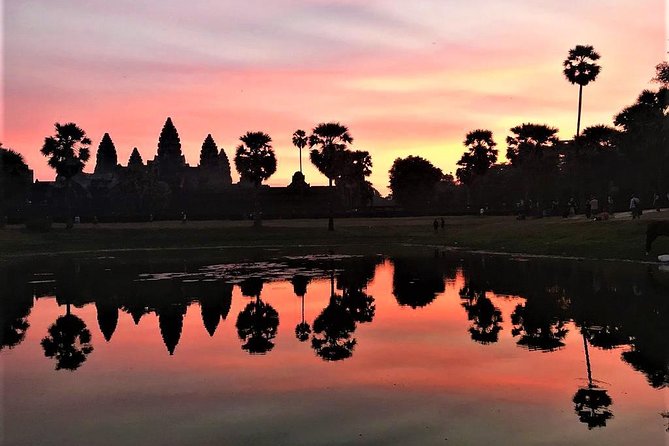
Sunrise at Angkor Wat is not a gentle start. You leave your hotel before dawn, walk in darkness, and wait for the sky to brighten behind the famous towers. It is worth the lost sleep, but you should know what you are signing up for.
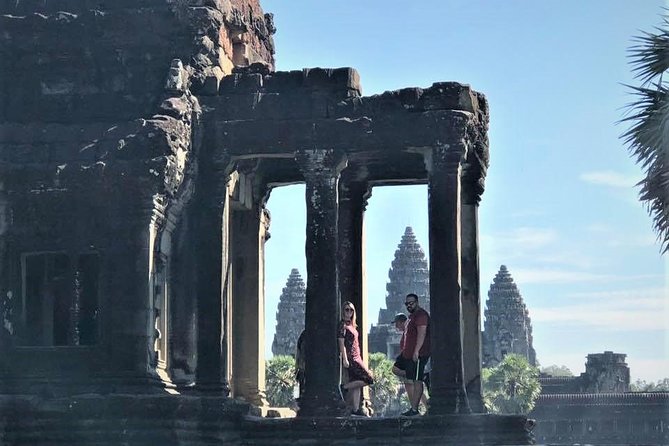
The temple visit lasts about three hours. Entering from the eastern side gives you a different approach from the familiar postcard view. Inside, you can pass through long cloisters and corridors before the morning light fills the structure.
Your guide can help with the practical choreography, including where to stand and when to move inside. Pal is specifically praised for managing time while still allowing photography and independent exploration. Vantha is also praised for finding good sunrise and sunset viewpoints.
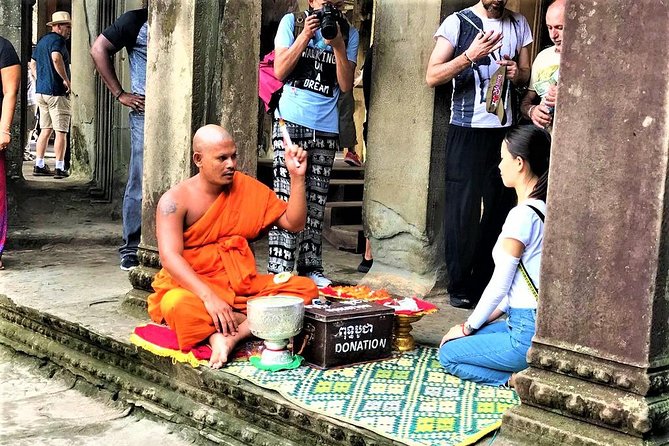
Bring a small torch or headlamp, comfortable walking shoes, and clothing that meets temple rules. Angkor Wat is a working religious site, not simply a photo backdrop. You need to cover your shoulders and knees, and a scarf used only to cover the shoulders may not be accepted. Men and women must follow the same rules.
Ta Prohm, the Tomb Raider temple
After Angkor Wat, the tour continues to Ta Prohm for about two hours. This is the temple most associated with jungle-covered ruins and the film Tomb Raider.
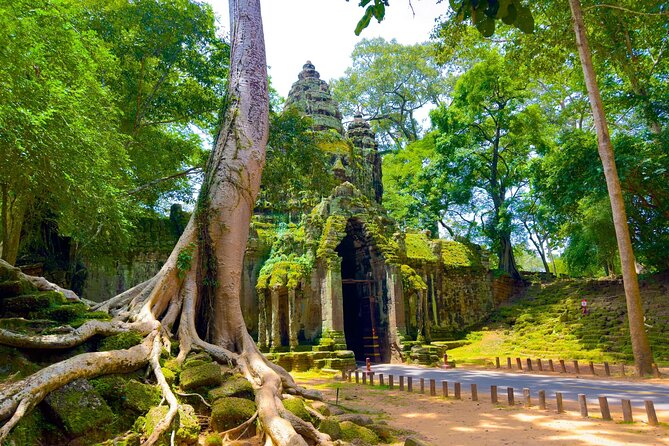
Ta Prohm’s appeal comes from the uneasy partnership between stone and trees. Roots spread over walls, doorways frame broken galleries, and the ruin feels more enclosed than Angkor Wat. It is one of the easiest places to understand why the Angkor complex still feels alive rather than frozen in the past.
It can also be one of the busiest stops. Your guide’s timing matters here. You will want photographs at the most recognizable tree-root locations, but the temple has more to offer than one famous doorway. Leave time to look at the quieter corners and carved details.
Ta Nei, a quieter late twelfth-century ruin
Ta Nei is a small late twelfth-century stone temple in the Angkor area. The visit lasts about an hour and provides a sharp contrast with Ta Prohm.
Do not come expecting another Angkor Wat. Ta Nei is valued for its quiet, worn character and simpler scale. It gives you a break from the most heavily visited monuments and lets you see how much variety exists within the Angkor zone.
This is also a good stop for anyone who feels the major temples begin to blur together. The smaller site resets your attention before the grand final section at Angkor Thom.
Angkor Thom and the faces of Bayon
Angkor Thom was the Khmer Empire’s capital city. The tour includes about an hour and a half in the complex, with time around Bayon and the great city area.
Bayon is famous for its huge carved faces, which look out from the temple towers. The effect is striking, but the structure can be confusing, with galleries and levels leading in several directions. Listen to the guide’s explanation, then step away for a few minutes to take in the scale without a running commentary.
The route also passes the Terrace of the Elephants and the Terrace of the Leper King. These are important parts of Angkor Thom, but the schedule lists them as pass-by stops rather than long dedicated visits. If one of the terraces is a major priority for you, ask how much time you will have there.
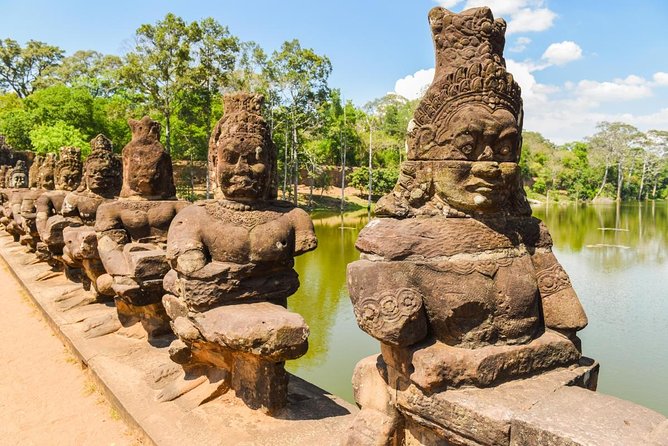
The South Gate receives about 30 minutes. Its bridge, guardian figures, and monumental entrance give you a clear sense of how imposing the old capital must have been. It is a brief stop, so photography and a short explanation will take up most of the time.
The guide and driver make the long days work
The most praised part of this experience is the human service. Guides such as Nang, Sokpee, Chhay, Pal Saruon, Sokha, Vantha, and Mr. Vongsetha are repeatedly described as clear, friendly, patient, and strong on Cambodian temple history and daily life.
That range matters. A good guide should tell you who built each temple, when it was made, and how Hindu and Buddhist beliefs shaped the design. The best guides also connect the stones to Cambodia today, answer questions about customs and life, and know when to stop talking so you can look around.
Several guides are also happy to take photographs. That is useful at sunrise, where getting a good picture while managing a torch, phone, and crowd can be awkward.
The driver is just as important. You spend considerable time in the vehicle between distant sites. Drivers named So, Vichet, Seyha, Mao, Ro, Keal, and Benly are praised for cautious driving, punctual pickups, and attentive service.
Expect regular bottled water and cool towels. Those sound like small extras, but after walking on hot stone, they are genuinely useful. Air-conditioning gives you a place to recover between temples.
Pace, meals, and what to pack
This is a high-energy tour. You see many sites in two days, with an early start on day two and plenty of walking, stairs, uneven stone, and outdoor exposure.
The schedule is designed not to feel frantic, but it is still full. One traveler with a 3:30 p.m. bus to Phnom Penh was able to make the connection after day two, though you should not treat that as a guarantee. If you have a fixed departure, tell the operator in advance and allow a generous buffer.
Meals are not included. Stops for breakfast, lunch, restaurants, or coffee may be arranged during the day, but you pay for your own food. One practical criticism concerns restaurants that can be more expensive than similar places in town while offering ordinary quality. Bring snacks if you prefer control over both cost and timing.
Pack:
- Comfortable walking shoes
- A small torch for the Angkor Wat entry
- Clothing covering shoulders and knees
- Sun protection
- A refillable sense of patience for the early start and long day
- Cash or another accepted payment method for the temple pass and meals
Hotel pickup and drop-off are included when that option is selected. Confirmation arrives at booking, and the activity is suitable for most people who can manage regular walking. Children must be accompanied by an adult.
Free cancellation is available up to 24 hours before the local start time. Changes or cancellations inside that period are not accepted for a refund.
Who should book this two-day Angkor plan
I would choose this for a first visit to Siem Reap when you want the key temples arranged in a sensible order. You get Angkor Wat, Ta Prohm, Bayon and Angkor Thom, but also Banteay Srei, Preah Khan, Neak Pean, Pre Rup, and Ta Nei.
It also suits families and small groups who want a driver, guide, shade, and water rather than managing transport alone. The private option is especially useful if your group needs a slower pace, more photo time, or a particular sunset setting.
It is less suitable if you dislike early mornings, prefer long unplanned pauses, or want to explore every temple independently. You will see a lot, but you will follow a schedule. The temple pass and meals also make the final cost notably higher than the headline price.
Should you book it?
Book it if you want a well-organized first look at Angkor, especially if sunrise at Angkor Wat is high on your list. The strongest reasons are the broad temple selection, air-conditioned transport, regular water and towels, and guides who appear to take both explanation and personal attention seriously.
Choose the private version if comfort and flexibility matter most, and confirm that the rice-field sunset is included. Choose the small-group version if Bakheng Mountain and meeting other people appeal to you.
I would not book it expecting a relaxed two-day retreat. This is a full program with an early alarm, long walks, and extra costs beyond $49. For the right visitor, though, it is an efficient and well-supported way to see the essential Angkor sites without spending your whole trip arranging the details yourself.
FAQ
How long does the tour last?
The experience lasts approximately two days.
What is included in the tour price?
The tour includes an experienced English-speaking guide, air-conditioned vehicle transport, hotel pickup and drop-off when the selected option includes transfers, bottled water, and cool towels. Sunset at the rice fields is included with the private option, while sunset at Bakheng Mountain is included with the small-group option.
Is the temple pass included?
No. A two-to-three-day temple pass costs $62 per person and must be paid directly at the site.
Are meals and drinks included?
No. Food and drinks are not included. You can purchase them at your own choice during the tour.
What clothing is required?
You must cover your shoulders and knees. This rule applies to both men and women. A scarf used to cover the shoulders may not be accepted, and you may be refused entry if you do not meet the dress requirements.
Should I bring a torch?
Yes. The Angkor Wat sunrise visit begins before dawn and uses the eastern side of the temple, so a torch is recommended.
Is hotel pickup included?
Hotel pickup and drop-off are included if you select the option that includes transfers.
Is this a private tour?
The experience has small-group and private options. The private activity is for your group only, and the private upgrade allows you to travel at your own pace with more personalized service.
Can I cancel for a full refund?
Yes, if you cancel at least 24 hours before the experience starts in the local time zone. Cancellations or changes made less than 24 hours before the start time are not accepted for a refund.
More 2-Day Experiences in Siem Reap
- Angkor 2-Day Sunset & Sunrise Small-Group Tour
★ 5.0 · 2,567 reviews - Siem Reap: Angkor Sunrise 1- or 2-Day Guided Temples Tour
★ 4.9 · 1,132 reviews - 2 Days Guided Historical Tour in Angkor
★ 5.0 · 855 reviews - 2-Day Angkor Wat With Small, Big Circuit and Banteay Srei Tour
★ 5.0 · 545 reviews
Just added around Siem Reap
- Ultimate Sunrise to Angkor Wat, Angkor Thom and Bayon Temple★ 5.0 · 3 reviews
- Twilight Tastes of Siem Reap Include Dinner★ 5.0 · 13 reviews
- Trekking Tour at Phnom Kulen National Park from Siem Reap★ 5.0 · 3 reviews
- Full-Day Private Tour of Angkor Wat with Pick Up★ 5.0 · 12 reviews
- Private Day Trip to Angkor Temples with Expert Guide★ 5.0 · 4 reviews
- Waterfall & River of 1000 Siva Linga- Kulen Mountain Private Tour★ 5.0 · 3 reviews
- Professional Photo Shoot in Angkor Archaeological Park, Siem Reap★ 5.0 · 42 reviews
- Ultimate Siem Reap Food Tour by Tuk Tuk – 20 Tastings, 8 Stops★ 5.0 · 13 reviews
2-Day Experiences, compared.

Angkor Wat 2-Day Tour with Sunrise and Sunset
Read our review →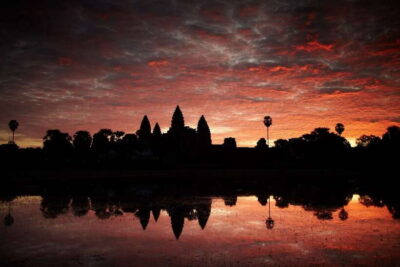
Angkor Sunrise 1- or 2-Day Guided Temples Tour
Read our review →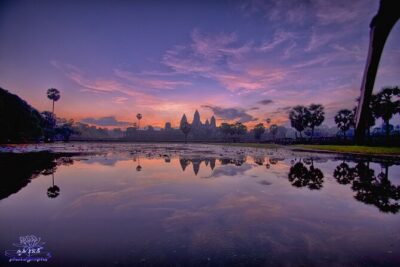
2-Day Angkor Wat With Small, Big Circuit and Banteay Srei Tour
Read our review →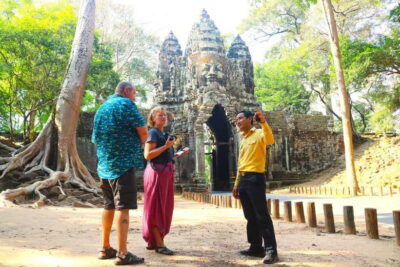
2-Day Temple Highlights Sunrise and Sunset Option
Read our review →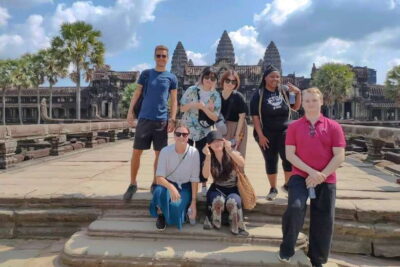
Angkor Wat 2-Day complex Sun rise & Sun set with Guided Tour
Read our review →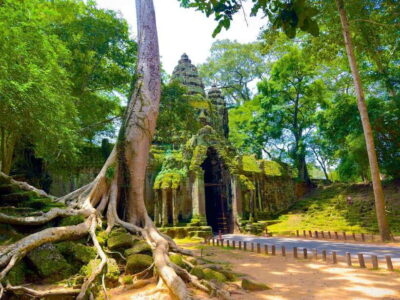
2-Days Angkor Wat with Sunrise Small-Group Tour
Read our review →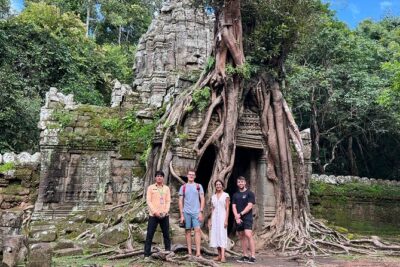
2-Day Angkor Wat Tour with Banteay Srei and Floating Village
Read our review →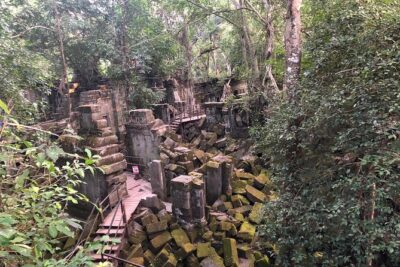
2 Days Discover Angkor Wat Complex and Cambodia’s Villages Tours
Read our review →Browse the lists this tour appears in