
Reviewed · HISTORICAL TOURS
2 Days Guided Historical Tour in Angkor
Angkor Wat at sunrise is only the opening act here. Over two early starts, you’ll see the great temple, Bayon’s famous smiling faces, tree-covered Ta Prohm, and quieter ruins most first-time visitors miss. I especially like the small group limit of 15 and the steady supply of cold water and wet towels.
I also like that the guides, including Sam, Vone, Sok, and Heang, focus on stories and details rather than simply pointing at stones. The main drawback is the price math: the $35 tour fee does not include the $62 temple pass, meals, or the very early 4:30 a.m. start.
Key points at a glance
- Sunrise starts the first day: Hotel pickup begins around 4:30 a.m., giving you an early visit to Angkor Wat before the heat builds.
- The famous temples come first: Angkor Wat, Angkor Thom, Bayon, Ta Keo, and Ta Prohm fill day one.
- Day two is quieter: Pre Rup, Ta Som, Neak Pean, and Preah Khan offer a slower look at the wider Angkor complex.
- Guides add real value: Sam, Vone, Sok, Heang, Sary, Sayon, Sem, and Pheap are among the guides associated with this experience.
- The $35 price is only the tour cost: Add $62 for the temple ticket, plus food and any personal expenses.
- Expect heat and walking: The air-conditioned vehicle helps, but you still need to walk across uneven temple grounds for much of each day.
Why two days makes sense at Angkor
Angkor is too large for a quick photo stop. The central temples are spread across a huge archaeological area, and each one has a different mood, plan, and period of construction. Trying to fit the major sights into one rushed day usually means less time to look and more time watching the clock.
This tour uses a sensible rhythm. Day one covers the places most people put at the top of their list. Day two moves farther into the complex and gives you more time with smaller or less crowded sites.
I like this setup because you get both sides of Angkor. You see the grand scale of Angkor Wat and Bayon, then have room for details at Ta Som, Neak Pean, and Preah Khan. The second day also helps spread out the physical effort.
The schedule is not light. A typical day includes several hours at temples, walking, stairs, heat, and repeated transitions between the vehicle and the ruins. Still, the air-conditioned transport, cold water, wet towels, and regular toilet stops make the pace more manageable.
The group can include up to 15 people. That is not a private tour, but it is small enough for a guide to answer questions and keep the group together without turning every stop into a crowd scene. Some departures have been smaller, which can make the experience feel more personal.
A few more Siem Reap trips to weigh up
- Siem Reap: Banteay Srei and Grand Circuit Heritage Tour
★ 4.9 · 163 reviews - Banteay Srei and Grand Circuit Heritage Tour from Siem Reap
★ 5.0 · 142 reviews - Angkor World Heritage with Sunrise – Small Group
★ 5.0 · 32 reviews
Day one: Angkor Wat before the crowds
The first pickup is listed for 4:30 a.m. That means this is not a gentle holiday start. You should be ready before dawn, with shoes on and anything you need for the first few hours already packed.
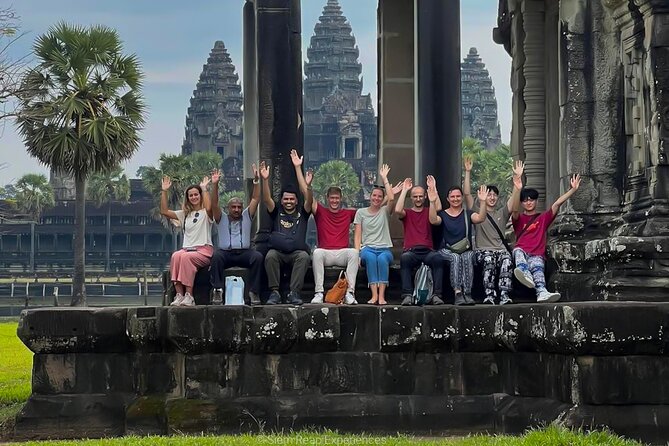
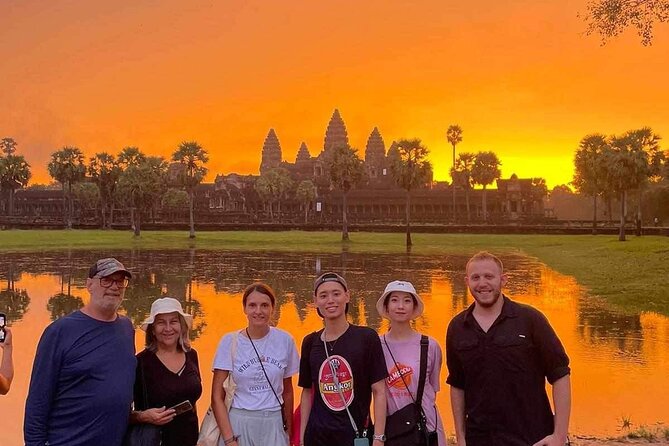
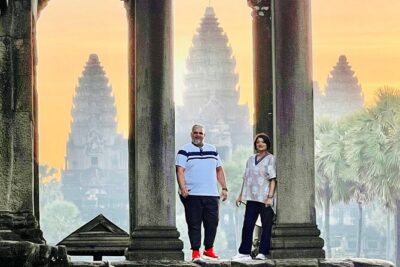
The reward is an early arrival at Angkor Wat. Sunrise can be beautiful, but conditions vary, and the sky will not always produce a perfect reflection over the ponds. The stronger reason to arrive early is the atmosphere and the chance to enter the temple area before the worst heat of the day.
After the sunrise viewing, your guide takes you inside Angkor Wat and explains the temple’s design, decoration, and place in Khmer history. Two hours is enough for a useful introduction, though not enough to inspect every gallery and carving in detail.
You’ll want a flashlight for the pre-dawn start. One participant specifically noted that a flashlight was provided, but I would not rely on that for every departure. Bring a small one or use a phone light, while keeping your hands free when possible.
The temple pass is separate from the tour. The stated cost is $62 per person, so the real basic cost becomes $97 before meals. That is still a reasonable price for two full days of transport and guiding, but you should know the full figure before booking.
Angkor Thom and Bayon’s stone faces
From Angkor Wat, the route continues to the South Gate of Angkor Thom. This 12th-century entrance has carved faces and a causeway lined with stone figures. The stop is brief, listed at 30 minutes, but it gives you a clear sense of the scale of the old city.
The South Gate is more than a quick picture stop. Look at the figures along the causeway and the huge faces above the gate. Your guide can help explain the religious and royal ideas built into the approach, which is useful because the symbolism is easy to miss when you are focused on getting through the entrance.
Next comes Bayon, the temple famous for its giant smiling faces. Two hours here gives you time to move among the towers, see the close-set galleries, and study the carved scenes on the walls.
Bayon can feel confusing without guidance. Its towers rise at odd angles, and the corridors twist around one another. This is where an informed guide earns the fee. Sam, Vone, Sok, and Heang are repeatedly praised for clear explanations, patience, humor, and willingness to answer questions.
You should still expect some independent time. The strongest guiding style on this route seems to be a short explanation followed by time for photos and personal exploring, rather than a nonstop lecture. That balance matters at Bayon, where you need a moment to look up and take in the faces.
Ta Keo and Ta Prohm complete the first day
Ta Keo is a temple mountain built largely of sandstone. Its plain, strong shape feels different from the more heavily decorated temples, and its steep form shows how Angkor’s builders used height to create a sacred mountain.
The schedule includes a breakfast break before entering Ta Keo. Breakfast is not included, so carry money and expect to buy food at the stop. Since the first pickup is so early, you may prefer to bring something small from Siem Reap rather than wait until the break.
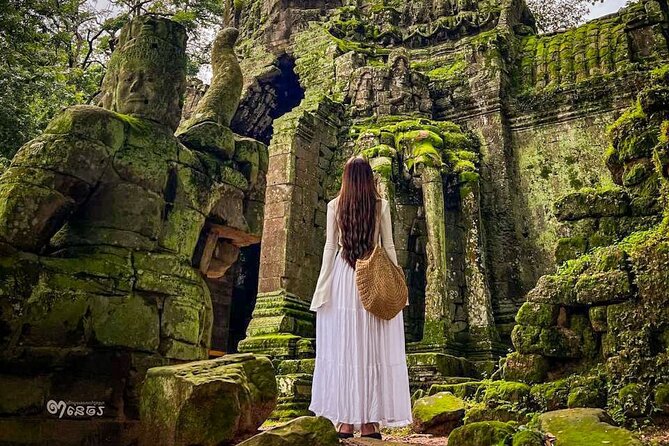
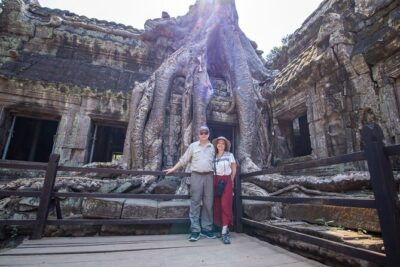
The final major stop on day one is Ta Prohm. This is the temple most closely associated with trees growing over stone walls and galleries. The vegetation is part of the appeal, but the carvings and surviving structure deserve attention too.
Ta Prohm is popular for good reason, which also makes it one of the busier stops. Your guide can help you find details beyond the famous tree roots. Give yourself time to look at doorways, carvings, and the way the ruins have been preserved.
Day one is often described as a four-temple day in practice, despite the listed stops also including Angkor Thom South Gate. That is not necessarily a problem, but it shows why you should think of the route as a full morning and afternoon outing rather than a strict checklist.
Same country, a completely different kind of day:
- Angkor Wat Sunrise or Sunset Tour with Guide from Siem Reap
★ 5.0 · 12,109 reviews - Siem Reap: Angkor Wat: Small-Group Sunrise or Sunset Tour
★ 5.0 · 9,444 reviews - From Siem Reap: Kampong Phluk Floating Village Tour by Boat
★ 4.9 · 6,979 reviews - Sunset tour of Kampong Phluk stilts home village on the Tonle Sap
★ 5.0 · 4,865 reviews
Day two: brick towers, quiet corners, and long corridors
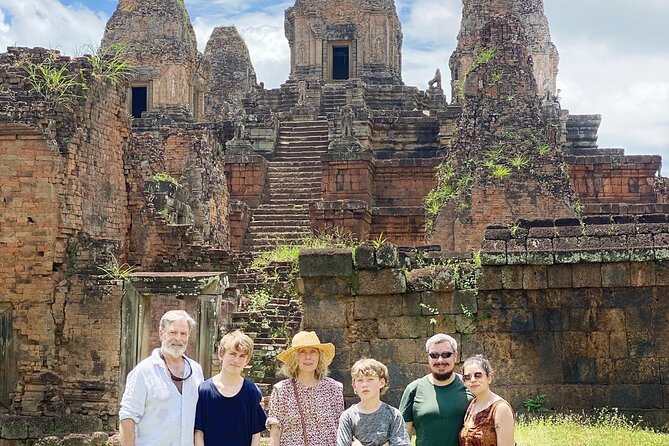
Day two begins with Pre Rup, a Hindu temple built as the state temple of King Rajendravarman around 961 or 962. The brick towers and raised terraces give it a different appearance from Angkor Wat and Bayon.
Two hours here may sound generous, but it lets you study the construction and climb through the temple at a less frantic pace. Pre Rup is also a good place to compare brick, laterite, and sandstone, the main materials you see across the Angkor complex.
Ta Som follows. Built near the end of the 12th century for King Jayavarman VII, it is smaller than the major temples and often easier to appreciate without the same pressure to move on.
The smaller scale is the point. You can look at the layout, carved faces, and surviving details without trying to take in an enormous complex all at once. The listed visit lasts one hour, which should give you enough time for a careful walk and photographs.
Neak Pean is a different kind of stop. It sits on an artificial island in a reservoir and was built during the reign of Jayavarman VII. The approach across the water gives the visit a calmer feel, though the temple itself is compact.
You should not expect another giant stone complex here. Neak Pean is about the setting, the water, and the unusual design. The one-hour stop allows time to walk out, see the island temple, and return without turning it into a rushed photo break.
Preah Khan gives day two its weight
Preah Khan is one of the largest and most rewarding stops on the second day. Built in the 12th century by Jayavarman VII to honor his father, it combines long corridors, courtyards, carvings, and partially restored sections.
Two hours is appropriate here. The temple has enough rooms and passages that a quick walk-through would leave out much of what makes it special.
This is another place where the guide’s storytelling can change the experience. Sam is praised for connecting temple details with the wider story of the Khmer Empire and Cambodian history. Vone is known for adding small observations and helping with photos. Those touches are useful at a sprawling site where it is easy to lose your sense of direction.
The second day may feel more relaxed than the first, but do not mistake less fame for less effort. You still walk over rough ground and spend long periods outside. Bring water beyond what is supplied if you know you drink a lot in hot weather.
Sunset at Phnom Bakheng and a schedule detail to check
The tour description says day two stays for sunset and includes Phnom Bakheng. The itinerary, however, lists Phnom Bakheng as a two-minute stop. That is a clear detail to confirm with the operator before departure.
Phnom Bakheng is a Hindu temple mountain dedicated to Shiva and built during the reign of King Yasovarman in the late ninth century. It is known as a sunset viewpoint, but the short listed duration does not describe a full climb or extended viewing period.
I would ask the guide how the sunset portion works on your specific departure. The timing may change with crowd controls, weather, or the day’s pace. You should not assume that a two-minute itinerary entry guarantees a long sunset visit at the top.
This is one of the few planning weaknesses in an otherwise practical route. The schedule names 11 temples as an included feature, while the detailed stop list names ten temple sites if the Angkor Thom gate is counted separately. That may reflect a route adjustment or an omitted temple, so it is sensible to ask which 11 sites are planned.
Guides, transport, and comfort in the heat
The guide is the most important part of a historical tour, and this experience has received strong marks for its guiding. Names connected with especially positive feedback include Sam, Vone, Sok, Heang, Sary, Sayon, Sem, and Pheap.
You may not get a particular guide unless you request one and the operator can arrange it. What you can reasonably expect is a licensed-style temple guide who explains the sites, answers questions, and gives you time for photos.
The air-conditioned vehicle is a major practical benefit. Angkor’s ruins are open-air sites, and heat builds quickly after sunrise. The vehicle gives you a place to cool down between temples, which can make the difference between enjoying the second half of the day and simply enduring it.
Cold water and a wet towel are included. These are small items, but they matter after walking across sun-baked courtyards. One person who struggled in extreme heat found it helpful to sit in the air conditioning when needed, so do not feel obliged to push past your limits.
Hotel pickup and drop-off are included. The listed meeting point is behind the Angkor Night Market near Pub Street, and drop-off can be arranged at your hotel or somewhere around Pub Street. Confirm your pickup point and phone contact the day before, since one poor experience involved a missed hotel meeting and difficulty reconnecting with the guide.
What the $35 price really buys
At $35 per person, the tour is priced as a budget-friendly shared experience. That fee covers the guide, air-conditioned vehicle, hotel pickup and drop-off, cold water, wet towels, and two days of visits.
The separate $62 temple pass changes the calculation. Add meals, breakfast, and drinks beyond the supplied water, and your total is much higher than the headline price. Even so, the tour can offer good value if you want transport and historical explanation without arranging a private car and guide yourself.
Meals are not included. The itinerary mentions a breakfast break before Ta Keo and a lunch break at a restaurant, but you pay for your own food. Carry snacks for the early start and budget for at least two days of meals.
The cancellation terms are simple: you can receive a full refund if you cancel at least 24 hours before the start time. Changes or cancellations inside that window are not accepted for a refund.
Who should book this Angkor tour
I would choose this tour if you want to see the essential temples plus several quieter sites, and you prefer having the route, vehicle, and guide arranged for you.
It suits first-time visitors who want context. Angkor is much easier to understand when someone explains why temples were built, how the styles changed, and what you are looking at in each gallery.
It also suits people who enjoy a full sightseeing schedule. You need to be comfortable with a 4:30 a.m. start, long days, heat, stairs, uneven paths, and repeated walking.
I would be more cautious if you want a slow, private pace or dislike fixed schedules. A group of up to 15 can be friendly and efficient, but it will not offer the same flexibility as a private tuk-tuk and guide.
If you need French-language guiding, ask before booking. A French-speaking participant found communication difficult, so language matching should be confirmed in advance rather than assumed.
Should you book it?
Book this tour if you want strong coverage of Angkor at a low guiding cost, and you can handle two demanding days. The sunrise at Angkor Wat, Bayon, Ta Prohm, Preah Khan, and the less crowded second-day temples make the route feel much fuller than a one-day highlights trip.
Before paying, confirm the exact 11 temples, the Phnom Bakheng sunset plan, your pickup time, and the total cost with the $62 pass included. If those details suit you, this is a practical way to see Angkor with useful historical context, dependable transport, and welcome relief from the Cambodian heat.
FAQ
How long is the tour?
The experience lasts approximately two days. Day one begins around 4:30 a.m. for sunrise at Angkor Wat.
What time does pickup begin?
The stated start time is 4:30 a.m. Hotel pickup is offered, and the listed meeting point is near the Angkor Night Market behind Siem Reap Pub Hostel.
Is the temple entrance ticket included?
No. The temple ticket is listed separately at $62 per person.
What does the $35 tour price include?
It includes an air-conditioned vehicle, a tour guide, cool water, a wet towel, hotel pickup and drop-off, and visits to the included temples over two days.
Are meals included?
No. Meals are not included. The route includes a breakfast break before Ta Keo and a lunch break, but you pay for your own food.
How many people can join the group?
The group has a maximum of 15 travelers.
Which temples are included?
The named stops include Angkor Wat, Angkor Thom South Gate, Bayon, Ta Keo, Ta Prohm, Pre Rup, Ta Som, Neak Pean, Preah Khan, and Phnom Bakheng. The tour description advertises 11 temples, so confirm the complete final list.
Is hotel drop-off available?
Yes. Drop-off can be made at your hotel or at a requested location around Pub Street in Siem Reap.
Can I cancel for a full refund?
Yes, if you cancel at least 24 hours before the experience start time. Cancellations or changes made less than 24 hours before the start are not accepted for a refund.
Just added around Siem Reap
- Ultimate Sunrise to Angkor Wat, Angkor Thom and Bayon Temple★ 5.0 · 3 reviews
- Twilight Tastes of Siem Reap Include Dinner★ 5.0 · 13 reviews
- Trekking Tour at Phnom Kulen National Park from Siem Reap★ 5.0 · 3 reviews
- Full-Day Private Tour of Angkor Wat with Pick Up★ 5.0 · 12 reviews
- Private Day Trip to Angkor Temples with Expert Guide★ 5.0 · 4 reviews
- Waterfall & River of 1000 Siva Linga- Kulen Mountain Private Tour★ 5.0 · 3 reviews
- Professional Photo Shoot in Angkor Archaeological Park, Siem Reap★ 5.0 · 42 reviews
- Ultimate Siem Reap Food Tour by Tuk Tuk – 20 Tastings, 8 Stops★ 5.0 · 13 reviews
Historical Tours, compared.
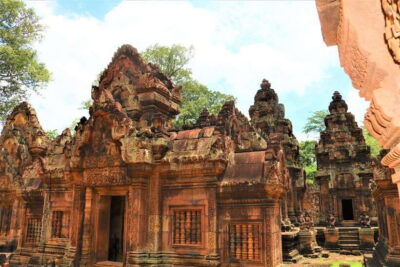
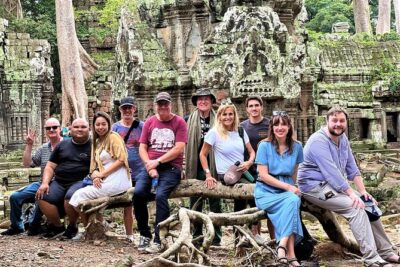
Banteay Srei and Grand Circuit Heritage Tour from Siem Reap
Read our review →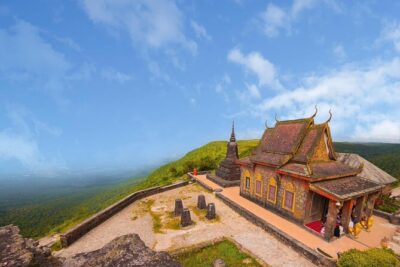
Bokor Mountain Adventure – History, Sights and Waterfalls
Read our review →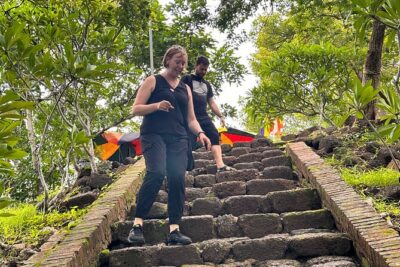
Angkor World Heritage with Sunrise – Small Group
Read our review →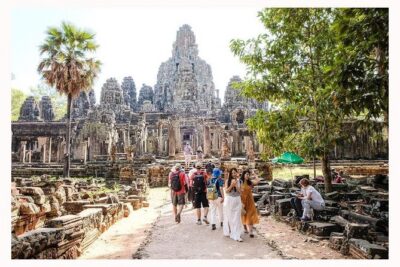
Private Angkor Wat Tour & Angkor Park/Heritage With Local Guide
Read our review →Browse the lists this tour appears in