
Reviewed · COOKING CLASSES
Siem Reap: Cambodian Desserts Cooking Lesson with Tastings
The best part of this Siem Reap cooking class is its focus on Cambodian sweets, not the usual curry-and-stir-fry menu. You work with palm sugar, coconut milk, ginger, and lemongrass, then make three desserts you can actually try again at home. I like the private work station and clear, patient instruction. I also like the tuk-tuk pickup and drop-off, which saves you from sorting out transport.
The main thing to consider is that this is a dessert class, so it will not teach you a full Cambodian meal. The class runs three hours, and the market visit described by several participants may depend on the day’s arrangement. Still, at $32 per person, the hands-on cooking, food, transfers, and recipe card make a strong package.
Key points at a glance
- Three traditional desserts: Make steamed ginger custard, palm sugar and coconut bananas, and sweet coconut pancakes.
- Palm sugar explained from tree to kitchen: Learn how one of Cambodia’s key sweeteners is produced and used.
- Your own cooking station: Handle the ingredients and equipment yourself instead of simply watching a demonstration.
- Tuk-tuk transport included: Pickup and return to your Siem Reap accommodation are part of the booking.
- Market visit may be included: Some class arrangements begin with a local market walk and an introductory snack.
- Food to take home: Portions can be generous, and the recipe card helps you repeat the dishes later.
Three Cambodian desserts, one useful cooking lesson
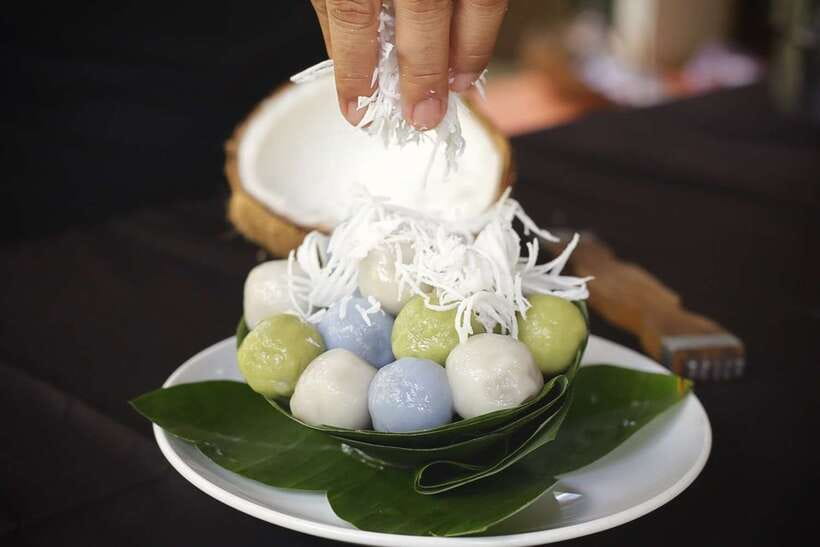
This class gives you a close look at a part of Cambodian food culture that is easy to miss. Most visitors focus on savory dishes, yet Cambodian desserts make good use of simple local ingredients: coconut, palm sugar, bananas, rice-based mixtures, ginger, and fragrant herbs.
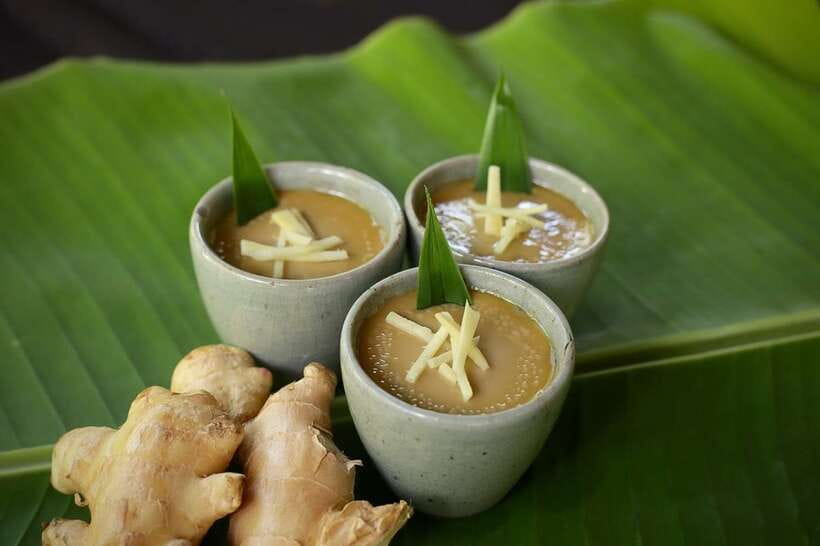
You make three sweets during the session. Steamed ginger custard brings a soft texture and warm spice. Palm sugar and coconut bananas show how fruit, sugar, and creamy coconut work together. Sweet coconut pancakes add a different texture and a more hands-on cooking step.
I like this mix because the dishes are distinct without requiring a long list of hard-to-find ingredients. The recipes also give you a practical way to keep the memory alive after Cambodia. A class is worth more when it teaches something you can cook in your own kitchen, and this one is built around that idea.
The English-speaking chef explains each stage as you work. You are not left to copy a finished plate without understanding what happened along the way. That matters with coconut milk and palm sugar, where small changes in heat, timing, and texture can affect the final result.
A few more Siem Reap trips to weigh up
- Khmer Cooking Class at a Local’s Home in Krong Siem Reap
★ 5.0 · 2,731 reviews - Siem Reap: Khmer Cooking Class at a Local’s Home
★ 5.0 · 1,108 reviews - Award-Winning Cooking Class Experience with Professional Teacher
★ 5.0 · 745 reviews
Starting with hotel pickup and a tuk-tuk ride
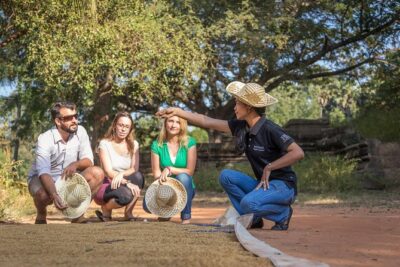
Your day begins with pickup at your accommodation in Siem Reap. You need to wait in the hotel lobby 30 minutes before the scheduled start, so do not plan a last-minute breakfast stop or temple visit immediately beforehand.
The tuk-tuk ride is part of the charm. It gives the outing a local feel and removes the need to arrange a taxi to an unfamiliar kitchen. The return ride is also included, a useful detail after three hours of cooking and eating.
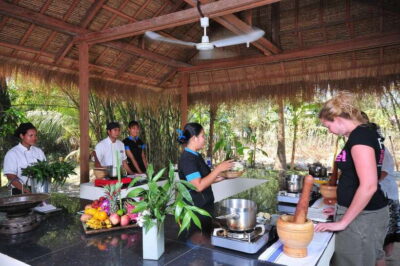
The exact venue is described as a peaceful outdoor kitchen surrounded by nature. That setting should appeal to you if you want a break from the traffic and hotel dining rooms of central Siem Reap. It also makes the lesson feel more like a visit to a local cooking space than a formal school.
You should remember that tuk-tuks are open to the air. That is usually pleasant in Siem Reap, but dust, heat, or rain can affect the ride. The pickup service is convenient, though you still need to be ready on time and clearly available in your lobby.
A local market introduction before the cooking
A market stop has been part of some sessions. When included, it gives you a quick introduction to the ingredients used in everyday Cambodian cooking and a chance to ask questions before reaching the kitchen.
This is a worthwhile addition because the market puts the desserts in context. Instead of seeing palm sugar or coconut milk only as prepared ingredients, you can connect them with the broader food culture of Siem Reap. One session included a first snack at the market, and another included time to discuss purchases and familiar local foods.
I would value this part especially if you are new to Cambodia. A market walk helps you recognize ingredients you may later see on menus or in shops. It can also make the cooking steps easier to understand, since you have already seen some of the raw materials.
Still, the market visit is not stated as a guaranteed part of every booking. Think of it as a possible bonus rather than the central promise of the class. The three-dessert lesson, tastings, transfers, and recipe card are the reliable core.
Understanding palm sugar from palm tree to dessert
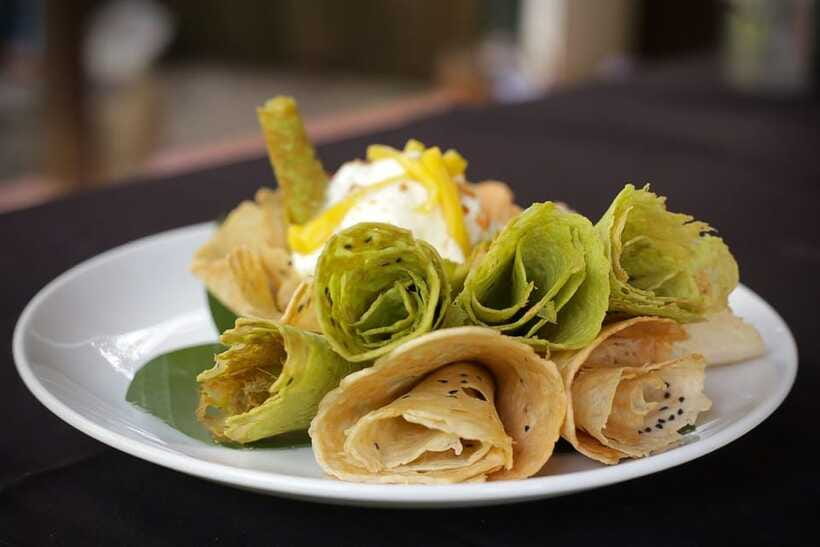
Palm sugar receives special attention during the lesson. You learn how it comes from the sugar palm tree and how it reaches the finished form used in Cambodian cooking.
That explanation gives the class more depth than a simple ingredient list. Palm sugar has a rounded sweetness that works differently from ordinary white sugar, and it is closely tied to local food traditions. Seeing its place in the cooking process helps you understand why it appears in Cambodian sweets.
You then use it alongside creamy coconut milk, fresh ginger, bananas, and lemongrass. These ingredients are familiar in many Southeast Asian kitchens, but the class shows you how they combine in Cambodian desserts.
I like this ingredient focus because it connects the practical recipe to place. You are not just following instructions for a generic coconut pudding. You are learning why certain flavors belong together and how a local sweetener shapes the finished dish.
Same country, a completely different kind of day:
- Angkor Wat Sunrise or Sunset Tour with Guide from Siem Reap
★ 5.0 · 12,109 reviews - Siem Reap: Angkor Wat: Small-Group Sunrise or Sunset Tour
★ 5.0 · 9,444 reviews - From Siem Reap: Kampong Phluk Floating Village Tour by Boat
★ 4.9 · 6,979 reviews - Sunset tour of Kampong Phluk stilts home village on the Tonle Sap
★ 5.0 · 4,865 reviews
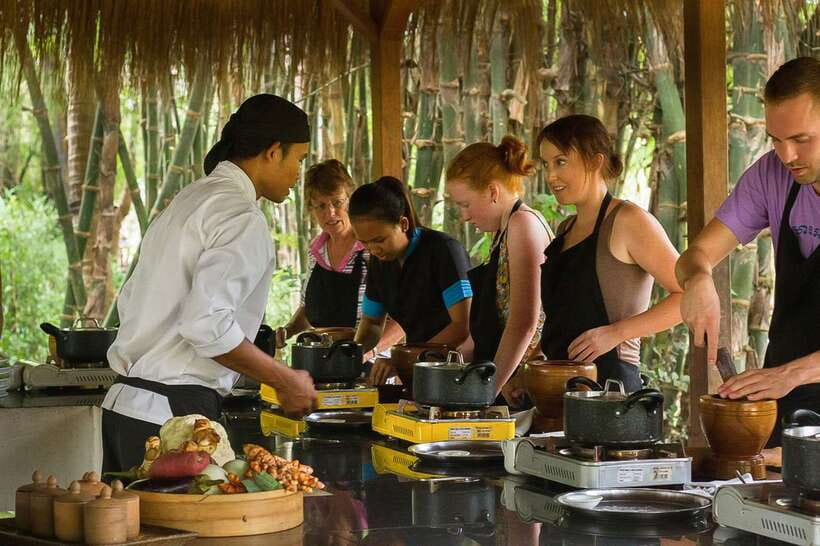
Your own station means real hands-on practice
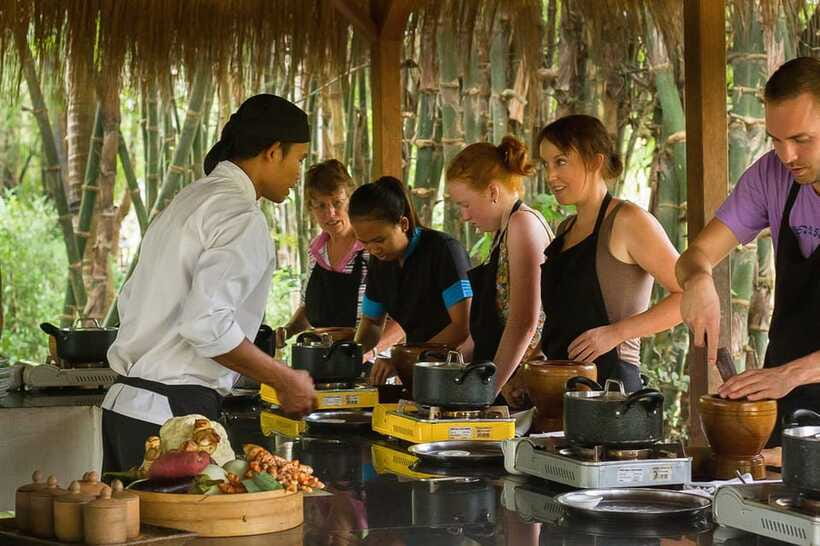
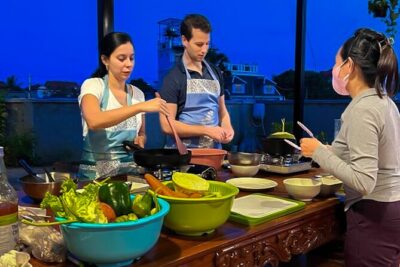
Each participant gets a personal cooking station and equipment. That is one of the strongest features for anyone who wants to learn rather than watch.
You can prepare the ingredients, follow the chef’s instructions, and see how the mixture changes as you cook. The setup also gives you room to work at your own pace while still receiving help when needed.
A good cooking class should leave you with muscle memory, not only notes. Handling the palm sugar, coconut milk, ginger, and other ingredients yourself makes the recipes easier to remember. You will also notice the small practical steps that are difficult to learn from a printed recipe alone.
The instruction is in English. The chef and host are described as friendly and clear, with chefs named Prey and Bri appearing in separate sessions and Sophia or Sofia serving as a host in the accounts provided. The spelling of the host’s name varies, but the useful point is that the class includes both cooking guidance and personal help with the outing.
The format can also work well for a small family group. One booking included siblings, while another class had a single participant. That suggests the session can remain enjoyable in different group sizes, though the exact number of people is not specified.
What each dessert brings to the table
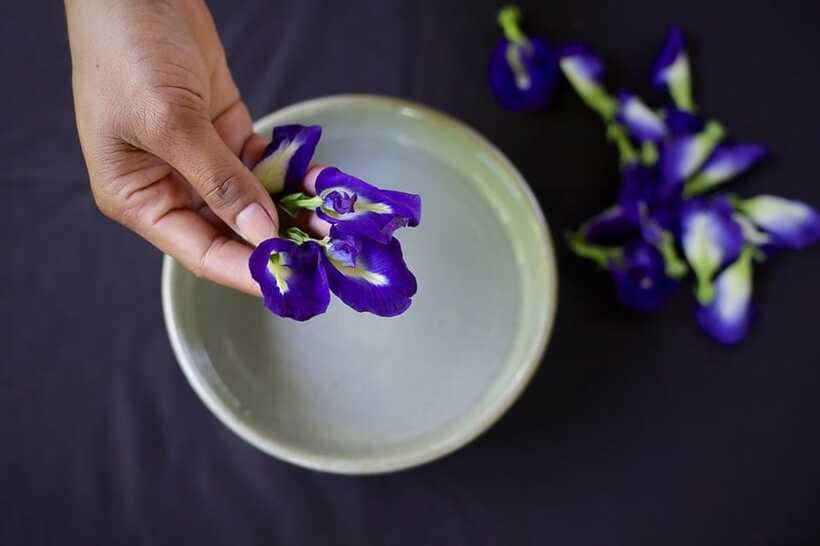
Steamed ginger custard
The steamed ginger custard is likely to be the most distinctive of the three for many visitors. Ginger gives the dessert a warm, sharp note, while steaming creates a soft custard texture.
This is a good dish to pay close attention to because texture is the key. The recipe card will help later, but the chef’s explanation during preparation is where you learn how the mixture should look and feel.
If you prefer desserts that are less familiar or less focused on baked pastry, this should be a highlight. It also shows how Cambodian sweets can be gentle and fragrant rather than simply sugary.
Palm sugar and coconut bananas
This dessert puts local sweetness and fruit together. Palm sugar supplies the main flavor, while coconut milk adds body and richness to the bananas.
It is probably the easiest dish to picture making at home, since the ingredients are simple and the flavors are approachable. I would pay attention to how the chef balances the sugar and coconut milk. Too much sweetness can flatten a dessert, while the right amount lets the banana remain part of the flavor.
This is also a useful recipe for sharing with family. It does not depend on a complicated presentation, and the ingredients can be found in many supermarkets outside Cambodia.
Sweet coconut pancakes
The coconut pancakes add a different cooking method and texture. They give you a chance to work with a batter and watch the dessert change as it cooks.
Pancakes are familiar, but the coconut and palm sugar profile makes these distinctly Khmer in character. The dish should suit you if you enjoy cooking something directly at the stove or griddle rather than assembling a cold dessert.
Making three different sweets keeps the class from becoming repetitive. You move between custard, fruit, and pancake techniques, with coconut and palm sugar linking the menu together.
Tasting, leftovers, and the recipe card
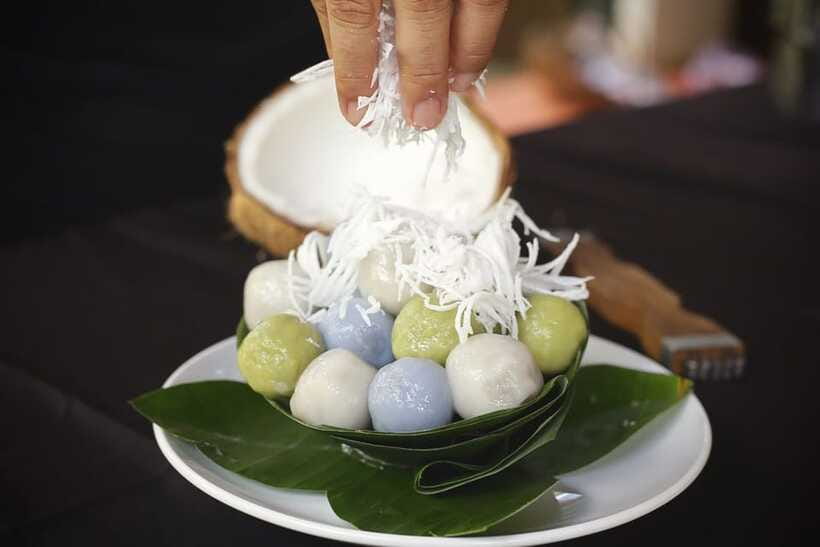
Tastings are included, and the portions can be generous. If you are cooking with a group, you may have more dessert than you can finish during the class. Extra portions have been boxed for people to take away, which is a practical touch rather than a decorative one.
You should arrive with enough appetite to taste each dish, but you do not need to worry about eating everything on the spot. One participant who had not eaten breakfast was offered fruit and tea, though this should not be treated as a promised part of every booking.
The recipe card is another important inclusion. It gives you a reference for ingredients and methods after the trip, when the smells and demonstrations are no longer fresh.
I would keep the card with your other travel notes and try one recipe soon after returning home. Cambodian ingredients may vary by country, so your results may not taste exactly the same. Still, palm sugar, coconut milk, bananas, and ginger are generally approachable ingredients for a home experiment.
Is $32 good value for three hours?
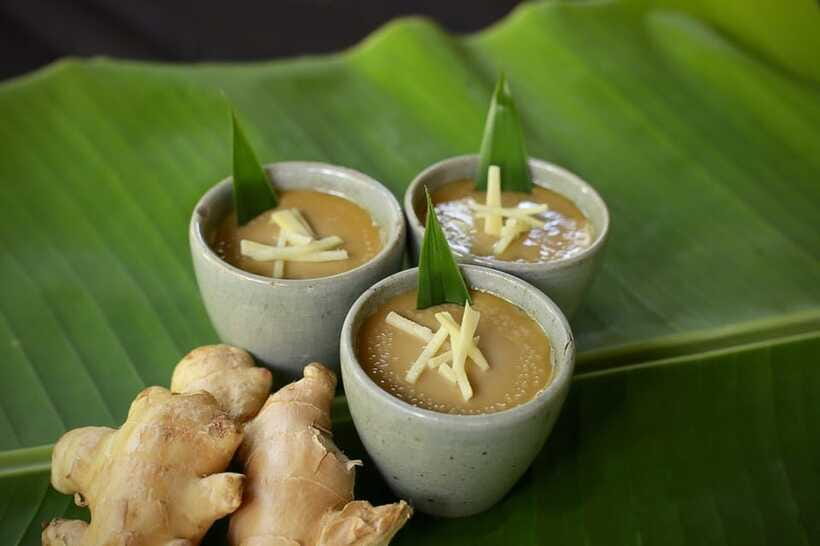
At $32 per person, this class offers more than a short cooking demonstration. You receive three hours of instruction, hands-on use of a personal station, tastings, a recipe card, and hotel transportation in both directions.
The value is strongest if you use the class as both a food activity and a cultural outing. The tuk-tuk ride and possible market stop add local context, while the cooking gives you a skill to carry home. If you only want to eat desserts, a café visit will cost less and take less time. If you want to learn, the class makes better sense.
The price also reduces the hidden costs that can come with independent planning. You do not need to arrange transport to the venue or buy every ingredient yourself just to test a recipe. The included pickup is particularly helpful if you are staying outside the immediate center of Siem Reap.
The main value limit is the narrow menu. You will not learn a full Cambodian meal, and the experience is aimed at sweets. I would choose another class if your main goal is fish amok, curry, noodles, or a broad introduction to savory Khmer food.
Who will enjoy this class most?
I would recommend it to food-focused visitors, couples, families, and anyone who likes returning from a trip with a practical skill. It also suits you if you have already visited Angkor Wat and want a slower activity away from temple touring.
The class is a good choice for people who prefer participation over sightseeing. You spend much of the time cooking, tasting, asking questions, and listening to explanations about ingredients.
It should also work well for dessert fans who want something beyond Western baking. The menu centers on Cambodian flavors and methods, with coconut, palm sugar, ginger, and bananas doing most of the work.
You may want to skip it if you dislike sweet foods, have very little time in Siem Reap, or want a large menu of savory recipes. The three-hour duration is reasonable, but it is still a substantial block in a short itinerary.
Booking details to keep in mind
The activity lasts three hours, with starting times available according to the date you select. Pickup is included from your Siem Reap accommodation, and you should be in the lobby 30 minutes before the start.
The instructor teaches in English. The booking allows cancellation up to 24 hours before the activity for a full refund, and you can reserve now and pay later, which helps if your temple schedule is still changing.
Because market visits have appeared in some arrangements but are not listed as a guaranteed inclusion, ask about that point if it matters to you. The core class remains the cooking lesson, tastings, transfers, and recipe material.
Should you book the Cambodian desserts cooking class?
I would book this class if you want a friendly, hands-on introduction to Cambodian food with a strong focus on sweets. The personal station, three different recipes, local ingredient lesson, tuk-tuk transfers, and recipe card give the $32 price real value.
I would not book it as your only Cambodian food class if you are looking for a complete meal or a savory cooking course. But for a relaxed half-day activity, especially after a morning at the temples, it offers a useful mix of food, local context, and time spent with a chef. Bring an appetite, leave room for leftovers, and be ready in the lobby early.
FAQ
Where does the Cambodian desserts cooking class take place?
The class takes place at a cooking venue in Siem Reap Province. The venue is described as a peaceful outdoor kitchen surrounded by nature.
How long does the activity last?
The cooking experience lasts three hours.
What desserts will I learn to make?
You will prepare steamed ginger custard, palm sugar and coconut bananas, and sweet coconut pancakes.
Is hotel transportation included?
Yes. Pickup from and drop-off at your accommodation in Siem Reap are included.
What kind of transport is used?
The activity includes tuk-tuk transportation to and from the cooking venue.
Is the class taught in English?
Yes. The instructor language is English.
Do I get my own cooking equipment?
Yes. You have your own work station and cooking equipment for the lesson.
Can I cancel for a refund?
You can cancel up to 24 hours before the activity for a full refund. You can also reserve the activity and pay later.
Just added around Siem Reap
- Ultimate Sunrise to Angkor Wat, Angkor Thom and Bayon Temple★ 5.0 · 3 reviews
- Twilight Tastes of Siem Reap Include Dinner★ 5.0 · 13 reviews
- Trekking Tour at Phnom Kulen National Park from Siem Reap★ 5.0 · 3 reviews
- Full-Day Private Tour of Angkor Wat with Pick Up★ 5.0 · 12 reviews
- Private Day Trip to Angkor Temples with Expert Guide★ 5.0 · 4 reviews
- Waterfall & River of 1000 Siva Linga- Kulen Mountain Private Tour★ 5.0 · 3 reviews
- Professional Photo Shoot in Angkor Archaeological Park, Siem Reap★ 5.0 · 42 reviews
- Ultimate Siem Reap Food Tour by Tuk Tuk – 20 Tastings, 8 Stops★ 5.0 · 13 reviews
Cooking Classes, compared.
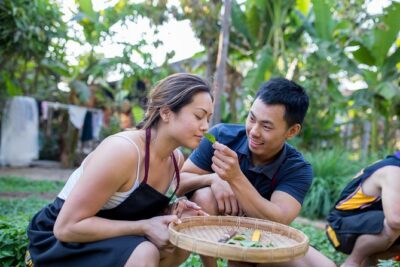
Khmer Cooking Class at a Local’s Home in Krong Siem Reap
Read our review →
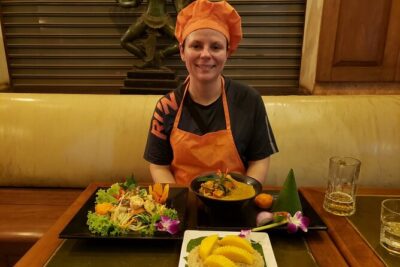
Award-Winning Cooking Class Experience with Professional Teacher
Read our review →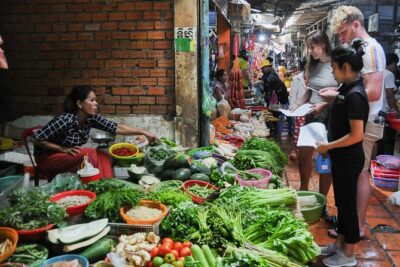
Browse the lists this tour appears in