
Reviewed · COOKING CLASSES
Khmer Cooking Class Half Day (AM or PM)
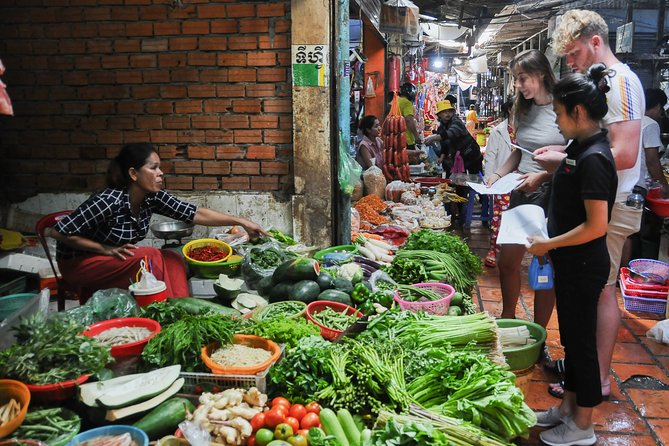
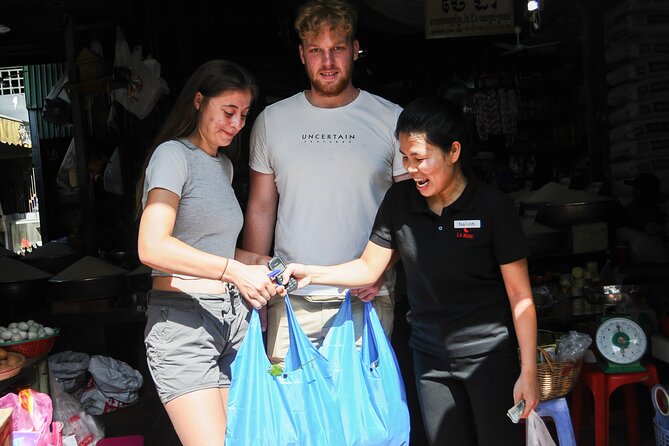
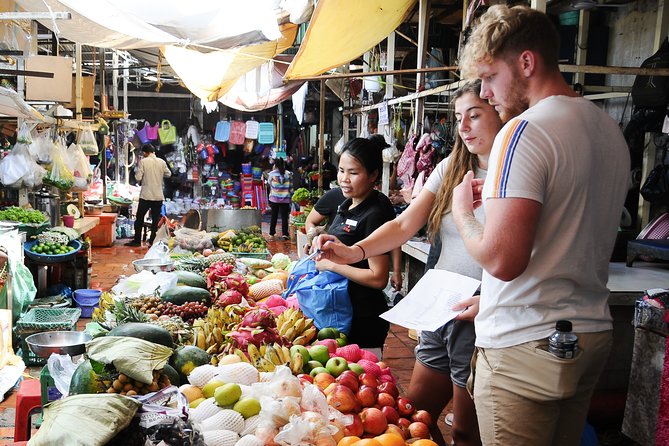
The most rewarding part of this Phnom Penh class happens before you turn on the stove. You ride by tuk-tuk to a local market, choose the fruit, vegetables, herbs, and spices for your meal, then return to the Banana Cooking Class to prepare them yourself. It is a practical look at Cambodian food, not just a demonstration from the sidelines.
I like the market visit, where Chef Lom Ang and her team explain how to select fresh ingredients and suggest substitutes you can find back home. I also like the individual cooking stations, since you get your own wok and direct help rather than trying to follow a crowded group lesson. The main thing to consider is that the class can feel quiet if you are the only participant, and some dishes, especially the banana dessert, may be sweeter than you prefer.
Key points at a glance
- Local market shopping: Take a tuk-tuk to a Cambodian market and help select the ingredients used in your meal.
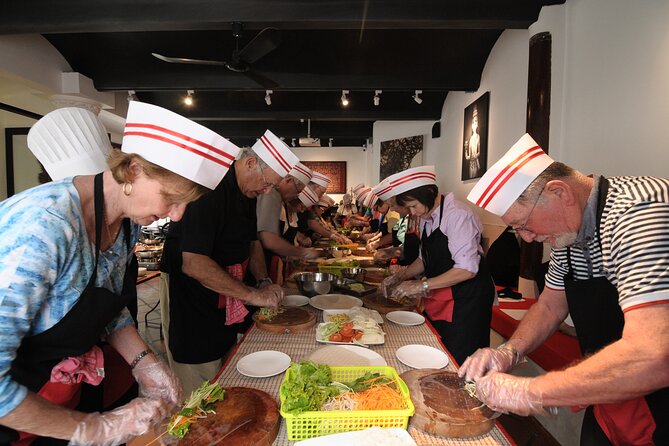
- Hands-on cooking: Work at your own station, with your own utensils and wok, while the chef demonstrates each step.
- Three Khmer dishes: Menus have included fish amok, chicken curry, spring rolls, green mango salad, and banana palm sugar dessert.
- Personal instruction: Chef Lom Ang, Sophen, Lom Ang, and other Banana Cooking Class staff provide close guidance, including help with chopping and cooking.
- Useful take-home extras: You receive printed recipes, ingredient lists, and a certificate at the end.
- Morning or afternoon timing: The class lasts about four hours, beginning at 9 a.m. or 3 p.m., and ends back at the meeting point.
A tuk-tuk ride into everyday Phnom Penh
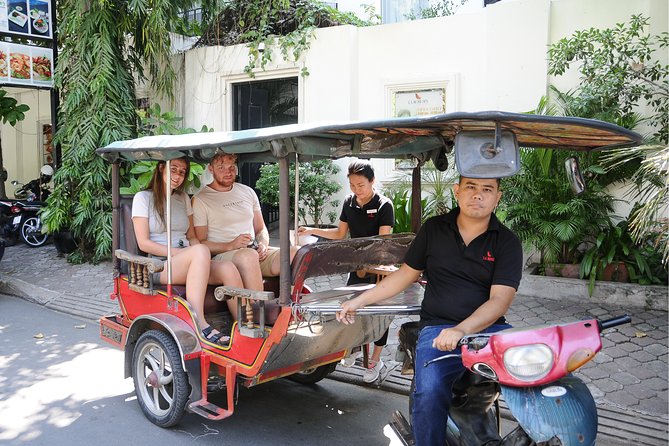
The class begins at Banana Cooking Class at 4b Abdul Carime Street, also listed as Street 21, in Phnom Penh. You can choose a morning start at 9 a.m. or an afternoon start at 3 p.m. From there, the school arranges a tuk-tuk ride to a local market.
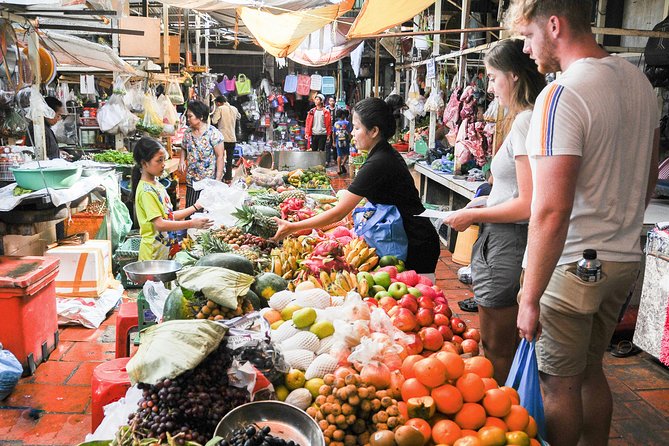
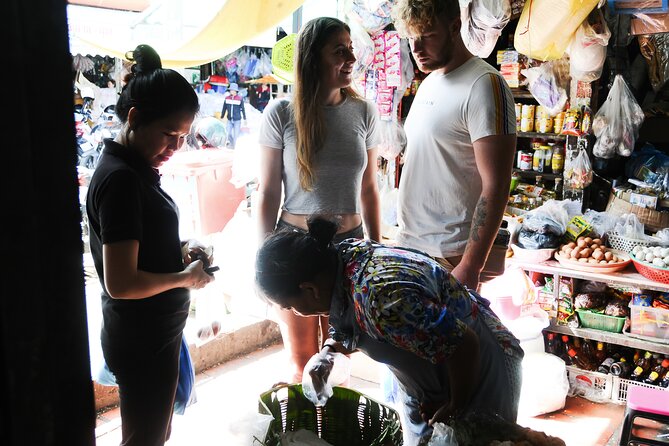
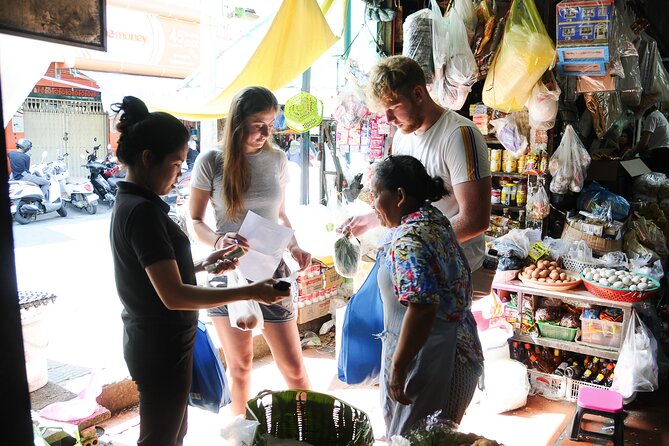
That short ride matters. You are not simply handed a premeasured basket of ingredients in a classroom. You see where Cambodian cooks buy produce and spices, then take part in choosing what will go into your meal. Chef Lom Ang has been praised for explaining what she looks for in fresh food, herbs, and spices, as well as what can be replaced with ingredients available in other countries.
The market is also the least polished part of the experience, which is exactly why it has value. You may notice strong smells and the close, busy feel of a working food market. If you prefer a neat, quiet food tour, this part could be a little much. If you want a direct look at daily food shopping in Phnom Penh, it gives the class a stronger local feel.
The market visit usually takes about an hour. You return by tuk-tuk to the cooking school at roughly 10 a.m. for the morning class or 4 p.m. for the afternoon session. The transport is included, so you do not need to arrange your own ride between the school and market.
A few more Phnom Penh trips to weigh up
- Khmer Cooking Class Full Day
★ 5.0 · 13 reviews - Cooking Class in Phnom Penh
★ 5.0 · 7 reviews - The Mekong Village Cooking Escape
★ 5.0 · 4 reviews
From market basket to cooking station
Back at Banana Cooking Class, you receive a cool towel, a refreshing drink, and the recipes. This small break is welcome after the market trip, and the printed instructions give you something useful to refer to during the lesson.
The class then moves into a theory and demonstration session. The chef presents the dishes you will prepare and explains the basic techniques before you begin. The teaching style is practical: the chef demonstrates how to prepare an ingredient, and you repeat the process at your own station.
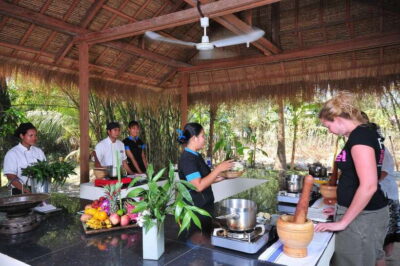
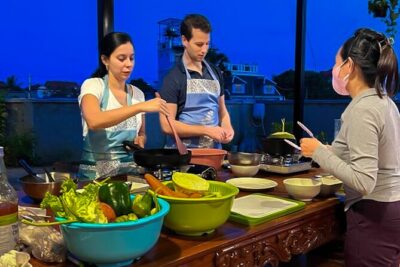
You are not expected to simply watch. Each student has an individual cooking station and wok. That arrangement is one of the strongest reasons to choose this class over a cheaper demonstration-only lesson. You can make your own portion, control your pace, and ask for help as you work.
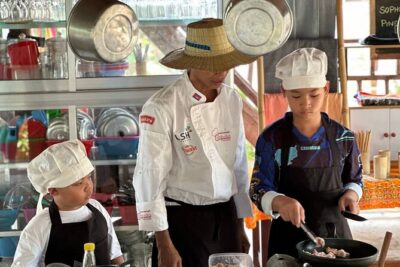
The instructors are often singled out for patience and clear explanations. Chef Lom Ang Peark, also called Lom Ang in the class setting, has taught students how to prepare fish amok, rice paper rolls, chicken curry, and banana caramel or palm sugar dessert. Sophen has also been praised as a friendly, entertaining teacher. The exact instructor may vary, but the format is designed around close instruction.
English ability can vary from one instructor to another. Instructions are generally understandable, but some students have found that communication takes a little patience. The chef demonstrates each technique, so you can often follow by watching as well as listening.
The three dishes you may prepare
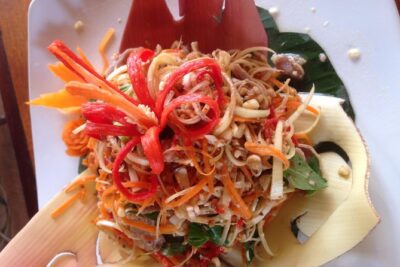
The class includes three traditional Cambodian dishes, usually arranged as a starter, main course, and dessert. The specific menu is not stated as fixed, and the dishes described by participants have varied. Examples include fresh spring rolls, fish amok, yellow chicken curry, green mango salad, and a banana dessert made with palm sugar.
Fish amok is the dish many people will be most curious about. It is one of Cambodia’s best-known preparations, and the class gives you a chance to make it rather than order it without knowing what goes into the bowl. Students have found it especially successful, with the fish, curry paste, and coconut flavors forming the main course of the meal.
The yellow chicken curry has also received special praise for its flavor. If you enjoy Southeast Asian curries, this can be a highlight, but the lesson is still useful if you cook less often. The chef shows you how to prepare the ingredients and build the dish step by step.
Spring rolls and green mango salad provide a lighter contrast. They also give you useful preparation skills, such as handling fresh vegetables and balancing crisp, sour, sweet, and savory flavors. The banana dessert is simple and satisfying, though it can be very sweet. You can reduce the sugar when you recreate it at home.
A useful feature is the advice on substitutions. Chef Lom Ang has explained which ingredients can and cannot be replaced when cooking outside Cambodia. That makes the recipes more than a souvenir. You leave with a better idea of how to adapt Khmer food to your own kitchen without changing its basic character.
Eating what you cooked
After about an hour of preparation and cooking, the meal is ready. The morning group eats at roughly noon, while the afternoon group sits down around 6 p.m. You take your dishes to a table and eat the food you prepared.
This is a full meal, not a token tasting. Portions have been described as plentiful, and some students have needed help packing up food they could not finish. The class is therefore good value for anyone who wants lunch or dinner included rather than another small sample between sightseeing stops.
The meal can be especially enjoyable when the class has several participants. You cook alongside the other people in your group, then eat together. Since this is a private activity, only your own group participates, but the number of people in that group can vary.
A small practical point is worth noting: the class may sometimes be attended by just one person. That gives you very personal instruction, but eating a three-course meal alone may feel less social. One solo participant asked if a driver could join the meal and was told no, so do not assume an accompanying driver or friend can take part unless that person is booked into the activity.
Same country, a completely different kind of day:
- The Killing Field and Toul Sleng Genocide Museum (S21) Tour
★ 5.0 · 1,977 reviews - Phnom Penh: Sunset Cruise with Unlimited Beers & BBQ Buffet
★ 4.5 · 727 reviews - Aroma Therapy Massage, Relaxation therapeutic aromatherapy oil massages.
★ 5.0 · 645 reviews - Killing field and Toul Sleng genocide museum Tour
★ 5.0 · 610 reviews
A calm setting for a practical lesson
The cooking school is connected with a boutique hotel setting, and several people have appreciated the clean kitchen, quiet surroundings, gardens, and relaxed atmosphere. Some classes take place at or through the school’s facilities at Le Rose, according to the experience descriptions.
You can expect a more comfortable setting than a market stall or basic outdoor workshop. The kitchen has been described as air-conditioned, which is useful in Phnom Penh’s heat, especially during the afternoon session. Relaxed background music and helpful staff add to the easy pace.
That comfort does not remove the Cambodian character of the activity. The market trip keeps the experience connected to local food shopping, while the kitchen gives you the tools and space to work properly. I see that as a good balance: you get a local introduction without having to struggle through every part of the cooking process in a hot or cramped room.
Some people have paired the class with a massage at the associated spa, but that is separate from the cooking activity and should not be treated as part of the $31 experience.
Why the $31 price can be good value
At $31, this class is priced well for a four-hour activity that includes tuk-tuk transport to the market, fresh ingredients, instruction, three dishes, and the meal you prepare. You also receive recipes, an ingredient list, a certificate, and a photo session at the end.
The value is strongest if you care about participation. A standard Cambodian meal may cost less than the class, but it will not show you how to select the ingredients, prepare the vegetables, make the dishes, or adjust the recipes at home. You are paying for teaching time and a cultural introduction as much as for food.
Private scheduling also adds value. You are not placed with unrelated customers, and the activity works for couples, families, friends, and solo participants. Children can take part, though the supplied information does not give a specific minimum age, so families should confirm that point before booking.
The only value concern is that a solo participant receives the same three-dish meal but may not have anyone else to share it with. For couples or small groups, the price is easier to justify because you get personal instruction and a meal in one half-day outing.
Choosing morning or afternoon
The morning class runs from 9 a.m. to about 1 p.m. The afternoon option begins at 3 p.m. and ends at roughly 7 p.m. Both follow the same sequence: meeting point, tuk-tuk ride, market shopping, return to the school, demonstration, hands-on cooking, and a meal.
Choose the morning session if you want to finish early and keep the rest of your day open for Phnom Penh sightseeing. Lunch follows the cooking, so you can continue your plans after the meal.
The afternoon session may suit you if you prefer a slower start or want to visit other sights first. It ends with dinner, which can be convenient if you want one planned evening meal. Afternoon heat may be a consideration during the market ride, although the kitchen itself is air-conditioned according to the experience details.
The times are approximate, and the full activity lasts about four hours. You should avoid scheduling a tight appointment immediately afterward, especially if you want time for the meal, certificate, and closing photos.
Who will get the most from this class
I would recommend this experience to you if you like learning by doing. It works particularly well for:
- Couples who want a shared activity beyond visiting monuments
- Families looking for a hands-on lesson
- Home cooks interested in Southeast Asian food
- Solo visitors who value one-on-one instruction
- Anyone who wants a market visit with a clear purpose
- People who prefer a half-day plan with food included
You do not need to be an experienced cook. The instructions are structured for beginners, while more confident cooks can ask about technique, ingredient choices, and substitutions.
If you dislike markets, do not eat curry or fish, or want a formal restaurant meal with no participation, this may not be your best choice. The point is to chop, stir, taste, and occasionally adjust your own dish. The food is the reward, but the work is part of the experience.
Booking and practical details
Your mobile ticket is accepted, and confirmation is provided when you book. The meeting and ending point is Banana Cooking Class, 4b Abdul Carime Street, Phnom Penh. The activity is near public transportation, though the class itself includes the tuk-tuk ride to and from the market.
Free cancellation is available if you cancel at least 24 hours before the local start time. Cancellations made within 24 hours are not refunded, and late changes are not accepted.
Bring an appetite and wear clothing you can cook in comfortably. Since you will prepare food at your own station, you may want to keep valuables secure and avoid anything that makes chopping or stirring awkward. The class supplies the cooking setup and ingredients.
Should you book the Khmer Cooking Class?
Yes, if you want a useful and friendly introduction to Khmer food rather than a passive meal. The market visit, individual wok station, three-course meal, printed recipes, and direct instruction make the $31 fee a sound buy.
I would book it for a couple, family, or small private group, especially if you want to recreate Cambodian dishes after returning home. Solo visitors should still consider it, since the one-on-one teaching can be excellent, but be ready for a quieter meal at the end.
Chef Lom Ang is a particularly good name to request if the option is available, though the school also receives strong praise for Sophen and its wider team. The only real cautions are variable group size, possible language gaps, and a dessert that may need less sugar. For a half-day in Phnom Penh, this gives you food, local context, and a skill you can carry home.
FAQ
How long does the Khmer cooking class last?
The class lasts approximately four hours. The morning session begins at 9 a.m. and ends around 1 p.m. The afternoon session begins at 3 p.m. and ends around 7 p.m.
What dishes will I cook?
You will prepare three traditional Cambodian dishes. Menus described for the class have included fish amok, yellow chicken curry, fresh spring rolls, green mango salad, and a banana palm sugar dessert. The exact dishes may vary.
Is the market visit included?
Yes. The class includes a tuk-tuk ride to a local market, where you are shown Cambodian fruits, vegetables, herbs, and spices and help select the ingredients for the cooking lesson.
Is this a private activity?
Yes. Only your group participates in the activity. The number of people in your group can vary, and the class may sometimes be attended by one person.
Do I receive recipes after the class?
Yes. You receive recipes and an ingredient list to take home. A certificate and photo session are also included at the end of the class.
Where does the class begin and end?
The class begins and ends at Banana Cooking Class, 4b Abdul Carime Street, also listed as Street 21, in Phnom Penh. The market transportation is provided by tuk-tuk.
Just added around Phnom Penh
- The killing field and Toul Sleng Genocide museum (S21) Tour★ 4.5 · 19 reviews
- Watch Live Khmer Traditional boxing in Phnom Penh★ 5.0 · 46 reviews
- Watch Khmer Kickboxing with Free Beers by Ringside Seats★ 5.0 · 11 reviews
- Udong Old Capital Tour★ 4.5 · 3 reviews
- Udong Historical Site Tour★ 5.0 · 8 reviews
- Warm Stone Massage★ 5.0 · 23 reviews
- Killing Fields & Toul Sleng Genocide Museum Tickets With Tuk Tuk★ 5.0 · 6 reviews
- S-21 Prison and Killing Fields★ 5.0 · 8 reviews
Cooking Classes, compared.
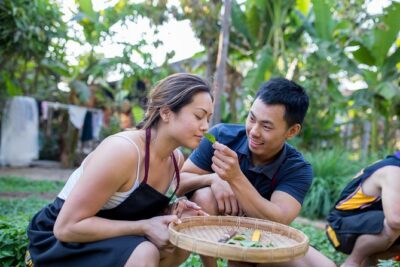
Khmer Cooking Class at a Local’s Home in Krong Siem Reap
Read our review →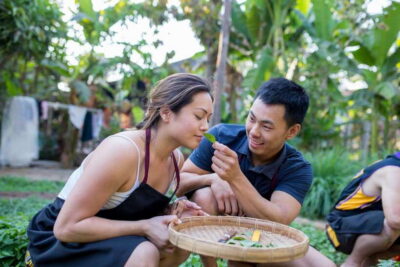
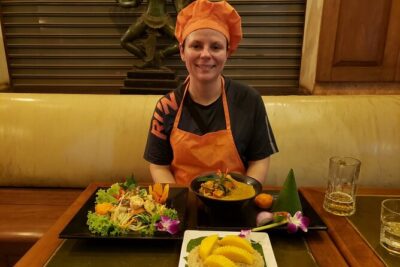
Award-Winning Cooking Class Experience with Professional Teacher
Read our review →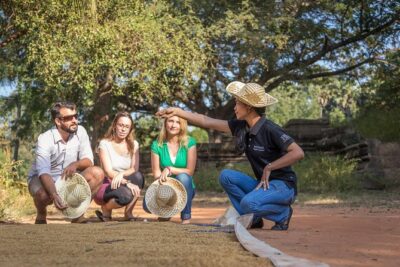
Browse the lists this tour appears in