
Reviewed · COOKING CLASSES
Cambodian Cooking Class from Siem Reap
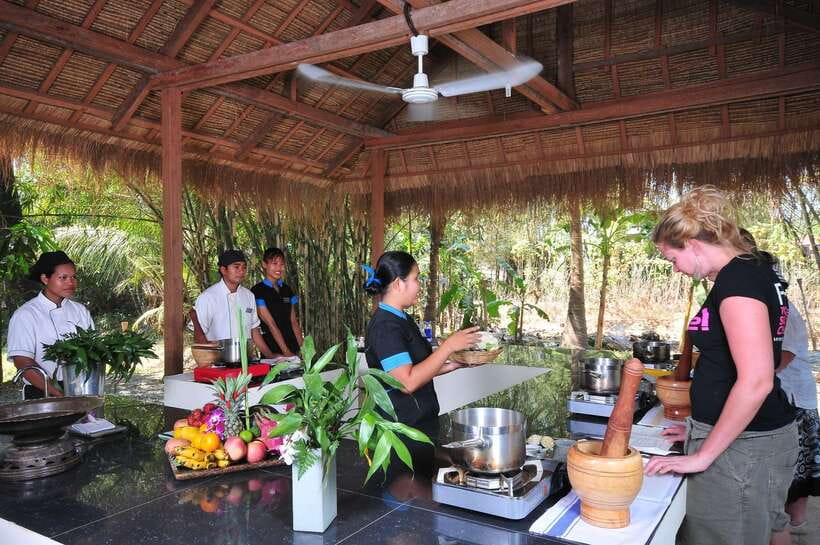
A ride by tuk tuk leads you away from Siem Reap’s busy center and into a rural village, where you learn Khmer cooking beside a pond. The class is fully hands-on: you chop, pound, mix, cook, and then eat the meal you made. Fish amok is the star for many people, but the market visit and glimpse into village life give the experience more weight than a standard hotel cooking lesson.
I especially like the small six-person limit, which gives the chef time to help at every cooking station, and the calm outdoor setting, where lunch is served one dish at a time. The main thing to consider is the heat. The kitchen is covered, but it is still outdoors, so a hat, light clothing, and comfortable shoes will make the morning or afternoon easier.
Key points to know before booking
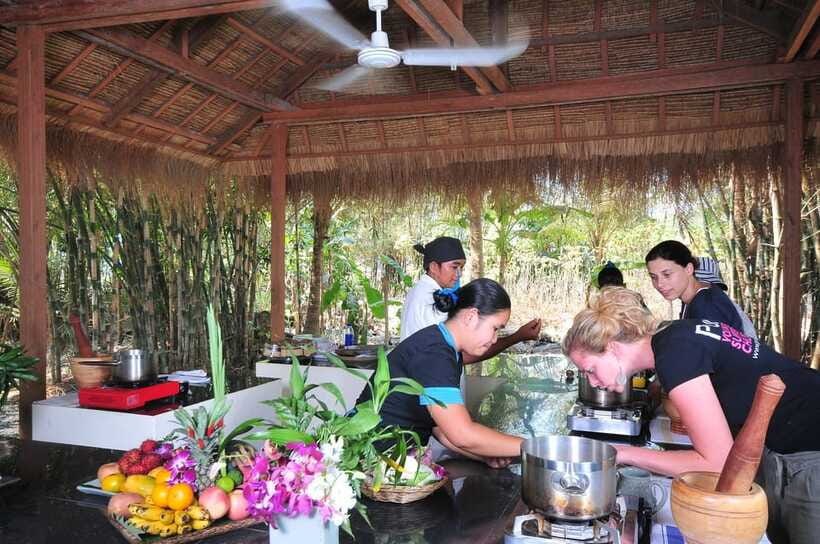
- A real cooking session, not a demonstration: You prepare each dish at your own station with your own equipment.
- A rural view of Cambodian food: Depending on the session, you may visit a local market, family home, vegetable garden, or nearby village homes.
- Small groups of up to six: Solo visitors may receive nearly private instruction if no one else books the same time.
- Fish amok and curry are the stars: The recipes use fragrant spices, but Khmer food is generally milder than Thai or some neighboring cuisines.
- Your meal is included: You eat what you cook, with a complimentary beer, soft drink, or bottled water.
- Useful for cooking at home: A recipe book and advice on ingredient substitutes help you repeat the dishes after Cambodia.
Leaving Siem Reap by tuk tuk
The experience begins with pickup from your hotel in Siem Reap and a tuk-tuk ride to the cooking venue. The drive takes you beyond the city, with the rural setting forming an important part of the day. You are not simply being delivered to a kitchen. You are getting a short look at the countryside around Siem Reap first.
The return trip goes to the centrally located Beyond office rather than necessarily back to your hotel. That is worth noting when planning the rest of your day. If you have a temple visit or a booked transfer soon after class, leave some spare time.
The tuk tuk ride is also practical in Cambodia’s heat. You get open-air views and a local form of transport, though dust, sun, and warm weather are part of the deal. Bring water, even though bottled water is supplied during the class.
A few more Siem Reap trips to weigh up
- Khmer Cooking Class at a Local’s Home in Krong Siem Reap
★ 5.0 · 2,731 reviews - Siem Reap: Khmer Cooking Class at a Local’s Home
★ 5.0 · 1,108 reviews - Award-Winning Cooking Class Experience with Professional Teacher
★ 5.0 · 745 reviews
A market visit and the ingredients behind Khmer food
Several recent class schedules have included a stop at a local market before cooking. Here, your guide introduces the produce and spices used in the recipes, and you can smell the leaves, herbs, and other ingredients before they reach your cooking station.
This is one of the most useful parts of the experience. A recipe can tell you to add lemongrass or curry paste, but a market visit helps you recognize what those ingredients look and smell like. Guides such as Sophia Lauren have been praised for taking time with the produce, explaining unfamiliar items, and helping you understand what can be replaced when you return home.
You may also get to try local fruit or small market snacks. This is not a long food tour, so do not expect hours of shopping or a full market meal. It is a focused introduction to the ingredients you will use later.
The market can be hot and crowded, and some people may find the smells or uneven walking surfaces tiring. Wear secure footwear and bring a hat. If you feel unwell, tell your guide. The staff have adjusted the pace for participants who needed a short break.
Meeting a Khmer family in the village
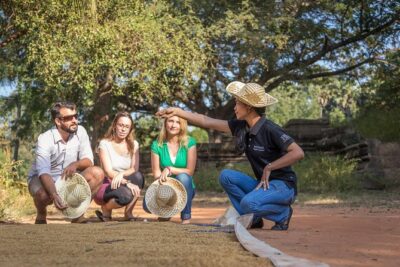
The village portion gives the class its cultural side. You walk through the area and learn how herbs and vegetables are grown around Khmer homes. The visit can include a local family’s house, kitchen, and garden, where you see how food preparation works in a Cambodian home.
This is a modest, direct encounter rather than a staged cultural performance. You are shown everyday cooking spaces and the plants used in daily meals. It helps explain why Cambodian cooking depends so much on fresh herbs, aromatic roots, coconut, fish, and locally grown vegetables.
Treat this part with respect. You are entering a working home, not a museum. Listen to your guide, ask before taking photographs, and remember that the value comes from the exchange, not from treating the family’s home as a backdrop.
The exact order can vary. Some descriptions place the village and family visit before the class, while recent schedules have included the market first. The useful point is that the cooking is connected to the local setting, ingredients, and people rather than separated from them.
Cooking beside the pond
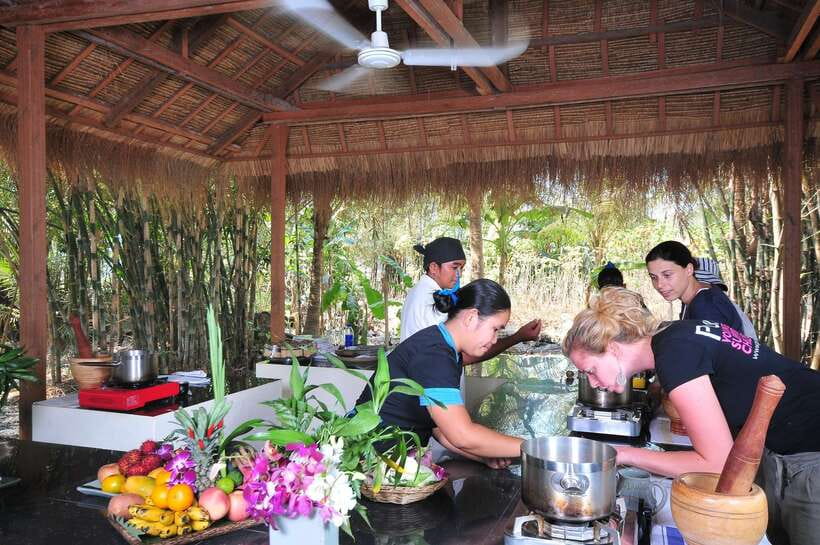
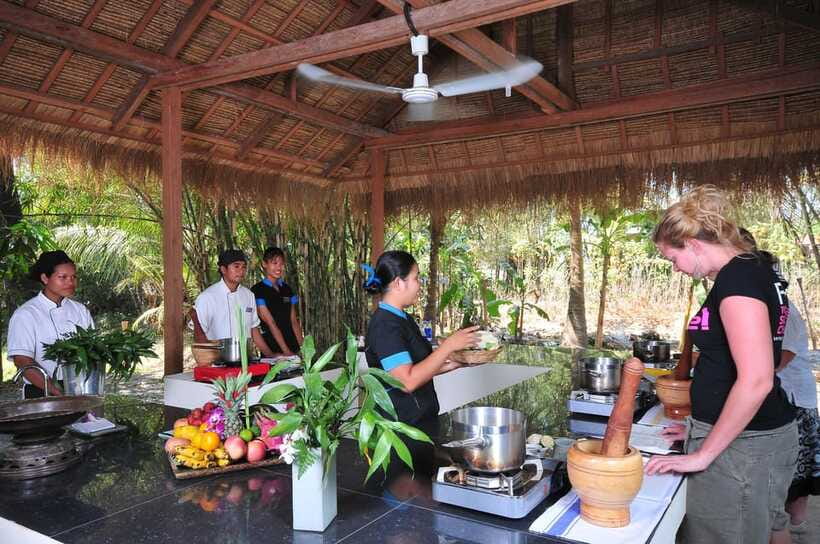
After the village or market visit, you head to an open-sided pavilion near a pond. The setting is peaceful, with the cooking stations arranged under cover. Some previous classes have had a small pond in front of the pavilion, with turtles visible in the water, though you should not assume wildlife will appear on every visit.
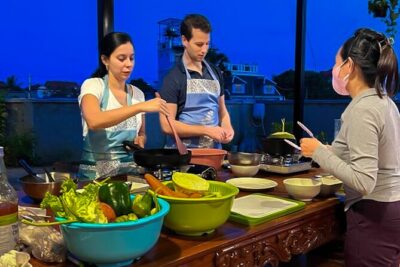
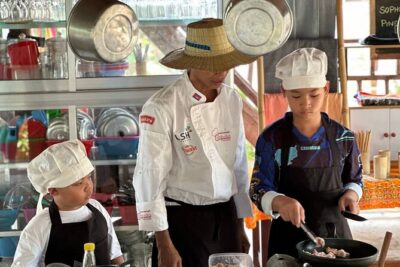
Each person receives a cooking station and equipment. The chef guides you through the preparation step by step, and you cook your own portion rather than watching one person prepare everything for the group. That makes the class suitable for beginners. You do not need previous cooking skills.
Chef Prey, also referred to in some accounts as Prayer, has led classes with patient instruction, while guides including Sophia, Sofia, and Sopheap have helped explain the ingredients and kept the session moving. Staff names and assignments can change, but the format remains the same: an English-speaking guide and chef work with the group.
The pace is relaxed. You may pound ingredients with a mortar and pestle, prepare curry paste, chop herbs, form fish mixtures, or work with coconut and palm sugar. The class is not designed to turn you into a professional chef in three and a half hours. It is designed to show you the key techniques and flavor combinations well enough to try them at home.
The open-air kitchen has a clear advantage: you cook in the same warm setting that suits these ingredients. The tradeoff is that heat can build under the roof, especially in the afternoon. If you dislike warm outdoor cooking, the morning class may be the better choice.
Same country, a completely different kind of day:
- Angkor Wat Sunrise or Sunset Tour with Guide from Siem Reap
★ 5.0 · 12,109 reviews - Siem Reap: Angkor Wat: Small-Group Sunrise or Sunset Tour
★ 5.0 · 9,444 reviews - From Siem Reap: Kampong Phluk Floating Village Tour by Boat
★ 4.9 · 6,979 reviews - Sunset tour of Kampong Phluk stilts home village on the Tonle Sap
★ 5.0 · 4,865 reviews
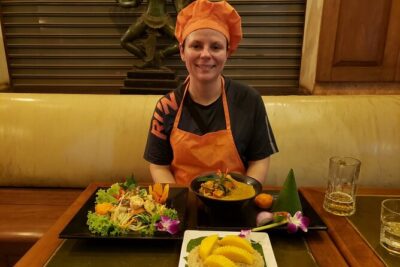
Morning menu: mango salad, fish amok, and sweet sticky rice
The morning menu centers on three recognizable Cambodian dishes.
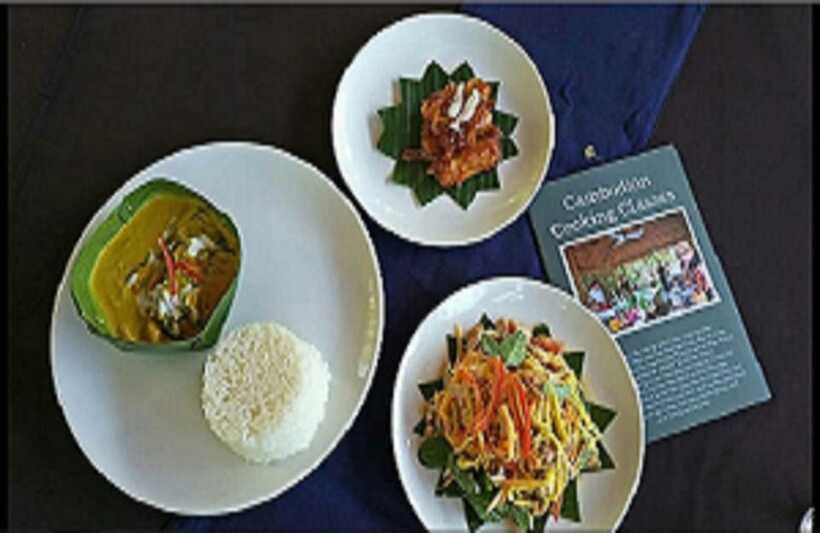
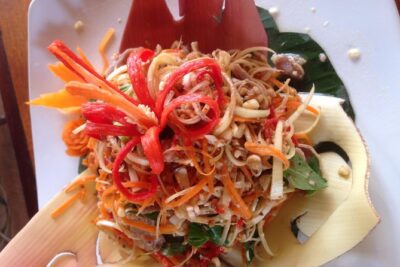
Cambodian mango salad
This fresh salad uses crisp, light ingredients and tropical flavor. It is a good first dish because it introduces the balance of sour, sweet, salty, and aromatic elements without requiring a long cooking time.
You get to see how fresh produce carries much of the dish. That is useful at home, where the quality and ripeness of the mango will affect the result. The salad also provides a bright contrast to the richer curry that follows.
Fish amok
Fish amok is one of Cambodia’s best-known dishes, and this class gives you the chance to prepare it from the start. The curry is smooth and fragrant rather than aggressively hot. It can be made with fish, chicken, or tofu, depending on the menu and your dietary needs.
A memorable detail is that the amok may be cooked in a young coconut. That adds a pleasant presentation when your meal arrives, but the real lesson is the curry base. You learn how the spice mixture creates depth without relying on heavy chili heat.
If you want to recreate the dish at home, pay close attention to the advice about substitutes. Some Cambodian herbs and spices may be difficult to find outside Southeast Asia. The class supplies a recipe book and explains alternatives, which makes this more practical than a recipe copied without context.
Sticky rice balls with palm sugar and young coconut
The morning dessert combines sticky rice, palm sugar, and grated young coconut. It is simple, sweet, and filling, and it gives you a chance to work with Cambodian dessert ingredients rather than ending with a familiar Western sweet.
The menu makes a substantial meal. If you are prone to feeling full during cooking classes, eat lightly beforehand.
Afternoon menu: fish on sugar cane, Cambodian curry, and brandy snaps
The afternoon menu offers a different set of techniques and flavors.
Prahet Chien
This dish uses minced fish shaped around sugar cane. The cane adds aroma as the fish cooks and makes the finished dish easy to serve. It is a hands-on preparation, so you get a feel for texture and shaping rather than simply stirring a pot.
Cambodian curry
Cambodian curry is fragrant and layered, but it is usually less hot than Thai curry. That makes the class a good fit if you enjoy Southeast Asian food but are cautious about chili.
The focus is on building flavor with spices, herbs, and a well-made paste. You learn that Cambodian food is not bland simply because it is mild. The seasoning comes from balance and fragrance rather than a wall of heat.
Nom Tong Noun
This dessert is a Khmer version of a brandy snap, with a crisp, slightly sweet character. It provides a change from the coconut-heavy morning dessert and rounds out the afternoon menu neatly.
The morning and afternoon classes are not interchangeable. Check the menu before booking if fish amok is the dish you most want to learn.
Eating what you cook
Once the cooking is finished, you move to the pavilion and your dishes are served one by one. This small detail improves the meal because you can taste each item while it is fresh, compare the flavors, and talk through what you have made.
A beer, soft drink, or bottled water is included. The meal is also included because it is the food you prepare. Some portions can be generous, and takeaway containers have been available when people could not finish everything.
Lunch beside the pond is the quiet payoff of the class. You have spent the session working with the ingredients, so the meal feels more satisfying than food served to you at the start. It also gives you time to ask final questions about curry paste, substitutions, and cooking methods.
Do not expect restaurant-style service or a long, formal lunch. This is a relaxed outdoor meal in a cooking-school setting. The food is the point, and the setting adds to it.
What the 32 dollar price delivers
At $32 per person, this is good value for a three-and-a-half-hour activity. The price covers hotel pickup to the venue, tuk-tuk transport, an English-speaking guide and chef, the village or market component, the full class, your meal, a drink, and a recipe book.
The strongest value comes from the combination. A short restaurant cooking demonstration might cost less, but it would not give you the same hands-on practice or the rural visit. A private class can cost more, while this experience may feel close to private if you book alone or with one other person.
The recipe book adds lasting value. It includes the recipes used in class and may contain additional Cambodian dishes. More important, the staff explain how to replace ingredients that may not be available where you live. That turns the class from a pleasant holiday activity into something you can use later.
Personal expenses are not included. The supplied information does not list extra fees beyond that, but you should keep some money with you for anything you choose to buy independently.
Group size, age limits, and dietary needs
The maximum group size is six. That is small enough for the chef to watch each station and help with technique. It also keeps the class social without turning it into a crowded demonstration.
Children older than 12 can join the regular class. Private family classes can be arranged on request, so families with younger children should ask before booking rather than assume the standard session will suit them.
Dietary restrictions can be accommodated, as shown by previous participants who received suitable meals. Tell the operator before the class so the chef has time to plan. The menus include fish, but tofu, chicken, and other changes may be possible depending on the request.
This is best for people who want to cook, not just eat. You will handle ingredients, use cooking equipment, and follow instructions. It also suits couples, small groups of friends, solo visitors, and families with older children.
Practical tips for a smoother class
- Choose the morning session if you prefer cooler conditions, when available.
- Bring a hat for the village or market walk.
- Wear comfortable shoes that can handle a rural path.
- Tell the operator about dietary needs before the day.
- Check which menu is offered at your chosen time.
- Bring a little spare time after the class because the return is to the central Beyond office.
- Ask about ingredient substitutions while the chef is preparing the dish.
- Take notes if you want to repeat the curry paste at home.
The class is available in English, and the cancellation policy allows a full refund when you cancel at least 24 hours ahead. You can also reserve now and pay later, which is useful when your Siem Reap schedule is still changing.
Should you book this Siem Reap cooking class?
Book it if you want a small, practical food experience that also gets you outside the city. The market or village visit gives context, the chef lets you do the work, and the meal makes the three-and-a-half hours feel complete.
I would especially recommend it early in your Cambodia trip. Learning about fish amok, curry paste, herbs, and palm sugar gives you more confidence when ordering food later. The class is also a strong choice for anyone who prefers local contact and a quiet rural setting to a large group activity.
Skip it if you want a short, polished demonstration, dislike outdoor heat, or have no interest in cooking. For everyone else, $32 buys a generous half-day, a useful recipe book, a proper meal, and a closer look at the food culture around Siem Reap.
FAQ
How long does the Cambodian cooking class from Siem Reap last?
The experience lasts 3.5 hours, including transportation, the market or village visit, cooking, and the meal.
Is tuk-tuk transportation included?
Yes. Tuk-tuk pickup from your hotel to the cooking venue is included. The return goes to the centrally located Beyond office at the end of the tour.
What food is prepared in the morning class?
The morning menu includes Cambodian mango salad, fish amok, and sticky rice balls with palm sugar and grated young coconut.
What food is prepared in the afternoon class?
The afternoon menu includes Prahet Chien, minced fish on sugar cane, Cambodian curry, and Nom Tong Noun, a Khmer brandy snap.
Are drinks and lunch included?
Yes. You eat the dishes you prepare, and one complimentary beer, soft drink, or bottled water is included.
Can children join the class?
Children above 12 can join the regular cooking class. Private classes for families can be arranged on request.
Just added around Siem Reap
- Ultimate Sunrise to Angkor Wat, Angkor Thom and Bayon Temple★ 5.0 · 3 reviews
- Twilight Tastes of Siem Reap Include Dinner★ 5.0 · 13 reviews
- Trekking Tour at Phnom Kulen National Park from Siem Reap★ 5.0 · 3 reviews
- Full-Day Private Tour of Angkor Wat with Pick Up★ 5.0 · 12 reviews
- Private Day Trip to Angkor Temples with Expert Guide★ 5.0 · 4 reviews
- Waterfall & River of 1000 Siva Linga- Kulen Mountain Private Tour★ 5.0 · 3 reviews
- Professional Photo Shoot in Angkor Archaeological Park, Siem Reap★ 5.0 · 42 reviews
- Ultimate Siem Reap Food Tour by Tuk Tuk – 20 Tastings, 8 Stops★ 5.0 · 13 reviews
Cooking Classes, compared.
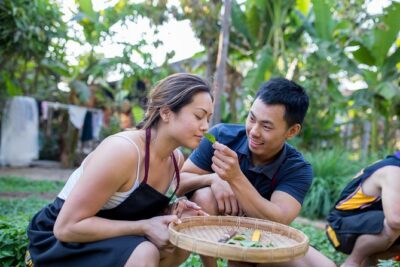
Khmer Cooking Class at a Local’s Home in Krong Siem Reap
Read our review →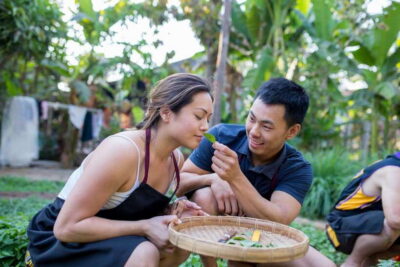
Award-Winning Cooking Class Experience with Professional Teacher
Read our review →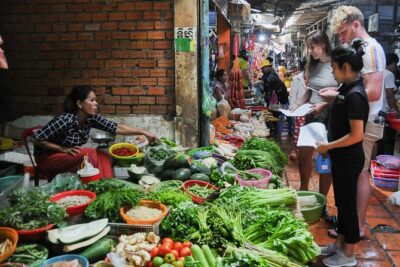
Browse the lists this tour appears in