

Reviewed · BAT CAVE TOURS
Handicraft tour/rice paper,/rice wine/bat cave Sun Set
Battambang’s best sights are scattered beyond town, and this tour links them in one long, dusty, often fascinating day. You move from rice paper and wine workshops to Khmer Rouge memorials, village food, Phnom Sampov, and millions of bats rising at sunset. It feels less like a polished sightseeing circuit and more like a window into daily life around Battambang.
I like the way the route puts local work at the center, especially the rice paper, sticky rice, dried banana, fish, and rice wine stops. I also like the flexibility: guides such as Vannak, Sam, Bao, and Sambath Liv have adjusted the pace, added countryside stops, or changed plans when needed. The catch is simple: the advertised $8 is only the starting price, since many tastings and entrance fees cost extra.
Key points to know before booking
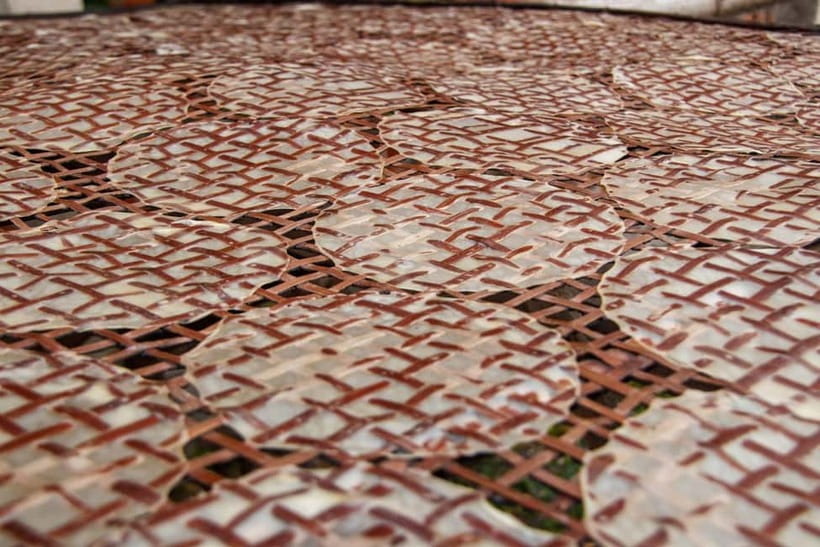
- Rice paper is made for spring rolls: You see the sheets prepared by hand, with a small tasting available for $1 per person.
- The route combines two very different sides of Battambang: village industry and food culture sit alongside Wat Samrong Khong and Phnom Sampov’s killing sites.
- The sunset bat flight is the day’s grand finish: You wait roughly 5 to 10 minutes for huge numbers of bats to stream from the cave.
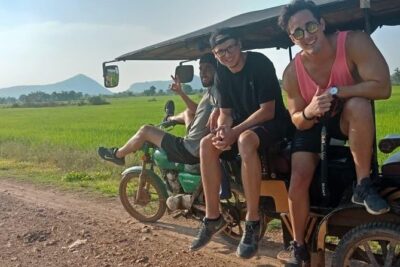
- A tuk-tuk makes the countryside accessible: Expect open-air travel through rice fields and villages, with dust, heat, and plenty of roadside activity.
- Extra costs matter: Bamboo train, cave, tastings, donations, and other visits can add a noticeable amount to the final bill.
- This is a full day, not a gentle half-day: A morning departure can end around 7 p.m., especially if you include every stop.
Why this Battambang route works
The strength of this outing is its range. In one day, you see how rice becomes paper, wine, sticky rice, and everyday food. You also visit places that explain Cambodia’s painful recent past, then finish with a natural spectacle above Phnom Sampov.
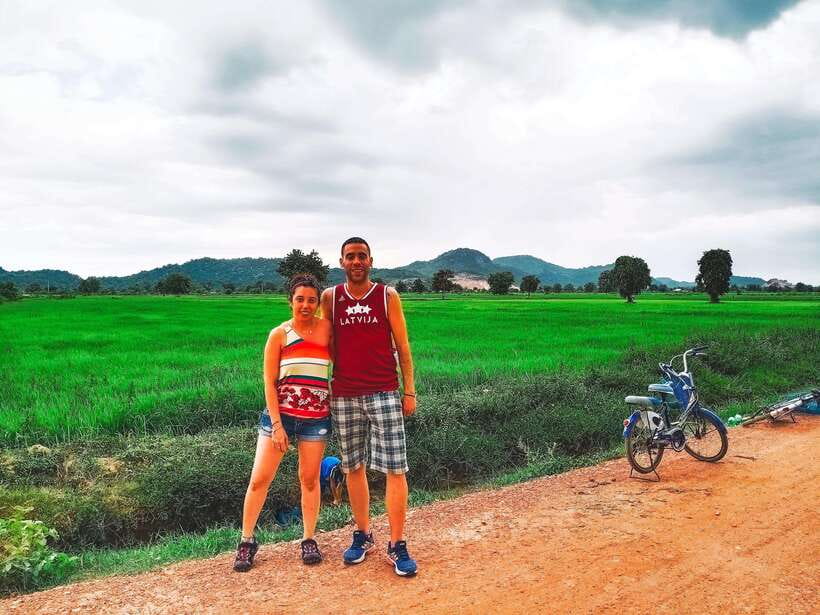
That mix gives you a better feel for Battambang than a short town tour. The province is known for farmland and old villages, and the tuk-tuk ride lets you see those places between the formal stops. You pass paddy fields, small settlements, roadside food sellers, and people working with rice and fish.
The day is also personal in scale. Pickup is available from hotels in the Battambang area, and the English-speaking guide travels with you by tuk-tuk. The guide’s quality matters here because many stops are demonstrations rather than major monuments. A clear explanation can turn a quick look at a drying rack or rice cooker into something worth remembering.
Guides named in the feedback include Vannak, Sam, Bao, and Sambath Liv. The individual guide you receive may differ, but the experience is clearly designed around a local driver-guide rather than a large coach. Some guides have answered detailed questions about culture, farming, history, and nature. One guide even returned the next day to help a visitor reach the bus station. That sort of flexibility is useful, but you should still confirm the day’s route and included fees before setting out.
More Bat Cave Tours in Battambang:
- Battambang: Tuk-Tuk, Bamboo Train, Killing/Bat Caves, Sunset
★ 4.9 · 1,436 reviews - Battambang Tuk Tuk tour: Bambootrain, Killing & Bat Caves,Sunset
★ 5.0 · 799 reviews - Afternoon tour by tuk tuk to bamboo train,bat cave,killing cave,countryside.
★ 5.0 · 344 reviews
Rice paper, sticky rice, and the work behind Cambodian food
The craft stops are the most distinctive part of the tour. At the rice paper factory, you see how thin sheets used for spring rolls are produced. This is not simply a photo stop. It shows the patience and repeated handwork behind a common Cambodian food.
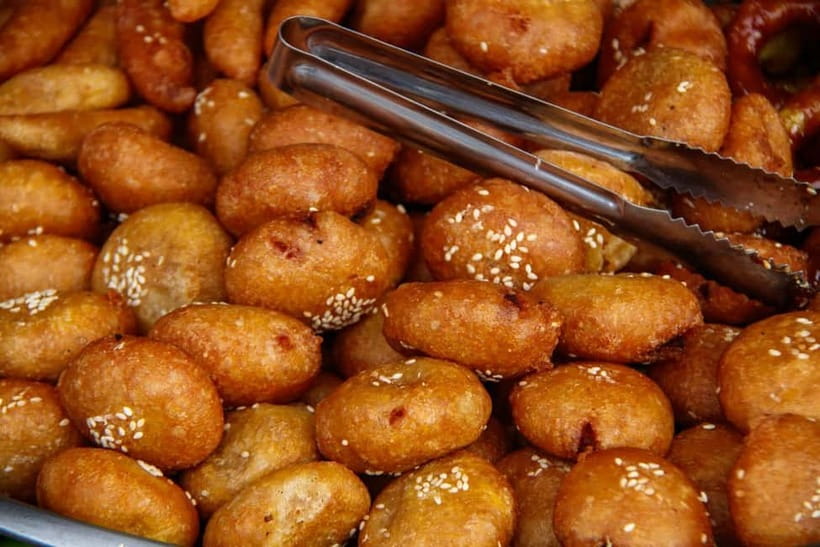
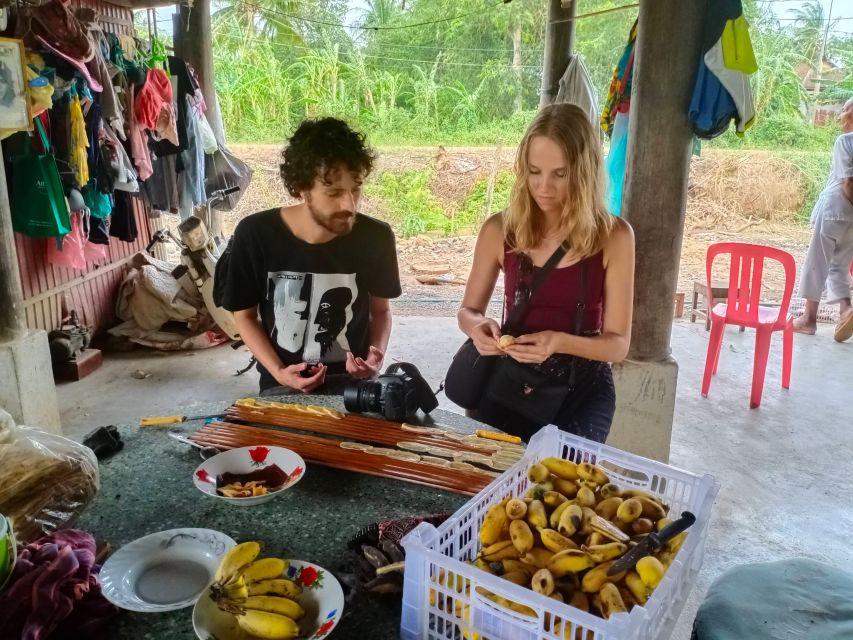
A small spring-roll taste costs $1 per person. The amount is modest, but it is worth carrying small cash because the day has several similar add-ons. You may also see dried bananas and other local produce, with a dried banana taste listed at $1 for everyone together.
The sticky rice stop gives you another look at rice as a finished food. Local people prepare bamboo sticky rice, an item closely tied to Cambodia’s rural food culture. The tasting is $1 all together. This is one of the places where the experience feels most direct: you are not only looking at finished products in a shop, but seeing how people prepare them.
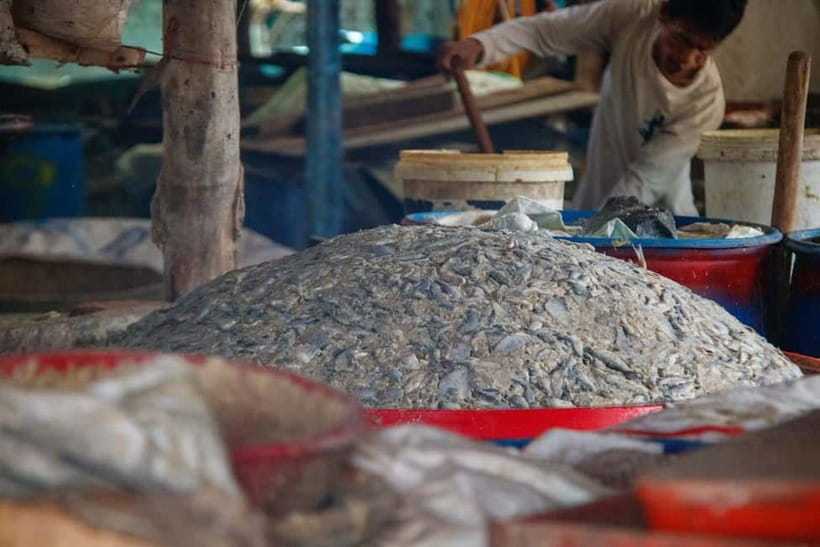
The route also includes demonstrations connected to Cambodian cheese, dried fish, and smoked fish. The exact order can change, and the guide may spend more time at some stops than others. That flexibility is useful if you have a particular interest in food production, but it also means the day may not follow a strict clock.
Rice wine tasting, markets, and roadside Cambodia
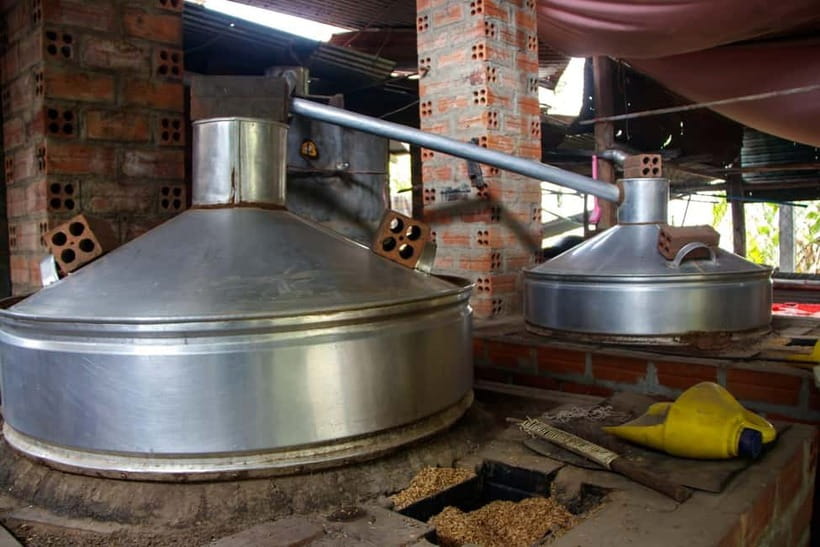
The rice wine factory adds another practical piece to the rice story. You can see how rice is turned into a local drink and sample it for an additional $1 per person. If you do not drink alcohol, the stop can still be interesting as a look at small-scale production, but the tasting itself is optional in practical terms.
The morning also includes a fresh market and a fish market. The fish market has no listed entrance charge. Along the roads, you may see vendors selling unusual foods such as insects, snakes, grasshoppers, crickets, barbecued mice, and bats. These sights are part of the local food scene, but you should treat them as observation rather than a required tasting.
One appealing feature is the guide’s use of roadside stops. A guide may stop at fruit stands and let you taste local fruit while explaining the agriculture around you. That makes the ride more than transport. It gives you small, unscripted moments that a fixed city itinerary cannot provide.
You may also stop to learn about rice seed and how rice is grown. This sounds basic, but it helps connect the morning’s many products. Rice is not just a field crop here. It becomes food, drink, paper, and income for local families.
Wat Samrong Khong and Cambodia’s painful past
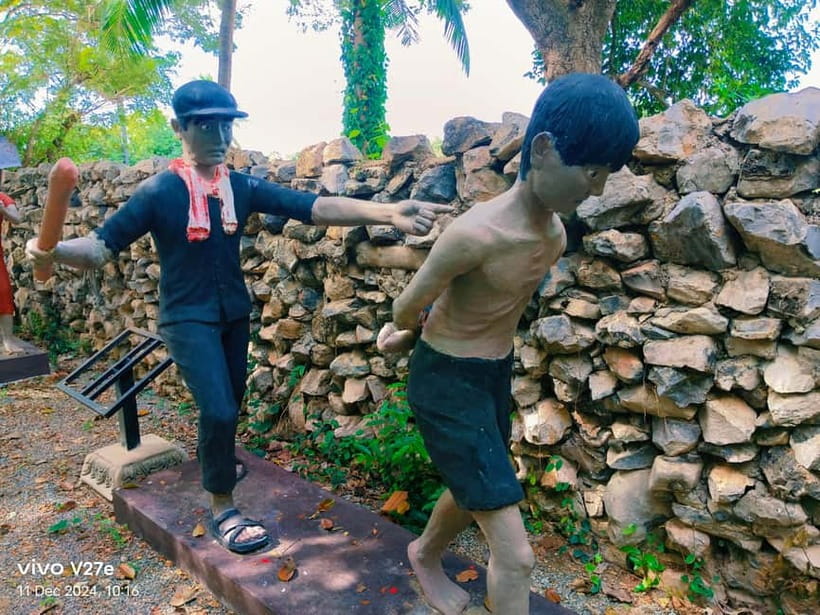
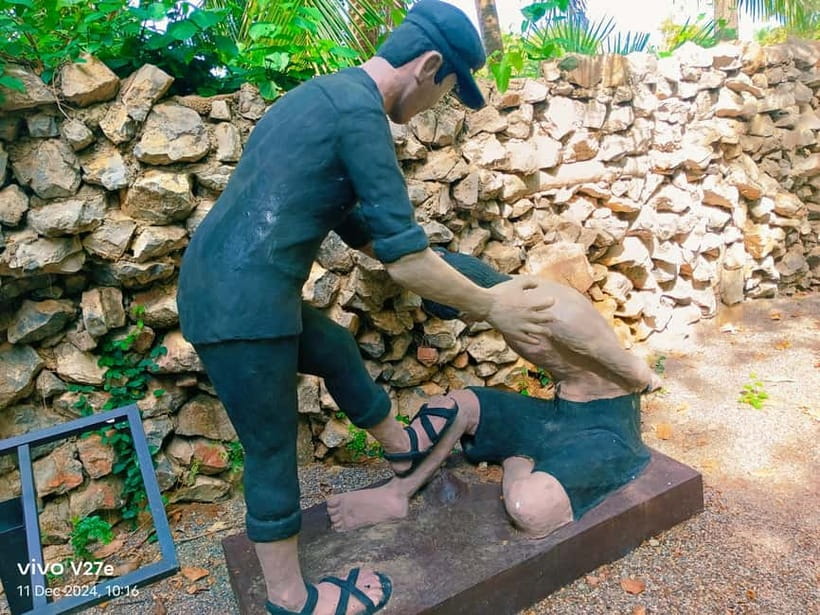
Wat Samrong Khong, sometimes called Wat Somrong Khnong, is visited as a Khmer Rouge killing field. Your guide explains the period of Pol Pot and the violence that affected Cambodia. This is a serious stop, and it deserves more than a hurried photograph.
The tour description promises historical explanation, but the quality of that explanation depends heavily on the guide. Some guides have given patient accounts of local history and answered questions carefully. One account found the talk too long and scattered, with unrelated discussion of other wars. That is useful advice: if the history becomes overloaded, ask your guide to focus on Battambang and the site in front of you.
The same issue can arise at Phnom Sampov later in the day. A good guide should walk with you or position himself where you can hear. Make sure you stay close enough for the explanation, especially near the caves and memorial areas. This is not a place where you want to miss the context.
The contrast between the food workshops and the killing sites can feel abrupt. That is also part of the truth of Cambodia. Ordinary village life continues around places marked by terrible events. I appreciate that this tour includes both, but you should be ready for an emotionally mixed day.
A few more Battambang trips to weigh up
- Morning Tour,Ak Phnom temple,Rice wine,Rice Paper, killing Field
★ 5.0 · 22 reviews - Rooftop Romantic Dinner – 4 Courses Set Meal & Wine
★ 3.5 · 5 reviews
Ek Phnom and the countryside ride
The route may continue to Ek Phnom temple, reached by roads through the countryside. The description allows for a brief stop, so do not assume you will have a long temple visit. The value here is partly the ride itself, with fields and villages opening around you.
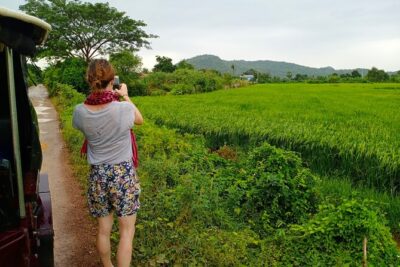
You also see Cambodian village life from the tuk-tuk. The vehicle is open to the air, so you have a clear view of farm work, roadside stalls, houses, and passing activity. You will also feel the weather directly. Bring water, sun protection, and cash, and expect some dust on rural roads.
The tour includes cold bottled water and local fruit tasting. Lunch is not included, and you can choose to eat in the countryside or in Battambang between roughly noon and 1 p.m. Ask your guide about the lunch plan early in the morning. A countryside meal may save time and keep the route moving, while returning to town may give you more choice.
The bamboo train and the changing route
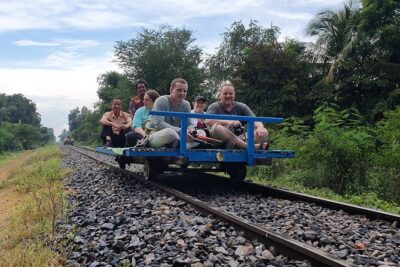
The bamboo train is one of Battambang’s familiar attractions, and this tour places it after lunch and the countryside stops. The train ride is not included in the $8 price. The listed cost is $5 for each person, described as a ticket or entrance fee.
The schedule is flexible. One visitor who could not take the bamboo train was offered a nature tour instead, with the guide respecting the requested timing. Another family appreciated being able to slow down because of a young child. This is a real advantage if you dislike rigid group schedules.
Still, flexibility works best when you know what you want. Tell the guide if the bamboo train is a priority, or if you would rather spend more time at food workshops, temples, or village roads. The route can cover a lot, and trying to do every stop may make the day feel rushed.
Phnom Sampov, the killing cave, and the hilltop view
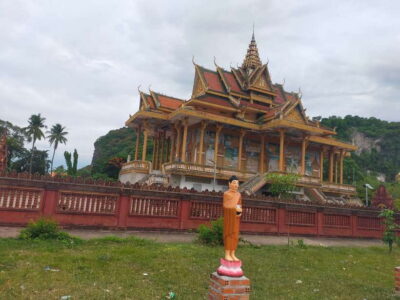
In the afternoon, the tuk-tuk heads toward Phnom Sampov. This is the most demanding part of the day physically. You can hike up or take a motorbike to the upper area, where you may see the killing cave, a large cannon, a gun, a monastery, stupas, and many monkeys.
The tour is not suitable for wheelchair users or people with mobility impairments, and the climbing note is worth taking seriously. It is also not recommended for people with heart problems or those over 70, according to the supplied restrictions. Bring practical footwear rather than treating this as a flat sightseeing stop.
The hilltop view is described as one of Battambang’s finest. From above, the countryside and rice fields give the day a wider shape. After seeing farms and villages close to the road, you can look across the province from a higher point.
The killing cave is another site connected with Khmer Rouge violence. Your guide shares the story of Pol Pot, the cave, and the mountain. As at Wat Samrong Khong, the explanation is valuable, but you should stay near the guide and ask for a clear, focused account if the setting becomes crowded or noisy.
Waiting for the bat cave at sunset
The final stop is the bat cave, where millions of bats emerge around sunset. The wait is usually about 5 to 10 minutes once you are in position, and sunset is listed at about 6:30 p.m. The return to your hotel is expected around 7 p.m.
This is the tour’s most memorable natural event because it is simple and unforced. You stand outside the cave and watch the stream of bats appear against the evening sky. One guide, Vannak, has taken visitors to a quieter viewing place with few or no other tourists. That kind of local judgment can make a major difference, although you should not assume every guide will use the same spot.
The bat cave is also a good reason to choose the full-day version. A shorter outing may not include the food workshops and rural stops that fill the morning. The long day takes effort, but the timing lets you finish with the sunset rather than rushing away in mid-afternoon.
What the $8 price really covers
At $8 per person, the starting price is strikingly low for hotel pickup, a tuk-tuk, a driver, a live English guide, bottled water, and local fruit. The value is strongest if you want transport and local interpretation without arranging separate rides to distant sites.
You need to budget beyond the headline price. Listed extras include:
- Bamboo train: $5 per person
- Rice wine entrance: $1 per person
- Rice paper tasting: $1 per person
- Dried banana tasting: $1 for everyone together
- Bamboo sticky rice tasting: $1 for everyone together
- Killing cave and bat cave ticket: $1 per person
- Donation at Wat Samrong Khong
- Lunch, which is not included
The wording around the bamboo train fee should be clarified before departure, since the description refers to a ticket or entrance fee. Add everything up with your guide at the start. One visitor felt that the separate charges increased the final cost by about a third. That does not make the tour poor value, but it does make the $8 figure less representative of a full day with every option included.
Bring Cambodian riel or small US dollar notes. Cash is specifically requested, and small payments at several stops are easier than trying to make change later.
Time, comfort, and who should book
The tour can run from 4 to 10 hours, depending on the selected option and route. The full schedule begins around 9 a.m. and can finish around 7 p.m. That is a lot of time in a tuk-tuk, with heat, road dust, climbing, and many explanations.
I would book it if you want a broad introduction to Battambang and prefer local production, countryside roads, and difficult history over a short list of polished attractions. Families may appreciate the flexible pace, provided everyone can manage the hill and the long day. Photography-minded visitors will find plenty to watch, from rice work to sunset bats.
I would hesitate if you want every admission and tasting included, a tightly timed professional presentation, or a gentle ride with little walking. The experience depends on the guide, and the amount of information can feel too heavy if the guide talks at length without focusing on the place.
The activity has a 4.6 rating from 10 reviews, with especially strong praise for friendly guides, clear English, flexibility, and the full-day variety. The most useful practical lesson is to set expectations early: confirm the route, ask what you will pay at each stop, and tell your guide which three or four parts matter most to you.
Should you book this Battambang tour?
Book it if you want to connect Battambang’s rural economy, food traditions, recent history, and natural sights in one day. The rice paper factory, rice wine tasting, bamboo sticky rice, and bat cave give the outing plenty of character, while the flexible tuk-tuk format lets you adapt the pace.
Skip it if the extra fees will annoy you or if you are uncomfortable with climbing and a long open-air ride. For the right person, this is a useful, full-bodied introduction to the province. Just treat $8 as the base fare, not the final cost.
FAQ
Where does the tour pick me up?
Pickup is available in the Battambang area, including hotel pickup depending on the selected option. You should be ready at least 15 minutes before the start time.
What time does the tour start?
Tours can start at 9:00 a.m., with the exact time depending on availability and the option you choose.
How long does the full tour last?
The activity is listed as lasting 4 to 10 hours. A full-day route can run from about 9:00 a.m. until 7:00 p.m., including the sunset bat cave visit.
Is lunch included?
No. Lunch is not included, but you can choose to eat in the countryside or in Battambang around noon to 1:00 p.m.
What additional fees should I expect?
Extra costs can include the bamboo train at $5 per person, the rice wine entrance at $1 per person, the rice paper tasting at $1 per person, the cave ticket at $1 per person, tastings for sticky rice and dried banana, a donation at Wat Samrong Khong, and lunch.
Is the tour suitable for people with mobility problems?
No. The tour is not suitable for wheelchair users or people with mobility impairments. It is also not recommended for people with heart problems or people over 70, and the Phnom Sampov section involves hiking or a motorbike ride up the mountain.
What language is the tour conducted in?
The live tour guide speaks English. An optional English audio guide is also listed.
Just added around Battambang
- Bamboo Train, Banann Temple, Fruit Bat, Bat Cave, Sunset★ 4.2 · 3 reviews
- Afternoon tour to Original Bamboo train. Bat cave. Killing cave★ 5.0 · 25 reviews
- Private Taxi Transfer Battambang from/to Phnom Penh★ 5.0 · 7 reviews
- Private Taxi Transfer From Battambang – Siem Reap City★ 5.0 · 4 reviews
- Afternoon Tour BambooTrain & Bat Cave★ 5.0 · 57 reviews
- Private Boat from Battambang to Siem Reap via Tonle Sap Lake★ 4.5 · 3 reviews
- Explore local livelihood & countryside (Half-Day Cycling Tour)★ 5.0 · 19 reviews
- Full/Half Day Tuk TuK: Handicrafts Bambootrain Killing&Bat Caves★ 5.0 · 14 reviews
Bat Cave Tours, compared.
Tuk-Tuk, Bamboo Train, Killing/Bat Caves, Sunset
Read our review →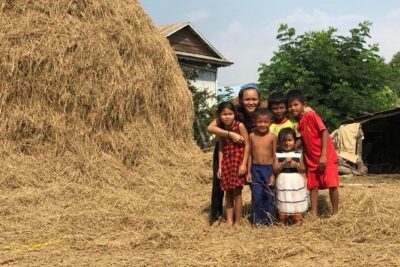
Afternoon tour by tuk tuk to bamboo train,bat cave,killing cave,countryside.
Read our review →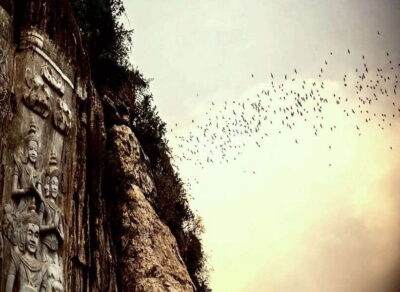
Battambang Full Day Tour from Siem Reap – Bamboo Train, Killing Cave & Sunset
Read our review →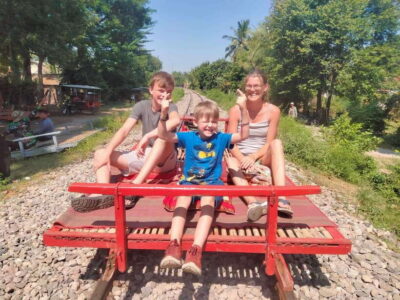
Afternoon Tour: Bamboo Train, Killing Cave &Bat Cave
Read our review →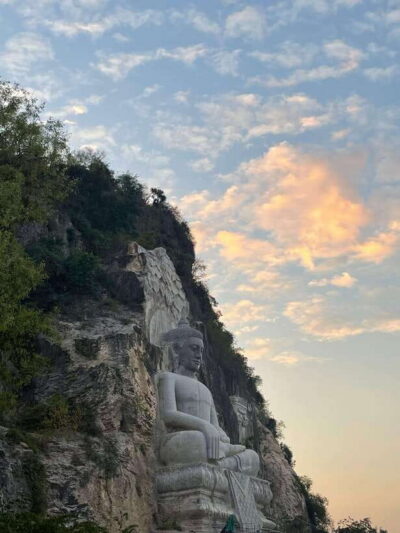
Full Day From Siem Reap – Bamboo Train, Killing Cave & Sunset
Read our review →Browse the lists this tour appears in