Reviewed · FARMS
Half-Day: Silk Farm, Senteur Angkor, and Satcha Workshop
The most fascinating part of this half-day outing is watching silk take shape from mulberry trees and silkworms into cloth. You see the whole chain, rather than only a finished scarf in a shop. I also like the chance to compare old Khmer techniques with newer designs at Satcha Handicraft Center.
I like the tour’s compact route, too. The stops are close to Siem Reap, hotel pickup is included, and $25 covers a private group of up to two people. The main drawback is that the schedule is full, and some craft shops can feel more sales-focused than others.
Key points at a glance
- Silk from leaf to loom: Follow mulberry cultivation, silkworm care, and weaving at Angkor Silk Farm.
- Six Satcha workshops: See Cambodian bamboo buildings and work involving wood, stone, leather, rattan, silk, cotton, lacquer, jewelry, and more.
- Sustainable local products: Senteurs d’Angkor presents Cambodian-made goods tied to local ingredients and craft traditions.
- A short, private outing: Hotel transport and a private group make this easy to fit around temple visits.
- Good souvenir time: The stops offer gifts and household goods, though prices vary and one workshop may feel costly.
- Practical limits: Expect walking, outdoor heat, and no food, drinks, smoking, or wheelchair access during the tour.
Why a craft tour adds something different to Siem Reap
Siem Reap is best known for Angkor Wat, but Cambodia’s artistic life does not stop at the temple walls. This tour gives you a look at the hands, tools, raw materials, and patient work behind the objects sold in local markets.
The experience lasts about four hours, including roughly 40 minutes of short van rides. That leaves about 50 minutes at each of four stops. You are not signing up for a full-day excursion with long road stretches. Instead, you get a focused introduction to Cambodian silk, bamboo, scent products, and handicrafts.
I would put this tour between a sightseeing trip and a shopping trip. You see demonstrations and working spaces, but you also have time to browse and buy. That mix suits you if you want souvenirs with a clearer sense of where they came from.
The advertised tour language is English, with an English-speaking driver. French explanations have been available on at least some visits, but you should not assume French guiding is guaranteed. The tour is private, which gives your group more freedom than a large shared bus, though the fixed four-stop schedule still keeps the morning moving.
A few more Siem Reap trips to weigh up
- Siem Reap Lotus Silk Farm Discovery tour & Lake experience
★ 4.7 · 291 reviews - Siem Reap: Khmer Village and Fish Farm ATV Tour
★ 4.9 · 266 reviews - Siem Reap: Lotus Silk Farm- Tour, Lake & Masterclass
★ 4.9 · 77 reviews
Angkor Silk Farm: following silk from mulberry leaf to fabric
The silk farm is the strongest part of the outing for anyone curious about how textiles are made. The process begins with mulberry trees, whose leaves feed the silkworms. From there, you learn about the silkworm life cycle before seeing how the material moves toward thread and woven fabric.
This order matters. A finished silk garment can look simple and polished, but the farm shows the many stages behind it. You can connect the leaf, the insect, the thread, and the loom in one visit. That makes the stop useful for children and adults alike, especially if you have bought Cambodian silk before and want to understand what you are taking home.
Expect a guided visit of about 50 minutes, with walking, photographs, and time to browse at the arts and crafts market. The grounds include outdoor areas, so a hat, sunscreen, and comfortable shoes are sensible. The supplied tour details do not promise a hands-on silk-making class, so think of this as a guided look at the process rather than a chance to produce your own scarf.
The silk farm has earned the most consistent praise for being informative. That is where I would pay closest attention and ask questions. If your time is limited, this stop gives you the clearest explanation of traditional production.
The shopping element comes after the learning. You may find silk garments, fabric, and gifts, but the tour does not list set prices or a required purchase. Take your time comparing items, and remember that an attractive piece is not automatically a bargain simply because it is sold at a craft center.
Satcha Handicraft Center: six workshops under Cambodian bamboo
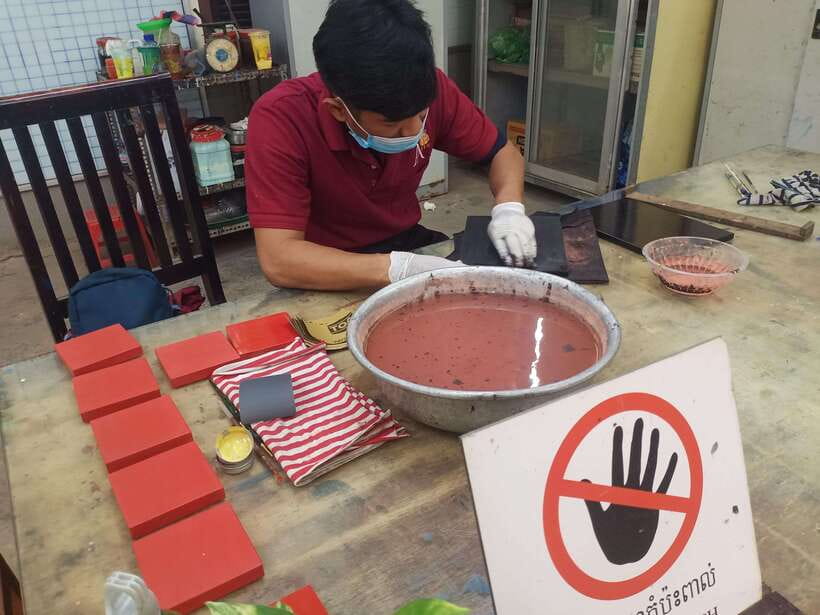
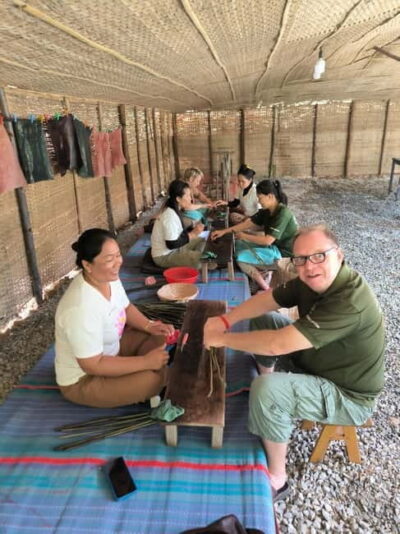
Satcha is not just one workshop. The center has six workshops built with Cambodian bamboo from Kampong Cham, and it brings together more than 50 artisans working in 15 types of craft.
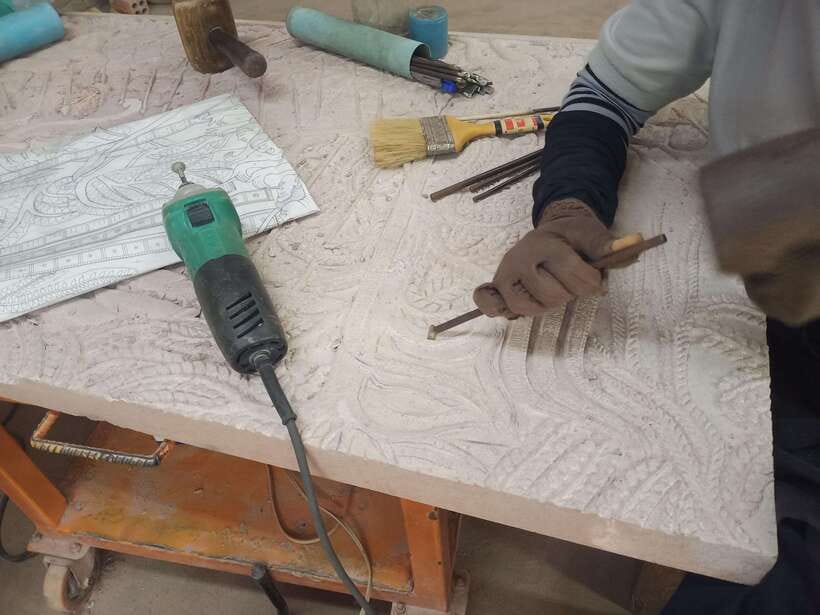
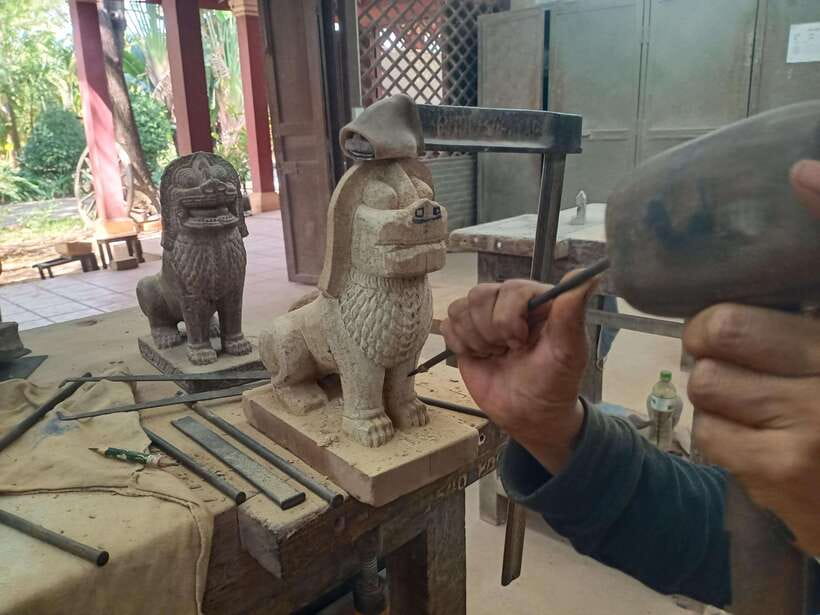
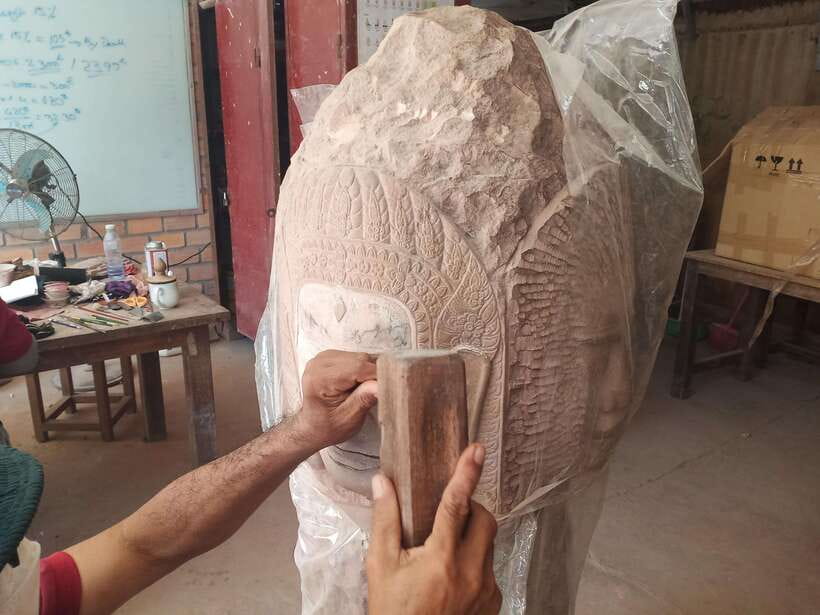
That range makes this stop different from the silk farm. You might see work connected to carving, stone, wood, bamboo, leather, weaving, rattan, seagrass, water hyacinth, silk, cotton, painting, lacquer, jewelry, and silver plating. The exact demonstration can depend on the day, but the center is designed to show both traditional skills and newer designs based on Khmer ornaments.
The bamboo buildings are part of the appeal. They give the center a distinct setting while keeping the focus on local materials and making. You are not simply walking through a retail room filled with finished products. The point is to see how Cambodian craft knowledge is being used in present-day design.
Plan for about 50 minutes here. That is enough to look around several work areas and browse, but not enough to study every craft in detail. If a particular material interests you, ask the driver or staff where to spend your time rather than trying to give every display equal attention.
Satcha can also be the most expensive shopping stop. One experience found the first workshop excellent for its broad selection and good prices, while a second workshop was interesting but costly. That is useful advice: enjoy the demonstrations, but compare prices and buy only what fits your budget.
The center is a good place for gifts that feel less generic than mass-produced souvenirs. Still, the tour does not guarantee a particular product or artisan will be working when you arrive. Craft production is not a stage show, and the appeal lies partly in seeing real workspaces at their own pace.
Senteurs d’Angkor: Cambodian products with a local focus
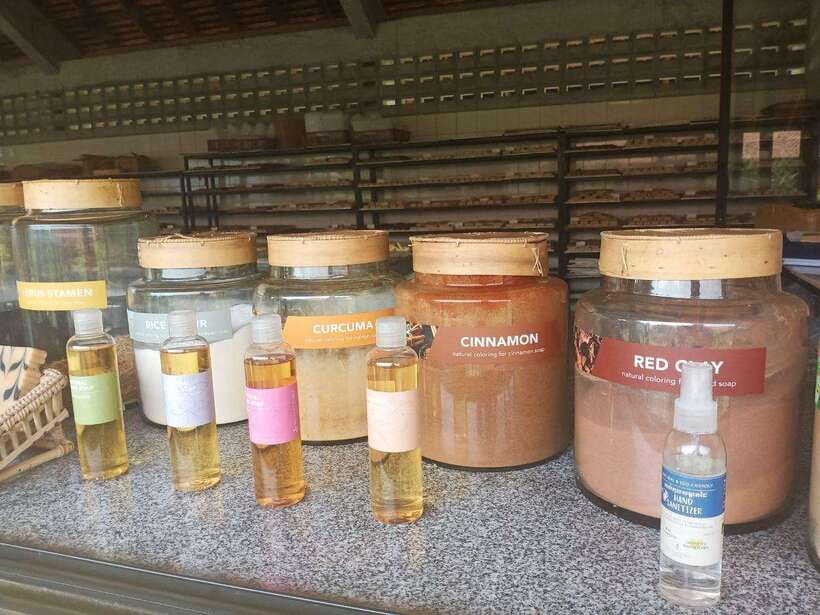
Senteurs d’Angkor is presented as a hub for sustainable Cambodian treasures. Here, the focus shifts from large craft objects and textiles to artisanal products connected with Cambodian ingredients, scents, and everyday use.
The stop gives the tour a different rhythm. After the silk farm’s natural process and Satcha’s many craft disciplines, Senteurs d’Angkor centers on prepared products and presentation. You can learn how local materials are turned into items suitable for home use or gifts, then browse the selection.
This is a particularly practical stop if you want small presents that fit in your luggage. It also gives you a chance to support local production without buying a large carving or a fragile piece of furniture. The tour information does not specify every product made or sold there, so do not arrive expecting one particular item.
Allow around 50 minutes. That includes a visit, sightseeing, and shopping. The setting has been described as well cared for, with attractive gardens adding to the experience. Take photographs outdoors, but remember that food and drinks are not allowed during the tour.
Senteurs d’Angkor may appeal most to you if you care about the link between a product and its source. The sustainable focus is part of the reason to visit, though you should still ask staff about materials and production if that matters to your purchase.
Same country, a completely different kind of day:
- Angkor Wat Sunrise or Sunset Tour with Guide from Siem Reap
★ 5.0 · 12,109 reviews - Siem Reap: Angkor Wat: Small-Group Sunrise or Sunset Tour
★ 5.0 · 9,444 reviews - From Siem Reap: Kampong Phluk Floating Village Tour by Boat
★ 4.9 · 6,979 reviews - Sunset tour of Kampong Phluk stilts home village on the Tonle Sap
★ 5.0 · 4,865 reviews
Artisan d’Angkor: finishing the craft circuit
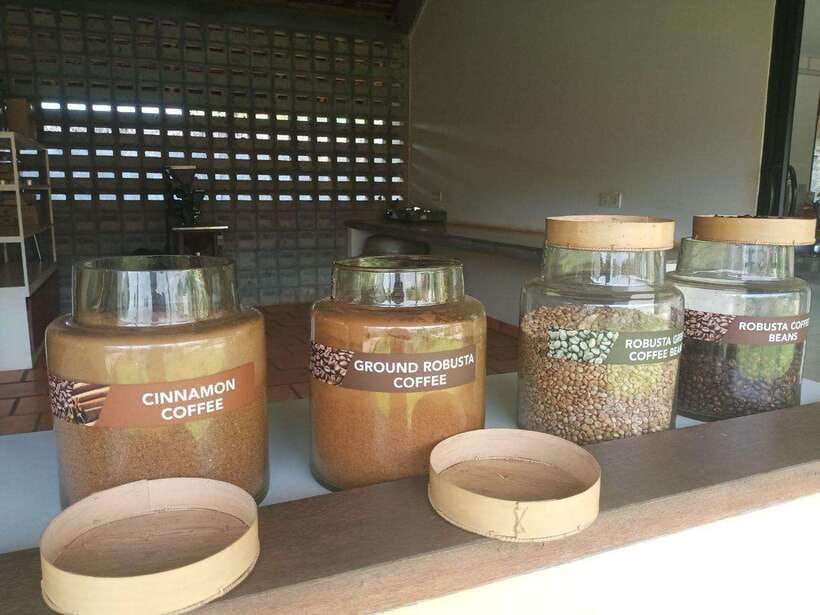
The final stop is Artisan d’Angkor, where you can see local handicrafts being made. It brings the tour back to the broader subject of Cambodian artisan work after the more specific focus on silk, bamboo, and scented goods.
The visit includes a guided look, photographs, walking, a workshop element, and time to shop. As at the other stops, the schedule allows about 50 minutes. That is enough for a clear introduction, but you should not expect a long apprenticeship in one technique.
This stop works well at the end because you have already seen several production methods. You can compare what you learned at the silk farm and Satcha with the objects made here. Pay attention to the difference between seeing an item being produced and seeing it displayed for sale. The former helps you judge the labor involved; the latter helps you decide if the price makes sense for you.
The phrase local handicrafts covers a wide area, and the details supplied for this tour do not list the exact craft being demonstrated on each departure. That means the stop may be more valuable to you as a general look at Cambodian making than as a guaranteed chance to see one specific technique.
If you are shopping, this is another place to set a budget before you enter. You can enjoy the work without feeling obliged to buy. A good souvenir is one you will use or display, not simply one that fills an empty space in your suitcase.
Transport, timing, and the private-group advantage
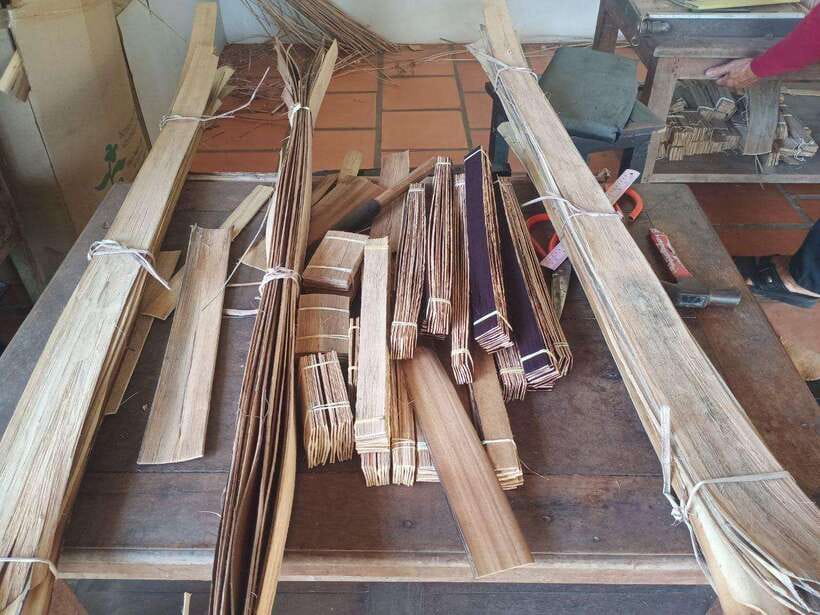
The tour starts with pickup in Krong Siem Reap and returns you to your hotel. The first van ride is about 15 minutes, the second is about 15 minutes, and the last two transfers are about five minutes each. The route is therefore fairly efficient, with no long transfer eating up the morning.
A private group of up to two people is a strong part of the value. At $25 per group, rather than $25 per person, the cost is especially attractive for two people traveling together. You get hotel pickup and drop-off, four craft-focused stops, and an English-speaking driver without arranging several separate tuk-tuk or car rides.
The price does not include meals or personal spending. Since the tour lasts four hours and does not permit food or drinks during the activity, eat before pickup and carry only what the operator allows. You will have shopping opportunities, so leave room in your budget for purchases.
The schedule lists four stops of about 50 minutes each. That structure is helpful if you like a clear plan, but it may feel brisk if you want long conversations with artisans. I would book this in a morning or afternoon when you are happy with an overview, not when you want to spend half a day at one weaving station.
What to bring and what to expect on foot
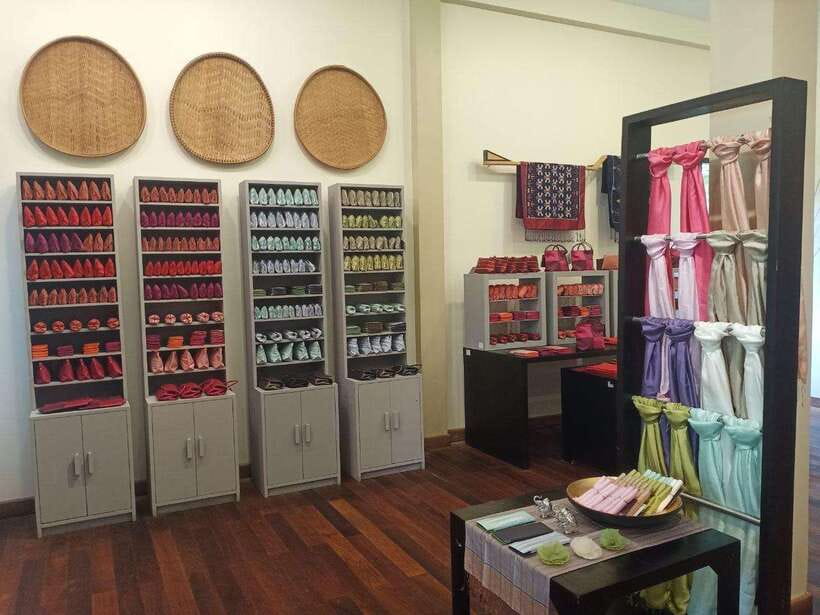
Wear comfortable walking shoes. The tour includes walking at craft centers and outdoor areas, and you may spend time moving between workshops rather than sitting in one place.
Bring a hat, sunscreen, and a camera. The silk farm, Satcha’s bamboo buildings, and the landscaped areas at Senteurs d’Angkor offer the most obvious photo opportunities. Ask before photographing close-up work or staff.
Smoking is not allowed, and you cannot consume food or drinks during the tour. The experience is not suitable for wheelchair users, so this is important to consider before booking. The supplied details do not describe the surfaces or amount of shade at each stop, so anyone with mobility concerns should ask the provider for current conditions.
Free cancellation is available up to 24 hours before the tour for a full refund, and you can reserve now and pay later. Those terms are helpful if your Siem Reap plans are still shifting, though you should check the available starting times before choosing a date.
Who will get the most from this four-hour outing
I would recommend this tour to you if you want more than temple photographs and market browsing. It suits people who enjoy seeing how objects are made, families looking for a lighter cultural activity, and shoppers who prefer local craft goods to anonymous souvenirs.
It is also a good fit between major sightseeing days. The four-hour length leaves room for other plans, and the short drives keep the outing from becoming tiring. The private format is useful for couples or two friends who want hotel transport without joining a large group.
You may want to skip it if your main aim is a hands-on class. The schedule includes workshop visits and class-style activities, but the information does not promise that you will personally weave silk, carve wood, or make a product. It is chiefly a guided production visit with shopping.
You should also think twice if you dislike commercial stops. Every location includes shopping, and one workshop may feel expensive. The best approach is to treat buying as optional and judge the tour by what you learn, not by how many bags you take home.
Is the $25 group price good value?
For two people, yes, the price is compelling. Hotel pickup, return transport, a private group, and four separate craft locations would be difficult to arrange for less once you factor in local transport. The stops also have free entry, which helps keep the total cost predictable.
For one person, the value is still reasonable if you care about craft production, but it is less of a bargain than sharing the fixed price with another person. You will still receive the same transport and visits, but the cost per person is higher.
The strongest value comes from the silk farm and Satcha, where the tour gives you context and variety. Senteurs d’Angkor and Artisan d’Angkor add useful shopping and production stops, but your interest in local products will decide how much you enjoy them.
Should you book this Siem Reap craft tour?
Book it if you want a short, well-organized look at Cambodian making, especially silk and bamboo work. The silk farm is the key reason to go, while Satcha adds the widest range of techniques. The private transport and $25 price for up to two people make the outing easy to fit into a Siem Reap visit.
Skip it if you want a slow, hands-on workshop, a meal, or a tour built around temples and scenery. Go with comfortable shoes, a camera, and a firm shopping budget, and you will get the most from the four-hour route.
FAQ
How long does the tour last?
The tour lasts four hours, including hotel pickup, transport between stops, visits, and return to your hotel in Siem Reap.
How much does the tour cost?
The price is $25 per private group of up to two people.
What places does the tour visit?
The tour visits Angkor Silk Farm, Satcha Handicraft Center, Senteurs d’Angkor, and Artisan d’Angkor.
Is hotel pickup and drop-off included?
Yes. Pickup and drop-off in Krong Siem Reap are included.
What language is available?
The advertised language is English, and the driver speaks English. French explanations have been available on some visits, but French is not listed as a guaranteed tour language.
Are meals included?
No. Meals and personal expenses are not included, and consuming food or drinks during the tour is not allowed.
Is the tour suitable for wheelchair users?
No. The activity is not suitable for wheelchair users. Comfortable walking shoes are recommended.
More Half-Day in Siem Reap
- Kompong Phluk Floating Village Half-Day Tour ( Morning / Sunset )
★ 5.0 · 1,494 reviews - Tonle Sap Lake & Kampong Phluk Village Half-Day Tour
★ 5.0 · 1,045 reviews - Siem Reap: Kompong Phluk Floating Village Half-Day Tour
★ 4.8 · 966 reviews - Angkor Sunrise Half-Day Tour with Private Vehicles & Tour Guide
★ 5.0 · 247 reviews
Just added around Siem Reap
- Ultimate Sunrise to Angkor Wat, Angkor Thom and Bayon Temple★ 5.0 · 3 reviews
- Twilight Tastes of Siem Reap Include Dinner★ 5.0 · 13 reviews
- Trekking Tour at Phnom Kulen National Park from Siem Reap★ 5.0 · 3 reviews
- Full-Day Private Tour of Angkor Wat with Pick Up★ 5.0 · 12 reviews
- Private Day Trip to Angkor Temples with Expert Guide★ 5.0 · 4 reviews
- Waterfall & River of 1000 Siva Linga- Kulen Mountain Private Tour★ 5.0 · 3 reviews
- Professional Photo Shoot in Angkor Archaeological Park, Siem Reap★ 5.0 · 42 reviews
- Ultimate Siem Reap Food Tour by Tuk Tuk – 20 Tastings, 8 Stops★ 5.0 · 13 reviews
Farms, compared.
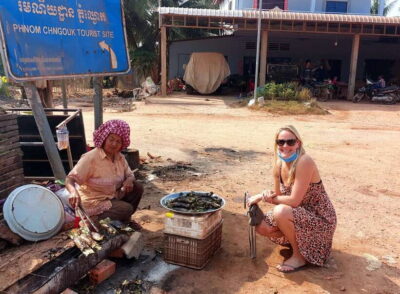
Pepper Farm Tours, Salt, Lake & Phnom Chhngok Temple
Read our review →
Siem Reap Lotus Silk Farm Discovery tour & Lake experience
Read our review →
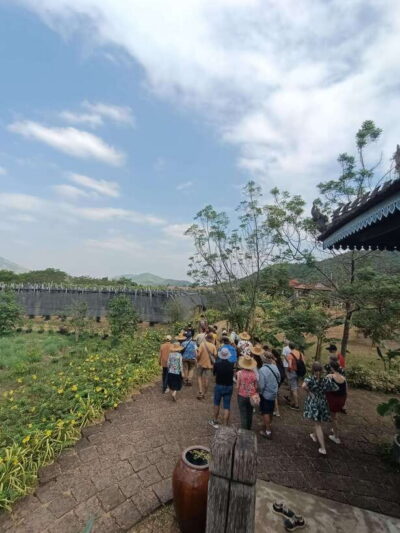
Full-day Countryside Tour with Pepper Farm and Kep
Read our review →
Tuk Tuk Trip to Pepper Farm, Kep, Crab Market & More
Read our review →
Kampot Countryside include Pepper farm, Salt field & Lake
Read our review →
KAMPOT TRAVEL-Pepper farm. Cave.Secret lake-Crab market & Salt…
Read our review →