
Reviewed · BAMBOO TRAIN TOURS
Bamboo train. Phnom Sampove cave. Bat cave and Banan Temple
Battambang’s best day out is not confined to one monument. You move from the playful bamboo train to rice fields, farms, old village life, hilltop caves, and the remarkable evening flight of bats from Phnom Sampov. It gives you a much better sense of the countryside around Cambodia’s second-largest city than a quick temple visit can.
I like the way the day combines major sights with ordinary local scenes, including vegetable farms, fruit farms, fishing areas, and Watko Village’s ancient house. I also like the timing: you reach the bat cave with enough time to see the bats leave at sunset. The drawback is the long nine-hour schedule, and the extra $5 bamboo train fee is not included in the $24 price.
Key points at a glance
- The bamboo train begins the day with a little local theater: pay $5 extra for the ride and expect a simple, memorable Battambang experience.
- Rich brings more than site facts: he can explain local fruit, farming, village life, and Cambodian history in English.
- The route includes real countryside: rice fields, plantations, a fishing village, a suspension bridge, and Watko Village.
- Phnom Sampov packs in several sights: killing caves, natural caves, monkeys, large old guns, hilltop views, and the bat cave.
- The sunset timing matters: the tour is arranged to reach the bat cave in time for the bats to stream out.
- The small group keeps the day manageable: numbers are limited to five people, with hotel pickup and return in Battambang.
Why this Battambang day trip works so well
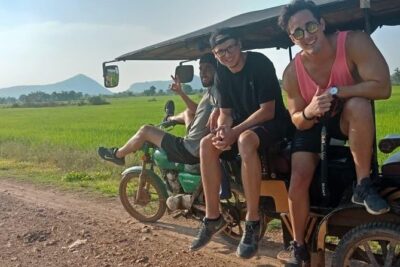
Battambang is a relaxed base, even though it is Cambodia’s second-largest city. The streets and surrounding countryside feel slower than the country’s major tourist centers, and this tour uses that calm setting well. Instead of racing between famous points, you spend much of the day moving through villages and farmland by tuk-tuk.
Rich has worked as a Battambang guide for more than ten years. That matters here because the route is not only about entering a cave or taking a temple photo. The useful part is the explanation between stops: what grows in the area, how people use the countryside, and how the sights connect to Cambodian history.
You may be guided by Rich, while another English-speaking guide named Fie is also associated with this experience. Either way, confirm your guide’s name when booking if that matters to you. English is the tour language.
The tour runs from about 9:30 in the morning until 6:30 in the evening. That is a full day, but the schedule has a clear shape. The morning is spent around the countryside and bamboo train, the afternoon brings temples and Phnom Sampov, and the day finishes with the bat flight.
More Bamboo Train Tours in Battambang
- Battambang: Tuk-Tuk, Bamboo Train, Killing/Bat Caves, Sunset
★ 4.9 · 1,436 reviews - Afternoon tour by tuk tuk to bamboo train,bat cave,killing cave,countryside.
★ 5.0 · 344 reviews - Battambang: Bamboo Train, Bat Cave, Killing Cave by Tuk Tuk
★ 5.0 · 182 reviews
The $24 price and what it really covers
At $24 per person, this is a solid-value outing if you want several Battambang sights in one day. The price includes hotel pickup and drop-off in Krong Battambang, an English-speaking tuk-tuk driver, entrance fees to the listed sites, drinking water, and a cold towel.
The main extra cost is the bamboo train, priced at $5 per person. Food and drinks are also your responsibility. Since the tour lasts nine hours, bring enough cash for the train and anything you want to eat or drink during the day.
I see the value in the arrangement because hiring separate transport to reach the bamboo train, Banan Temple, village areas, and Phnom Sampov would take more planning. The tour also removes the need to organize a return ride after sunset, which is useful when the final stop is outside central Battambang.
The price is less attractive if you only want one attraction or prefer a short private outing. This is a broad route with many stops, so you are paying for coverage, local transport, and guiding rather than long, unhurried time at one monument.
The bamboo train: simple, noisy, and worth understanding
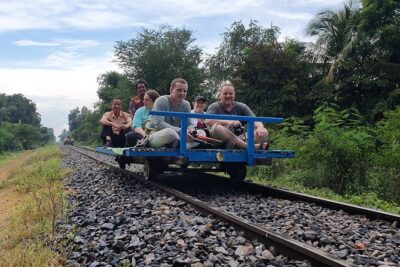
The bamboo train is the most instantly recognizable stop. You ride on a basic bamboo platform along the railway line, a lighthearted experience that has become closely linked with Battambang. The ride costs $5 extra, so include it in your budget before you set off.
The appeal is not luxury. It is the oddness of the setup and the chance to take part in a local attraction that feels very different from a standard museum or temple visit. The experience is short enough to fit the wider day without taking over the whole schedule.
You should keep your expectations sensible. This is not a polished theme-park ride, and the train fee is separate from the tour price. If the bamboo train is the main reason you are booking, ask how much riding time is planned. If you see it as one part of a larger day, the stop makes more sense.
Watko Village and the countryside between stops
The route continues through Watko Village, where you visit an ancient house. This stop gives the day some texture. Rather than looking only at major religious sites, you get a glimpse of older domestic architecture and village life.
The tuk-tuk route also passes vegetable farms, fruit farms, rice fields, and a fishing village. These scenes are valuable because they show how much of life around Battambang is tied to land and water. Rich can explain the fruit and farming methods, which helps turn a passing field into something you understand.
One of the strongest parts of the day is the pace through this area. You are not simply delivered to a monument, given a few minutes, and moved on. The route itself becomes part of the visit. You might stop to look at a crop, learn about local food, or watch daily work in the villages.
The tradeoff is that countryside stops can be less predictable than formal attractions. Their appeal depends on what is happening that day, the season, and how much you enjoy seeing ordinary places rather than checking off famous landmarks.
Same country, a completely different kind of day:
- Battambang Tuk Tuk tour: Bambootrain, Killing & Bat Caves,Sunset
★ 5.0 · 799 reviews - Local Livelihood Half Day Bike Tour in Battambang
★ 5.0 · 287 reviews - Explore Battambang full day tour by Tuk Tuk (start from 9am-6:30pm)
★ 5.0 · 240 reviews - Full Day tour .City tour.Countryside.Bamboo Train.Secret Bat Cave
★ 5.0 · 178 reviews
Kampongpil Suspension Bridge and village life
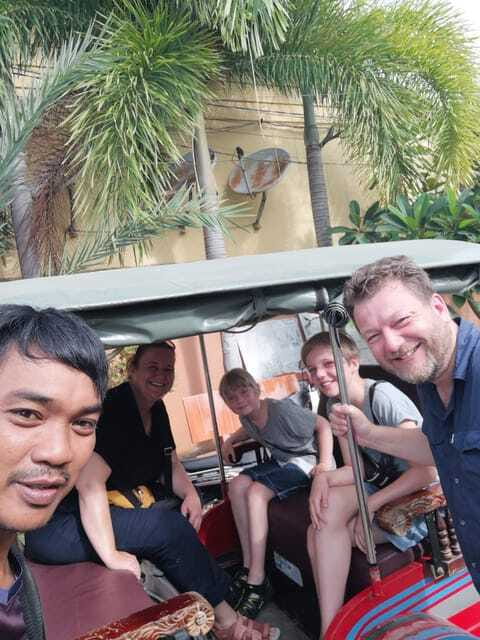
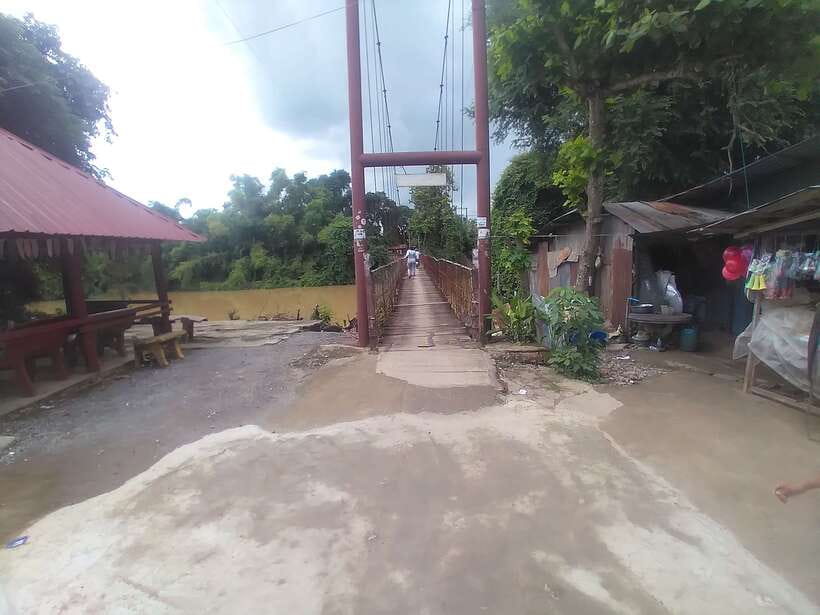
The suspension bridge at Kampongpil adds another change of scene. It is a practical local crossing and a good place to see how villages connect across the area. The stop is not presented as a grand engineering monument, and that is part of its value.
You get a closer look at the setting around the bridge, with village activity, farms, and open fields nearby. Bring your camera, but also pay attention to the route around the stop. This is where the tour feels least like a standard sightseeing circuit and most like a guided look at the Battambang area.
The bridge may not satisfy you if you want a major historic attraction at every stop. It works best as part of the wider mix, especially for anyone who likes rural Cambodia and wants more than temple walls.
Banan Temple and the long day’s middle stretch
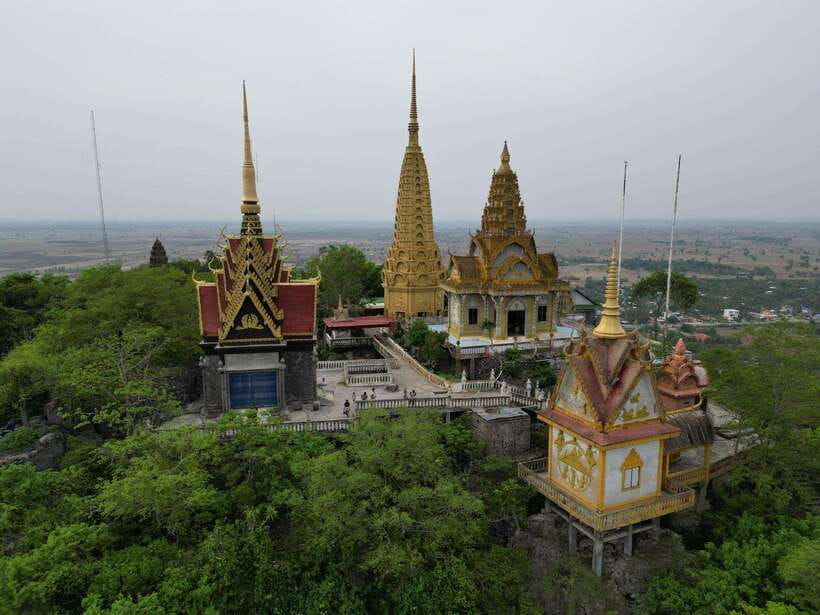
Banan Temple brings the tour back to a major historic site. It gives you a different experience from Phnom Sampov, which is known for its caves and evening bats. Here, the focus is a temple site with a stronger architectural and religious presence.
The supplied route does not give a precise amount of time at Banan, so you should ask your guide about the day’s pacing if this temple is especially important to you. The tour covers many attractions, and that means no single stop should be assumed to receive a full half-day visit.
I like having Banan Temple in the itinerary because it prevents the tour from becoming only a countryside drive and cave visit. It gives the day a central cultural stop and helps you compare temple architecture with the more natural settings later at Phnom Sampov.
Phnom Sampov: caves, monkeys, and difficult history
Phnom Sampov is the most layered stop on the route. The hill area includes the killing cave, a natural cave, a monkey forest, large old guns, and views from the mountain. The range of sights means you should allow time for both the scenery and the serious history.
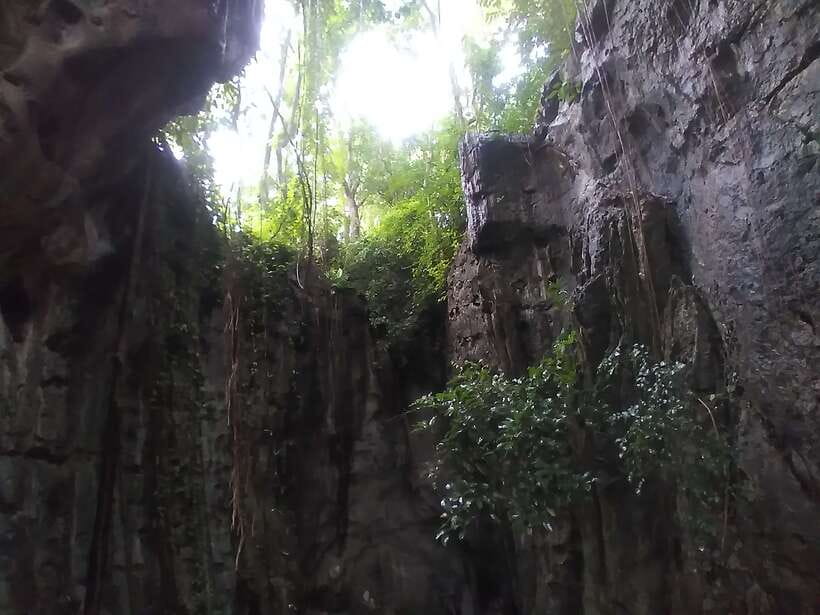
The killing cave is a place for quiet attention. It connects the visit to Cambodia’s painful past, and it deserves more than a quick photograph. Rich’s historical explanations are particularly useful here, since the site can otherwise feel hard to understand when seen without context.
The natural cave offers a different mood, while the monkey forest adds a lively element around the hill. The large guns are another reminder of the area’s wartime past. These parts do not all carry the same emotional weight, so expect the visit to shift between nature, local life, history, and views.
The tour notes that walking to the killing caves is free, while a ride up the hill may involve an additional choice or local arrangement. The listed information specifically says the walk is free. If you do not want a longer uphill walk, ask Rich about the ride before setting off.
People with high blood pressure should not choose this activity, according to the tour information. The day includes hill and cave visits, so you should take the physical side seriously rather than treating it as a purely vehicle-based sightseeing trip.
The bat cave at sunset
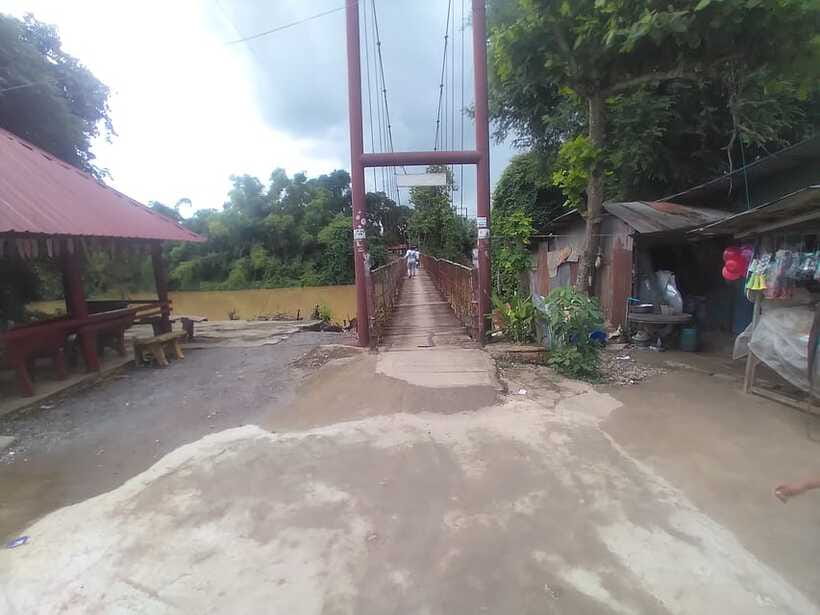
The bat cave is the natural finale. Near sunset, huge numbers of bats leave the cave in a long stream. The timing is the point: arriving too early can mean waiting, while arriving too late can mean missing the start.
This tour is planned to reach the bat cave with plenty of time to see the bats emerge. That gives you a chance to settle into the viewpoint and watch the change from late afternoon to evening. The spectacle is simple but memorable, and it provides a strong ending after a day of temples, farms, caves, and villages.
Bring your camera, but do not expect the bats to pose for a close-up. You are watching movement across the sky, not a staged performance. Your best experience will come from watching the full flow rather than trying to capture every second on a phone.
The bat cave also explains why the tour lasts until about 6:30. This is not an early-return excursion. If you have an evening bus, dinner booking, or another fixed plan, leave plenty of room after the stated finish time.
What the tuk-tuk and small group are like
Pickup and drop-off are included from your hotel in Krong Battambang. The driver meets you in the hotel lobby, so you should be ready at the agreed morning time and make sure the hotel knows a pickup is expected.
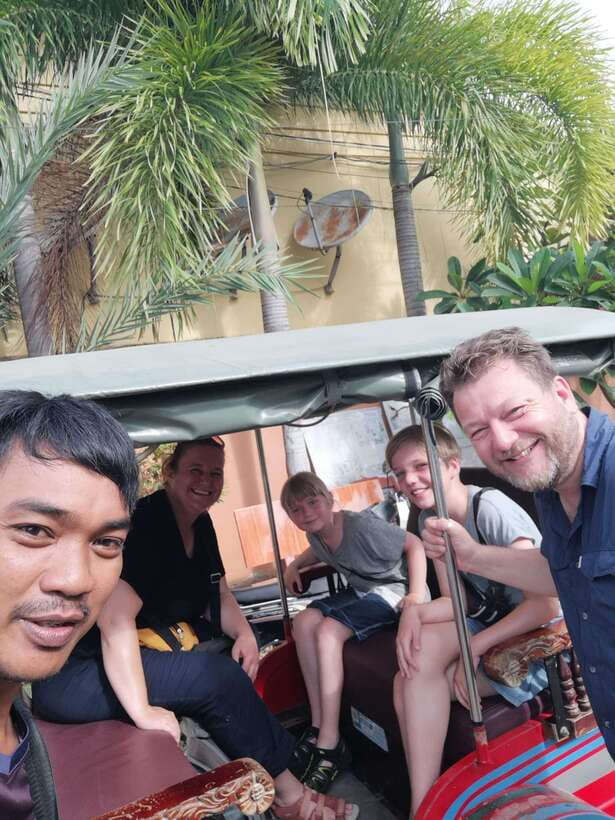
The transport is an English-speaking tuk-tuk. That suits the countryside route because you can see more of the road and villages than you would from a sealed car. It also means you are more exposed to heat, dust, and changing weather, so dress for a long day outdoors.
The group is limited to five participants. That is a useful size for this itinerary. You can ask questions without competing with a large crowd, and the guide has a better chance of adjusting explanations to your interests.
Rich can tailor the tour to suit your schedule, but a nine-hour route still has limits. Tell him early if you care most about the temple, village life, caves, or sunset. Clear priorities make it easier to manage the day without expecting every stop to receive equal time.
What to bring and how to prepare
Bring a camera and cash. Cash covers the $5 bamboo train ride, food, drinks, and any practical expenses that arise during the day.
Water is included, along with a cold towel, but you should still plan for a long outing. Food is not included, so do not leave Battambang assuming lunch will be provided. Ask your guide about the food plan at the start of the day if you want to know when and where you can eat.
Wear something suitable for walking and cave visits. The information does not specify a dress code, but this is an active day with hill areas, village stops, and uneven ground. Comfortable footwear is the sensible choice.
A small group and flexible guide make this a good fit for solo visitors, couples, and friends who want local explanation without joining a large coach. Families should consider the nine-hour length and the cave and hill sections before booking.
Should you book Rich’s Battambang tour?
Book it if you want a full picture of the area around Battambang in one day. You get the bamboo train, village roads, farms, a suspension bridge, Banan Temple, Phnom Sampov, the killing cave, and the sunset bat flight for $24, with only the bamboo train and personal food costs added.
The strongest reasons to choose it are the broad route, Rich’s long experience in the area, the small group, and the careful timing at the bat cave. It is especially useful if you want explanations about fruit, farms, history, and local life rather than only transport between attractions.
Think twice if you dislike long days, tuk-tuk travel, hill walking, caves, or a schedule with many separate stops. Also remember that the $5 bamboo train fee is extra.
For most visitors with one free day in Battambang, I would book it. Tell Rich what interests you most, bring cash, and treat the countryside stops as part of the experience rather than filler between famous sights.
FAQ
Where does the tour start?
Pickup is from your hotel in Krong Battambang. The driver meets you in the hotel lobby.
Where does the tour end?
The tour returns you to Krong Battambang after the day’s visits.
How long does the tour last?
The activity lasts nine hours, with the stated schedule running from about 9:30 a.m. to 6:30 p.m.
What is the tour price?
The price is $24 per person.
Is the bamboo train included?
No. The bamboo train costs an additional $5 per person.
Are food and drinks included?
No. Food and drinks are not included. Water and a cold towel are provided.
Is an English-speaking guide provided?
Yes. The tour is conducted in English, with an English-speaking tuk-tuk driver or guide.
How many people can join the group?
The group is limited to five participants.
What sights are included?
The route includes the bamboo train, Watko Village’s ancient house, Kampongpil Suspension Bridge, village farms and fishing areas, Banan Temple, rice fields, Phnom Sampov, the killing cave, a natural cave, monkey forest, large guns, hill views, and the bat cave.
Can I cancel the booking?
You can cancel up to 24 hours in advance for a full refund. The tour also allows you to reserve now and pay later.
More Train Experiences in Battambang
- AfternoonTour.Bamboo train.killing cave with Secret bat cave
★ 5.0 · 41 reviews - Full Day-Tour: Handicraft, Bamboo train, Killing cave. Bat cave
★ 5.0 · 29 reviews - Full day tour by bicycle & tuk tuk,bamboo train,bat cave,villages
★ 5.0 · 27 reviews - Afternoon tour to Original Bamboo train. Bat cave. Killing cave
★ 5.0 · 25 reviews
More Bat Cave Tours in Battambang
- Afternoon Tour: Bamboo Train, Killing Cave &Bat Cave
★ 5.0 · 73 reviews - Battambang: Bamboo Train, Bat Cave and Killing Cave Tour
★ 4.9 · 58 reviews - Afternoon Tour BambooTrain & Bat Cave
★ 5.0 · 57 reviews - A Day TukTuk Bambootrain, Banan, Killing & Bat Caves, Sunset
★ 4.9 · 48 reviews
Just added around Battambang
- Bamboo Train, Banann Temple, Fruit Bat, Bat Cave, Sunset★ 4.2 · 3 reviews
- Afternoon tour to Original Bamboo train. Bat cave. Killing cave★ 5.0 · 25 reviews
- Private Taxi Transfer Battambang from/to Phnom Penh★ 5.0 · 7 reviews
- Private Taxi Transfer From Battambang – Siem Reap City★ 5.0 · 4 reviews
- Afternoon Tour BambooTrain & Bat Cave★ 5.0 · 57 reviews
- Explore local livelihood & countryside (Half-Day Cycling Tour)★ 5.0 · 19 reviews
- Private Boat from Battambang to Siem Reap via Tonle Sap Lake★ 4.5 · 3 reviews
- Full/Half Day Tuk TuK: Handicrafts Bambootrain Killing&Bat Caves★ 5.0 · 14 reviews
Bamboo Train Tours, compared.
Tuk-Tuk, Bamboo Train, Killing/Bat Caves, Sunset
Read our review →
Afternoon tour by tuk tuk to bamboo train,bat cave,killing cave,countryside.
Read our review →
Battambang Full Day Tour from Siem Reap – Bamboo Train, Killing Cave & Sunset
Read our review →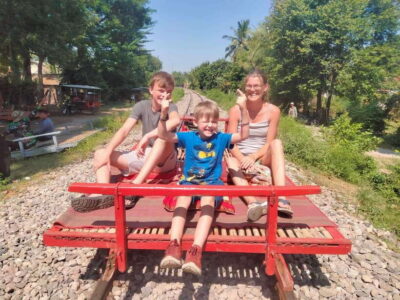
Afternoon Tour: Bamboo Train, Killing Cave &Bat Cave
Read our review →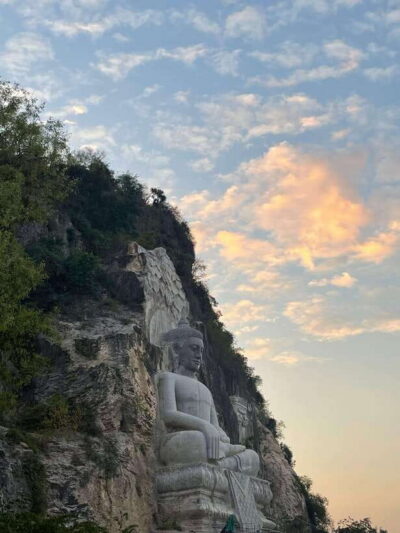
Full Day From Siem Reap – Bamboo Train, Killing Cave & Sunset
Read our review →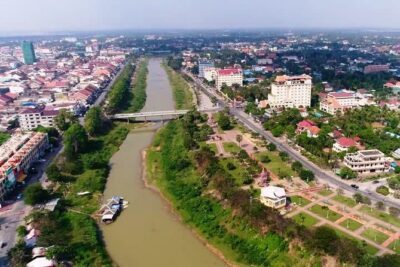
Battambang Day Trip from Siem Reap-Bamboo Train, Bats Cave
Read our review →Browse the lists this tour appears in