
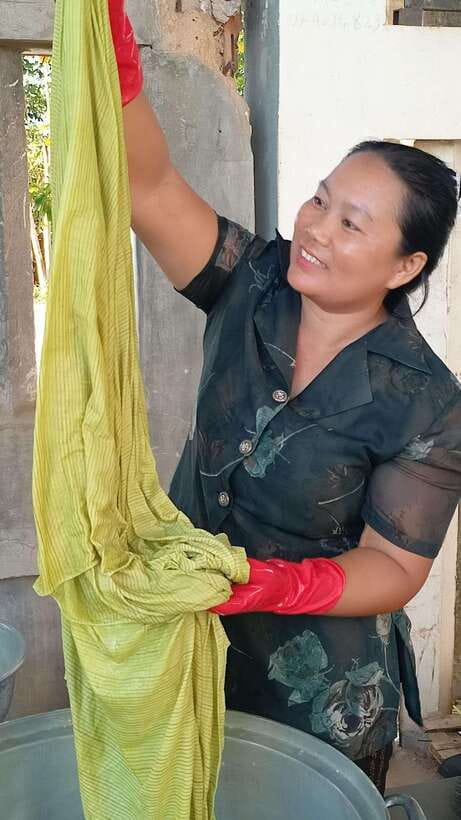
Reviewed · FARMS
Angkor Silk Farm & Lotus Silk Farm: Siem Reap Discovery Tour
The most unusual part of this Siem Reap outing is the contrast between silkworm silk and lotus fiber. At Angkor Silk Farm, you follow an old process from mulberry leaves to cocoon and woven cloth. At Lotus Silk Farm, artisans pull fine fibers from lotus stems by hand, turning a familiar Cambodian plant into a costly textile.
I like the clear side-by-side lesson and the chance to see real work in progress, not just finished souvenirs. I also like that your spending can support two social enterprises working with local women. The main drawback is the ride between the farms, which can feel long and hot, especially in a shared tuk-tuk or on a busy day.
Key points to know before booking
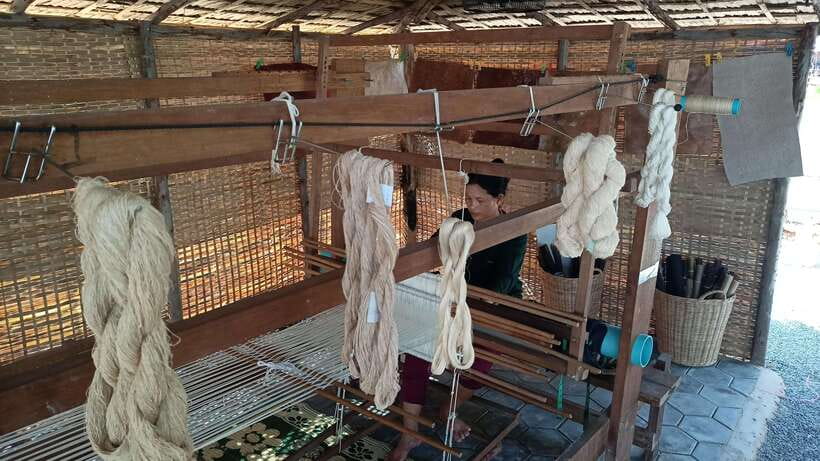
- Two very different textile traditions: See silkworm cultivation and traditional looms at one farm, then lotus fiber extraction at the other.
- A useful four-hour format: The visit includes transport, guided demonstrations, tea, and shopping without taking up a full day.
- Hands-on activities may cost extra: Some visits offer thread-making, paper-making, or bracelet activities, but these are not part of the basic $25 ticket.
- The meeting point matters: Pickup and return are at Biolab Café in central Siem Reap, not at your hotel.
- The lotus stop includes a quiet break: Lotus tea and biscuits are served in the garden after the demonstration.
- Bring money for the boutiques: The handmade silk and lotus products are not included, and prices reflect slow, careful production.
Why this is more than a gift-shop stop
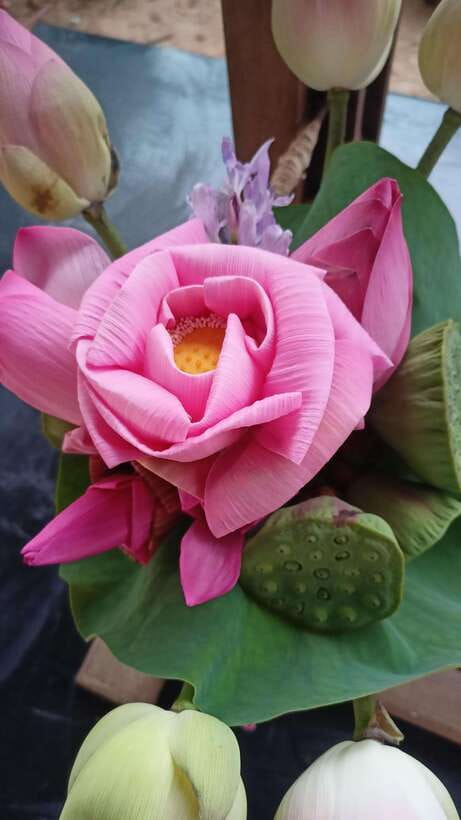
This tour gives you a useful way to understand Cambodian textiles. Instead of seeing a scarf and hearing that it is handmade, you watch the long chain of work behind it. Mulberry plants feed silkworms. Cocoons become thread. Thread is prepared and woven on wooden looms. Lotus stems are split and pulled into delicate strands, then twisted and processed into cloth.
That distinction matters when you visit the boutiques. A mass-produced souvenir and a hand-finished textile can look similar at first glance, but the labor involved is very different. Seeing the process first makes the prices easier to understand and helps you shop with better judgment.
The tour also connects an old Khmer craft to a newer environmental idea. Silk production has centuries of tradition behind it. Lotus fiber is a modern answer to the search for natural, low-impact materials. You get both sides in one morning, along with a glimpse of rural life outside Siem Reap’s temple zone.
The experience is priced at $25 per person. For that amount, you receive guided visits at both farms, transport between them, live demonstrations, a bilingual guide in English or French, and tea with biscuits. It is a fair deal if you want an organized introduction and would otherwise need to arrange separate transport.
The value is less clear if your main goal is shopping. The boutiques are part of the visit, but purchases cost extra, and premium handmade textiles are not bargain souvenirs. I would treat the buying time as a chance to support the makers, not as a hunt for the cheapest scarf.
A few more Siem Reap trips to weigh up
- Siem Reap Lotus Silk Farm Discovery tour & Lake experience
★ 4.7 · 291 reviews - Siem Reap: Khmer Village and Fish Farm ATV Tour
★ 4.9 · 266 reviews - Siem Reap: Lotus Silk Farm- Tour, Lake & Masterclass
★ 4.9 · 77 reviews
Starting at Biolab Café in central Siem Reap
Your morning begins at Biolab Café, a garden café downtown. Arrive about 10 minutes before departure, then look for the lotus-colored flag marked Pickup, Lotus Silk Farm. The vehicle is described as grey, and the driver waits outside.
The café gives you a more comfortable place to wait than a roadside pickup. It has air conditioning, seating, drinks, restrooms, and WiFi. Hotel pickup is not included, so check the walking or tuk-tuk time from your accommodation before booking.
Morning departures are listed at 8:30 AM and 10:00 AM. The timing affects the feel of the day. An earlier start gives you more protection from the strongest heat, while the later departure may suit anyone who does not want an early morning. The tour can be shared with other people, so the exact vehicle experience may vary.
Transportation is described as a private car, while some firsthand accounts refer to a tuk-tuk. That means you should confirm the vehicle arrangement when booking if air conditioning is important to you. One driver named Vanny was singled out for being patient and friendly, and another account praised the driver’s care in difficult traffic. Still, the road between the farms can be hot and longer than expected.
Angkor Silk Farm: from mulberry leaves to woven cloth
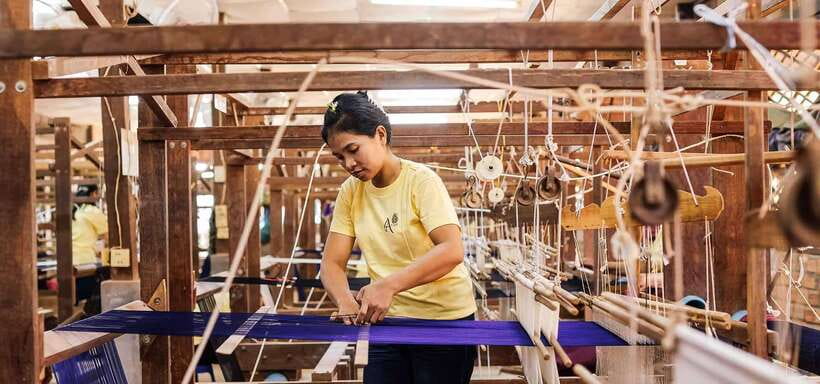
The first farm gives you the traditional foundation of the tour. In about 45 minutes, a guide explains the silk production cycle, beginning with mulberry cultivation and continuing through the silkworm’s life stages.
You see the silkworm story in practical order: the insects feed, form cocoons, and provide the raw material for thread. The presentation helps you understand that silk is not simply spun from a plant or pulled from a machine. It begins with careful cultivation and close attention to living creatures.
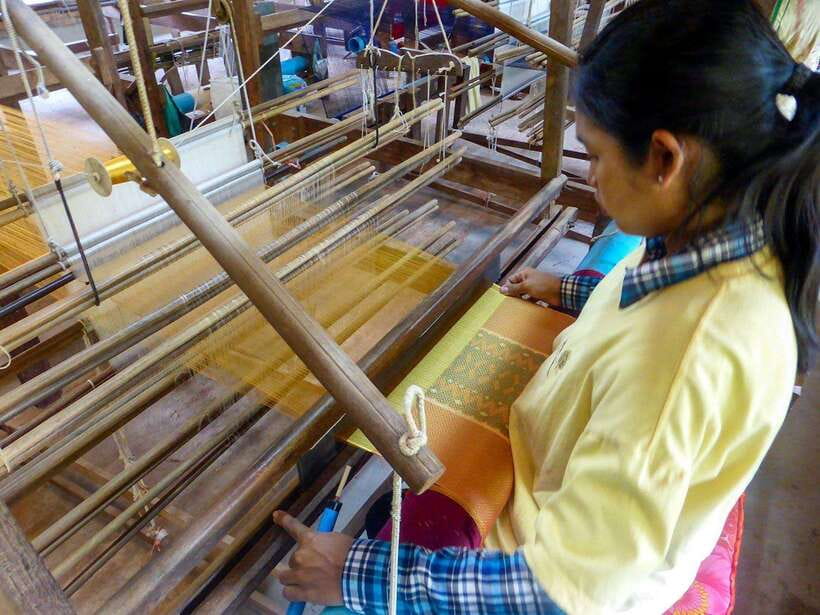
The demonstration then moves toward thread extraction and weaving. Skilled workers use traditional wooden looms to create patterned cloth. Watch the hands and feet as the loom is operated, because the finished textile hides how much coordination the work requires.
This is the stronger stop for anyone interested in process, traditional craft, or Cambodian cultural continuity. Several people have found the silk farm the most informative part, especially the chance to see the silkworms at different stages and watch the work being done by hand.
You have about 15 minutes afterward to browse the farm boutique. That is enough time for a look, though not a long shopping session. Products may include silk goods made through the techniques you have just seen. If you are considering a purchase, use the demonstration to ask sensible questions about the material, the weaving, and what is made locally.
Photography is allowed at both farms, and the silk operation offers plenty of useful subjects. Ask before photographing close-up portraits of workers, even when general photography is permitted.
The countryside transfer between the two farms
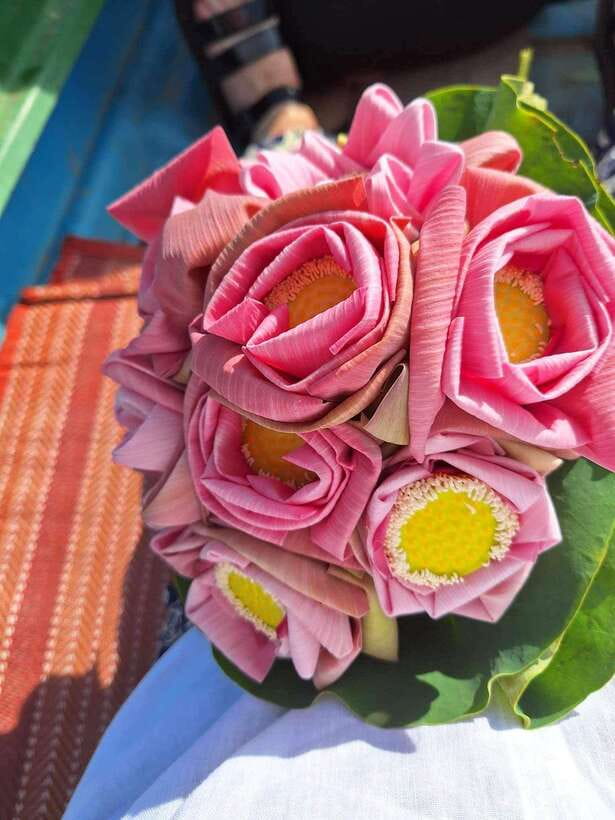
The drive between the farms takes you beyond the central tourist streets. You may see open countryside and ordinary Cambodian scenes along the way, which adds useful context to the craft work. It is not an added sightseeing tour, though. The journey is primarily transport.
This is the weak link for some people. The transfer can feel long after the first 10 minutes, and the heat may make it less pleasant in an open tuk-tuk. There are no scheduled extra stops or detours, so do not count on a roadside photo break.
I would bring water, sun protection, and light clothing. Only lotus tea and biscuits are included, so carry money for any additional drinks or food. If you are sensitive to heat, the early departure is the safer choice, and you may want to confirm an air-conditioned car rather than assume it.
The countryside views are worthwhile, but keep your expectations realistic. This is a textile tour with a scenic transfer, not a rural sightseeing circuit.
Same country, a completely different kind of day:
- Angkor Wat Sunrise or Sunset Tour with Guide from Siem Reap
★ 5.0 · 12,109 reviews - Siem Reap: Angkor Wat: Small-Group Sunrise or Sunset Tour
★ 5.0 · 9,444 reviews - From Siem Reap: Kampong Phluk Floating Village Tour by Boat
★ 4.9 · 6,979 reviews - Sunset tour of Kampong Phluk stilts home village on the Tonle Sap
★ 5.0 · 4,865 reviews
Lotus Silk Farm: a new textile made from an old plant
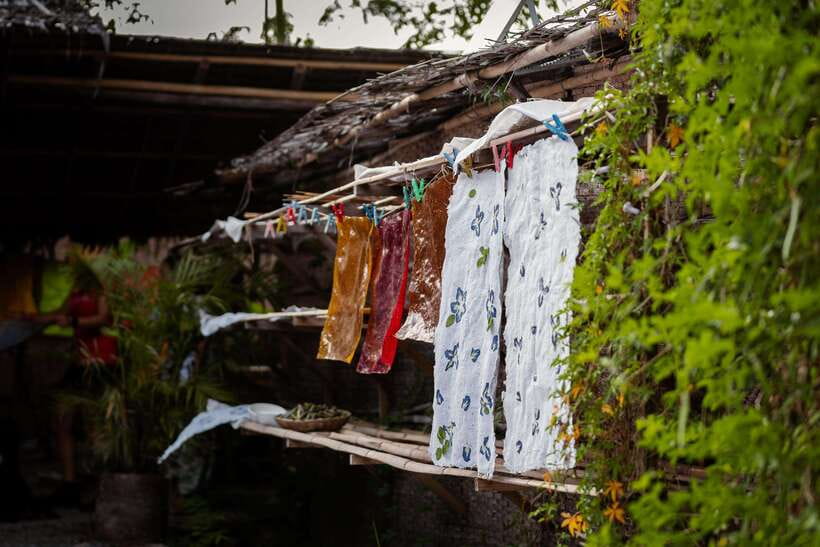
The Lotus Silk Farm, operated by Samatoa, changes the subject completely. In about 30 minutes, a guide shows how artisans extract fibers from lotus stems. The process is slow and precise. Stems are handled by hand, fibers are drawn out, and the strands are combined to create a usable material.
The demonstration makes the product’s price easier to grasp. A lotus plant may look commonplace, but turning its stem into textile fiber requires repeated manual work. The result is a rare natural fabric produced through a newer Cambodian craft tradition.
This is often the most memorable stop for people who have never heard of lotus fiber. It also gives the tour a social purpose beyond preserving older techniques. The farm works to employ local women and support sustainable production, so your visit and any purchase connect to a working community enterprise.
The setting includes a garden where you receive complimentary lotus tea and biscuits for about 15 minutes. It is a welcome pause after the demonstrations and the ride. The tea is part of the basic price, but lunch is not included.
Some bookings or arrangements may offer extra craft activities, such as making a lotus thread, a sheet of paper, or a bracelet. One account also describes a lotus seed bracelet activity and an optional boat ride around the lotus-growing area. These should not be assumed to be included. Ask about the current cost and availability before you plan around them.
The farm also has WiFi and restrooms, which can be useful after the road transfer. You get time to browse the boutique after tea, usually around 15 minutes. Lotus textiles are labor-intensive, so prices may surprise you if you are comparing them with factory-made cloth. The demonstration is the key to understanding why.
Shopping with a clearer idea of value
Both farm boutiques offer handmade goods, but this is not a shopping tour with purchases built into the price. The $25 covers the visit and services listed above. Souvenirs, textiles, extra refreshments, craft activities, and any special demonstration are personal expenses.
I would wait until after both demonstrations before buying. At that point, you can compare silk and lotus fiber more intelligently. Silk may appeal to you for its traditional patterns and long connection with Khmer weaving. Lotus fiber may appeal to you as a newer, plant-based material with a strong handmade identity.
Carry cash, with US dollars accepted. The supplied information does not give a full price list, so set your own budget before entering the boutiques. You can enjoy the tour without buying anything, but purchases directly support the local artisan communities and the two ethical enterprises.
Do not feel pressured to buy simply because the visit ends at a shop. At the same time, remember that a hand-produced textile cannot reasonably compete with a factory item on price. If you want an authentic, carefully made piece and value the work behind it, this is a better place to spend souvenir money than a generic market stall.
Guides, timing, and the overall pace
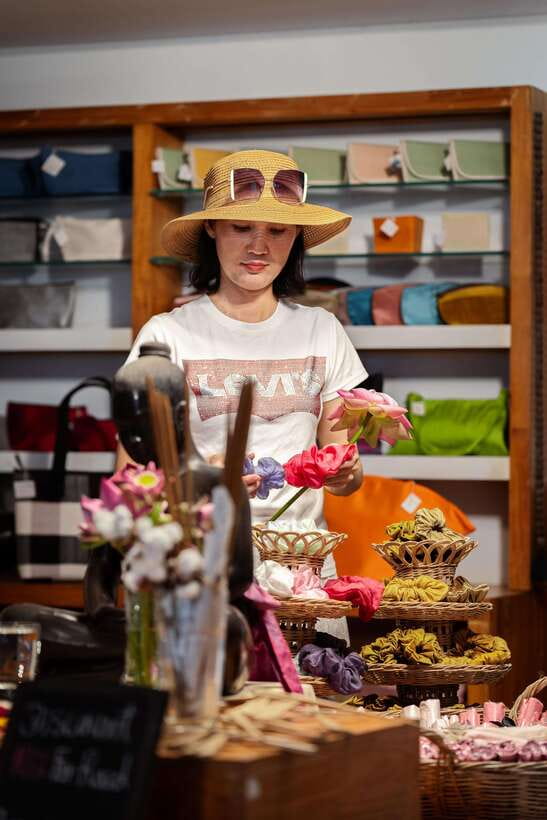
The tour includes an English or French-speaking guide throughout. The farm explanations are the heart of the experience, so clear communication matters more here than flashy presentation. The guides explain the silk cycle, weaving methods, lotus extraction, and the social aims of the enterprises.
The schedule is compact:
- About 45 minutes for the Angkor Silk Farm tour
- About 15 minutes for shopping there
- About 30 minutes for the Lotus Silk Farm tour
- About 15 minutes for tea and biscuits
- About 15 minutes for shopping at the lotus farm
- The remaining time covers transport and coordination
That leaves enough time for a useful introduction but not for a slow, private workshop. The basic package does not include silk weaving lessons, hands-on craft work, costume photos, private demonstrations, meals, or extra stops.
The experience suits all ages and fitness levels, and children must be accompanied by an adult. You will walk around both farms, so comfortable shoes are sensible. Bring a camera, hat, sunscreen, and light clothing. Photography is allowed, but follow any instructions from the staff.
Who should book this $25 experience?
I would recommend it to anyone who wants more than temple visits during a Siem Reap stay. It works especially well for people interested in textiles, design, ethical production, village crafts, or the practical side of how things are made.
It is also a good family option. The silkworm life cycle gives children something concrete to follow, while the lotus fiber demonstration has a satisfying how can that possibly work quality. The extra craft activities, when available, can add a hands-on element, but budget for them separately.
The tour is less suitable if you dislike buying stops or want every minute filled with major sights. The boutiques are a planned part of the schedule, and the road transfer can feel slow. It is also not the right pick if you expect lunch, a full workshop, or a long visit to lotus fields. Lunch and additional activities are not included in the base package.
For photographers, the farms offer close views of hands, looms, cocoons, fibers, and finished cloth. For shoppers, the tour supplies useful background before you spend. For anyone concerned about ethical tourism, the social-enterprise model gives your visit a direct purpose, though you should still ask questions about materials and production if those details matter to your purchase.
Practical booking advice for a smoother morning
The tour operates in all weather conditions. That makes sun protection and light clothes important, since the road portion may be warm. Bring water even though tea and biscuits are served at the lotus farm.
Choose the 8:30 AM departure if you want a cooler start. Arrive at Biolab Café 10 minutes early and look for the marked flag and grey vehicle. Since hotel transport is not included, leave extra time to reach the café.
You can cancel up to 24 hours in advance for a full refund, and the reserve-now, pay-later option keeps your plans flexible. Last-minute booking is possible if space remains. Because the tour may be shared, ask about group and vehicle arrangements if that affects your choice.
Should you book the Angkor and Lotus Silk Farm tour?
Book it if you want a focused, well-priced cultural outing that explains both old and new Cambodian textile work. The silk farm is the better match for traditional craft, silkworms, and weaving. The lotus farm is the more unusual stop, with a thoughtful sustainability angle, garden tea, and optional craft activities.
Skip it if you want a private, no-shopping excursion or if a long, hot transfer would spoil your morning. Otherwise, $25 buys a useful four-hour introduction, two distinct farm visits, and a better understanding of why handmade Cambodian textiles cost what they do. I would choose the early departure, confirm the vehicle type, and save room in the budget for one meaningful piece from the boutique.
FAQ
Where does the tour start and finish?
The tour starts and ends at Biolab Café in downtown Siem Reap. Hotel pickup and drop-off are not included.
What departure times are available?
Morning departures are listed at 8:30 AM and 10:00 AM. Arrive at least 10 minutes before your scheduled departure.
How long does the experience last?
The total duration is four hours, including transport between the farms and the return to Biolab Café.
Which languages are available?
The tour is conducted in English or French with a live guide.
What will I see at Angkor Silk Farm?
You will see mulberry cultivation, the silkworm life cycle, cocoon and thread production, and traditional weaving on wooden looms. A guided visit lasts about 45 minutes.
What happens at Lotus Silk Farm?
You will watch artisans extract fibers from lotus stems, learn about the production process and social enterprise, enjoy lotus tea and biscuits, and browse the boutique.
Is lunch included?
No. Lunch, extra food, and additional beverages are not included. Complimentary lotus tea and biscuits are provided at Lotus Silk Farm.
Are craft workshops included?
No. Silk weaving workshops, hands-on craft activities, private demonstrations, and costume photo sessions are not included in the base package. Some optional activities may be available for an additional cost.
Can I cancel the booking?
You can cancel up to 24 hours in advance for a full refund. A reserve-now, pay-later option is also available.
Just added around Siem Reap
- Ultimate Sunrise to Angkor Wat, Angkor Thom and Bayon Temple★ 5.0 · 3 reviews
- Twilight Tastes of Siem Reap Include Dinner★ 5.0 · 13 reviews
- Trekking Tour at Phnom Kulen National Park from Siem Reap★ 5.0 · 3 reviews
- Full-Day Private Tour of Angkor Wat with Pick Up★ 5.0 · 12 reviews
- Waterfall & River of 1000 Siva Linga- Kulen Mountain Private Tour★ 5.0 · 3 reviews
- Professional Photo Shoot in Angkor Archaeological Park, Siem Reap★ 5.0 · 42 reviews
- Private Day Trip to Angkor Temples with Expert Guide★ 5.0 · 4 reviews
- Ultimate Siem Reap Food Tour by Tuk Tuk – 20 Tastings, 8 Stops★ 5.0 · 13 reviews
Farms, compared.
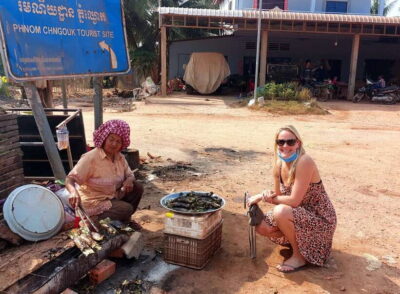
Pepper Farm Tours, Salt, Lake & Phnom Chhngok Temple
Read our review →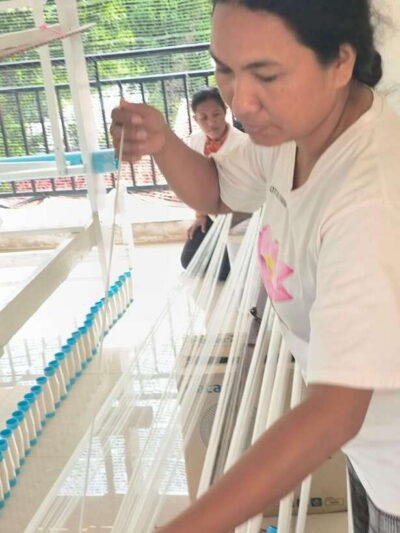
Siem Reap Lotus Silk Farm Discovery tour & Lake experience
Read our review →
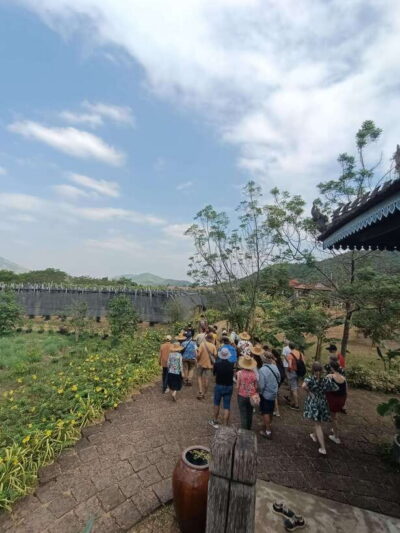
Full-day Countryside Tour with Pepper Farm and Kep
Read our review →
Tuk Tuk Trip to Pepper Farm, Kep, Crab Market & More
Read our review →
Kampot Countryside include Pepper farm, Salt field & Lake
Read our review →
KAMPOT TRAVEL-Pepper farm. Cave.Secret lake-Crab market & Salt…
Read our review →
Browse the lists this tour appears in