
Reviewed · BAT CAVE TOURS
Battambang Tuk Tuk tour: Bambootrain, Killing & Bat Caves,Sunset
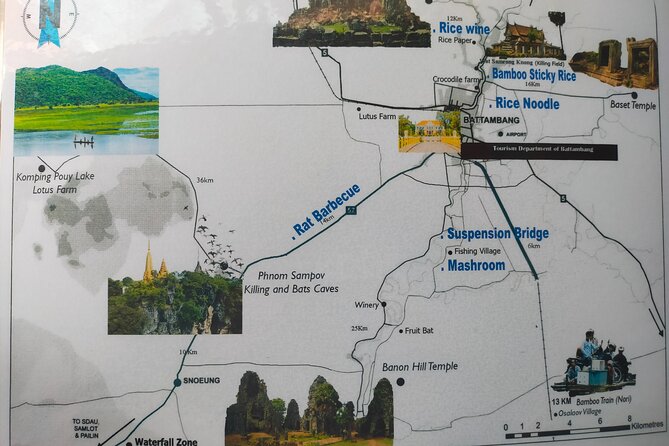
The day’s big payoff comes at dusk, when millions of bats pour from Battambang’s Bat Caves and form a long, shifting ribbon across the sky. Before that spectacle, you ride the Bamboo Train, visit Phnom Sampeau’s Killing Cave, pass through villages, and taste local snacks. I like the mix of easy sightseeing and serious history, and I like that the tuk-tuk keeps you close to daily Cambodian life. The main caution is space: a group of eight can feel tight in the tuk-tuk, especially in the afternoon heat.
I also like the guides’ personal touch. Samol, Soon, David, Spicy, and Sam are praised for humor, clear explanations, and stories about Cambodian food, politics, religion, agriculture, and family life. Bring extra cash for the $5 Bamboo Train, lunch, drinks, and small purchases. At $15, this is a strong-value day, but it is a full one, often lasting close to eight hours.
Key points before you book
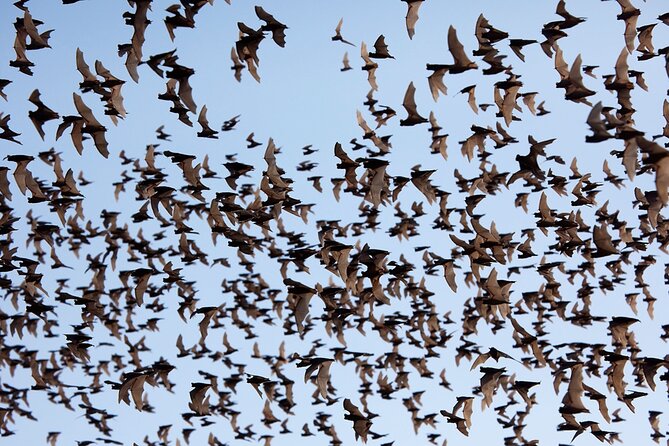
- The Bat Caves are the grand finale: Arrive before dusk and watch the bat stream continue for roughly 50 minutes.
- The Bamboo Train is genuinely fun: The ride passes rice fields, fruit plantations, villages, and a suspension bridge.
- Phnom Sampeau adds difficult but important history: The Killing Cave explains Khmer Rouge violence from 1975 to 1979.
- Local food is part of the experience: You can taste snacks such as rat barbecue, while lunch is bought separately.
- Pickup and drop-off simplify the day: The tuk-tuk collects you around 11:50 a.m. and returns you to your accommodation or Pomme Bar.
- The low price has a few extras: The tour costs $15, but the Bamboo Train, lunch, drinks, and personal spending are not covered.
Why this seven-hour Battambang route works
Battambang is best appreciated outside the center. This tour gives you a practical way to reach countryside villages, Phnom Sampeau, and the Bat Caves without arranging several separate rides.
Pickup begins around 11:50 a.m., with departures listed at noon. You settle into a tuk-tuk with your guide and driver, then spend the afternoon moving between food stops, rural roads, historic sites, and viewpoints.
I like the pacing in theory because the stops balance one another. The Bamboo Train is light and playful. The Killing Cave is solemn. The Bat Caves end the day with one of Cambodia’s most memorable natural sights.
The tradeoff is time. The official duration is about seven hours, but the day can run close to eight. Some of that extra time comes from the guide’s explanations, which many people value. If you prefer a brisk checklist of sights, the long storytelling may feel slow.
More Bat Cave Tours in Battambang:
- Battambang: Tuk-Tuk, Bamboo Train, Killing/Bat Caves, Sunset
★ 4.9 · 1,436 reviews - Afternoon tour by tuk tuk to bamboo train,bat cave,killing cave,countryside.
★ 5.0 · 344 reviews - Battambang: Bamboo Train, Bat Cave, Killing Cave by Tuk Tuk
★ 5.0 · 182 reviews
Riding through villages and Battambang Province
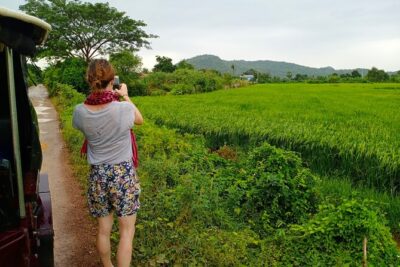
The first part is less about a single monument and more about getting a feel for the area. Your guide can explain Battambang’s history, culture, religion, farming, folk tales, and local life as the tuk-tuk moves away from town.
That setting matters. You are not simply being delivered to a famous stop. You are seeing fruit plantations, rice fields, village roads, and homes where people carry on ordinary work. The experience gives you a clearer sense of the countryside around Battambang than a short city ride would.
The guides are a major part of this section. Samol is praised for keeping the mood warm while explaining difficult subjects. Soon is described as happy to answer questions about politics, food, and history. David and Spicy are also praised for humor and enthusiasm. The exact guide you receive may vary, but the provider is Discover Battambang with Samol Tuk-Tuk and Motorbike Tours.
You will also have chances to stop and talk with farmers and local people. Treat these moments with respect. This is a cultural visit, not a staged performance, and the best approach is to listen, ask simple questions, and request permission before taking close-up photographs.
The countryside roads can be bumpy. That is part of the tuk-tuk experience, but it is worth knowing if you have back or motion concerns. Bottled water and a cold towel are provided, which are welcome comforts in the heat.
The Bamboo Train beyond the city
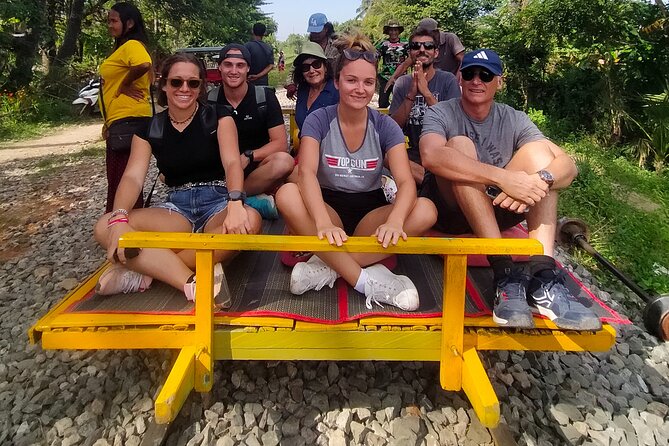
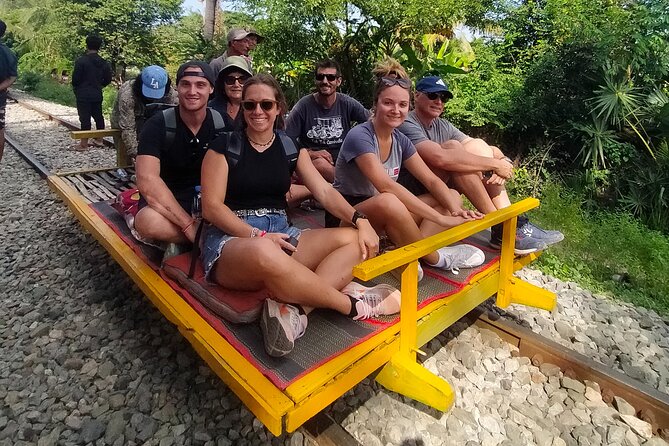
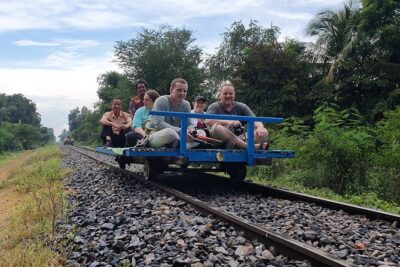
The Bamboo Train, or norry, is the afternoon’s playful centerpiece. You board a simple bamboo platform fitted to the railway track and ride through rural scenery. The route includes rice fields, fruit plantations, a suspension bridge, and village views.
The ride is not a polished theme-park attraction. That is precisely why it works. You feel the movement of the track, see the countryside at a low level, and get a direct look at an old form of local transport and tourism.
The itinerary allows about two hours for this stop, including the surrounding countryside and the train ride. The ride itself can be a relatively simple activity, but the setting gives it character. One amusing description calls the motion a free butt massage. Expect a bumpy trip rather than a smooth rail journey.
The Bamboo Train costs $5 per person, and that fee is not included in the $15 tour price. The information also lists a $5 entrance fee for Bamboo Train Ou Srauo Laou, so you should budget $5 for the train admission and confirm the exact charge with the guide when you book or start the tour.
This is one of the places where the tour offers good value. A private tuk-tuk ride to the countryside, a guide, and the other stops would normally take more planning. Still, do not assume the $15 covers every activity. Bring cash.
Lunch, rice wine, and unusual local tastes
Lunch is not included, but the stop is an important part of the day. The meal has been described as tasty and reasonably priced, with one example costing about $3.50. Another meal included Tom Yam soup, so you can expect the food choice to depend on the restaurant and the group.
The tour also introduces local food production and snacks. Depending on the day, you may learn about rice wine making, rice paper production, or other village traditions. These small stops help connect the scenery to the work that supports local families.
Rat barbecue is offered as an optional tasting. It is a popular local snack and is clearly not required. If you are curious, it gives you a chance to try something you might not order on your own. If not, you can simply observe and continue with the rest of the group.
Keep money aside for lunch, drinks, ice cream, beer, bathrooms, and other personal expenses. The tour includes bottled water, snack tasting, and the optional rat barbecue tasting, but not your full meal.
A few more Battambang trips to weigh up
- Explore Battambang full day tour by Tuk Tuk (start from 9am-6:30pm)
★ 5.0 · 240 reviews - A Day TukTuk Handicrafts Bambootrain Killing&BatCaves,Sunset
★ 4.9 · 78 reviews - A Day TukTuk Bambootrain, Banan, Killing & Bat Caves, Sunset
★ 4.9 · 48 reviews - Full day tour by bicycle & tuk tuk,bamboo train,bat cave,villages
★ 5.0 · 27 reviews
Phnom Sampeau and the Killing Cave
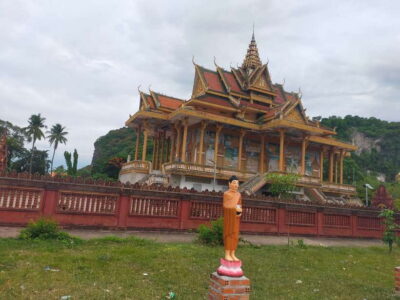
The mood changes sharply at Phnom Sampeau. Before reaching the mountain, you may stop to see or taste the rat barbecue. After that, the route turns to one of Battambang’s most painful historical sites.
Transport up the mountain is included through a motorbike or pickup truck, with a mountain shuttle service for the return. This saves you from making the full climb on foot and helps the group keep moving during a long afternoon.
At Phnom Sampeau, you see viewpoints and visit the Killing Cave. The cave is connected to the Khmer Rouge period from 1975 to 1979, when large numbers of people were killed. The site is sobering, and a good guide helps you understand what happened without turning the visit into a rushed photo stop.
I consider this the most important educational part of the tour. The Bamboo Train is memorable because it is fun. The Killing Cave is memorable because it asks you to face Cambodia’s recent past.
Give yourself time to listen. Guides such as Samol and Soon are praised for explaining Cambodian history in clear, personal terms and for answering questions. Some guides also discuss how the past connects to politics and everyday life today.
The visit may include temple areas and viewpoints around Phnom Sampeau. Bring water, wear practical shoes, and expect uneven ground. The tour supplies bottled water, but comfortable clothing is still sensible in the heat.
The Bat Caves at sunset
The final stop is the reason many people remember this tour long after returning home. You wait near Battambang’s Bat Caves as evening approaches, then watch the bats stream out in huge numbers.
The flight can continue for more than 50 minutes. The bats move in a dark, twisting line that seems to stretch across the sky. It is a natural event rather than a formal show, so the exact view and timing depend on the evening.
Your guide will position the group for photographs and explain what you are seeing. The wait is part of the experience, though it may test your patience if the tour has already felt long.
One practical point matters here: sunset timing creates a built-in pause. One person found the wait at the temples too long, while others felt the day was well paced. If you want to see the full bat display, some waiting is unavoidable. Bring water, keep your phone charged, and use the time to enjoy the changing light rather than expecting constant activity.
After the bats, the tuk-tuk returns you to your accommodation or to Pomme Bar in town. That drop-off choice is useful if you want to continue your evening in central Battambang.
Guides, group size, and comfort
The guide can make or break a day like this. You are in a tuk-tuk for hours, so a guide who explains clearly, answers questions, and keeps the mood friendly matters as much as the stops themselves.
Samol receives especially warm praise for his energy, English, humor, and personal stories about Cambodian life. Soon is praised for answering wide-ranging questions. Other guide names connected with strong feedback include David, Spicy, and Sam.
That said, communication may vary. One person found Samol difficult to understand because he spoke quickly and shortened some words. If you have trouble following, ask your guide to slow down or repeat key points. A good guide should welcome that request.
The maximum group size is 15, but the vehicle may feel best with fewer people. One group of eight found the tuk-tuk cramped in the heat and suggested a smaller limit. If comfort matters to you, ask how many people are booked before departure, or consider arranging a smaller private ride if available.
The tuk-tuk provides an open-air view of the countryside, but it also exposes you to sun, dust, traffic noise, and bumps. The included cold towel and water help, but a hat and light clothing are sensible additions.
What the $15 price really covers
At $15, the tour is an excellent way to connect several Battambang sights in one afternoon. You receive hotel pickup and drop-off, tuk-tuk transport, a live guide, bottled water, a cold towel, motorbike or pickup transport at Phnom Sampeau, the mountain shuttle return, snack tasting, and photo opportunities.
The price is especially good if you are short on time. Instead of negotiating separate transport for the countryside, Bamboo Train, mountain, and Bat Caves, you get one organized route.
The extras are modest but important:
- Bamboo Train: $5 per person
- Lunch: not included
- Drinks and personal expenses: not included
- Additional Bamboo Train entrance fee: listed as $5 per person
The tour information also says admission fees and donations are included, but the Bamboo Train is specifically excluded. I would treat the train charge as an extra and carry enough cash for the meal and drinks as well.
Free cancellation is available if you cancel at least 24 hours before the local start time. Changes or cancellations made inside that period are not accepted for a refund.
Who should book this experience
I would choose this tour if you have limited time in Battambang and want the main rural sights in one outing. It suits people who enjoy a mix of history, food, local contact, countryside transport, and unusual natural events.
It is also a good fit if you want context rather than just transportation. The guides spend time explaining Cambodian life, religion, agriculture, folk stories, politics, and the Khmer Rouge period.
You may want another option if you dislike long tuk-tuk rides, heat, bumpy roads, or group transport. The Killing Cave is emotionally difficult, and the wait for the bats can make the day feel long. Families should also consider how children will respond to the historical content and the extended afternoon schedule.
I would not book it expecting a quiet, luxury excursion. This is a practical, lively, sometimes cramped tuk-tuk outing with simple transport and a strong human element.
Should you book the Battambang Tuk Tuk tour?
Yes, if you want a full introduction to Battambang and can handle a long afternoon. The combination is hard to beat: village roads, the Bamboo Train, local food, Phnom Sampeau’s Killing Cave, and the Bat Caves at sunset.
The best reasons to book are the guides, the variety, and the price. The best reasons to hesitate are group size, heat, extra costs, and the possibility of too much storytelling for your taste.
Bring at least the Bamboo Train fare plus money for lunch and drinks. Ask about the group size, listen carefully at Phnom Sampeau, and save your energy for the bats. For most people spending a short time in Battambang, this is a worthwhile and memorable way to see beyond the city center.
FAQ
How long does the Battambang Tuk Tuk tour last?
The tour lasts approximately seven hours, though some outings can run close to eight hours depending on the pace and time spent at the stops.
What time does pickup begin?
Pickup is listed for around 11:50 a.m., with the afternoon tour departing at approximately noon.
Is hotel pickup and drop-off included?
Yes. Pickup and drop-off at your accommodation are included. You may also finish at Pomme Bar in town.
Is the Bamboo Train included in the $15 price?
No. The Bamboo Train costs $5 per person, and the tour information also lists a $5 entrance fee for Bamboo Train Ou Srauo Laou.
Is lunch included?
No. Lunch is not included. A meal has been described as costing about $3.50, but the exact price depends on what you order.
Is rat barbecue compulsory?
No. Rat barbecue tasting is optional. It is offered as a local snack, but you can choose whether to try it.
What places does the tour visit?
The route includes Battambang Province and nearby villages, the Bamboo Train at Ou Srauo Laou, Phnom Sampeau and the Killing Cave, and the Battambang Bat Caves.
How many people can join the tour?
The maximum group size is 15 people. The tuk-tuk can feel crowded with larger groups, particularly in hot weather.
Can I cancel for a full refund?
Yes, if you cancel at least 24 hours before the experience start time. Cancellations or changes made less than 24 hours before the start are not accepted for a refund.
More Evening Experiences in Battambang
- Bamboo Train, Banann Temple, Fruit Bat, Bat Cave, Sunset
★ 4.2 · 3 reviews - Angkor Wat Sunrise or Sunset Tour with Guide from Siem Reap
★ 5.0 · 12,109 reviews - Siem Reap: Angkor Wat: Small-Group Sunrise or Sunset Tour
★ 5.0 · 9,444 reviews - Sunset tour of Kampong Phluk stilts home village on the Tonle Sap
★ 5.0 · 4,865 reviews
Just added around Battambang
- Bamboo Train, Banann Temple, Fruit Bat, Bat Cave, Sunset★ 4.2 · 3 reviews
- Afternoon tour to Original Bamboo train. Bat cave. Killing cave★ 5.0 · 25 reviews
- Private Taxi Transfer Battambang from/to Phnom Penh★ 5.0 · 7 reviews
- Private Taxi Transfer From Battambang – Siem Reap City★ 5.0 · 4 reviews
- Afternoon Tour BambooTrain & Bat Cave★ 5.0 · 57 reviews
- Private Boat from Battambang to Siem Reap via Tonle Sap Lake★ 4.5 · 3 reviews
- Explore local livelihood & countryside (Half-Day Cycling Tour)★ 5.0 · 19 reviews
- Full/Half Day Tuk TuK: Handicrafts Bambootrain Killing&Bat Caves★ 5.0 · 14 reviews
Bat Cave Tours, compared.
Tuk-Tuk, Bamboo Train, Killing/Bat Caves, Sunset
Read our review →
Afternoon tour by tuk tuk to bamboo train,bat cave,killing cave,countryside.
Read our review →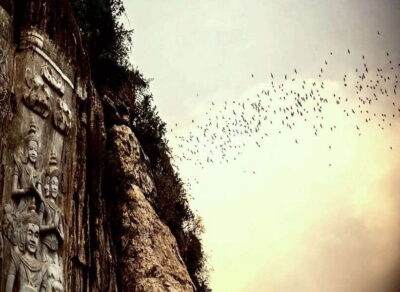

Battambang Full Day Tour from Siem Reap – Bamboo Train, Killing Cave & Sunset
Read our review →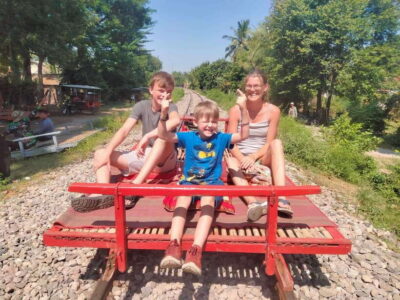
Afternoon Tour: Bamboo Train, Killing Cave &Bat Cave
Read our review →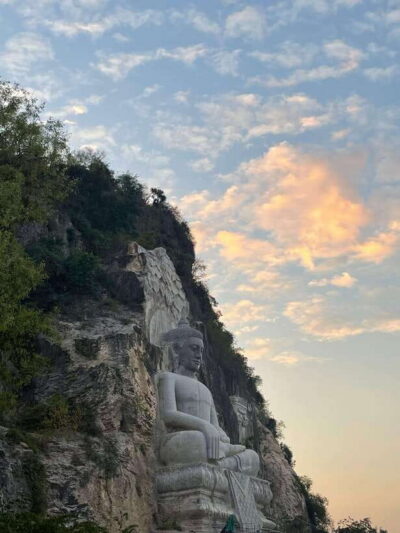
Full Day From Siem Reap – Bamboo Train, Killing Cave & Sunset
Read our review →Browse the lists this tour appears in