
Reviewed · BAMBOO TRAIN TOURS
Full-day: Wat Banan. Old bamboo train. Bat Cave. Killing cave
Battambang’s best sights sit beyond the city, and this full-day outing links them in one long, busy circuit. You get a bamboo train ride, a climb to Wat Banan, village roads, Buddhist sites, and Phnom Sampov’s sobering killing cave in a single day.
I like the mix of movement and local life. The bicycle section takes you past villages, rice fields, food makers, and religious sites, while the tuk-tuk keeps the longer transfers manageable. I also like the small-group setup, with no more than 10 people, and guides such as Mr Lychee and Sambath who are praised for clear English and strong knowledge of local culture.
The main catch is the pace. This is not a gentle two-hour sightseeing trip. The route can cover about 45 kilometers by bicycle, and Wat Banan and the killing cave involve stairs and walking. The extra $5 per person fee should also be confirmed before you book.
Key points to know before you go
- The bamboo train is the day’s most unusual ride: Expect about an hour on the simple open platform and tracks outside Battambang.
- Wat Banan requires a climb: Ancient stairs lead up the mountain, so bring shoes with a firm grip.
- Phnom Sampov combines beauty and difficult history: The killing cave is a memorial site, while the bat cave offers a striking natural spectacle.
- You get more than temple stops: Village visits may include rice paper, bamboo sticky rice, dried banana, fried spring rolls, fish markets, and Khmer rice whiskey production.
- The cycling is long but mostly easy in terrain: One detailed account puts the distance at about 45 kilometers, with a relaxed pace and flat Cambodian roads.
- The $15 price is attractive but not the whole bill: A separate $5 per-person fee is listed, and the bamboo train admission is not included.
Why this Battambang day works so well
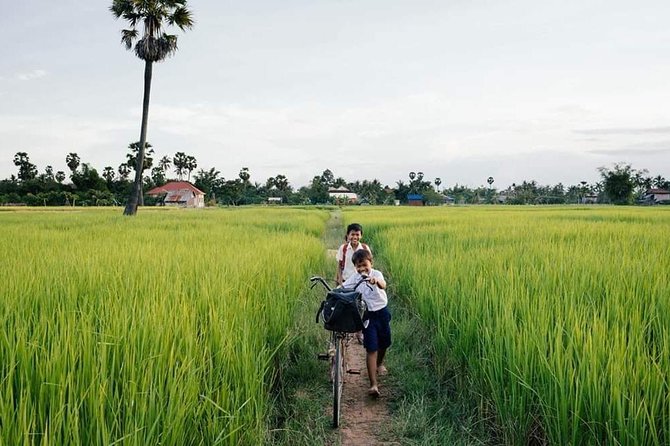
Battambang rewards people who slow down. The town itself has colonial buildings and a provincial hall, but the most memorable part of the area is often found on the roads beyond the center. This tour gives you a look at both sides: the city’s public monuments and the farming villages, temples, and hills outside it.
You begin with a short orientation around Battambang. A stop at the Tadam Bong Kro Aung statue gives your guide a chance to explain the local story behind one of the city’s symbols. The first hour is not packed with major sights, and that is useful. You get your bearings before the day moves into the countryside.
The guides are a major part of the experience. Mr Lychee is the named provider, while Sambath is also associated with the guiding team. English is offered, and the strongest praise centers on explanations of Cambodian food, Buddhism, village customs, and the country’s difficult past. If you care about context rather than simply collecting photographs, ask questions as you go.
More Bamboo Train Tours in Battambang
- Battambang: Tuk-Tuk, Bamboo Train, Killing/Bat Caves, Sunset
★ 4.9 · 1,436 reviews - Afternoon tour by tuk tuk to bamboo train,bat cave,killing cave,countryside.
★ 5.0 · 344 reviews - Battambang: Bamboo Train, Bat Cave, Killing Cave by Tuk Tuk
★ 5.0 · 182 reviews
Crossing the suspension bridge and entering village life
The next section brings you to a suspension bridge over the Sangke River. You stop for photographs, then cross toward Kampon Pile Pagoda. The bridge adds a little fun to the route, but the pagoda is where the day gains more cultural depth.
Your guide explains basic Buddhist ideas and the role of the pagoda in local life. This is not presented as a long formal lecture. Instead, the setting gives you a chance to ask about worship, religious buildings, and the customs you see around the temple.
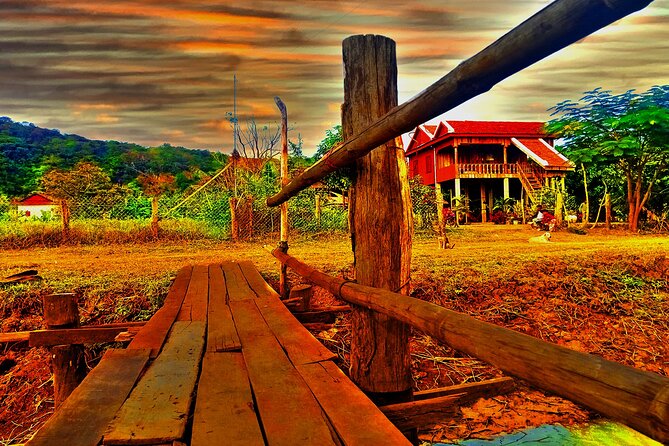
The route also passes through Cham and Javanese villages. This is one of the more valuable parts of the day because it moves beyond the standard temple circuit. You see how different communities preserve their own religious and cultural practices within the wider Cambodian setting.
The tour also includes contact with everyday food production. Depending on the day’s route and local activity, you may see traditional rice paper and bamboo sticky rice being made. Dried banana and fried spring rolls are among the local snacks associated with the outing. You may also stop at a fish market or learn how Khmer rice whiskey is produced.
These details make the tour feel less like a parade of monuments. A temple can tell you about religion, but a food workshop or market shows how people earn a living and eat at home. I would pay attention here, since these short village stops may be more distinctive than another quick photograph at a temple gate.
Riding the original bamboo train
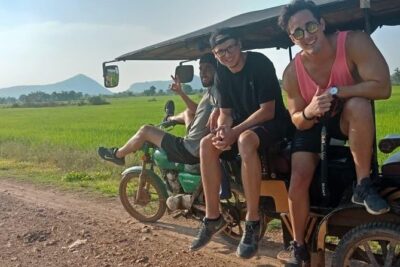
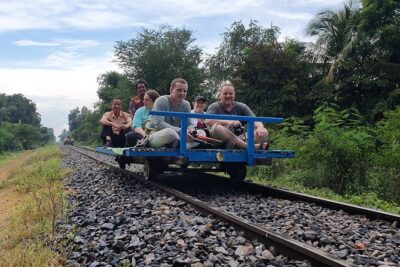
The bamboo train stop at Ou Srauo Laou is the day’s signature experience. You board a basic bamboo platform fitted to the railway and ride for about an hour. It is a simple machine, not a polished tourist attraction, and that is part of its appeal.
The ride takes you toward another village, with the open air and countryside providing the main entertainment. The platform is low and exposed, so you get a direct view of the track and surrounding fields. It is a short, memorable break from cycling.
The description of the route refers to an original, long-distance style of bamboo train ride. Admission is not included, so carry some cash and confirm the current charge with the guide. The tour includes all listed fees in one place, but the bamboo train is specifically excluded, and a separate $5 per-person fee is also shown in the cost details.
You should also keep your expectations sensible. This is not a smooth railway excursion with seats, shade, or onboard service. It is a rough-and-ready local ride. For many people, that makes it more interesting. If you need comfort at every stage, this will be one of the less refined parts of the day.
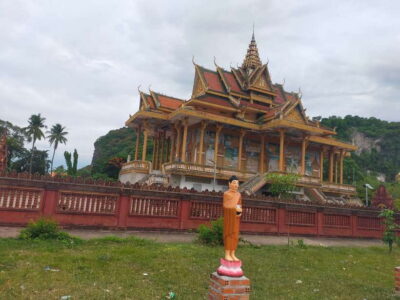
Climbing the ancient stairs at Wat Banan
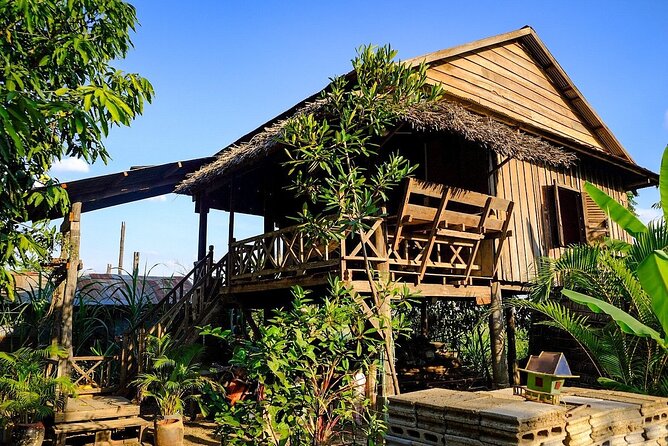
After the bamboo train, the route heads toward Wat Banan. The temple sits on a mountain and is reached by an old staircase. The climb is a real part of the visit, not a minor walk from a parking area.
At the top, you can see the temple and the countryside around it. Rice fields spread below, and the change in height gives you a different view of Battambang’s rural setting. The temple itself is the reward for the climb, but the view helps explain why this site is included in a full-day route.
Allow yourself time here. The itinerary gives roughly two hours for Wat Banan, including the climb and exploration. That should help you avoid rushing through the site.
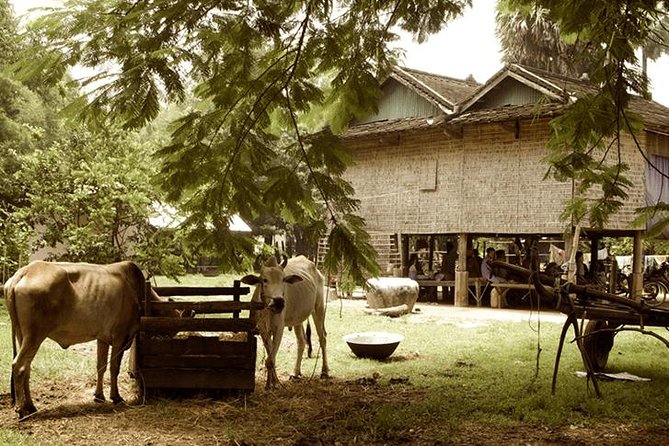
The stop may also include a visit to locals baking bamboo sticky rice. This food is prepared inside bamboo and is tied to Khmer cooking traditions. Seeing the process gives you a useful connection between the region’s agricultural life and the snacks you may sample during the day.
Wat Banan is best for you if you enjoy ruins, stairs, and open views. It is less suitable if you want an easy, flat day. Wear practical footwear and avoid treating the climb as a quick photo stop.
Same country, a completely different kind of day:
- Battambang Tuk Tuk tour: Bambootrain, Killing & Bat Caves,Sunset
★ 5.0 · 799 reviews - Local Livelihood Half Day Bike Tour in Battambang
★ 5.0 · 287 reviews - Explore Battambang full day tour by Tuk Tuk (start from 9am-6:30pm)
★ 5.0 · 240 reviews - Full Day tour .City tour.Countryside.Bamboo Train.Secret Bat Cave
★ 5.0 · 178 reviews
Phnom Sampov, the killing cave, and the bat cave
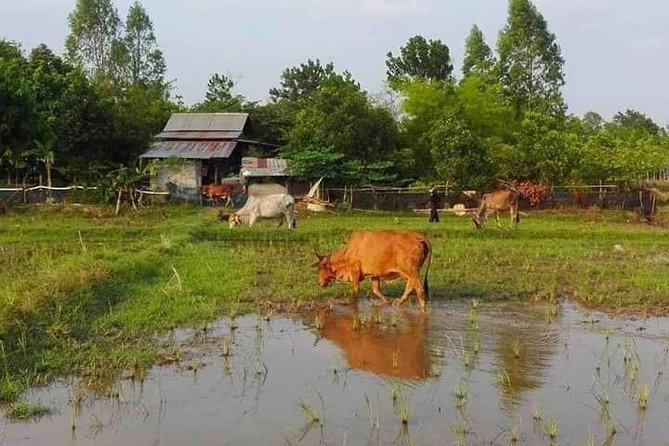
The final major section takes you to Phnom Sampov Mountain. The approach passes through countryside with rice fields and farmers working outdoors. After a day of villages and temples, this shift toward the mountain creates a strong final chapter.
The killing cave is the most serious stop. You see skulls and memorial material connected to victims of the Khmer Rouge period. The site is difficult, and it should not be treated as just another attraction. Give yourself time to take in what happened and to listen to the guide’s explanation.
This is where a well-informed local guide matters most. A guide who can explain the historical setting helps you understand why the cave is remembered and how it fits into Cambodia’s wider story. Mr Lychee is particularly praised for explaining Cambodian history, religion, and culture in a way that adds meaning to the places you visit.
The day also includes the bat cave area at Phnom Sampov. The mountain and surrounding rice fields provide wide rural views, while the bat cave brings a more dramatic natural element to the stop. The exact timing of the bats is not specified, so do not book the tour based on a guaranteed wildlife display at a precise hour.
You may find this final section emotionally demanding. That is not a flaw, but it is worth knowing before you go. The combination of scenic countryside, a Buddhist site, and a memorial connected to mass violence can make the day feel unusually varied.
Bicycle, tuk-tuk, and the practical rhythm of the day
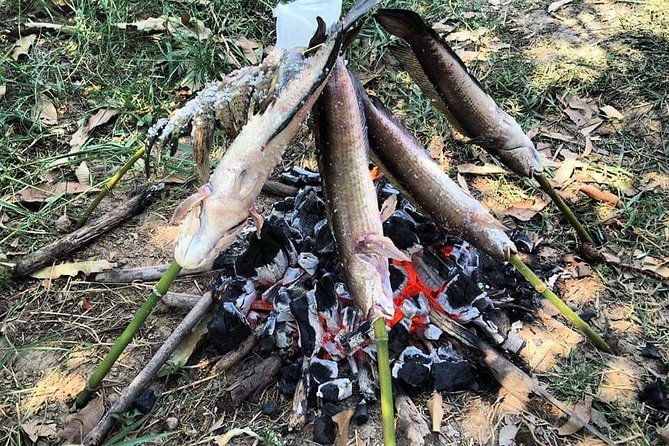
The tour is described as a cycling experience, with a quality mountain bike and helmet included. At the same time, transportation is provided by traditional tuk-tuk, including hotel pickup and drop-off. In practical terms, you should expect a mixed day, with cycling on the local roads and tuk-tuk transport connecting longer sections.
One detailed account puts the cycling distance at about 45 kilometers. That sounds intimidating if you are not a regular cyclist, but the same account points out that the roads are flat and the pace is relaxed. You should still be comfortable spending a long time on a bicycle, especially in Cambodia’s heat.
Tell the provider honestly about your cycling level. The group size is capped at 10, and the route is described as flexible, which may allow the guide to explain the day’s rhythm. Do not assume that flexible means easy. You still need enough energy for village roads, temple stairs, and the mountain section.
Mineral water and cold towels are included. Those are small details, but they matter on a full day outside. A helmet is included with the bike, and you should use it even if the roads feel quiet.
The tour is listed at $15, which is strong value for hotel pickup, a local English-speaking guide, a bike and helmet, tuk-tuk transport, water, cold towels, lunch, and entry to the listed sites. However, the pricing information also shows a $5 per-person fee, and the bamboo train ticket is not included. I would treat the advertised price as a starting point and confirm the final total before setting out.
Lunch, snacks, and the value of local stops
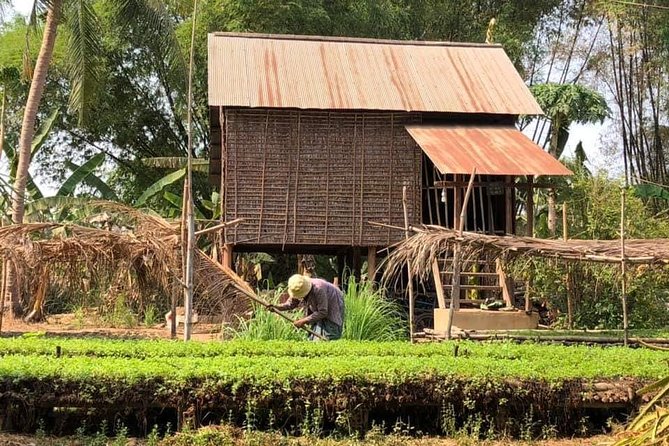
Lunch is served at a typical Cambodian restaurant. The exact menu is not specified, so you should not book this expecting a particular dish. The value comes from having a proper meal during a long route rather than needing to arrange food yourself.
The snacks are more revealing than a standard restaurant meal. Dried banana, fried spring rolls, bamboo sticky rice, and possible visits to food producers bring you closer to local habits. You may also see rice paper being made and learn about Khmer rice whiskey.
These stops are not merely filler between temples. They help you understand Battambang as a farming and food-producing area. The experience is strongest when you stay curious and ask how ingredients are grown, prepared, sold, and shared.
Who should book this day?
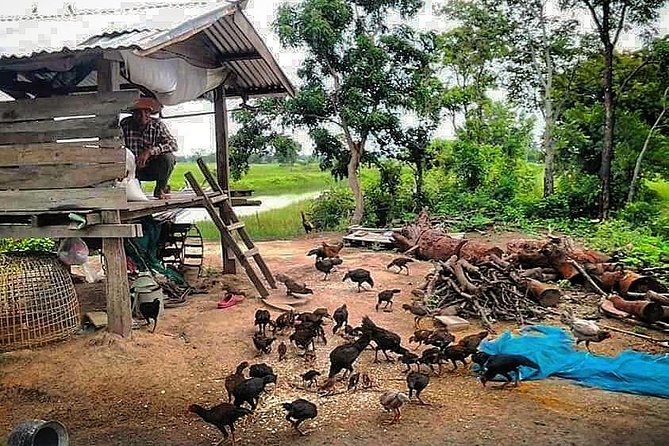
I would choose this tour if you want Battambang’s major sights plus a useful look at life outside town. It suits active people who like mixing cycling, tuk-tuk rides, temples, food, and difficult historical sites.
It is also a good choice for first-time visitors who want one organized day. The guide handles the route, transport, and explanations, while the small group keeps the outing more personal than a large coach trip. Solo visitors and couples may especially value the hotel pickup and the chance to ask questions.
I would think twice if you want a slow temple tour, dislike bicycles, or find stairs difficult. The day is long, and the killing cave may be upsetting. The price is low, but the packed itinerary means you trade comfort and spare time for variety.
Booking is also easier to justify if you value a guide’s local knowledge. The strongest part of the day is not any single stop. It is the link between the statue, pagoda, villages, food makers, bamboo train, temple, and memorial site.
Should you book the Battambang bamboo train and temple tour?
Yes, if you want an active and wide-ranging introduction to Battambang. You get countryside, local food, religious sites, the bamboo train, Wat Banan, and Phnom Sampov in one day, with a guide who can explain the culture and history along the way.
Before booking, confirm the final price, the bamboo train charge, the expected cycling distance, and whether your day will include the fishing and whiskey-making elements described for the route. If those details suit you, this is an efficient way to see far more than the city center.
FAQ
How long does the experience last?
It is described as a full-day experience. The supplied duration is approximately 1 day and 16 hours, which appears unusual, so confirm the exact start and finish times with the provider.
Is hotel pickup and drop-off included?
Yes. Hotel pickup and drop-off are included, along with transportation by traditional tuk-tuk.
Is the tour private or shared?
It is described as a private activity for your group, with a maximum group size of 10 people.
Is the bamboo train ticket included?
No. Admission for the bamboo train is not included. The experience also lists a separate $5 per-person fee, so confirm all additional charges before departure.
What equipment is provided for cycling?
A mountain bike and helmet are included. Mineral water and cold towels are also provided during the day.
Can I cancel for a full refund?
Yes, if you cancel at least 24 hours before the experience start time. Cancellations made less than 24 hours in advance are not refunded, and changes within that period are not accepted.
More Train Experiences in Battambang
- AfternoonTour.Bamboo train.killing cave with Secret bat cave
★ 5.0 · 41 reviews - Full Day-Tour: Handicraft, Bamboo train, Killing cave. Bat cave
★ 5.0 · 29 reviews - Full day tour by bicycle & tuk tuk,bamboo train,bat cave,villages
★ 5.0 · 27 reviews - Afternoon tour to Original Bamboo train. Bat cave. Killing cave
★ 5.0 · 25 reviews
More Bat Cave Tours in Battambang
- Afternoon Tour: Bamboo Train, Killing Cave &Bat Cave
★ 5.0 · 73 reviews - Battambang: Bamboo Train, Bat Cave and Killing Cave Tour
★ 4.9 · 58 reviews - Afternoon Tour BambooTrain & Bat Cave
★ 5.0 · 57 reviews - A Day TukTuk Bambootrain, Banan, Killing & Bat Caves, Sunset
★ 4.9 · 48 reviews
Just added around Battambang
- Bamboo Train, Banann Temple, Fruit Bat, Bat Cave, Sunset★ 4.2 · 3 reviews
- Afternoon tour to Original Bamboo train. Bat cave. Killing cave★ 5.0 · 25 reviews
- Private Taxi Transfer Battambang from/to Phnom Penh★ 5.0 · 7 reviews
- Private Taxi Transfer From Battambang – Siem Reap City★ 5.0 · 4 reviews
- Afternoon Tour BambooTrain & Bat Cave★ 5.0 · 57 reviews
- Private Boat from Battambang to Siem Reap via Tonle Sap Lake★ 4.5 · 3 reviews
- Explore local livelihood & countryside (Half-Day Cycling Tour)★ 5.0 · 19 reviews
- Full/Half Day Tuk TuK: Handicrafts Bambootrain Killing&Bat Caves★ 5.0 · 14 reviews
Bamboo Train Tours, compared.
Tuk-Tuk, Bamboo Train, Killing/Bat Caves, Sunset
Read our review →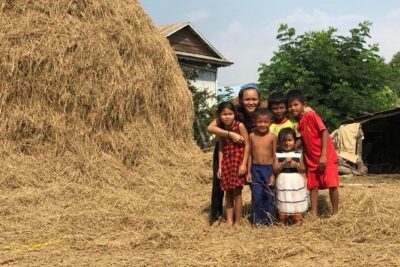
Afternoon tour by tuk tuk to bamboo train,bat cave,killing cave,countryside.
Read our review →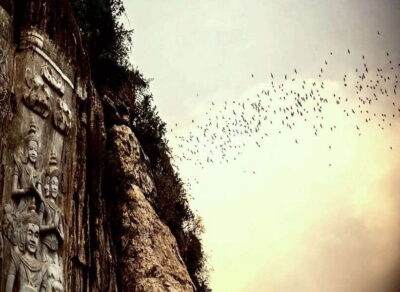
Battambang Full Day Tour from Siem Reap – Bamboo Train, Killing Cave & Sunset
Read our review →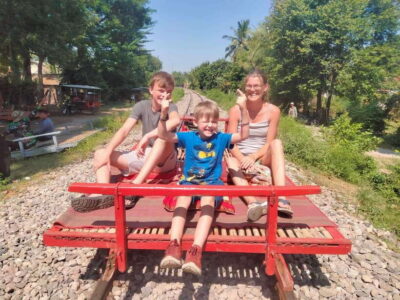
Afternoon Tour: Bamboo Train, Killing Cave &Bat Cave
Read our review →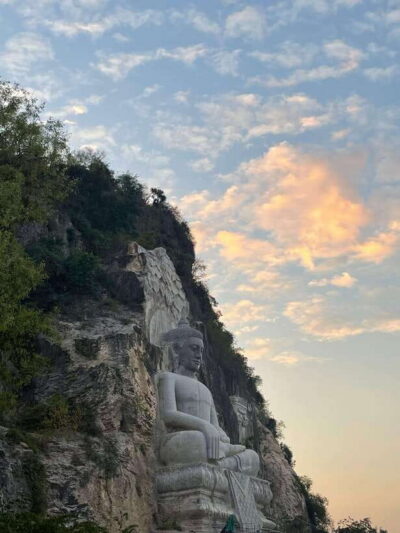
Full Day From Siem Reap – Bamboo Train, Killing Cave & Sunset
Read our review →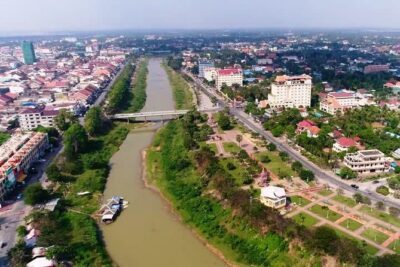
Battambang Day Trip from Siem Reap-Bamboo Train, Bats Cave
Read our review →Browse the lists this tour appears in