
Reviewed · FLOATING VILLAGE TOURS
From Siem Reap: Tonle Sap Floating Villages Tour
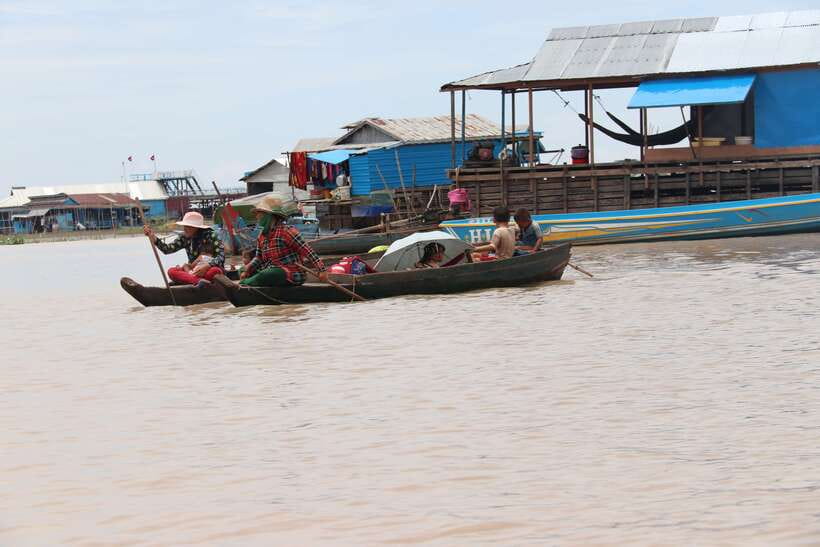
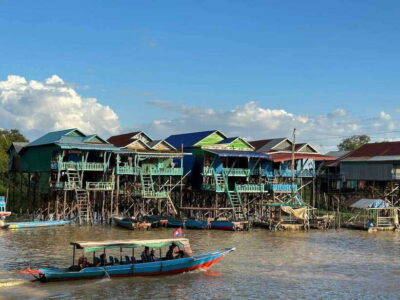
The most memorable part of this Siem Reap excursion is seeing a community built around water. Floating houses, schools, markets, churches, fish farms, and boats replace the streets and roads you know. Tonle Sap Lake feels less like a sightseeing backdrop and more like a working town that happens to move with the water.
I like the lotus stop, where you can photograph the flowers and learn how the plant is used from stem to bloom. I also like the human side of the trip: guides such as Moni, Mali, Sopheak, and Supec have been praised for clear explanations and friendly care. The main drawback is that some parts are viewed from the boat rather than explored on foot, so this is an observation tour, not a close-up village visit.
Key points
- Floating life in plain view: See homes, schools, markets, churches, and working boats on Tonle Sap.
- A useful lotus stop: Learn about lotus fiber, fruit, flowers, and its place in Buddhist culture.
- Small-group format: Groups are limited to 11 people, with a private boat trip and English-speaking guide.
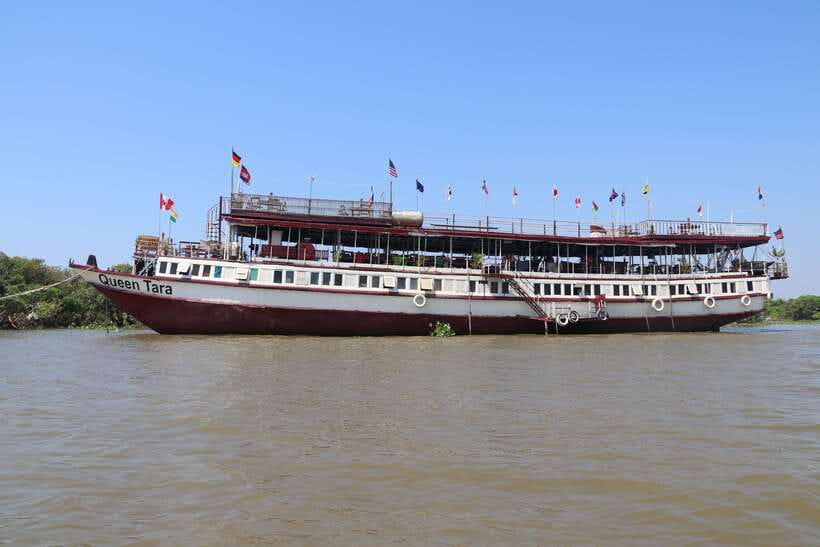
- Queen Tara lunch: Stop for a meal and two free drinks on a larger boat in the village.
- Birdwatching chance: Keep your eyes open for painted storks and spot-billed pelicans near the bird sanctuary.
- Easy half-day plan: Hotel pickup and return, transport, entrance fees, lunch, and cold towels are included.
What this Tonle Sap trip really shows you
Tonle Sap is the largest freshwater lake in Southeast Asia, and local life changes with its water levels. Homes and businesses are built to function on the lake, while boats take the place of taxis, delivery vans, and school buses.
I find this more valuable than a simple scenic cruise because your guide explains how Khmer, ethnic Vietnamese, and Cham communities came to live around the lake. You also hear about the pressures facing the villages and their floating homes. That context helps you see the boats and buildings as part of a living system, not as a staged attraction.
The lake and its rivers were named a UNESCO biosphere reserve in 1997 because of their high biodiversity. The nearby bird sanctuary adds another layer to the trip. You might spot painted storks or the large colony of spot-billed pelicans, though bird sightings depend on conditions and luck.
The scheduled departure is 10:00 in the morning, and the complete outing takes about four hours from your hotel and back. That makes it a sensible addition to an Angkor-focused visit, especially if you want one slower morning away from temples.
More Floating Village Tours in Siem Reap:
- From Siem Reap: Kampong Phluk Floating Village Tour by Boat
★ 4.9 · 6,979 reviews - Sunset tour of Kampong Phluk stilts home village on the Tonle Sap
★ 5.0 · 4,865 reviews - Siem Reap: Kampong Phluk Floating Village Tour with Boat
★ 4.9 · 3,843 reviews
From your Siem Reap hotel to the lotus fields
Your day begins with round-trip transportation from your Siem Reap accommodation. This matters more than it may seem. You do not need to bargain with a tuk-tuk driver, arrange a separate boat, or work out how to reach the port.
On the road to the lake, the tour can stop at a lotus plantation for photographs. Lotus flowers hold an important place in Buddhism, and the guide explains the plant’s practical uses. The stem, flower, and fruit all have a role, and the plant can even produce a fine fiber used for fabric and hammocks.
The lotus stop is brief, and you should keep your expectations in check. It is a pleasant introduction to the region rather than a major attraction on its own. Still, it gives the morning a local, rural feel and breaks up the transfer to the water.
One particularly good detail is the chance to try lotus fruit. If your guide offers it, take the opportunity. It is a small taste of the plant’s everyday role, and it makes the stop more than a photo pause.
Boarding the private boat on Tonle Sap
At the port, you board a private boat for the main part of the outing. The small-group limit is 11 people, which should make it easier to hear the guide and find a good place to look out across the lake.
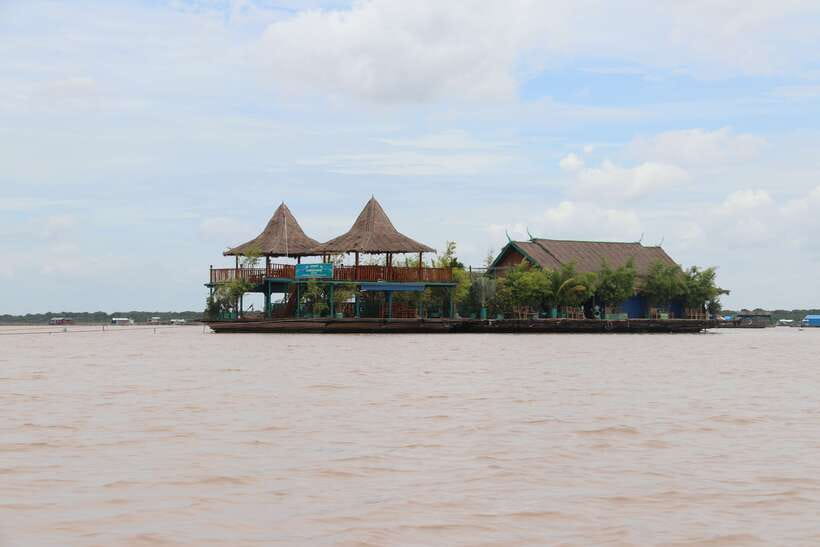
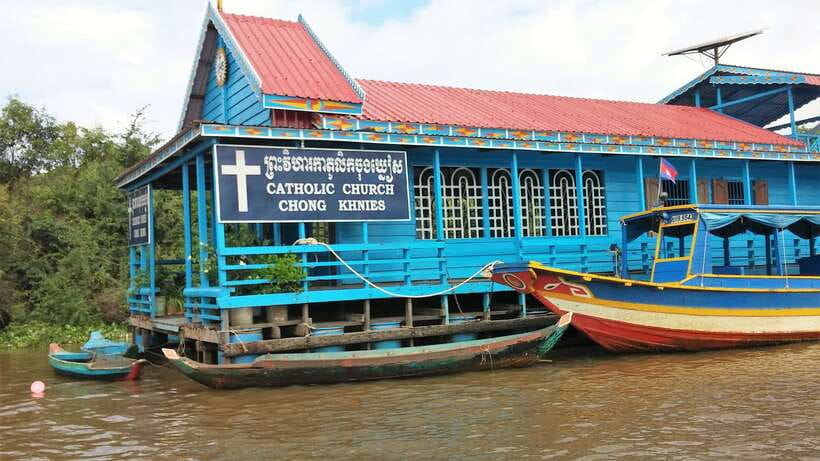
The boat ride is the heart of the experience. You pass floating homes and community buildings, and you get a sense of how the village operates without conventional roads. Schools, markets, and even churches appear among the houses, showing that this is a complete community rather than a line of tourist boats.
I would pay close attention to the guide here. The best part of the boat ride is not simply seeing a house on pontoons. It is learning how people adapt to the lake, how the communities developed, and what may threaten their future. Guides named Moni, Mali, Sopheak, and Supec have all been singled out for friendly, informative service, though the exact guide for your departure will depend on availability.
English is the tour language. One past guest found the guide’s English understandable but strongly accented, while other guides were described as speaking very well. The practical advice is simple: listen closely, and ask questions when you need a point repeated.
Floating homes, markets, schools, and churches
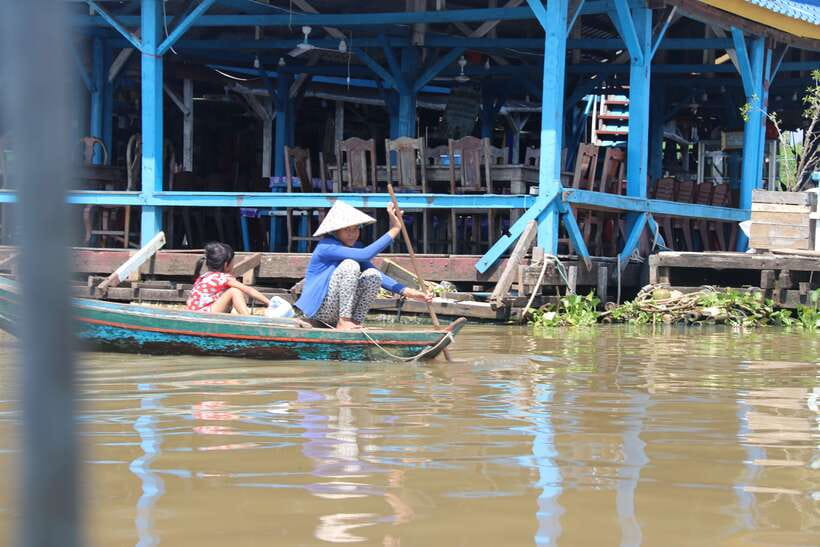
The village is best understood from the water. You see houses that float, buildings that are raised, and boats carrying people through the community. The view gives you a useful sense of scale and daily routine, even though it does not put you directly inside local homes.
This is also where the tour’s limitation becomes clear. Some stops involve passing by and looking from the boat rather than walking through the village. If you want a long, on-foot encounter with residents, shops, or private spaces, this trip may feel too distant.
I see that distance as partly appropriate. These are working communities, not an open-air museum, and a boat-based visit avoids turning every home into a photo display. Still, you should book this knowing that the experience is mainly about observation, explanation, and the changing view from the water.
The guide also discusses the future of the floating villages. Water conditions, environmental pressures, and changes affecting the lake all matter to the people who depend on it. The tour does not promise a simple answer to those problems, but it does help you understand why survival here is complicated.
More Tonle Sap Lake Tours in Siem Reap:
- Siem Reap: Kulen Mountain, Beng Mealea and Tonle Sap Tour
★ 5.0 · 1,483 reviews - Tonle Sap Lake & Kampong Phluk Village Half-Day Tour
★ 5.0 · 1,045 reviews - Kulen Mountain with Beng Mealea and Tonle Sap Small Group Tour
★ 5.0 · 780 reviews - Siem Reap: Tonle Sap, Kampong Phluk & Floating Village Tour
★ 4.4 · 397 reviews
The crocodile and fish farm stop
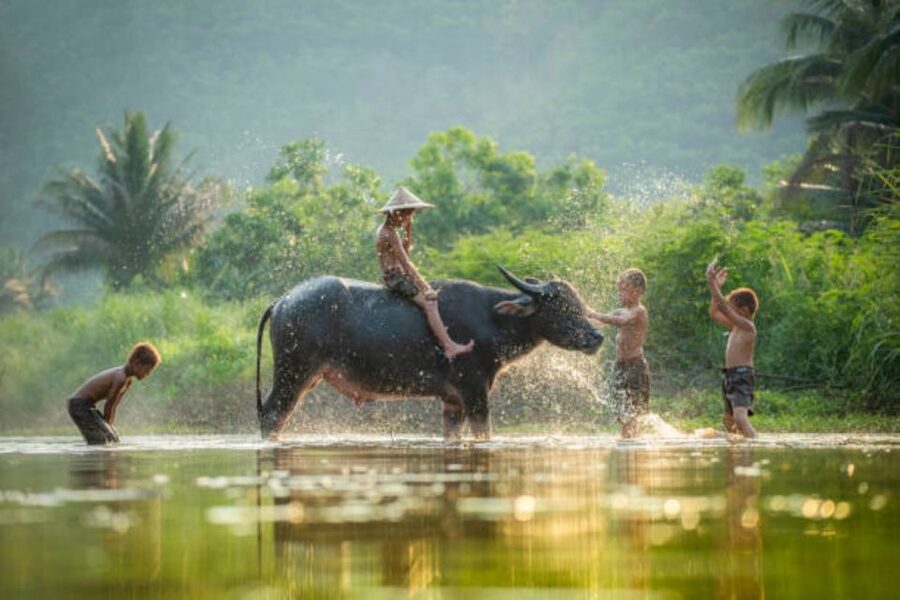
Depending on current water levels, the boat may stop at a floating crocodile and fish farm. This is one of the more unusual parts of the route, and it gives you a look at a working activity connected to the lake.
The stop may also include a souvenir shop. That can feel more commercial than the rest of the trip, so I would treat it as an optional part of the experience rather than the main reason to book. The farm is interesting because it connects the village economy with the lake, but the amount of time spent there can vary with water conditions.
Do not count on this stop as a guaranteed feature. The supplied tour details specifically say it depends on current water levels. That is an important point for anyone building a tightly timed day.
Lunch aboard Queen Tara
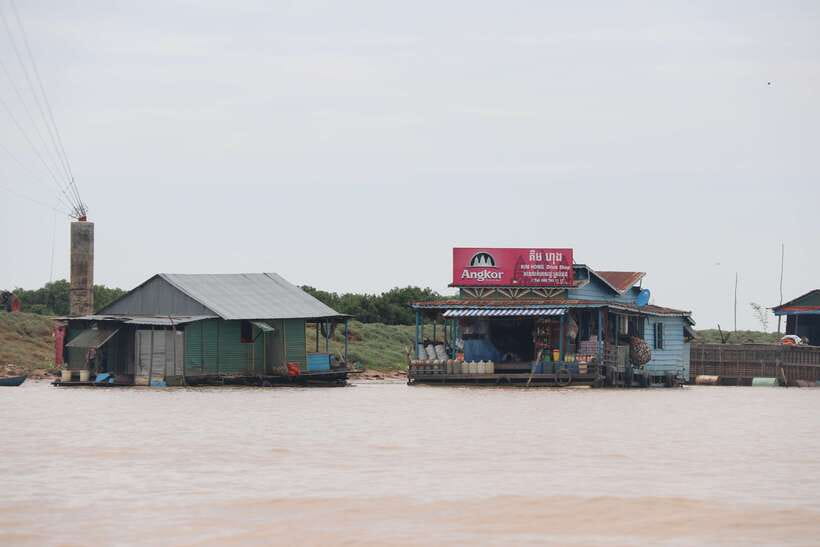
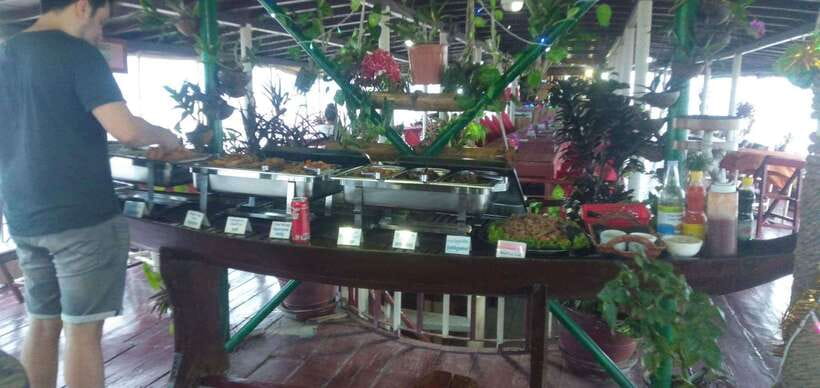
The tour continues to Queen Tara, a larger boat in the center of the floating village. Lunch is included, along with a couple of free drinks. This is a comfortable pause after the smaller boat ride and gives you time to take in the scene without constantly moving.
The food has been described as freshly cooked and very good, and a vegetarian option is available if you request it when booking. I appreciate that the meal is built into the price because eating on the lake can otherwise mean finding a separate restaurant or accepting an unplanned stop.
Queen Tara is also a social part of the outing. A small group of up to 11 people can share a table, compare impressions, and enjoy a slower stretch of the morning. If you prefer a completely private meal, this may not be the right format, but for most people it is a pleasant part of the half-day plan.
The lunch stop is not just a practical refueling break. It lets you look back at the village from a larger boat and think about how much of the community’s life is tied to transport by water.
Birdwatching near the sanctuary
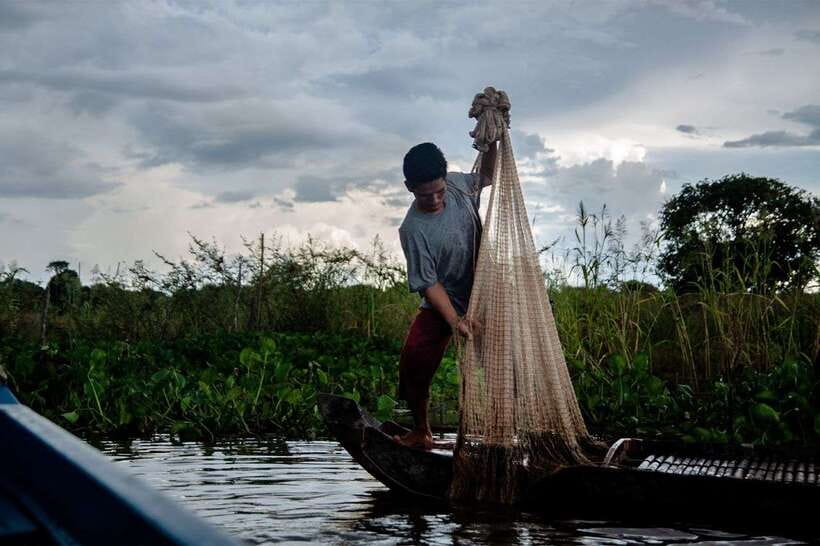
Keep your camera ready as the boat moves through the lake and nearby waterways. The reserve is home to a bird sanctuary, with painted storks and spot-billed pelicans among the species you may see.
This is not presented as a specialist birding tour, so I would not book it solely for guaranteed sightings. Instead, consider the birds a valuable bonus to the village visit. Bring patience, watch the open water and shoreline, and listen to your guide if a bird appears nearby.
The birdlife also explains why Tonle Sap matters beyond human settlement. The lake supports communities, fish, farms, and wildlife in the same broad environment. That connection gives the boat ride a wider meaning.
What the $65 price includes
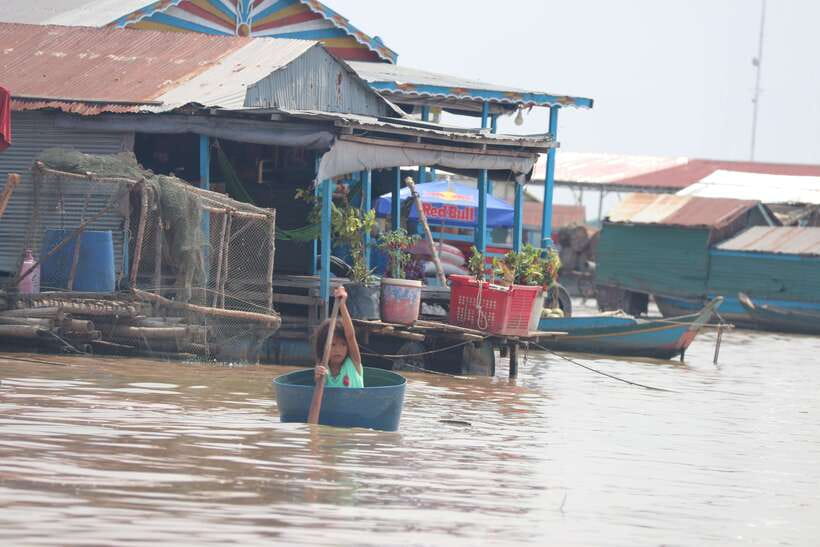
At $65 per person, this is not the cheapest way to spend a morning near Siem Reap. For a four-hour activity, the price may look high beside a simple tuk-tuk ride or an informal boat arrangement.
The value improves when you count what is bundled:
- Hotel pickup and return
- Transportation to the port
- An English-speaking guide
- Private boat trip
- Entrance fees
- Lotus plantation stop
- Lunch at Queen Tara
- Two free drinks
- Cold towels
You are paying for a planned route and a guide who can explain what you are seeing. You also avoid arranging separate transport, tickets, a boat, and lunch. For a solo visitor or anyone who does not want to negotiate with several local operators, that convenience has real worth.
I would compare this with the quality of your available time. The trip costs more than a basic half-day outing, but it covers a distinctive part of Cambodia that Angkor temples cannot show you. If you have only a short stay and want every hour focused on Angkor Wat, the price may be harder to justify. If you want a quieter contrast to temple touring, it earns its place.
Who will get the most from this half-day outing
I recommend the tour for you if you want to understand how people live on Tonle Sap, not just take a boat ride. It suits visitors who enjoy cultural context, photography, rural scenery, and a calm schedule.
It is also a good choice for solo visitors. One solo participant was picked up at the hotel and joined a friendly group, which is easier than trying to organize a private lake visit alone. Families can book too, but unaccompanied minors are not allowed, and children must be with an adult. Children aged 10 or under pay half price, while children aged 5 or under go free.
Birdwatchers may enjoy the chance to see pelicans and painted storks, but I would not treat sightings as certain. The same applies to the crocodile and fish farm, which depends on water levels.
The tour is less suitable if you want extensive walking, a long village visit, or complete control over the day. It is a guided, fixed four-hour experience with a boat-based view of the community.
Timing, comfort, and useful preparation
The scheduled departure is 10:00, and the trip operates in all weather. Dress for sun, heat, and changing conditions on the water. A light layer may help, but breathable clothing is the safer choice for a warm morning.
Cold towels are included, a small comfort that matters after time outside. Lunch is included as well, but tell the operator about a vegetarian meal when you book rather than waiting until the day of the trip.
Confirmation arrives within 24 hours of booking, subject to availability. You can cancel up to 24 hours before departure for a full refund, and the reserve-now, pay-later option lets you keep your plans flexible.
I would leave extra room in your day after returning. The advertised duration is four hours door-to-door, but water conditions, loading, and road traffic can affect the exact timing. Do not schedule a tight airport transfer immediately afterward.
My verdict on the guide-led approach
The guide can make or break this kind of outing. A floating village is easy to look at and surprisingly difficult to understand without explanation. The better guides add the missing pieces: community origins, Khmer, Vietnamese, and Cham life, the effects of seasonal water levels, the lake’s wildlife, and the pressures facing floating homes.
Names that appear in the tour’s history include Moni, Mali, Sopheak, Supec, Pizet, and Mary. Their reported strengths vary from strong English and detailed explanations to humor, patience, and careful attention to the group. You cannot choose a particular guide in advance from the information provided, but the operation clearly depends on local English-speaking guides rather than a remote commentary.
The small-group format helps. With no more than 11 participants, you have a better chance to ask questions and hear the answers than on a large coach tour. I would use the quiet stretches of the boat ride to ask about the lake, the villages, and the seasonal changes.
Should you book this Tonle Sap tour?
Book it if you want a well-organized introduction to floating life, with transport, a guide, a private boat, lunch, and a lotus stop handled in one package. The combination of village views, bird habitat, and practical cultural explanation gives you a worthwhile change from Siem Reap’s temples.
Skip it if you are looking for an intimate walk through the village or a low-cost independent boat ride. Much of the community is seen from the water, and the crocodile farm may not operate on your route.
For most people, I see this as a strong half-day choice at a moderately high price. The experience is calm, informative, and different from the usual Siem Reap program. Keep your expectations focused on learning and observation, and the $65 package makes good sense.
FAQ
How long does the Tonle Sap floating villages tour last?
The activity lasts approximately four hours door-to-door, including pickup from and return to your Siem Reap accommodation.
What time does the tour depart?
The stated departure time is 10:00.
Is hotel transportation included?
Yes. Round-trip transportation from Siem Reap hotels is included.
Is lunch included?
Yes. Lunch is served at Queen Tara, along with a couple of free drinks.
Is a vegetarian meal available?
Yes. A vegetarian option is available, but you should request it when booking.
How large is the tour group?
The tour is limited to 11 participants and includes a private boat trip.
Can children join the tour?
Children can join when accompanied by an adult. Children aged 10 or under pay half price, children aged 5 or under are free, and unaccompanied minors are not allowed.
Just added around Siem Reap
- Ultimate Sunrise to Angkor Wat, Angkor Thom and Bayon Temple★ 5.0 · 3 reviews
- Twilight Tastes of Siem Reap Include Dinner★ 5.0 · 13 reviews
- Trekking Tour at Phnom Kulen National Park from Siem Reap★ 5.0 · 3 reviews
- Full-Day Private Tour of Angkor Wat with Pick Up★ 5.0 · 12 reviews
- Private Day Trip to Angkor Temples with Expert Guide★ 5.0 · 4 reviews
- Waterfall & River of 1000 Siva Linga- Kulen Mountain Private Tour★ 5.0 · 3 reviews
- Professional Photo Shoot in Angkor Archaeological Park, Siem Reap★ 5.0 · 42 reviews
- Ultimate Siem Reap Food Tour by Tuk Tuk – 20 Tastings, 8 Stops★ 5.0 · 13 reviews
Floating Village Tours, compared.
Sunset tour of Kampong Phluk stilts home village on the Tonle Sap
Read our review →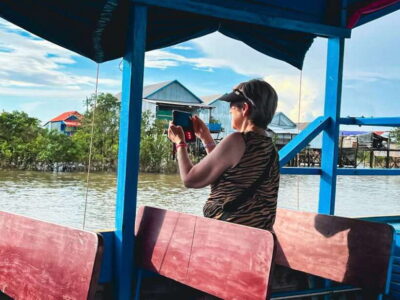
Kampong Phluk Floating Village Tour with Boat
Read our review →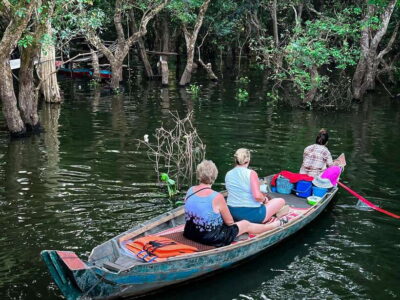
Siem Reap Floating Village Kampong Phluk Sunset with Boat
Read our review →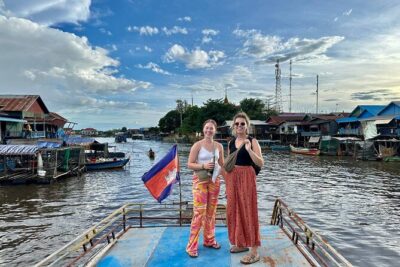
Kompong Phluk Floating Village Half-Day Tour ( Morning / Sunset )
Read our review →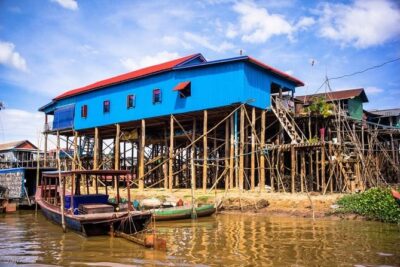
Tonle Sap Lake & Kampong Phluk Village Half-Day Tour
Read our review →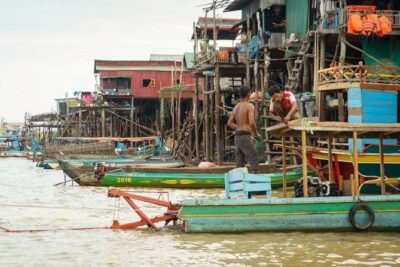
Browse the lists this tour appears in