
Reviewed · SIEM REAP TOURS
Siem Reap: 1-Hour Cambodian Buddhist Water Blessing
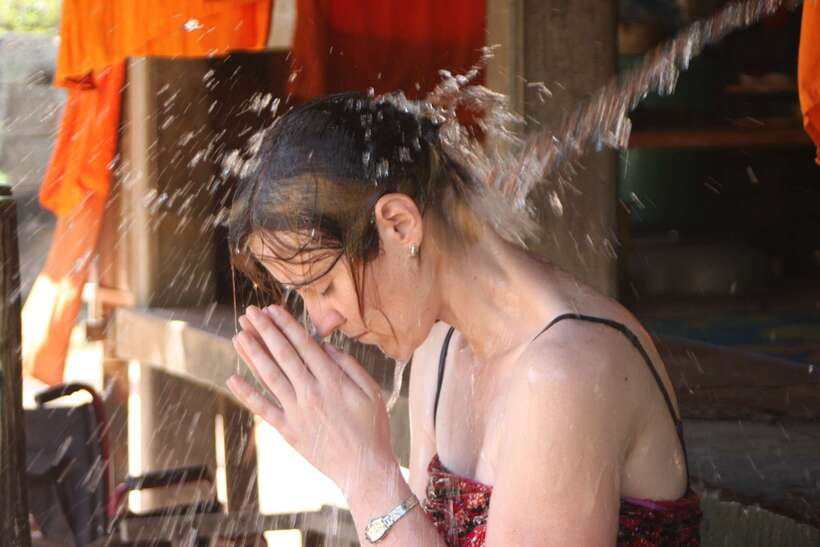
At Wat Arang Pagoda, monks chant over you while blessed water is sprinkled or poured across your head. This is not a temple photo stop. It is a living Cambodian ritual, and the red strings tied around your wrist give you a small reminder to carry home. I especially like the chance to learn from guides such as Sokha and Lee, who explain the ceremony and monastery customs in clear English. The tuk-tuk ride and local market visit also make this more than a quick blessing.
I like the choice between a brief sprinkling and a much wetter, more dramatic ceremony. I also appreciate that the price includes a donation to the pagoda, with food supplied for the monk’s work helping older, sick, and poor people. The main caution is simple: the full ritual can leave you thoroughly soaked, and one person found the water drowned out the chanting. Ask which blessing you are receiving before it begins.
Key points to know before you book
- Wat Arang Pagoda is south of Siem Reap: A short tuk-tuk ride takes you away from the main temple circuit and into a functioning religious setting.
- You choose between two blessings: One uses chanting and light sprinkling, while the longer ritual pours blessed water over your head.
- The full blessing is genuinely wet: A sarong is supplied, but bring extra underwear and, if you have long hair, an extra towel.
- The guide makes the ceremony easier: Your English-speaking guide explains the protocol, Buddhism, and the pagoda, and can take photos during the ritual.
- A local market visit is included: You pass the market used for daily shopping, including food and household goods.
- The two-hour booking includes more than the one-hour blessing: Allow time for pickup, the pagoda visit, changing, questions, and the market stop.
What this Siem Reap blessing really offers
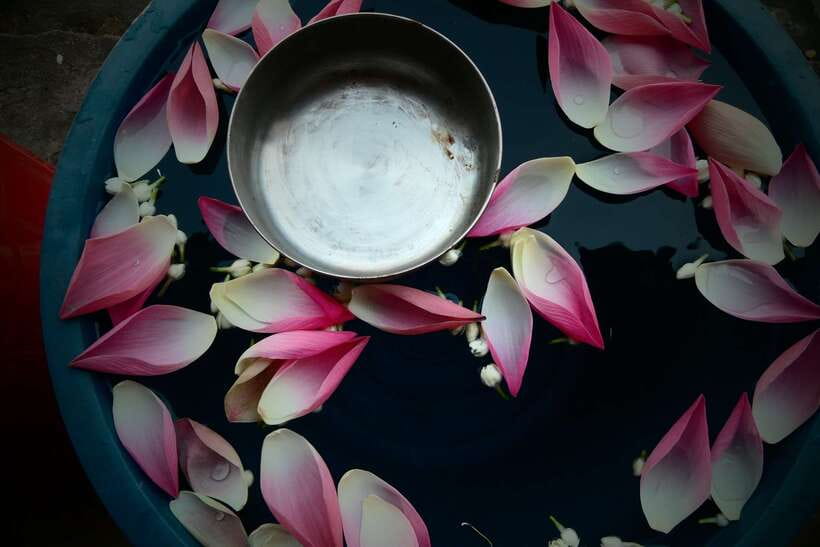
Cambodian Buddhist water blessings are old customs, practiced to wish people good luck, safe travel, and long life. At Wat Arang, the ceremony takes place with monks living at the pagoda, not as a staged show built around the Angkor temples.
That distinction matters. Siem Reap is famous for carved stone ruins, but this experience gives you time at a working monastery where religious life continues. You are not simply looking at an ancient building. You are taking part in a brief ritual, with an English-speaking guide nearby to explain what is happening and how to behave.
The experience is listed as a one-hour water blessing, while the full activity lasts about two hours. That longer window covers hotel pickup, the tuk-tuk ride, time at the pagoda, changing clothes, questions, and the market visit. Plan for the whole two hours rather than treating it as a quick stop between temple visits.
The ceremony itself can be quiet and personal. Some people find the chanting and water calming. Others enjoy the unexpected comedy of being drenched by a bucket after expecting only a few drops. Both reactions are perfectly understandable.
A few more Siem Reap trips to weigh up
- Unlimited Drinks! Pre-Game Session – 1 Hour
★ 4.5 · 7 reviews
The tuk-tuk ride south from Siem Reap
Pickup is included from your hotel at the time shown on your booking. A driver takes you by tuk-tuk toward Wat Arang Pagoda, which is located in the countryside just south of Siem Reap.
The ride is part of the change in pace. You leave the busy tourist center and head toward a place used by local people for worship and community life. The exact driving time is not fixed in the activity details, but one account describes a roughly 15-minute trip to the monastery. Your timing can vary with the hotel location and road conditions.
Your guide may meet you during the ride or at the pagoda, depending on the local arrangement. Guides named in past bookings include Sokha and Lee. The important point is that you have a person to explain the ritual before you sit with the monk. That preparation is useful because Buddhist customs can be easy to misunderstand if you arrive without context.
This is also a practical point for solo visitors. You may not be able to take photos during the ceremony, so the guide can handle your phone and photograph the event for you. Several accounts specifically praise the guides for taking many photos and videos, though you should still hand over your phone only if you are comfortable doing so.
Walking through the local market
The included market stop adds a welcome dose of everyday Cambodia. Rather than another monument, you pass through the market local people use to buy ordinary supplies. The descriptions include meat, fish, vegetables, and even gold.
That mix tells you what makes the stop worthwhile. It is not only a place to look at colorful stalls. It shows the practical side of local life, from daily food shopping to jewelry purchases. Your guide can explain what you are seeing and answer questions about Cambodian customs.
The market is a short part of the experience, not a long shopping tour. You will not be given a major block of free time for buying personal items, and personal expenses are not included. Bring small spending money only if you want to purchase something, and remember that the central reason for the outing is the pagoda ceremony.
I like this pairing because the market keeps the pagoda visit grounded. You see the setting where people shop, then visit the religious place that serves the community. It gives you more to think about than a blessing performed in isolation.
Arriving at Wat Arang Pagoda
At the pagoda, your guide walks you around the grounds and explains the temple, monastery, Cambodian culture, and Buddhist practice. Some guides bring personal experience to the explanation. One guide had been a monk when younger, which added useful insight into Buddhism and monastic life.
You will make an offering to the monk, and the activity price includes the needed donation to the pagoda. Foodstuffs may also be provided as part of the donation. The contribution supports the monastery’s work with people who need food, shelter, or assistance, according to the information supplied for the experience.
The guide also explains the correct protocol. This is important because the ceremony is intimate and formal, even though the mood can be friendly. You will be shown where to sit and what to do, so you do not need prior knowledge of Buddhist customs.
Take a moment to look around before changing clothes. The pagoda is a functioning religious place, and the walk through its grounds gives you a better sense of the setting. You may also have a chance to ask the guide about the monks, the temple, and how the monastery serves local people.
Same country, a completely different kind of day:
- Angkor Wat Sunrise or Sunset Tour with Guide from Siem Reap
★ 5.0 · 12,109 reviews - Siem Reap: Angkor Wat: Small-Group Sunrise or Sunset Tour
★ 5.0 · 9,444 reviews - From Siem Reap: Kampong Phluk Floating Village Tour by Boat
★ 4.9 · 6,979 reviews - Sunset tour of Kampong Phluk stilts home village on the Tonle Sap
★ 5.0 · 4,865 reviews
Choosing the light sprinkling or full water ritual
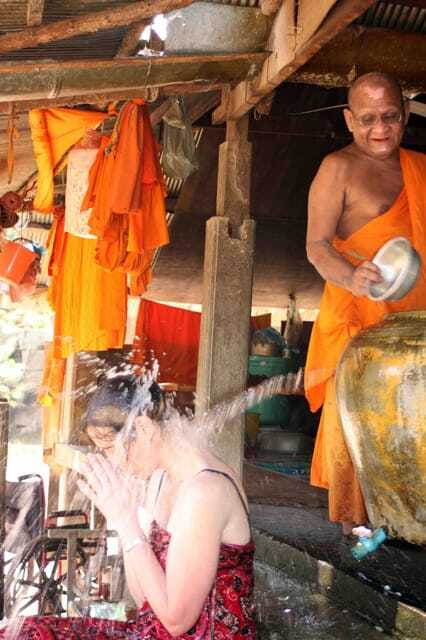
There are two forms of blessing.
The first is the shorter option. Monks chant in unison while wishing you good luck, safe travel, and a long life. Water is lightly sprinkled over you, so this version works well if you want the ritual without changing clothes or getting drenched.
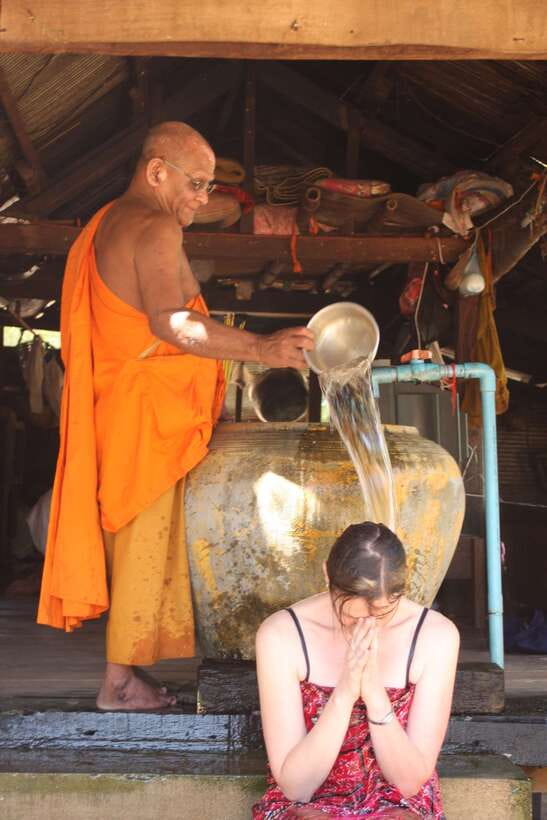
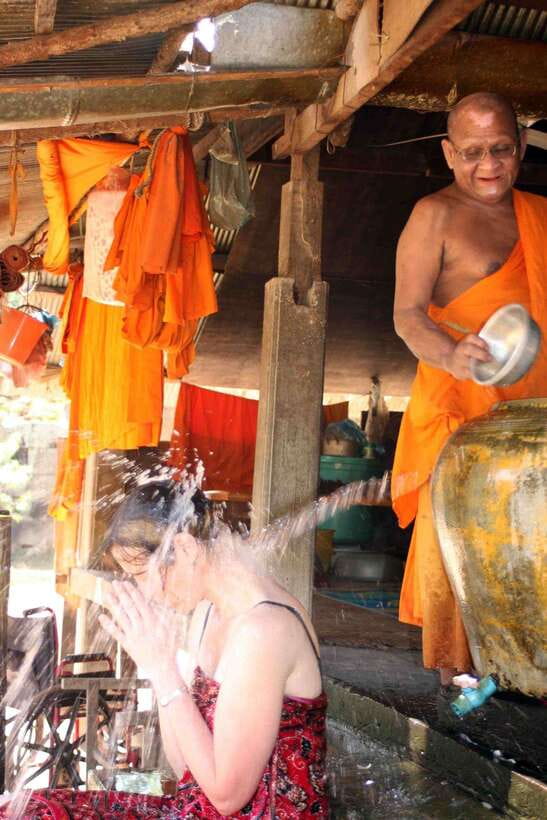
The second is a longer ceremony. Blessed water is poured over your head while the monks chant. You receive a sarong so your own clothing remains dry, then change back after the ritual. The water can come in quantities larger than you expect, so do not assume this means a few gentle drops.
The supplied information says you can choose between the two forms, but one person reported not being given a choice. I would settle this with your guide before the ceremony starts. If you want the full ritual, say so clearly. If you prefer to remain mostly dry, make that clear too.
The chanting is an important part of the experience. During the full ritual, the sound of the water can make it hard to hear every word. That does not make the ceremony meaningless, but it can change what you take from it. If hearing the chants matters most to you, the lighter blessing may be the better choice.
What happens during the monk-led ceremony
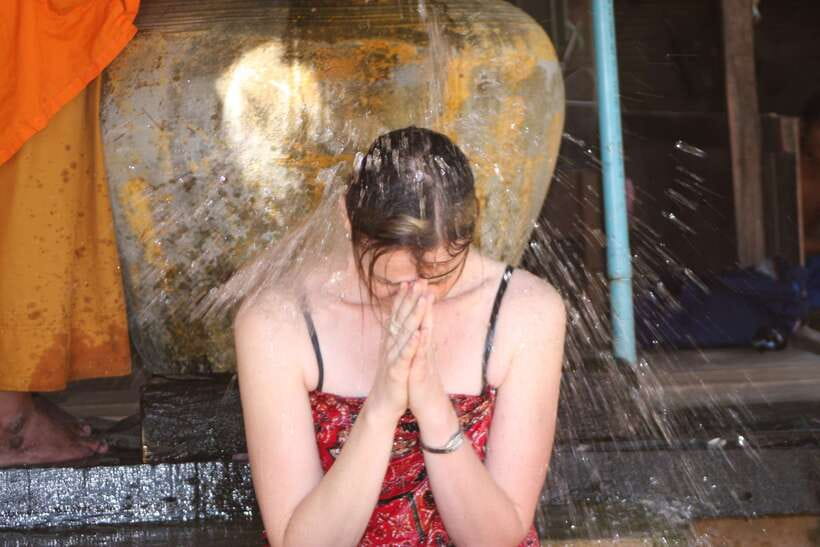
After the guide explains the procedure, you sit before the monk. The monk chants while the water is used as part of the blessing. The ritual can last longer than expected, especially if you imagined a short sprinkling and selected the full version.
The atmosphere is serious but not stiff. One account describes a monk laughing when the sudden buckets caused a visitor to chuckle. That small human moment is useful to remember. You should follow the guide’s instructions and show respect, but you do not need to behave as if you are taking part in a solemn stage performance.
Some people connect the ritual with purification, the soul, or the release of negative energy. The activity is presented as open to everyone, and one detailed account described it as not requiring a specific faith. Still, you should approach it respectfully rather than treating it as a novelty or a photo opportunity.
At the end, red ties are placed around your wrist. These strings mark the blessing and become the lasting physical reminder of the ritual. Your guide may also speak with the monk and translate what the monk says, including personal spiritual observations.
That translation can add a personal layer, but it is worth keeping your expectations sensible. This is a short cultural experience, not a private counseling session or a promise that your life will change. The ceremony can feel moving, peaceful, refreshing, or simply unusual, depending on your outlook.
Clothes, towels, and other practical details
The sarong is included for the full water blessing. You should still prepare properly. Bring extra underwear, since the water may reach more than your outer clothing. If you have long hair, pack an additional towel because the supplied towel may not be enough to dry it well.
Wear clothing that is easy to change. You will be more comfortable if you are not struggling with complicated layers in a monastery setting. Keep valuables secure, and use a simple bag that you can manage during the tuk-tuk ride and market walk.
The light sprinkling requires less preparation. Even so, it is sensible to avoid wearing clothing you would be upset to wet. The hot Cambodian weather can make the water feel refreshing, which is one reason the full ceremony appeals to some people.
Wheelchair access is listed as available, but the supplied details do not describe the exact surfaces or changing arrangements at the pagoda. If you use a wheelchair, confirm the practical setup when booking, especially if you plan to take part in the full ritual.
The guide’s role makes a real difference
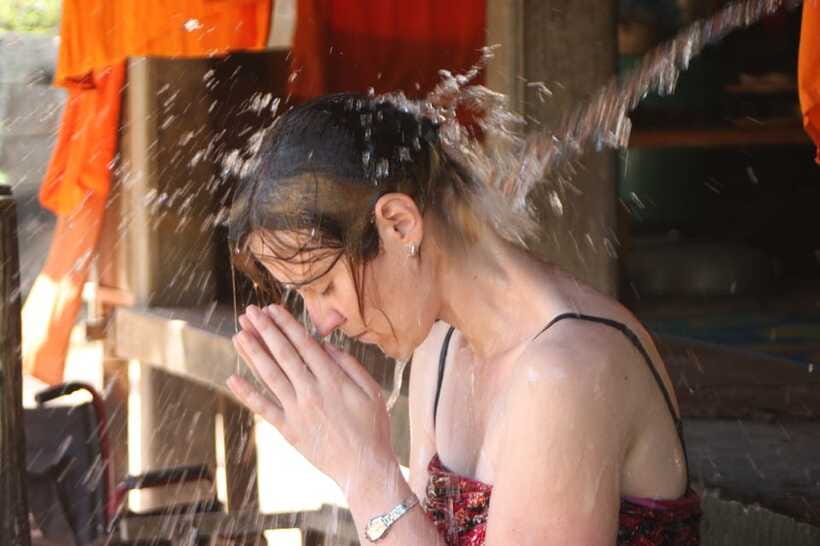
The guide is not just there to point out the road. A good guide explains Buddhism, Cambodian customs, the pagoda’s work, and the steps of the blessing. Guides named in past bookings, including Sokha and Lee, have been singled out for clear explanations, polite service, good English, and a sense of humor.
That support matters most before the ceremony. You learn what the offering means, how to sit, what the monk will do, and what to expect from the water. Without that briefing, you might spend the ritual worrying about protocol instead of paying attention to the experience.
The guide can also take photos and videos while you take part. This is a useful extra, particularly if you are alone or traveling as a couple. Ask the guide to take a few photos before the ritual as well, since you may not want to handle your phone near the water.
Afterward, allow time for questions. The guide may walk you around the monastery and explain how monks live and how the temple helps older or sick people. This conversation is one of the strongest reasons to choose a guided visit instead of trying to arrange a blessing without assistance.
Is $37 a fair price?
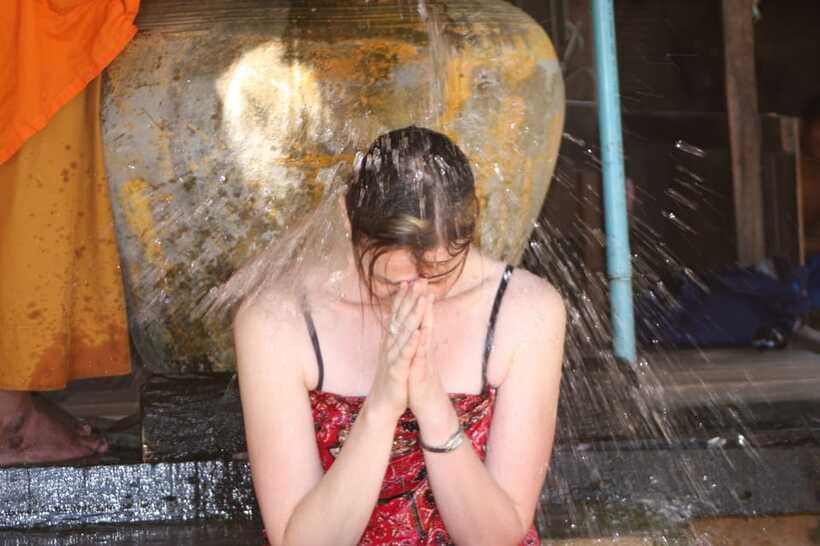
At $37 per person, the cost is not just payment for the minutes spent under the water. It includes an English-speaking guide, hotel pickup and drop-off by tuk-tuk, the pagoda donation, sarong, and market visit.
If you value transport and interpretation, that is a reasonable package. You avoid arranging your own ride, figuring out the offering, or guessing how to behave at the pagoda. The donation also means some of your fee supports the religious site and its community work.
The value is less convincing if you judge the experience only by the length of the ceremony. One full blessing may last just a short time, and one person felt the activity was expensive for what it delivered. That criticism is fair. You are paying for cultural access and guidance, not for a long sightseeing program.
I would compare it with the rest of your Siem Reap schedule. After several days of temple ruins, this can be a meaningful change of subject. If you want nonstop sightseeing, the short ritual and market visit may feel too limited. If you want a personal encounter with present-day Cambodian culture, the price makes more sense.
Free cancellation up to 24 hours before the start and reserve-now, pay-later terms reduce the financial risk when your schedule is still shifting. Those policies are useful, but they do not change the basic question: you need to want the ritual itself.
Who should book this experience?
I would recommend it to you if you have an open mind and want to understand Cambodia beyond Angkor’s stone temples. It suits solo visitors, couples, and anyone who likes a small, personal activity with room for questions.
It is especially good for people interested in Buddhism, Cambodian customs, monastery life, or local community traditions. You do not need to be Buddhist to take part, according to the experience details, but you should be willing to treat the ceremony as a real practice rather than a tourist trick.
You may want to skip it if you dislike changing clothes, getting wet, or taking part in religious rituals. The light sprinkling gives you a drier option, but the exact selection should be confirmed before the ceremony. You should also choose another activity if you want a large historical site, a long tour, or extensive free time at a market.
Should you book the Wat Arang blessing?
I would book this if you want one quieter, more human experience between visits to Angkor’s temples. The strongest features are the monk-led ritual, the guide’s explanation, the pagoda donation, and the chance to see a local market rather than another monument.
Choose the light blessing if you mainly want the cultural meaning and chanting. Choose the full ritual if you are ready for a sarong, wet clothing underneath, and a large amount of water over your head. Ask about the choice at the start, bring extra underwear, and pack another towel if your hair is long.
At $37, it is worthwhile for cultural connection and personal guidance, but not if you measure value by sightseeing hours alone. For an intimate introduction to a Cambodian tradition that is still practiced today, this is one of the more memorable short outings in Siem Reap.
FAQ
Where does the Buddhist water blessing take place?
The blessing takes place at Wat Arang Pagoda, an ancient pagoda in the countryside just south of Siem Reap.
How long does the activity last?
The full activity lasts about two hours. The water blessing itself is described as a one-hour experience, with the remaining time used for pickup, transport, the pagoda visit, changing, questions, and the market stop.
What are the two blessing options?
The shorter option includes chanting and a light sprinkling of water. The longer option involves blessed water being poured over your head while the monks chant.
Is a sarong provided?
Yes. A sarong is provided for the longer blessing so your main clothing can remain dry.
Should I bring extra clothing?
Yes. Bring extra underwear because the full ritual can leave you very wet. An additional towel is also useful if you have long hair.
Is transport from my hotel included?
Yes. Pickup from your hotel by tuk-tuk is included, with the driver collecting you at the time shown on your booking.
Is a guide included?
Yes. An English-speaking live guide is included. The guide explains the ceremony and Buddhist beliefs, helps you follow the correct protocol, and may take photos during the blessing.
Can I cancel the booking?
You can cancel up to 24 hours in advance for a full refund. You can also reserve the activity and pay later.
Just added around Siem Reap
- Ultimate Sunrise to Angkor Wat, Angkor Thom and Bayon Temple★ 5.0 · 3 reviews
- Twilight Tastes of Siem Reap Include Dinner★ 5.0 · 13 reviews
- Trekking Tour at Phnom Kulen National Park from Siem Reap★ 5.0 · 3 reviews
- Full-Day Private Tour of Angkor Wat with Pick Up★ 5.0 · 12 reviews
- Private Day Trip to Angkor Temples with Expert Guide★ 5.0 · 4 reviews
- Waterfall & River of 1000 Siva Linga- Kulen Mountain Private Tour★ 5.0 · 3 reviews
- Professional Photo Shoot in Angkor Archaeological Park, Siem Reap★ 5.0 · 42 reviews
- Ultimate Siem Reap Food Tour by Tuk Tuk – 20 Tastings, 8 Stops★ 5.0 · 13 reviews
Siem Reap Tours, compared.

Angkor Wat Sunrise or Sunset Tour with Guide from Siem Reap
Read our review →
Angkor Wat: Small-Group Sunrise or Sunset Tour
Read our review →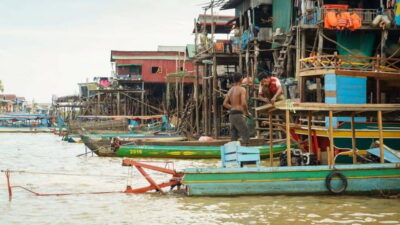
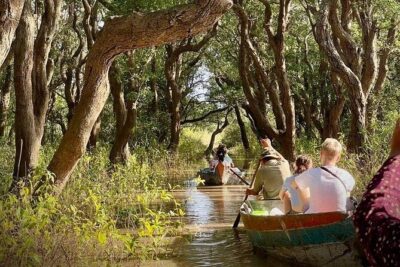
Sunset tour of Kampong Phluk stilts home village on the Tonle Sap
Read our review →
Angkor Wat 2-Day Tour with Sunrise and Sunset
Read our review →
Kampong Phluk Floating Village Tour with Boat
Read our review →
