
Reviewed · KOH KER TOURS
Koh Ker & Preah Vihear
Koh Ker and Preah Vihear offer a very different Cambodia from the familiar Angkor circuit. You’ll see remote Khmer temples, rural daily life, and surprisingly hilly country as you travel north from Siem Reap. I like the six-hour Koh Ker visit, which gives this once-powerful capital proper attention, and the personal service from guide Vanra and driver Mr. Buny, who is praised for safe, focused driving and regular rest stops.
The main drawback is cost clarity. The $100 price covers transport, guide service, and cold water, but entrance fees, food, accommodation, and tips are extra. Because the trip reaches distant sites over two days, confirm the overnight arrangements and total admission costs before you set off.
Key points at a glance
- Koh Ker gets six hours: You have time to explore the former Khmer capital rather than treating it as a rushed photo stop.
- Preah Vihear sits on a mountain border range: The temple’s high setting gives the second day a very different feel from Siem Reap’s flatter temple zone.
- Vanra leads a very small tour: The maximum is two people, so this is a more personal setup than a coach excursion.
- Beng Mealea shows nature taking over: Plants growing around the early twelfth-century ruins give the temple a rougher, less orderly character.
- The route includes rural Cambodia: You are not only moving between monuments, but also seeing villages and countryside along the way.
- Mr. Buny is a careful driver: His calm road habits matter on a long trip with hilly sections and extended time in the vehicle.
Why this two-day route feels different
Many visitors come to Siem Reap for the major temples close to town. This trip takes you much farther from that well-worn circuit, toward places where the journey is part of the experience. The road passes through rural areas, and the scenery becomes more hilly than many people expect from Cambodia.
That change in terrain is important. Preah Vihear is on the Dongrek mountain range near the Thai border, while Koh Ker and the other stops give you a wider sense of northern Cambodia. You’ll see ancient stonework, but you’ll also spend time watching ordinary life unfold outside the main tourist centers.
The tour is designed for only two people. That small limit can make a long road trip easier, since you can speak directly with Vanra, ask questions, and adjust the pace within the planned route. The guide is described as friendly, patient, humorous, and fluent in English. His experience with Cambodian history and culture adds value during the long transfers, when a less engaging guide could make the hours drag.
Mr. Buny handles the driving. A particularly useful detail is his reported habit of avoiding phone use while driving and taking breaks at interesting places. On a two-day trip, that matters more than a polished vehicle or a fast schedule. You want a driver who treats the road seriously.
More Koh Ker Tours in Siem Reap:
- Koh Ker Temple Group & Beng Mealea Full-Day Join-in Tour
★ 5.0 · 710 reviews - From Siem Reap: Koh Ker and Beng Mealea Temples Tour
★ 4.9 · 293 reviews - Preah Vihear: Full-Day Preah Vihear and Koh Ker Temple Tour
★ 4.9 · 263 reviews
Six hours among the ruins of Koh Ker
Koh Ker was one of the oldest cities of the Khmer Empire, built between 928 and 944 AD. It served as a major center and was home to more than 10,000 people, a striking figure when you arrive at a site that now feels far removed from modern city life.
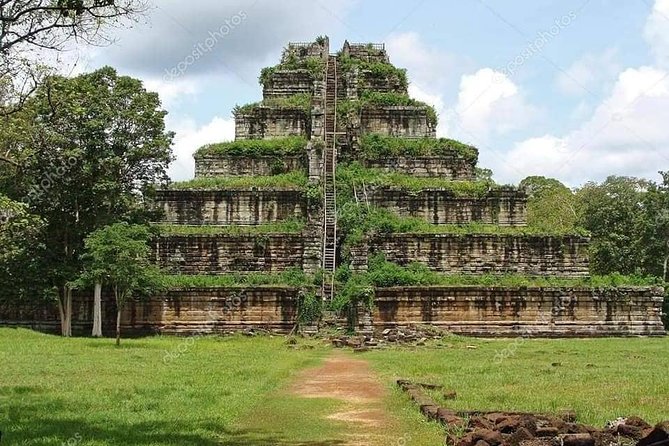
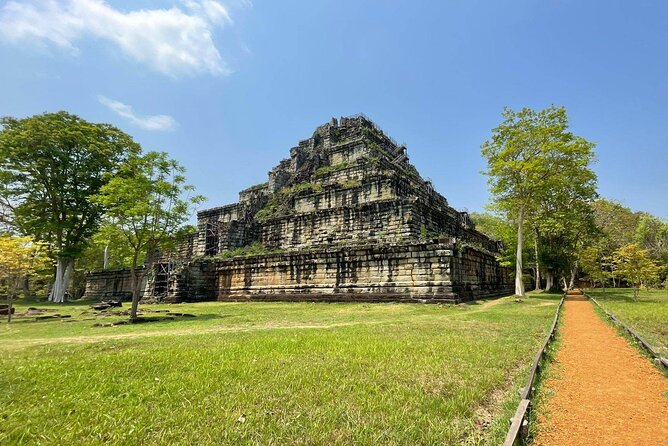
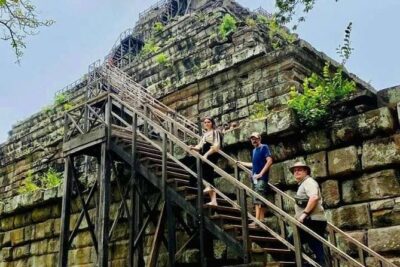
The main visual prize is the seven-tiered Prang pyramid. Its strong, stepped shape is unlike the more familiar temple forms around Angkor. You’ll get the sense of a city built for ambition, power, and ceremony, even though the surviving ruins are spread through a quieter setting.
The six-hour allocation is one of the strongest parts of the itinerary. Koh Ker is not treated as a quick stop between better-known monuments. You have room to see the central pyramid and other remains, pause for photographs, and listen as Vanra explains how the site fits into Khmer history.
There is a practical side to this long visit. You’ll need a moderate level of fitness, and the day may feel demanding in heat. The tour information does not promise shaded rest areas, meals, or included entry, so bring suitable clothing, water beyond the supplied cold bottles if you need more, and money for the admission charge.
Koh Ker suits you best if you enjoy a feeling of discovery and do not need every temple to be restored or neatly presented. The experience is less about a single perfect monument and more about picturing a former capital in a remote part of Cambodia.
Beng Mealea and the appeal of rough ruins
Beng Mealea was built in the early twelfth century under King Suryavarman II. It is known for plants growing around the temple, giving the site a less controlled appearance than the restored or heavily visited monuments closer to Siem Reap.
You have one hour here. That is enough for an introduction and photographs, but it is not an extensive exploration. If you enjoy wandering slowly through broken galleries and studying how vegetation has worked its way around the stone, you may wish the stop were longer.
Still, Beng Mealea works well after Koh Ker. The two places show different sides of Khmer building. Koh Ker gives you the unusual pyramid and the story of a former imperial center. Beng Mealea gives you atmosphere, disordered stone, and the visual effect of a temple gradually reclaimed by plant life.
Admission is not included. Since the tour includes several paid sites, keep a separate budget for entrance fees rather than assuming the $100 covers all temple access.
Peung Kom Nuo in the Kulen mountains
Peung Kom Nuo is presented as a lesser-known site in the Kulen mountain area. The stop lasts one hour and adds another change of pace to the first day.
The value here is variety. You are not spending the entire day at one famous monument or repeating the same temple style. The Kulen area brings more elevated terrain and a quieter rural setting into the route.
The available details do not specify the exact facilities, walking surface, or admission price at Peung Kom Nuo. That makes a moderate fitness level especially relevant. Ask Vanra about the walking conditions and what footwear makes sense before the day begins.
For you, this stop will be most rewarding if you prefer smaller sites and local surroundings over a polished, heavily visited attraction. It may be less satisfying if you want a large temple with extensive interpretation or clearly marked visitor services.
Same country, a completely different kind of day:
- Angkor Wat Sunrise or Sunset Tour with Guide from Siem Reap
★ 5.0 · 12,109 reviews - Siem Reap: Angkor Wat: Small-Group Sunrise or Sunset Tour
★ 5.0 · 9,444 reviews - From Siem Reap: Kampong Phluk Floating Village Tour by Boat
★ 4.9 · 6,979 reviews - Sunset tour of Kampong Phluk stilts home village on the Tonle Sap
★ 5.0 · 4,865 reviews
Reaching Preah Vihear on day two
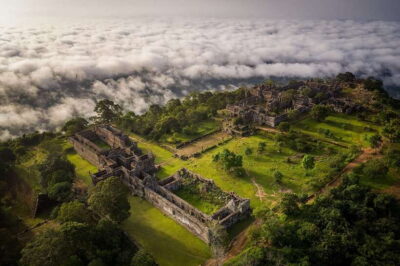
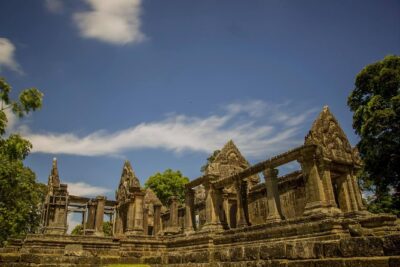
Preah Vihear is an ancient Hindu temple from the Khmer Empire, set on top of the Dongrek mountain range near the Cambodia and Thailand border. Its location is the defining feature. You are not simply visiting another lowland ruin. You are heading toward a high mountain site with a borderland setting and a different sense of scale.
The visit lasts about three hours. That gives you more time than a quick look, but the long drive to reach the temple means the second day remains a substantial road journey. Plan for a full day of movement, walking, and temple time rather than a relaxed morning excursion.
Preah Vihear is a good reason to choose this tour over a standard Siem Reap temple package. The mountain setting changes the view and the mood, and it helps explain why this temple has always been approached as a place of importance. The route also lets you see how Cambodia extends well beyond the Angkor area.
The tour details do not explain the current access procedure, vehicle arrangements at the mountain, or exact walking route. Those points can affect your energy and timing, so confirm them with Vanra before departure. You should also ask which entrance costs apply and how they are paid.
A brief stop at Ta Mok House
Ta Mok House takes about 30 minutes and focuses on Ta Mok, a former Khmer Rouge leader from 1975 to 1979. This is a short but serious historical stop, and it adds modern Cambodian history to a journey otherwise centered on ancient temples.
You should not expect a long museum visit from a 30-minute allocation. Instead, treat it as a compact introduction to a painful period in Cambodia’s recent past. Vanra’s knowledge of Cambodian history and life can help place the site in context, though the tour information does not promise a formal museum presentation or extended discussion.
This stop may feel abrupt after the grandeur of Preah Vihear. That is not necessarily a weakness. Cambodia’s past is not only about impressive stone temples, and the inclusion of Ta Mok House gives the itinerary a more honest range.
What the $100 price really covers
At $100 per person, the tour includes transport, a driver, a tour guide, and cold water. With a maximum of two people, the price buys a private-feeling arrangement rather than a large shared group. That is the main value.
Remote temple trips can be expensive to organize independently because you need a driver willing to cover long distances, someone to guide you through several sites, and a workable two-day plan. Here, Vanra and Mr. Buny provide one team for the route, which reduces the effort of arranging separate transfers.
The price does not include entrance fees, food, accommodation, tips, or other expenses. This is the most important budgeting point. The itinerary has several stops, and every additional admission charge adds to the final cost. Accommodation is also your responsibility, so ask exactly where you are expected to stay and whether the guide can help arrange it.
I would compare the full price, not just the advertised rate. Add the temple fees, overnight stay, meals, and any local transport charges before deciding. If you value a tiny group, a dedicated guide, and a driver familiar with the route, the cost can make sense. If you want a low-cost sightseeing day with no extra planning, this trip may require more preparation than expected.
The guide and driver make a difference
Vanra is central to the experience. His role goes beyond pointing out stones. The information supplied about him describes a guide who speaks good English, tells stories, answers questions, and brings humor to long drives. That combination is useful here because the temples are spread out and road time is unavoidable.
A two-person maximum gives you a better chance to shape the conversation. You can ask about rural Cambodian life, Khmer history, or the country’s recent past without competing with a full busload of people.
Mr. Buny’s driving is another strong point. Safe driving, no phone use behind the wheel, and regular rest breaks are exactly the habits you want on an extended road trip. You should still speak up if you need a break, since comfort matters more than trying to keep to an overly tight schedule.
The tour starts at 8:30 am. Pickup is offered, and confirmation is provided when you book. Since the route covers distant sites, be ready at the agreed pickup point and confirm the exact meeting details in advance.
Physical effort, comfort, and what to prepare
A moderate fitness level is required. The route includes temple walking and a mountain setting, but the provided details do not give exact distances, stair counts, or trail conditions. You should be comfortable spending several hours on your feet and getting in and out of a vehicle.
Pack light but practical:
- Comfortable walking shoes
- Sun protection and breathable clothing
- Extra drinking water beyond the included cold water
- Cash for entrance fees, meals, accommodation, and tips
- Any personal items you need for an overnight stay
The tour does not include food, so plan for meals rather than expecting stops to be built into the price. Accommodation is also excluded. Ask Vanra how the overnight portion works before you commit, especially if you prefer to choose your own room.
The route may suit active adults and older children who can handle long drives and temple walking. A 63-year-old participant completed the trip with a 26-year-old family member, but that does not establish a fixed comfort level for everyone. If you have mobility concerns, ask for details about stairs, uneven surfaces, and vehicle access before booking.
Who should book this trip
I would choose this tour if you have already seen, or are less interested in, the most familiar temples around Siem Reap. It is made for you if remote ruins, rural Cambodia, mountain views, and long conversations with a local guide sound better than a tightly packaged sightseeing circuit.
It also suits couples, friends, or one parent and adult child who want a private setup. The two-person maximum is particularly appealing if you want to ask questions freely or keep the pace personal.
I would hesitate if you dislike long road journeys, need every cost included upfront, or want a hotel and meals handled for you. The itinerary is ambitious, and the separate charges make planning essential.
Free cancellation is available if you cancel at least 24 hours before the start time. Changes made within 24 hours are not accepted, and no refund is offered inside that period. The experience also requires a minimum number of participants, so a cancellation for that reason may lead to another date, another experience, or a full refund.
Should you book Koh Ker and Preah Vihear?
Book it if you want Cambodia beyond the standard temple route. Koh Ker’s seven-tiered pyramid, Beng Mealea’s plant-covered ruins, Peung Kom Nuo in the Kulen area, and Preah Vihear’s mountain position give you four distinct settings in two days.
The strongest reason to go is the combination of remote temples and rural life. The strongest practical reason is the small group, with Vanra guiding and Mr. Buny driving. Just confirm the overnight plan and calculate admission, food, and accommodation costs before paying.
If you accept the long drives and extra expenses, this is a rewarding choice for an active visitor who wants a fuller picture of northern Cambodia, not just a checklist of famous monuments.
FAQ
How long is the Koh Ker and Preah Vihear tour?
The tour lasts approximately two days.
What time does the tour start?
The stated start time is 8:30 am.
Is pickup available?
Yes, pickup is offered.
What is included in the tour price?
Transport, a driver, a tour guide, and cold water are included.
Are entrance fees included?
No. Entrance fees are not included in the tour price.
Does the tour include food or accommodation?
No. Food and accommodation are excluded, along with tips and other expenses.
How many people can join the tour?
The experience has a maximum of two travelers.
Just added around Siem Reap
- Ultimate Sunrise to Angkor Wat, Angkor Thom and Bayon Temple★ 5.0 · 3 reviews
- Twilight Tastes of Siem Reap Include Dinner★ 5.0 · 13 reviews
- Trekking Tour at Phnom Kulen National Park from Siem Reap★ 5.0 · 3 reviews
- Full-Day Private Tour of Angkor Wat with Pick Up★ 5.0 · 12 reviews
- Private Day Trip to Angkor Temples with Expert Guide★ 5.0 · 4 reviews
- Waterfall & River of 1000 Siva Linga- Kulen Mountain Private Tour★ 5.0 · 3 reviews
- Professional Photo Shoot in Angkor Archaeological Park, Siem Reap★ 5.0 · 42 reviews
- Ultimate Siem Reap Food Tour by Tuk Tuk – 20 Tastings, 8 Stops★ 5.0 · 13 reviews
Koh Ker Tours, compared.
Koh Ker Temple Group & Beng Mealea Full-Day Join-in Tour
Read our review →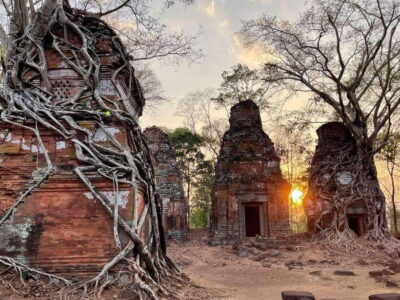
Full-Day Preah Vihear, Koh Ker and Beng Mealea Private Tour
Read our review →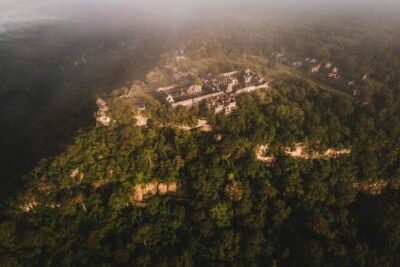
Preah Vihear temple – Koh Ker & Other temple with Small Group
Read our review →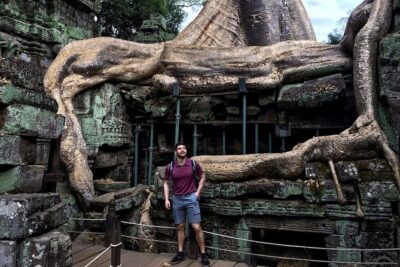
4-Day Excursion of Angkor, Koh Ker, Beng Mealea, Tonle Sap and Waterfalls
Read our review →
Koh Ker, Beng Mealea, & Banteay Srei Join-in Tour
Read our review →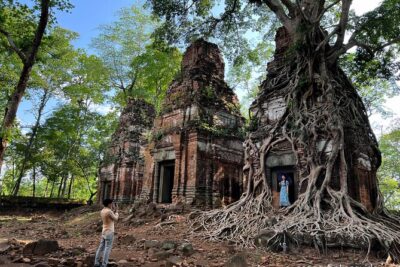
Full Day Banteay Srei Beng Mealea and Koh Ker Small Group Tour
Read our review →Browse the lists this tour appears in