
Reviewed · SILK ISLAND TOURS
Silk Island Tuk Tuk Tour
The most interesting part of this outing is seeing silk made by hand, from the moth’s eggs through the finished cloth, then riding a tuk tuk along quiet island roads. You get a close look at working village life, not just a quick photo stop.
I like the ferry crossing and the changing scenery, from Phnom Penh streets to rice fields, banana plants, ginger, corn, and traditional houses. I also like that the tour includes a local silk center, a pagoda, a village market, bottled water, snacks, and entrance fees.
The main consideration is time. A 4 to 5 hour tour gives you a useful introduction, but stops can feel brisk if you want to shop, study the weaving process, and linger at the pagoda. The tuk tuk ride and ferry also depend on good weather.
Key points to know before booking

- Silk from egg to finished cloth: See the traditional process at a local silk center and watch hand weaving.
- A ferry ride is part of the outing: Cross from Phnom Penh to Koh Dach by boat before exploring the island by tuk tuk.
- Several sides of village life: The route includes a pagoda, market, farms, craft work, and homes connected with silk production.
- Guide Visal may lead the tour: One detailed account praised Visal for explaining the silk-making process and local surroundings.
- Small enough to stay manageable: The maximum group size is 20 people, with an English-speaking guide and a tuk tuk driver.
- Good value for an easy half-day: The $80 price includes transportation, water, snacks, and admission fees, but not personal purchases or insurance.
Crossing the Mekong to Silk Island
This tour begins at G Mekong Hotel near the Orussey Market area in Phnom Penh. From there, you travel toward the river and cross by ferry to Koh Dach, commonly called Silk Island. The crossing is not just a transfer. It gives you a clear change of pace, from the city’s traffic and dense streets to a quieter island setting.
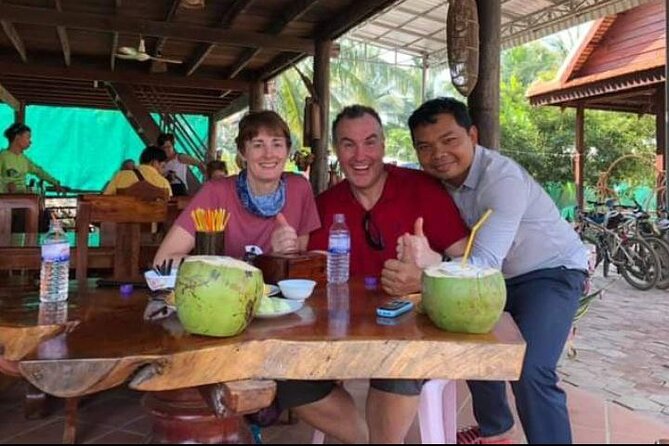
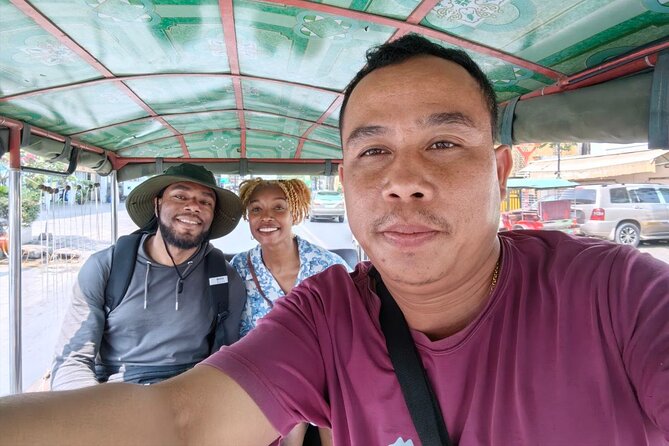
Once you reach the opposite riverbank, a tuk tuk takes you along the island’s path roads. The ride is part of the appeal. You are not sealed behind glass, so you can see the fields, homes, plants, and daily work around you as you move.
The tour description points to rice paddies and countryside filled with lemongrass, banana plants, ginger, and corn. These details matter because they give the island a working character. You are seeing the crops and small-scale activities that shape ordinary life, rather than visiting a staged cultural display.
A tuk tuk is also a practical choice here. It suits narrow rural roads and lets you see more than you would on foot during a half-day outing. The tradeoff is comfort. Weather, dust, heat, and road conditions can affect the ride, so bring light clothing and be ready for an open-air journey.
More Silk Island Tours in Phnom Penh:
- Phnom Penh Silk Island Bike Tour/ E-Bike or Tuk Tuk
★ 5.0 · 495 reviews - Silk Island Cycling Adventure & lunch with locals
★ 5.0 · 246 reviews - Phnom Penh Silk Island Vespa Tour / Tuk Tuk Available
★ 5.0 · 102 reviews
Watching silk take shape by hand
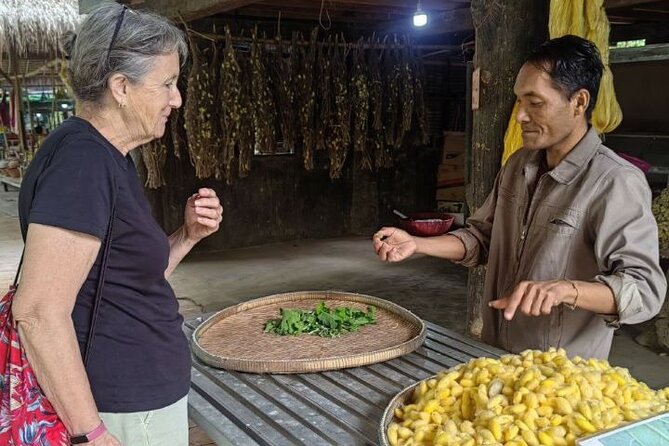
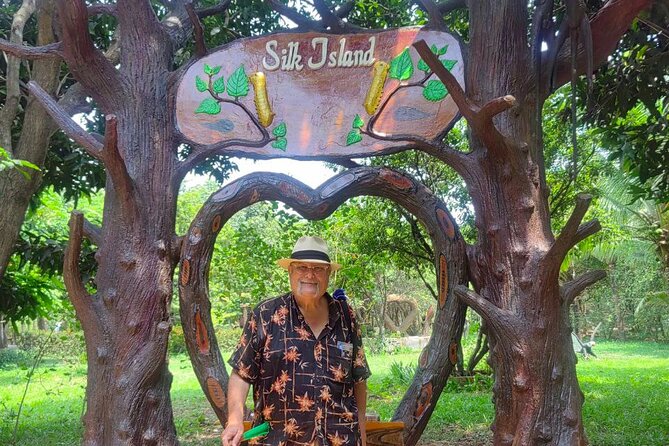
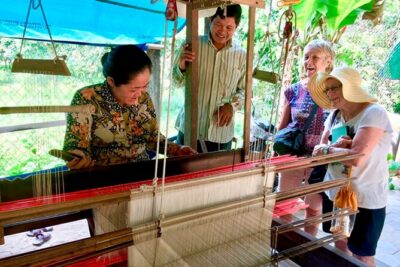
The silk center is the heart of the outing. At the local silk farm and craft center, you can see how silk material is made, beginning with the moth laying its eggs and continuing through the stages that lead to finished fabric.
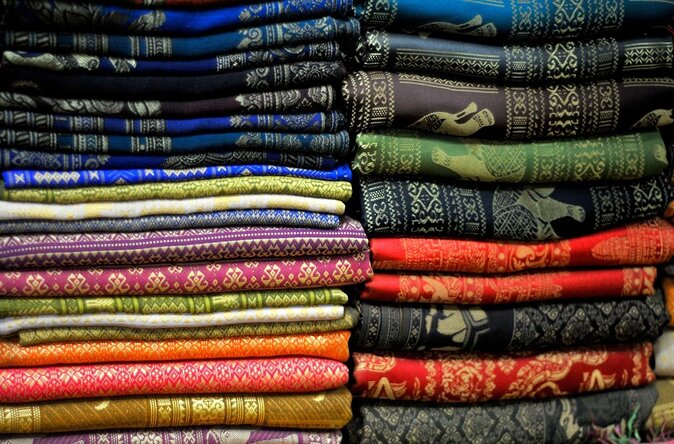
This is the kind of stop that helps you understand the price and effort behind a handwoven scarf or silk sarong. A finished piece can look simple on a market shelf, but the process involves breeding, processing, dyeing, and weaving. Seeing the work in person gives you a better basis for deciding if a handmade item is worth buying.
The center also covers traditional handicrafts such as pottery, dyeing, and wood carving. That broadens the stop beyond silk alone. You may find several kinds of locally made articles, and personal purchases are allowed, but they are not included in the tour price.
I would treat the shop visit as part of the cultural lesson, not as a requirement to buy. If a scarf catches your eye, you can see how it connects to the work happening in the building. If you are not shopping, the demonstration still gives you a useful look at local skills.
One practical point is that the available information does not promise a specific number of weaving demonstrations or a fixed shopping period. The overall stop is listed as about two hours, which is the longest section of the day. That should provide room for explanation and browsing, but the exact balance may depend on the group and guide.
A detailed account of the tour singled out guide Visal and described the silk explanation as covering the full route from eggs to finished products. If Visal leads your outing, you can expect the silk process to receive careful attention. Guide assignments can vary, so the safest expectation is an English-speaking guide rather than a guaranteed specific person.
Beyond silk: pottery, dyeing, and wood carving
Koh Dach is not only a place for silk production. The craft stop includes pottery, dyeing, and wood carving, giving you a wider view of traditional work on the island.
Each craft adds something different. Pottery shows the shaping of useful objects from clay. Dyeing explains how color becomes part of the finished textile. Wood carving shows another form of patient handwork, with the material and tools quite different from silk.
You should not expect a large museum with polished displays. The attraction is seeing work connected to local homes and small enterprises. That can mean a less predictable visit, but it also makes the stop feel more connected to daily life.
The tour is especially useful if you want to support local makers but prefer to understand what you are buying. You can ask questions through the guide, watch the work, and compare the handmade items with ordinary souvenir goods elsewhere in Phnom Penh.
A pagoda, village market, and farmer life
After the craft center, the route continues through a local pagoda, village, and market. This part helps balance the silk demonstration with other parts of Cambodian life.
The pagoda offers a view of local Buddhist practice and architecture. The information provided does not name the pagoda or promise a formal religious ceremony, so I would think of it as a respectful sightseeing stop rather than a scheduled worship event.
Dress modestly for this portion of the tour. The supplied details do not list a specific dress code, but a pagoda is a place where covering shoulders and knees is a sensible courtesy. Follow your guide’s instructions once you arrive.
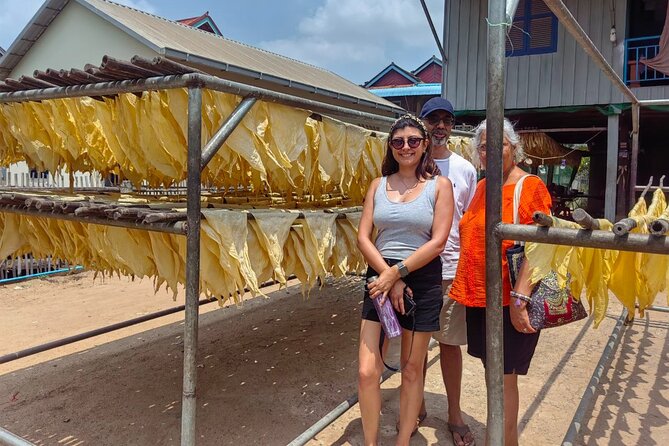
The village and market give you a look at the everyday side of the island. You may see farmers and households connected with the production of mosquito nets, silk sarongs, phamuong, Hol, and silk krama. These names refer to different forms of traditional textile work and clothing, showing that silk production is not limited to one finished product.
The market can be interesting even if you do not plan to shop. It gives context to the goods made on the island. You can see how craft work fits into local commerce rather than treating it as an isolated demonstration.
This is also where the tour’s pace may become noticeable. The pagoda, market, and village visit are grouped into about an hour. That is enough for an overview, but not enough for a long market wander or a detailed study of every textile style.
A few more Phnom Penh trips to weigh up
- Ultimate Phnom Penh Food Tour by Tuk Tuk: 20 Tastings and Drinks
★ 5.0 · 409 reviews - Phnom Penh’s Culinary Underground: Local Food Tour by Tuk-tuk
★ 5.0 · 234 reviews - Phnom Penh’s Morning Market and Street Art Tour by Tuk tuk
★ 5.0 · 128 reviews - Phnom Penh Evening Foodie Vespa Tour / Tuk Tuk Available
★ 5.0 · 99 reviews
The tuk tuk ride through farms and villages
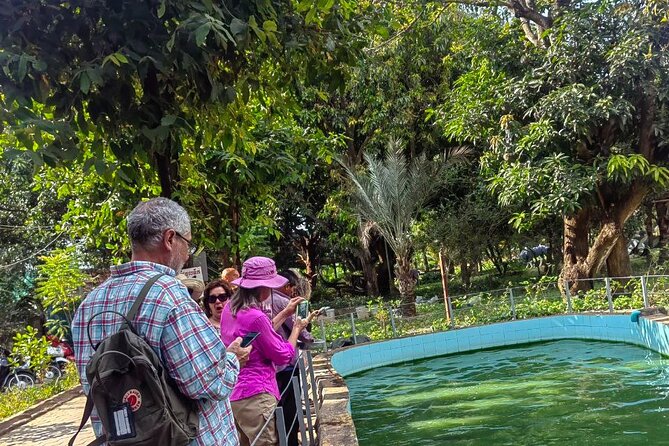
The ride between stops is one of the strongest reasons to choose this outing instead of a basic craft-shop visit. The route passes through rural scenery, including rice fields and plantings of lemongrass, bananas, ginger, and corn.
I like this format because the road itself becomes part of the tour. You can watch houses and fields pass by, and you get a sense of how the island is organized. The setting is not presented as a remote wilderness. It is a lived-in farming area with work taking place around you.
The open tuk tuk also makes the trip social. You can hear the guide while moving, although road noise may occasionally make conversation less easy. The supplied details promise a safe driver, but they do not describe the vehicle’s seating arrangement or whether every passenger gets a view in the same direction.
For most people, the ride should be manageable. The tour is intended for most participants, and service animals are allowed. Still, if you have concerns about open-air transport, ferry travel, or sitting for several hours, ask before booking.
What the $80 price really covers
At $80 per person, this is not the cheapest way to see rural Cambodia. The price makes more sense when you count what is bundled into the half-day: an English-speaking guide, tuk tuk transport, a safe driver, bottled water, snacks, ferry travel, and entrance fees.
That package saves you from arranging separate transport to the river, negotiating a tuk tuk for the island, finding the craft center, and working out how to reach the pagoda and village areas. The guide also adds value by explaining the silk process, which would be easy to miss if you simply arrived at a shop.
The value depends on what you want. If you only want to buy a scarf, a market visit in Phnom Penh may cost less. If you want to understand how the fabric is made and see the island by ferry and tuk tuk, the package is more useful.
The maximum group size is 20 people. That is not a private tour, and a full group could make demonstrations and tuk tuk seating feel less personal. On the other hand, it is still a limited group rather than an unlimited city excursion, and a professional guide is included.
Personal expenses are not included. Plan to pay separately for anything you buy at the silk center or elsewhere. Travel insurance is also your responsibility.
Timing, pickup, and weather concerns
The full outing lasts about 4 to 5 hours. The listed sections allow roughly one hour for the first island ride, two hours at the silk and handicraft center, one hour for the pagoda, village, and market, and about an hour for returning to Phnom Penh by ferry.
That makes this a good half-day choice. You still have much of the day available for Phnom Penh’s museums, markets, or other sights. It is also long enough to get beyond the capital without turning the excursion into an exhausting full-day commitment.
Pickup is at G Mekong Hotel in the Orussey Market area, at 419 Monivong Boulevard, Phnom Penh 12257. The activity ends back at the meeting point, so you should not need to arrange a separate return transfer.
A mobile ticket is provided, and confirmation arrives at booking. The tour can be canceled for a full refund if you cancel at least 24 hours before the local start time. Changes or cancellations inside that 24-hour window are not accepted for a refund.
Good weather is required. If poor weather forces cancellation, you are offered another date or a full refund. Because the trip includes a ferry and an open tuk tuk, this weather rule is practical rather than surprising.
Who will enjoy this Silk Island outing
I would recommend it to you if you want a clear introduction to Cambodian village life without arranging a complicated day on your own. It fits well for first-time visitors to Phnom Penh who want one outing that combines transport, crafts, farming areas, Buddhist culture, and local commerce.
It also suits anyone interested in textiles. The chance to follow silk production from moth eggs to handwoven cloth is more useful than simply seeing finished scarves in a shop. If you enjoy learning how objects are made, the two-hour craft-center stop will likely be the main reason to book.
Families and mixed-age groups may appreciate the simple format, bottled water, snacks, and included admissions. Most people can participate, and service animals are allowed. Still, the tour does not provide detailed information about child seating, vehicle access, or facilities, so ask the operator if those points matter for your group.
I would be more cautious if you want a private, slow-paced visit. With up to 20 people and several stops packed into 4 to 5 hours, you may not have unlimited time at each place. It may also be a poor fit if you dislike ferry crossings, open-air rides, or shopping-oriented craft stops.
Should you book the Silk Island Tuk Tuk Tour?
Book this tour if your idea of a good half-day includes a ferry ride, rural roads, handwoven silk, local crafts, a pagoda, and a look at farming life. The strongest part is the connection between the finished textile and the people and processes behind it.
The $80 price is reasonable when you value a guide, organized transport, snacks, water, and included admissions. It is less compelling if you only want an inexpensive tuk tuk ride or a quick souvenir stop.
Try to book ahead, since the outing averages 14 days of advance bookings. Wear practical clothing, keep room in your bag for possible purchases, and allow for a weather-related change of plan. If you want Cambodia beyond Phnom Penh’s streets, this is a sensible and well-rounded introduction to Koh Dach.
FAQ
Where does the Silk Island Tuk Tuk Tour begin?
It begins at G Mekong Hotel in the Orussey Market area, at 419 Monivong Boulevard, Phnom Penh 12257, Cambodia.
Where does the tour end?
The activity ends back at the meeting point in Phnom Penh after the ferry ride from Koh Dach.
How long does the tour last?
The tour lasts approximately 4 to 5 hours.
How much does the tour cost?
The listed price is $80 per person.
Is ferry transportation included?
Yes. The route includes a ferry crossing from Phnom Penh to the island and a ferry ride back at the end.
What is included in the price?
The price includes a professional English-speaking guide, tuk tuk transportation, a safe driver, bottled water, snacks, and all entrance fees.
Are personal purchases included?
No. Personal expenses are not included, so you pay separately for scarves, textiles, pottery, wood carvings, or other local goods.
What can you see on Silk Island?
You can see rice fields, countryside, traditional villages, farms, a silk center, handicraft work, a local pagoda, and a village market.
Is the tour suitable for most people?
The supplied information says most people can participate. Service animals are allowed, and the maximum group size is 20 people.
Can you cancel for a full refund?
Yes. You can receive a full refund if you cancel at least 24 hours before the experience start time. Poor weather cancellations offer a different date or a full refund.
Just added around Phnom Penh
- The killing field and Toul Sleng Genocide museum (S21) Tour★ 4.5 · 19 reviews
- Watch Khmer Kickboxing with Free Beers by Ringside Seats★ 5.0 · 11 reviews
- Udong Old Capital Tour★ 4.5 · 3 reviews
- Watch Live Khmer Traditional boxing in Phnom Penh★ 5.0 · 46 reviews
- Udong Historical Site Tour★ 5.0 · 8 reviews
- Warm Stone Massage★ 5.0 · 23 reviews
- Killing Fields & Toul Sleng Genocide Museum Tickets With Tuk Tuk★ 5.0 · 6 reviews
- S-21 Prison and Killing Fields★ 5.0 · 8 reviews
Silk Island Tours, compared.

Phnom Penh Silk Island Bike Tour/ E-Bike or Tuk Tuk
Read our review →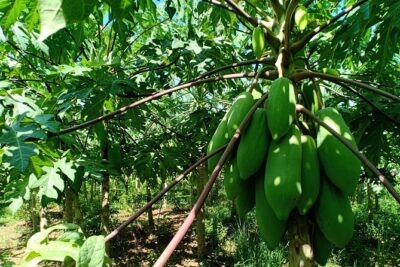
Silk Island Cycling Adventure & lunch with locals
Read our review →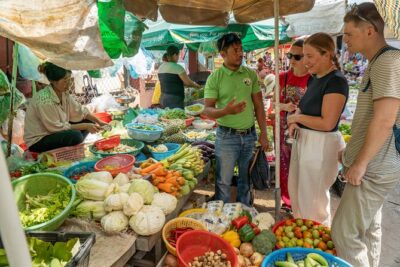
Phnom Penh Silk Island Vespa Tour / Tuk Tuk Available
Read our review →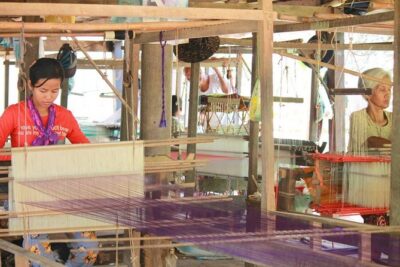
Mekong Silk Island Cruise – Unlimited Beer, Soft Drinks & Fresh Fruit Platter
Read our review →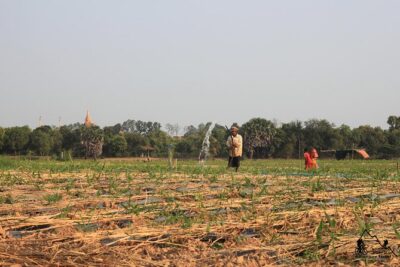
Silk Island & countryside of Phnom Penh by Tuk Tuk
Read our review →
Half Day Silk Island Cruise and Tours with English speaking guide
Read our review →
Phnom Penh City and Silk Island Tour No Genocide Sites
Read our review →Browse the lists this tour appears in