
Reviewed · NATIONAL PARKS
Phnom Penh & Kirirom National Park Birds Tour
The most interesting part of this two-day trip is the sharp change in habitat. In a short time, you move from lotus fields and rice paddies near Phnom Penh to the woodland and tropical moist forest of Kirirom National Park. That variety gives you a real introduction to Cambodian birdlife rather than a single stop with a long species list.
I like the small maximum group of eight, which makes it easier to hear calls and keep pace with the guide. I also like the local focus: a Mekong ferry crossing, a night at Chambok Community Based Ecotourism, and guide Thong’s skill at finding birds by sound. The main drawback is the early schedule and moderate walking, with some birds proving tricky to spot.
Key points at a glance
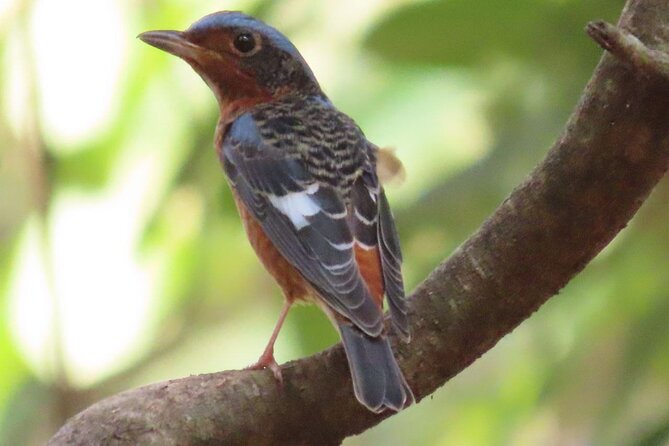
- 50 to 80 possible species: Look for Cambodian Tailorbird, Oriental Pratincole, Collared Kingfisher, Green Bee-eater, White-rumped Shama, and many more.
- Two very different birding days: Day one covers lotus fields, cultivation, and rice fields, while day two reaches Kirirom’s forest habitats.
- Guide Thong leads the birding: His ability to follow bird calls is especially useful when a bird stays hidden in thick growth.
- A genuine local overnight stop: The Chambok homestay adds community-based tourism to the birdwatching.
- Good photography potential: Open farmland helps with sightings, while forest birds offer more demanding but rewarding subjects.
- Small-group format: The tour accepts no more than eight people, useful when listening for faint calls or sharing a view through binoculars.
Why this bird tour feels different from a city day trip
Phnom Penh is an easy base for temples, markets, and food, but this outing takes you into the countryside before the day heats up. The first pickup is at 5:30 a.m., an hour when birds are active and the lowlands are cooler. You need to be ready for that start, not merely willing to set an alarm at the last minute.
The route begins with a ferry crossing of the Mekong River before continuing toward the birding area. That crossing is not just transport. It marks the shift from the capital’s urban setting to fields, small farms, and open water where birdlife has room to spread out.
The tour aims for 50 to 80 species across the two days. That is an expected range, not a guarantee. Weather, season, bird behavior, and how long a bird stays in view all matter. You might see several familiar species clearly, while others reveal only a call or a quick flight across the path.
That uncertainty is part of birdwatching, but it is worth knowing before you book. This is not a sightseeing bus with guaranteed close views. It is a moderate birding outing that rewards patience, early starts, and attention to sound.
A few more Phnom Penh trips to weigh up
- Kirirom National Park Private Day Tour from Phnom Penh
★ 5.0 · 4 reviews - Kampot Day Tour “Bokor National Park”
★ 5.0 · 82 reviews - Phnom Kulen Waterfall National Park from Siem Reap
★ 4.5 · 79 reviews
Day one: lotus fields, rice paddies, and the Chambok homestay
Day one runs for about nine hours and begins with the early pickup in Phnom Penh. After the Mekong ferry crossing, you continue to a natural lake area where local farmers grow lotus, paddy rice, and vegetables.
This mix of open water, wet fields, and cultivation gives you a good chance to see birds that prefer open country. The named possibilities include Oriental Pratincole, Brown Shrike, Cambodian Tailorbird, White-throated Rock Thrush, Black-naped Oriole, Ashy Drongo, and Green Bee-eater.
The lotus fields should be particularly appealing for photography. Open ground makes it easier to follow a moving bird than dense forest does, and the plants add color and shape to the setting. Still, you should not expect every bird to sit in a perfect position. Farmland species can stay low, move quickly, or blend into the edges of the fields.
The Cambodian Tailorbird is one of the more distinctive targets. Small birds in low vegetation can be difficult to see, even when the guide has located one. This is where Thong’s ear for bird calls becomes important. He can help direct your attention to the right patch of vegetation rather than leaving you to search every leaf.
Other possible sightings on the first day include the Collared Kingfisher, Asian Brown Flycatcher, Grey-headed Canary Flycatcher, Blue-bearded Bee-eater, Chinese Francolin, Common Flameback, and Black-naped Monarch. The mix covers kingfishers, flycatchers, bee-eaters, ground birds, woodpeckers, and woodland species.
Lunch is included, as is breakfast according to the tour details. Dinner is not included, and the Chambok Community Based Ecotourism admission fee is listed separately at $7. Bring some money for that charge and for personal purchases. Tips and travel insurance are also your responsibility.
The overnight stay is at a Chambok homestay. This is a practical part of the tour, not a resort break. Staying in the community helps keep the trip connected to local livelihoods and avoids turning the birding into a simple out-and-back vehicle ride from Phnom Penh.
Day two: sunrise birds in Kirirom National Park
The second day also lasts about nine hours, with sunrise birdwatching in Kirirom National Park. The pace is described as easy during the walk, but the overall activity level is moderate. You should be comfortable walking outdoors and standing quietly for periods while the guide listens for calls.
Kirirom changes the bird list and the feel of the tour. Here, the focus shifts toward forest birds such as Greater Racket-tailed Drongo, Forest Wagtail, White-rumped Shama, Red-whiskered Bulbul, Puff-throated Babbler, White-crested Laughingthrush, Dark-necked Tailorbird, Blue-eared Barbet, and Mountain Imperial-pigeon.
The Greater Racket-tailed Drongo is a memorable target, but forest species are often harder to photograph than birds in open fields. Branches, shade, and thick foliage can turn a clear call into a frustrating search. You may need to settle for a partial view, and that is normal even when the guide knows exactly where the bird is.
Kirirom also brings the chance to see the White-rumped Shama and Red-whiskered Bulbul, both appealing species for anyone building a first Cambodian bird list. Puff-throated Babblers and White-crested Laughingthrushes may require more patience because several birds can call from cover without giving you an open view.
The tour covers lowland broad-leaved forest and tropical moist forest, along with woodland and cultivated areas. That habitat range is the main reason the trip can produce such a broad list in only two days. You are not spending the full tour in one reserve or one type of field.
The weather can be humid in the lowlands, with occasional rain showers. A wet morning could affect both comfort and visibility. The company may offer another date or a full refund if poor weather causes cancellation, but you should still bring clothing and footwear suited to damp conditions.
The birds you may see, from bee-eaters to imperial-pigeons
The species list is varied enough to suit both beginners and birders with a growing Southeast Asian list. Open-country highlights include Oriental Pratincole, Brown Shrike, Green Bee-eater, and White-throated Rock Thrush. Woodland targets include Common Flameback, Black-naped Oriole, Ashy Drongo, and Black-naped Monarch.
Forest birding adds a different set of challenges. The Greater Racket-tailed Drongo, White-rumped Shama, Blue-eared Barbet, and Mountain Imperial-pigeon can make the second day feel very different from the first. The Dark-necked Tailorbird also gives you another chance to compare a forest specialist with the smaller birds of the agricultural areas.
You should treat the 50 to 80 figure as a target range for the complete outing, not a promise of 80 easy views. Some sightings may be brief. Others may be identified mainly through calls. If you are new to birdwatching, that still makes this a useful introduction because the guide can help connect sound, habitat, and behavior.
The three available ratings are all at the top level, and the strongest praise centers on the guiding. Thong is described as professional, passionate about birds, and able to locate species by following their calls. That skill matters more than a polished vehicle or a long printed list. In forest habitat, the guide’s ears may find a bird before your eyes do.
Same country, a completely different kind of day:
- The Killing Field and Toul Sleng Genocide Museum (S21) Tour
★ 5.0 · 1,977 reviews - Phnom Penh: Sunset Cruise with Unlimited Beers & BBQ Buffet
★ 4.5 · 727 reviews - Aroma Therapy Massage, Relaxation therapeutic aromatherapy oil massages.
★ 5.0 · 645 reviews - Killing field and Toul Sleng genocide museum Tour
★ 5.0 · 610 reviews
Transport, meals, and the practical value of $350
The price is $350 per person for about two days. That is not a budget day trip, but the cost covers more than a short ride into the countryside. It includes pickup, an air-conditioned vehicle, a local birding guide, a local guide, one night at the Chambok homestay, two lunches, and two breakfasts as listed.
The air-conditioned vehicle is useful in Cambodia’s humid lowlands, especially after several hours outdoors. The small group limit of eight also gives the price more weight. You are paying for access to a specialist-led outing rather than joining a large coach where a bird can disappear before everyone gets a look.
The ferry crossing, countryside route, homestay, and two separate birding habitats add value that is hard to measure by species count alone. You get a more grounded view of rural Cambodia, along with an overnight stay that supports community-based ecotourism.
There are extra costs. The $7 Chambok Ecotourism Community admission fee is not included, and dinner, personal expenses, tips, and travel insurance are also excluded. The entrance fee for Kirirom is not specified in the supplied details, so you should confirm any park admission charges before departure rather than assume they are covered.
Group discounts are offered, though the amount is not stated. If you are booking with friends or family, ask for the current group rate. The tour also accepts mobile tickets and provides pickup, which keeps the morning meeting simple.
What to bring for two early starts
You need to prepare for an outdoor schedule rather than a relaxed sightseeing trip. The first pickup is at 5:30 a.m., and the second day begins with sunrise birdwatching. A good night’s sleep before day one will help more than a late evening in Phnom Penh.
Bring binoculars if you have them, along with a camera if bird photography is important to you. The opportunities are described as good, but forest conditions can make photography demanding. Open lotus fields and rice fields may give you clearer subjects, while Kirirom may offer only short windows through foliage.
Light, practical clothing is a sensible choice for humid lowland conditions. Occasional rain showers are possible, so rain protection is useful. You should also be ready for moderate physical activity, even though the Kirirom walk is taken at an easy pace.
A small notebook or phone list can help you record species, especially if this is your first Cambodian birding outing. The variety of habitats means you may want to remember not only the names but also where each bird appeared.
Who will get the most from this outing
I would recommend this tour to anyone who wants a first look at Cambodian birds without arranging separate guides, transport, and accommodation. Beginners should find the guide’s call-based approach helpful, since you can learn how to notice birds before you learn every species name.
It also suits experienced birders who value a mixed habitat list and a small group. The chance to move from farmland to forest in two days makes the outing efficient if your time in Phnom Penh is limited.
It is less suitable if you dislike early mornings, humid weather, occasional rain, or uncertain sightings. It is also not the right choice if you want a luxury overnight stay or a schedule built around long breaks. The tour is active, focused, and built around bird behavior.
The conservation angle matters too. Cambodia faces serious problems with forest loss and poaching, and choosing local ecotourism can help direct money toward guides and communities that benefit from keeping natural areas valuable. No bird tour can solve those issues alone, but responsible spending gives local conservation work a better chance.
Booking, cancellation, and the final decision
Free cancellation is available if you cancel at least 24 hours before the 5:30 a.m. start time. Changes made within 24 hours are not accepted, and the amount paid is not refunded for a late cancellation. The tour requires good weather and a minimum number of participants, so a company cancellation may result in another date or a full refund.
I would book this tour if you want a compact, local birding trip with a strong guide, two distinct habitats, and a community homestay. The best reason to choose it is not simply the possible species total. It is the combination of Thong’s bird-finding skill, the small group, and the chance to see rural Cambodia beyond Phnom Penh.
I would pass if you need guaranteed sightings, a late start, or a soft hotel night. For the right person, $350 buys a focused introduction to Cambodian birdlife, with enough variety to keep an experienced birder interested and enough guidance to help a beginner get started.
FAQ
How long is the Phnom Penh and Kirirom bird tour?
The tour lasts approximately two days. Both day one and day two are listed as about nine hours of activity.
What time does the tour start?
Pickup begins at 5:30 a.m. The second day includes sunrise birdwatching in Kirirom National Park.
Is hotel pickup available?
Pickup is offered. The stated start time is 5:30 a.m.
How many people can join the tour?
The maximum group size is eight people.
What birds might I see?
Possible species include Cambodian Tailorbird, Oriental Pratincole, Brown Shrike, Collared Kingfisher, Green Bee-eater, Greater Racket-tailed Drongo, White-rumped Shama, Red-whiskered Bulbul, Blue-eared Barbet, and Mountain Imperial-pigeon. The expected total is 50 to 80 species.
What habitats does the tour cover?
The route includes lotus fields, woodland, cultivation, rice fields, lowland broad-leaved forest, and tropical moist forest.
Is food included?
Two lunches and two breakfasts are listed as included. Dinner is not included.
Is the Chambok admission fee included?
No. The Chambok Ecotourism Community entrance fee is listed separately at $7.
Can I cancel for a refund?
Yes. You can receive a full refund if you cancel at least 24 hours before the experience start time. Cancellations within 24 hours are not refundable.
Just added around Phnom Penh
- The killing field and Toul Sleng Genocide museum (S21) Tour★ 4.5 · 19 reviews
- Watch Khmer Kickboxing with Free Beers by Ringside Seats★ 5.0 · 11 reviews
- Udong Old Capital Tour★ 4.5 · 3 reviews
- Watch Live Khmer Traditional boxing in Phnom Penh★ 5.0 · 46 reviews
- Udong Historical Site Tour★ 5.0 · 8 reviews
- Warm Stone Massage★ 5.0 · 23 reviews
- Private Taxi Between Phnom Penh – Siem Reap Stop Sightseeing★ 5.0 · 23 reviews
- Killing Fields & Toul Sleng Genocide Museum Tickets With Tuk Tuk★ 5.0 · 6 reviews
National Parks, compared.
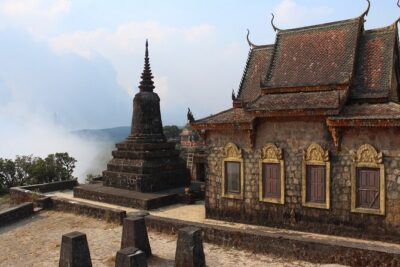
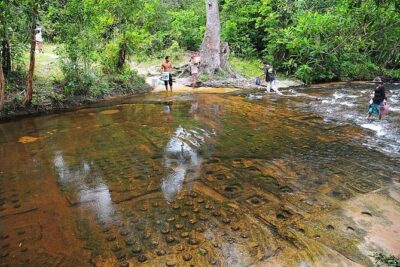
Phnom Kulen Waterfall National Park from Siem Reap
Read our review →


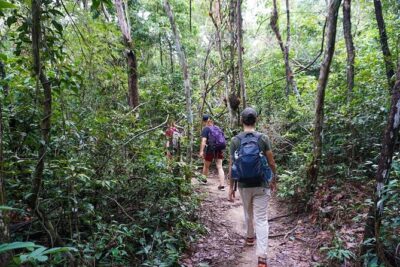
Jungle Trekking Tour at Phnom Kulen National Park from Siem Reap
Read our review →
Angkor Wat Private 2 day tour including National Park Phnom Kulen
Read our review →
Exploring Bokor National Park Full-Day Tour from Sihanoukville
Read our review →Browse the lists this tour appears in