
Reviewed · TUK-TUKS
Tuk Tuk Tour (Full-Day)
Battambang’s best stories unfold outside the city center, and this full-day tuk tuk tour links them in one long, well-filled loop. You’ll see Samrong Knong Killing Field, family-run food businesses, ancient temples, the Bamboo Train, and Phnom Sampov, ending with sunset and the flight of bats from the cave.
I like the close look at local food making, especially sticky rice cooked in bamboo, handmade rice paper, fish paste, and rice wine. I also like the small group limit of four, which gives guides such as Sothea or Lim room to explain things rather than rush you through.
The main drawback is the pace. Eight hours in a tuk tuk, with several open-air stops and an afternoon temple run, can feel long, and lunch plus all entrance fees are extra.
Key points to know before booking
- Samrong Knong Killing Field: A serious first stop that gives the rest of the day historical context.
- Four local food traditions: See bamboo sticky rice, fish paste, rice paper, and rice wine made by hand.
- Experienced English-speaking guides: Sothea and Lim are specifically praised for clear explanations and attentive service.
- Four-person maximum: A practical size for a tuk tuk and a more personal day.
- Bamboo Train and two temple stops: The afternoon shifts from village life to Battambang’s better-known sights.
- Phnom Sampov finale: The day ends with sunset and the bat cave, but admission fees and lunch are not included.
A full day that connects Battambang’s past and present
This is not just a ride from one monument to the next. The route moves between painful Khmer Rouge history, working village businesses, religious sites, and popular attractions. That mix is the tour’s real strength.
The advertised duration is about eight hours, though the operating time is given as seven to nine hours. Pickup is offered, and the group is capped at four people. That matters in a tuk tuk, where extra passengers can make a long day feel cramped.
You receive water, fruit, and snacks, plus an English-speaking local guide. The driver may also handle the guiding, as happened with Lim and Sothea. That arrangement can work very well because you have one person handling the road and the explanations, but it also means the quality of the day depends heavily on which guide you are assigned.
If you can request a guide, Sothea is a sensible name to ask for. The available comments describe his English as excellent and praise his balance of history, food, and culture. Lim is also singled out as informative, caring, and attentive to comfort. Neither point guarantees availability, but both names are worth knowing.
A few more Battambang trips to weigh up
- Battambang: Tuk-Tuk, Bamboo Train, Killing/Bat Caves, Sunset
★ 4.9 · 1,436 reviews - Battambang Tuk Tuk tour: Bambootrain, Killing & Bat Caves,Sunset
★ 5.0 · 799 reviews - Afternoon tour by tuk tuk to bamboo train,bat cave,killing cave,countryside.
★ 5.0 · 344 reviews
Starting with the Khmer Rouge period at Samrong Knong
The morning begins with a Killing Field stop, identified in the detailed tour comments as Samrong Knong Killing Field. This is not a light opening, but it gives you essential context for Cambodia.
You should expect a reflective visit rather than a cheerful sightseeing stop. The Khmer Rouge period remains central to understanding modern Cambodia, and a local guide can help connect what you see with the country’s wider history. Sothea is praised for explaining this part clearly and for helping visitors learn about Cambodia’s past.
The value here is not in taking a quick photograph and moving on. Give the site your attention. The tour then becomes more meaningful because the villages, homes, and local businesses you see afterward are part of a country that has rebuilt itself.
This stop may not suit someone looking only for relaxed sightseeing. If you prefer to ease into the morning with food and scenery, the serious subject matter could feel abrupt. Still, it is an important part of a responsible visit to Cambodia.
Watching bamboo sticky rice being prepared
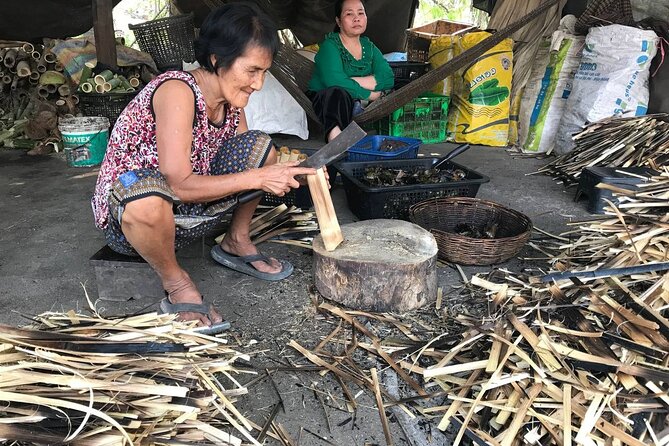
The next part of the morning turns to everyday food production. Bamboo sticky rice is presented as a traditional business, giving you a direct look at how a familiar Cambodian food is prepared and sold.
The appeal is its simplicity. Instead of seeing food only after it reaches a restaurant table, you see the work behind it. The bamboo container is part of the process, and the stop helps explain why local food traditions remain tied to small businesses and family income.
A donation to the local businesses visited is included in the tour price. That does not replace buying something if you want to support the makers further, but it does mean the tour is designed to contribute directly during these stops.
Keep some room in your schedule and appetite for the demonstrations. Water and fruit are supplied, but lunch is not included, and the tour does not promise a full meal during the morning. You should plan to pay for lunch separately.
Fish paste, rice paper, and handmade rice wine
Three more morning visits show different sides of village production. At the fish market, you can see fish paste being made. The rice paper stop focuses on handmade production, while the rice wine stop shows another traditional process.
These are useful stops because they are not polished museum displays. They connect you with businesses that earn a living from food products. The smells and working conditions may be stronger and more basic than you expect, especially at the fish market. That is part of the point, but it is worth knowing if you are sensitive to pungent food aromas.
The rice paper visit should appeal to anyone interested in patient handwork. It is a small detail of Cambodian food culture that is easy to miss when you only visit restaurants. The rice wine stop adds another local product to the picture, though personal purchases are your responsibility.
I like this section of the day because it gives you conversation topics beyond monuments. You can ask how the products are made, how they are used, and how these small businesses fit into village life. The English-speaking guide is particularly useful here, since the value comes from explanation rather than simply looking.
Same country, a completely different kind of day:
- Local Livelihood Half Day Bike Tour in Battambang
★ 5.0 · 287 reviews - Explore Battambang full day tour by Tuk Tuk (start from 9am-6:30pm)
★ 5.0 · 240 reviews - Battambang: Bamboo Train, Bat Cave, Killing Cave by Tuk Tuk
★ 5.0 · 182 reviews - Full Day tour .City tour.Countryside.Bamboo Train.Secret Bat Cave
★ 5.0 · 178 reviews
Ek Phnom, the first major temple stop
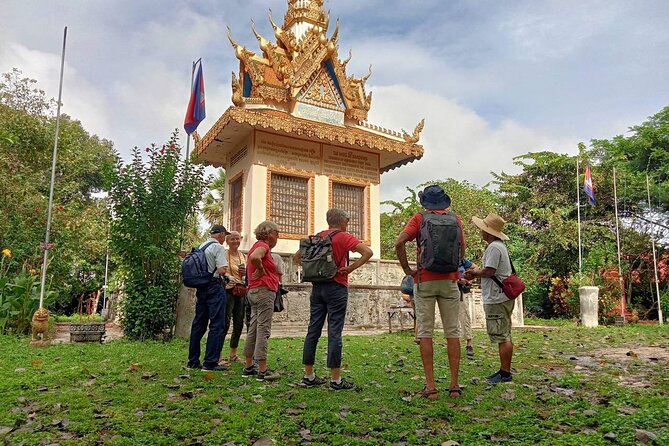
Ek Phnom follows the morning food visits. It gives the day a change of pace, moving from working businesses to a historic temple setting.
The supplied details do not promise a specific tour inside the site, and entrance fees are not included. Ask your guide how much time is planned and what the current admission cost is before you commit to the full visit. That small check helps you manage both time and spending.
Ek Phnom works well in the itinerary because you reach it after seeing local life. A temple can feel like an isolated attraction if you arrive, take a few photos, and leave. Here, it forms part of a broader picture of Battambang, where religious and historic places sit alongside active village trades.
By this stage, you may be ready for a break. Lunch is not included, so this is the point to confirm the plan with your guide. The tour description places lunch between the morning and afternoon sections, but it does not specify a restaurant, menu, or price.
Afternoon movement on the Bamboo Train
The afternoon begins with the Bamboo Train at its newer location. This is one of Battambang’s signature activities and brings a more playful note after the morning’s serious history and food stops.
The tour does not include admission tickets, so budget separately for the Bamboo Train and the other tourist sites. Since exact entrance prices can change, the listing gives no fixed total beyond the $35 tour charge.
The Bamboo Train is a good fit if you want a short, memorable activity rather than another formal monument. It also breaks up the long tuk tuk ride. You should still expect some road time, since the tour covers several stops across the Battambang area.
The wording new spot is worth noting. Do not assume you are visiting the old location or the version shown in older guidebooks. Ask your guide what to expect at the current site, especially if the Bamboo Train is the main reason you are booking.
Banan Temple and the cost of extra sights
Banan Temple comes after the Bamboo Train. It adds another temple to a day that already includes Ek Phnom, but the two stops help show that Battambang sightseeing is spread across several sites rather than concentrated in one compact center.
The tour price is $35 per person, which is reasonable for a private-feeling day capped at four people, with pickup, a tuk tuk, an English-speaking guide, water, fruit, snacks, and donations to local businesses included. The value is strongest when you want transport and interpretation arranged for you instead of negotiating separate rides all day.
The price is less all-inclusive than it may first appear. You still pay for lunch, entrance tickets, personal expenses, and insurance. If you plan to enter every site, your final cost will be higher than $35.
Banan Temple may also be the point where the day feels physically demanding. The supplied information does not specify stairs, walking time, or exact access conditions, so ask the guide about the visit before setting off. The tour is described as suitable for most people, but the full route is not designed as a short, low-effort outing.
Sunset and the bat cave at Phnom Sampov
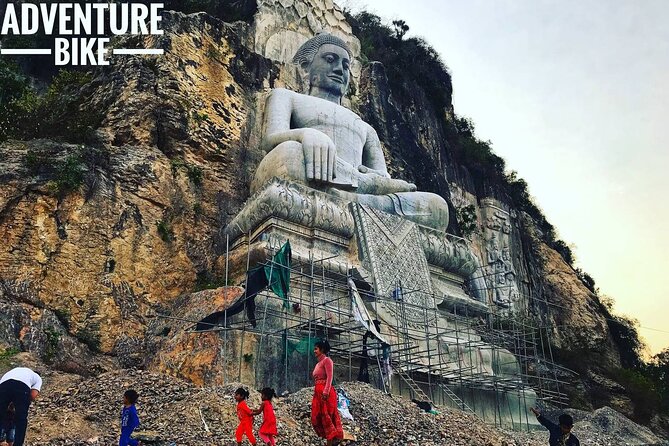
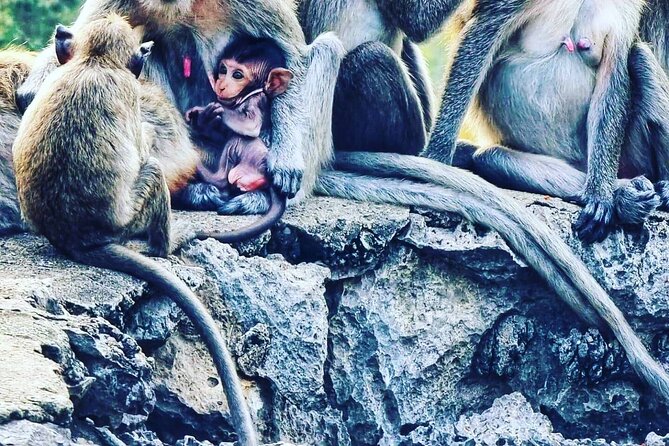
The final section takes you to Phnom Sampov for sunset and the bat cave. It is a strong ending because the day shifts from human history and food production to open views and a natural spectacle.
The timing matters. Sunset is not just another stop that can be visited at any hour, so the day’s schedule may change slightly depending on conditions and traffic. The itinerary specifically pairs sunset with the bat cave, giving you a reason to stay through the final part of the visit.
You should expect this to be one of the busiest-feeling moments of the route, since it is a well-known Battambang attraction. The tour’s small group size remains useful here because your guide can help keep the evening organized.
The bat cave is a memorable way to finish, but do not treat it as guaranteed at a precise minute. The experience depends on timing and local conditions. Your guide can tell you when to position yourself and how long the stop will last.
How Sothea and Lim shape the day
The strongest part of this tour is the guide service. Sothea is repeatedly praised for his English, clear explanations, and ability to connect history, food, and culture. One detailed account describes him staying with the visitor and explaining each part of the route, which is exactly what you want from a day with many short stops.
Lim is also described as informative and caring, with attention to comfort throughout the day. That matters in a tuk tuk, where shade, water, breaks, and a manageable pace affect your enjoyment as much as the attractions do.
The guide is not simply there to point out temples. At the food stops, he can explain what you are seeing. At the Killing Field, he can provide historical context. At the end of the day, he can help coordinate the sunset and bat cave timing.
The experience may feel different if the driver and guide are separate people, or if your assigned guide is someone other than Sothea or Lim. The tour promises an experienced tuk tuk driver and a local English-speaking guide, but it does not promise a particular person.
Who will get the most from this $35 tour
I would choose this tour if you have one full day in Battambang and want a broad introduction rather than a slow visit to one site. It suits you especially well if you enjoy local food production, difficult history, countryside stops, temples, and a popular evening attraction in one package.
It is also a good option for a small family or group of friends. One comment specifically describes the tuk tuk as large enough and comfortable for a small family. The four-person maximum keeps the vehicle from becoming a crowded shared ride.
You may want something else if you dislike long days, have very limited mobility, or prefer to choose your own meal and temple schedule. The tour includes many stops, and that variety comes with a fairly brisk rhythm.
Solo visitors can also benefit from the English-speaking guide and included snacks, though the price is charged per person. Couples and small groups are likely to get the clearest value from the private-feeling format.
Practical details before you reserve
The tour offers pickup and a mobile ticket. It is near public transportation, allows service animals, and says most people can participate. Those points make booking straightforward, but they do not provide specific information about wheelchair access or the physical demands at each temple.
Wear clothing suitable for a warm outdoor day and bring money for lunch, admission fees, and personal purchases. The tour includes water and snacks with fruit, but you should not mistake those items for a replacement for lunch.
The maximum group size is four. Confirmation is received at booking, and free cancellation is available if you cancel at least 24 hours before the start time. A cancellation made less than 24 hours ahead is not refundable, and changes inside that period are not accepted.
Should you book the Battambang Tuk Tuk Tour?
Book it if you want Battambang in broad strokes: Khmer Rouge history in the morning, working food traditions, two temple stops, the Bamboo Train, and Phnom Sampov at sunset. At $35 per person, the combination of transport, guide, refreshments, and small group size gives it solid value, provided you remember that lunch and entrance fees are extra.
I would ask for Sothea or Lim when booking, if possible, and confirm the lunch plan and entrance costs before departure. Skip it if you want a relaxed schedule or a tour focused only on temples. For a first full day in Battambang, though, this is a practical route with genuine local contact and a strong final stop.
FAQ
How long is the Battambang tuk tuk tour?
The tour lasts approximately seven to nine hours, with the itinerary described as an eight-hour day.
How much does the tour cost?
The listed price is $35 per person.
What places does the tour visit?
The route includes a Killing Field, bamboo sticky rice production, a fish market where fish paste is made, handmade rice paper, handmade rice wine, Ek Phnom, the Bamboo Train, Banan Temple, and Phnom Sampov for sunset and the bat cave.
Is pickup included?
Yes. Pickup is offered.
Are entrance fees included?
No. Admission tickets for tourist places are not included in the tour price.
Is lunch included?
No. Lunch is not included, so you should budget separately for it.
How many people can join the tour?
The activity has a maximum of four participants.
What is provided during the tour?
The tour includes an experienced tuk tuk driver, a local English-speaking guide, water, fruit and snacks, and donations to the local businesses visited. Personal expenses and insurance are not included.
Just added around Battambang
- Bamboo Train, Banann Temple, Fruit Bat, Bat Cave, Sunset★ 4.2 · 3 reviews
- Afternoon tour to Original Bamboo train. Bat cave. Killing cave★ 5.0 · 25 reviews
- Private Taxi Transfer Battambang from/to Phnom Penh★ 5.0 · 7 reviews
- Private Taxi Transfer From Battambang – Siem Reap City★ 5.0 · 4 reviews
- Afternoon Tour BambooTrain & Bat Cave★ 5.0 · 57 reviews
- Explore local livelihood & countryside (Half-Day Cycling Tour)★ 5.0 · 19 reviews
- Private Boat from Battambang to Siem Reap via Tonle Sap Lake★ 4.5 · 3 reviews
- Full/Half Day Tuk TuK: Handicrafts Bambootrain Killing&Bat Caves★ 5.0 · 14 reviews
Tuk-Tuks, compared.

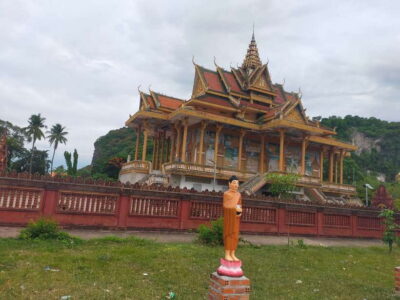
Tuk-Tuk, Bamboo Train, Killing/Bat Caves, Sunset
Read our review →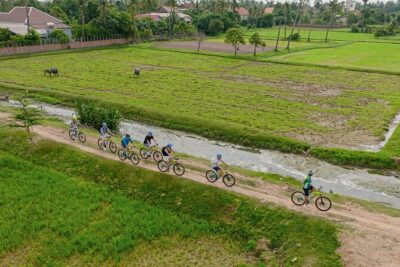
Siem Reap Countryside Bike Tour / E-Bike or Tuk Tuk
Read our review →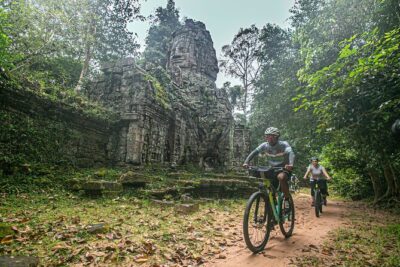
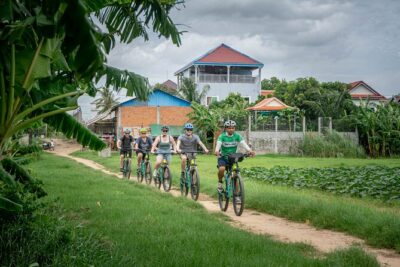
Phnom Penh Silk Island Bike Tour/ E-Bike or Tuk Tuk
Read our review →
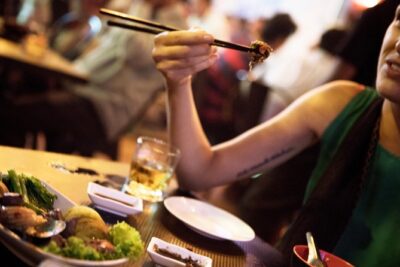
Ultimate Phnom Penh Food Tour by Tuk Tuk: 20 Tastings and Drinks
Read our review →
Afternoon tour by tuk tuk to bamboo train,bat cave,killing cave,countryside.
Read our review →Browse the lists this tour appears in