
Reviewed · MARKETS
Siem Reap Cambodian Buddhist Water Blessing and Local Market
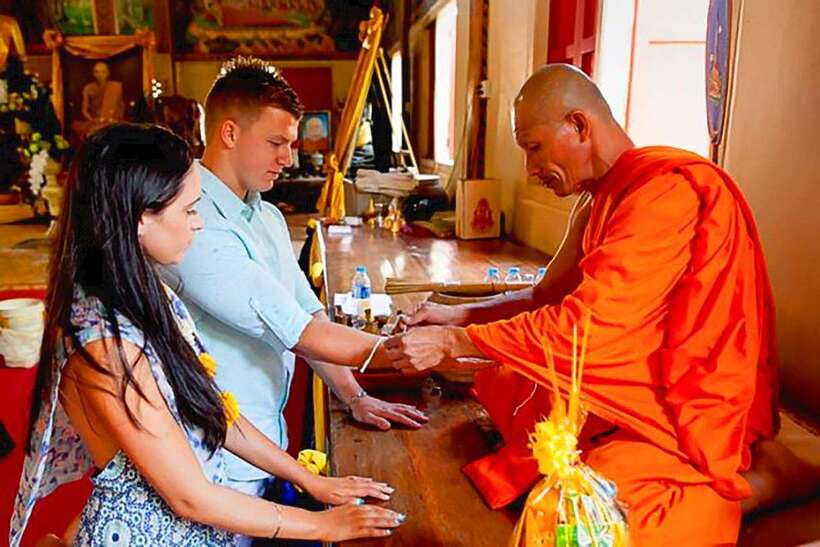
At Wat Arang Pagoda, you do more than look at a Cambodian temple. You sit with resident monks, hear Buddhist chanting, and receive a traditional water blessing meant to bring good luck, safe travel, and long life. I like the private-group format, which gives you room to ask questions without competing with a busload of people. I also like the local market stop, since it adds an everyday Siem Reap experience to the spiritual visit.
The main drawback is the price. At $54 per person for 2.5 hours, this costs more than a simple tuk tuk ride to a pagoda. You are paying for the guide, transport, ceremony arrangements, sarong, pagoda donation, and personal attention, so the value depends on how much you want cultural context rather than just a quick blessing.
Key points to know before booking
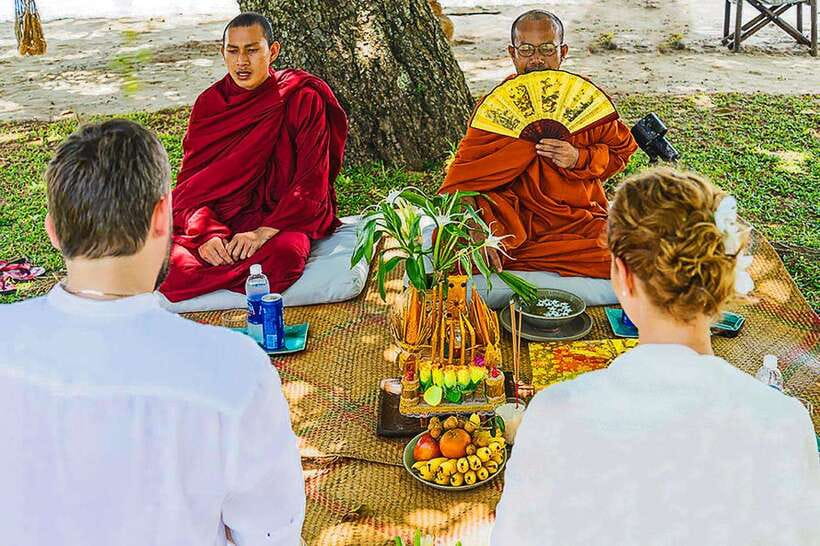
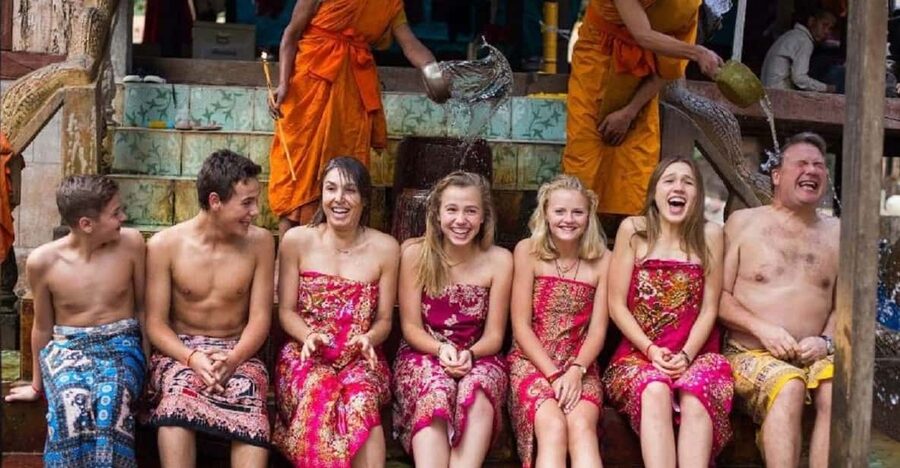
- Choose between two blessings: Receive a light sprinkling while monks chant, or take part in a longer ritual with blessed water poured over your head.
- Wat Arang Pagoda is outside the city: The visit takes you away from Siem Reap’s main streets and into the countryside south of town.
- Private groups make the visit personal: You can ask direct questions about Buddhism, monks, offerings, and the meaning of the red wrist ties.
- Your clothes can stay dry: A sarong is supplied if you select the longer blessing.
- The market is part of the experience: You get a short look at local shopping and may have time to find handmade souvenirs.
- Guides can shape the day: Borey, Mr Lucky, and Seila have led this experience, with particular praise for their explanations and calm manner.
Leaving Siem Reap by tuk tuk
Your guide and driver pick you up from your hotel about 30 minutes before departure. Give the company your hotel address and a contact number in advance. That small step matters in Siem Reap, where hotels can sit along lanes with similar names or away from the main road.
The tuk tuk ride is not just a transfer between points. It changes the pace of the morning or afternoon. You leave the traffic and commercial streets behind and head toward Wat Arang Pagoda, an older religious setting south of Siem Reap. The listed transport portions total about 35 minutes, though the exact route and traffic can affect the timing.
A tuk tuk is open to the air, which lets you see more of the road than you would from a sealed car. It also means heat, dust, and road noise are part of the ride. If you prefer a quiet, air-conditioned journey, this may feel basic. If you want a simple local ride and a break from the city, it fits the experience well.
This is a private group, so the ride is more flexible than a shared excursion. You can ask your guide to explain what you pass, clarify the ceremony before arrival, or discuss Cambodian customs as you go. The guide is the key to turning a short road trip into useful background.
A few more Siem Reap trips to weigh up
- Siem Reap: Morning Bike Tours with Local Market & Lunch
★ 5.0 · 52 reviews - 3-Hour Siem Reap Guided Cooking Class and Market with Pick up
★ 4.5 · 26 reviews - Morning Cooking Class and Market Tour in Siem Reap
★ 5.0 · 18 reviews
Meeting the monks at Wat Arang Pagoda
The pagoda visit is the heart of the experience. Wat Arang is described as an ancient pagoda in the countryside, where resident monks live and carry out their daily religious practice. You are not simply being shown a religious building. You are being introduced to a living Buddhist setting.
Your guide explains the lives of the monks and the basic beliefs behind the ceremony. That explanation is important because Buddhist rituals can otherwise feel mysterious to an outsider. You learn why the monks chant, why water is used, and what the colored wrist ties represent.
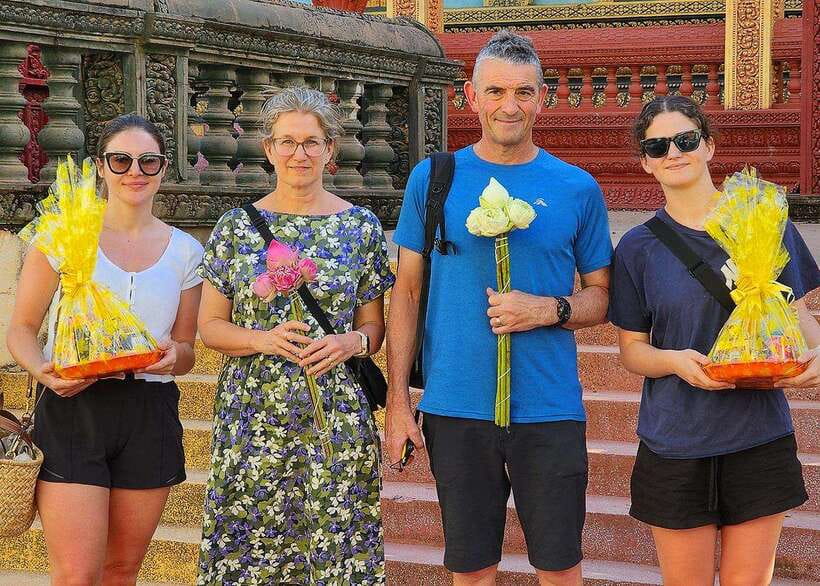
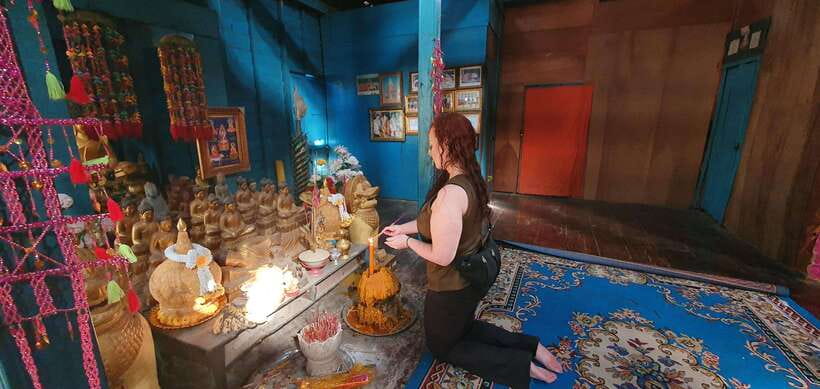
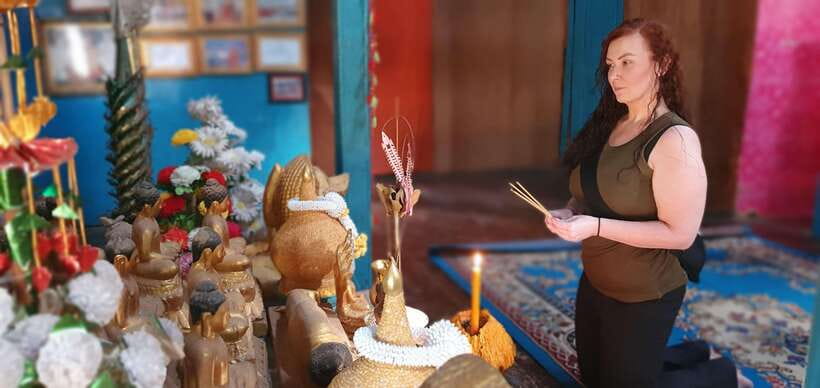
Seila, one of the guides who has led this experience, has included a stop at a shrine for an offering before the pagoda blessing. Offerings of flowers and a basket of treats may be prepared for you before pickup, as happened with Mr Lucky. Since arrangements can vary by guide and day, consider these thoughtful details possible rather than guaranteed.
The setting calls for respectful behavior. Speak quietly, follow your guide’s instructions, and dress in a way that works for a religious site. The provided sarong helps with the longer ceremony, but it is still sensible to wear comfortable clothing that can be adjusted easily.
Choosing the right Cambodian water blessing
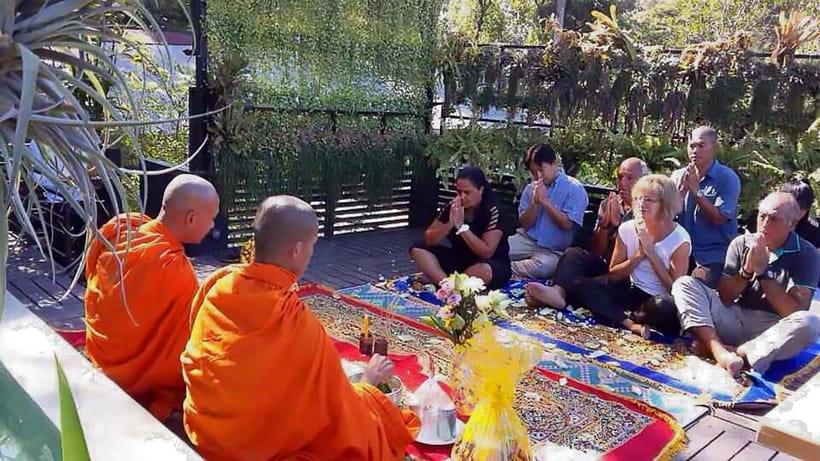
You have two forms of blessing to choose from. The first is shorter and less involved. Monks chant for your good luck, safe travel, and long life while lightly sprinkling you with water.
This option suits you if you want the ritual without changing clothes or getting soaked. It also works well if you have limited time or simply prefer a brief ceremony. The water sprinkling is gentle, but the meaning comes from the chanting and the monk’s blessing, not from the amount of water used.
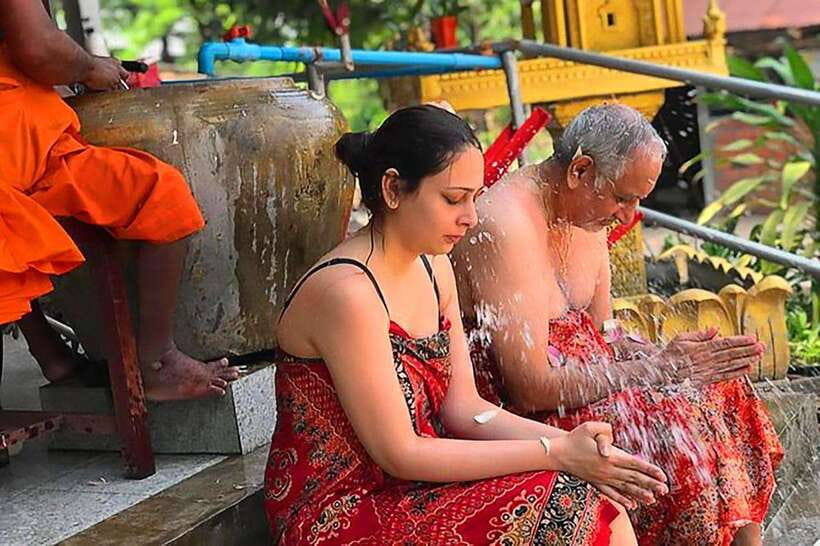
The second option is a longer ritual. Blessed water is poured over your head while the monks chant. You receive a sarong to change into, keeping your regular clothes dry. This is the more formal and physical choice, and it requires you to be comfortable sitting or standing through a longer ceremony while water is poured over you.
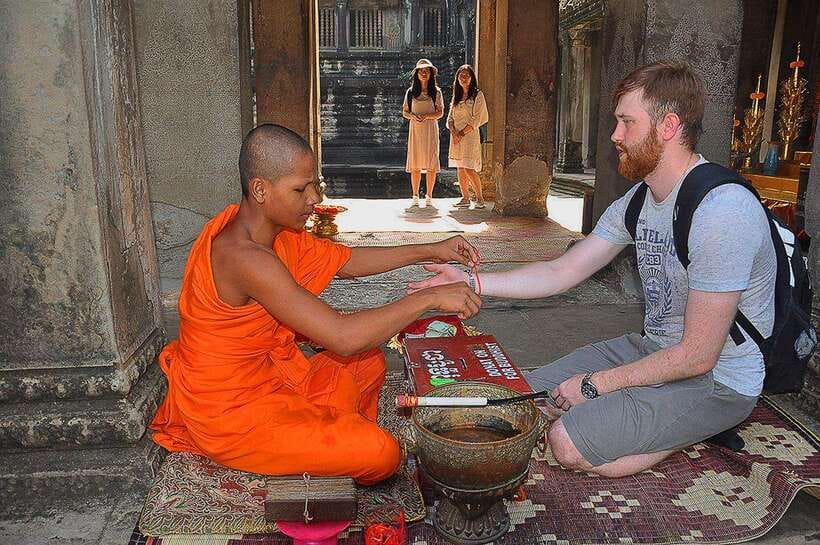
At the end, red ties are placed around your wrist. These special threads signify that the blessing has been performed. They make a simple, visible reminder of the visit, though you should not treat them as a souvenir handed out for entertainment. They are part of the ritual’s meaning.
Your guide should explain the choices before the ceremony begins. If you are unsure, ask which blessing fits your comfort level. There is no need to select the longer ritual simply because it sounds more dramatic. The light blessing still includes chanting and a personal moment with the monks.
Why the chanting and water matter
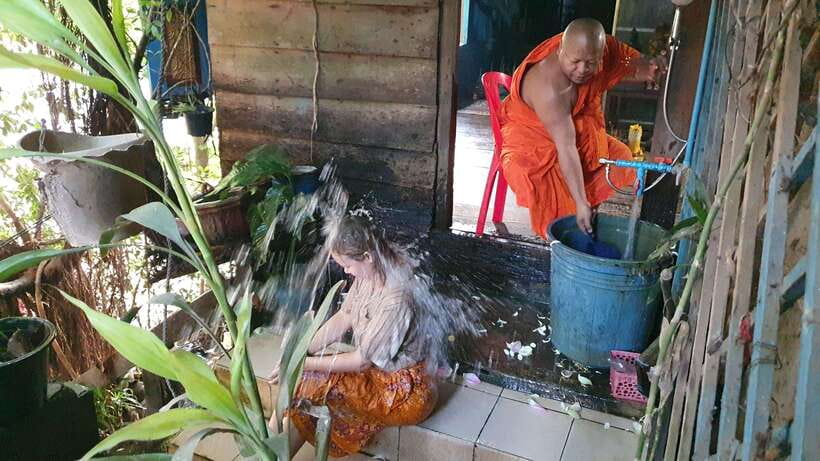
Water blessings are a traditional Cambodian practice dating to ancient times. The ceremony connects present-day Cambodian life with customs that are older than the temples of Angkor. That link gives the experience more depth than a photo stop at a monument.
The chanting creates the central mood. You hear the monks recite prayers and wishes while the water is sprinkled or poured. Your guide provides the cultural frame, helping you understand that the ritual is about blessing, protection, and good fortune.
You do not need to share the Buddhist faith to appreciate the ceremony. You do need to approach it with respect. The value comes from taking part carefully, listening to the explanation, and allowing the ritual to be what it is rather than expecting a staged show.
This is also a useful choice for first-time visitors to Cambodia who want contact with local religious life but do not know how to arrange it on their own. The guide handles the introductions, clothing, donation, and basic instructions. That removes much of the uncertainty that comes with arriving at a pagoda alone.
Same country, a completely different kind of day:
- Angkor Wat Sunrise or Sunset Tour with Guide from Siem Reap
★ 5.0 · 12,109 reviews - Siem Reap: Angkor Wat: Small-Group Sunrise or Sunset Tour
★ 5.0 · 9,444 reviews - From Siem Reap: Kampong Phluk Floating Village Tour by Boat
★ 4.9 · 6,979 reviews - Sunset tour of Kampong Phluk stilts home village on the Tonle Sap
★ 5.0 · 4,865 reviews
The local market adds an everyday Siem Reap view
The market stop balances the spiritual visit. Instead of spending the full 2.5 hours at the pagoda, you also see a place where local people shop and conduct ordinary business.
The market portion is listed as about 20 minutes. That is enough for a quick look, basic browsing, and questions from your guide, but it is not a long shopping expedition. Keep your expectations realistic. You may not have time to compare every stall or negotiate for several large purchases.
A market visit is most useful when your guide explains what you are seeing. You might find food, household goods, produce, or small items for sale, though the exact stalls and products can change. One guide has also taken visitors to a special place where handmade souvenirs could be watched as they were made. That kind of stop adds more value than simply pointing out rows of merchandise.
If you want souvenirs, ask your guide how the purchase works and what a fair price might be. The market is better approached as a chance to observe local commerce first and shop second. It is also a good place to notice the contrast between Siem Reap’s visitor economy and daily life outside the main tourist center.
Guides make the biggest difference
This experience depends heavily on the English-speaking guide. The ceremony itself follows a religious tradition, but the guide determines how clearly you understand it and how comfortable you feel taking part.
Borey has led the tour with a personal, friendly approach and detailed explanations of Buddhism. Mr Lucky has been especially attentive with prepared offerings and clothing for the ceremony. Seila has added spiritual context by including a shrine offering before the pagoda visit.
Guide assignments can vary, so you may not receive one of these three people. Still, their roles show what you should expect from a strong guide on this tour: clear explanations, help with local etiquette, calm support during the ritual, and enough flexibility to make the market stop worthwhile.
Because the group is private, you can ask direct questions. You might ask about the monks’ daily lives, the purpose of the red ties, the difference between the two blessings, or the meaning of offerings. This is a much better setting for questions than a large group where the guide must keep moving.
What the $54 price really includes
The cost is $54 per person. For a short 2.5-hour activity, that may initially seem high, especially in a destination where tuk tuk rides and market visits are usually inexpensive.
The price makes more sense when you count the parts included:
- Hotel pickup and tuk tuk transport
- An English-speaking guide
- A private group rather than a large shared group
- The pagoda donation
- A sarong for the longer blessing
- The Buddhist ceremony
- The local market visit
You are not paying only for transport or access to a pagoda. You are paying for an arranged cultural encounter that could be awkward to organize independently. The donation also means you are contributing to the religious site rather than treating the ceremony as a free performance.
I would call it fair value for someone who wants an informed, private visit and a meaningful ritual. It is less appealing if you only want a quick look at a pagoda, a cheap tuk tuk ride, or a market where you can shop for an hour. The short duration also makes the cost feel higher on a per-hour basis.
The strongest value comes from the guide. If the explanations are good, you gain context that you would probably miss on your own. If you already know a great deal about Buddhism and are comfortable arranging temple visits independently, you may prefer to spend the money elsewhere.
Timing, comfort, and practical details
The full activity lasts 2.5 hours, with starting times based on availability. Pickup is arranged about 30 minutes before departure, so leave some space in your schedule rather than booking another activity immediately afterward.
The longer blessing involves changing into a sarong and having water poured over your head. Bring a relaxed attitude and avoid planning the activity around clothing that must remain perfectly styled. Your regular clothing should stay dry when you use the provided sarong, but the ceremony itself is still more hands-on than a standard temple visit.
Personal expenses are not included. That mainly matters at the market, where any purchases would be your responsibility. The pagoda donation, transport, guide, and sarong are included, so you should not need to budget separately for those parts.
The activity is marked wheelchair accessible. Since the exact surfaces and layout at the pagoda are not described, contact the provider before booking if you need details about access during the blessing itself. That is especially important if you require a particular transfer arrangement or seating position.
Cancellation is flexible: you can cancel up to 24 hours before the activity for a full refund. You can also reserve now and pay later, which helps if your Siem Reap schedule is still changing.
Who should book this experience
I would recommend this for you if you want a cultural activity with a personal scale. It suits couples, families, and solo visitors who prefer a private guide and want to ask questions freely.
It is also a good fit if you have already visited Angkor Wat and want a different side of Cambodian culture. The temples of Angkor are monumental and historic. This visit is smaller and more personal, centered on monks, ritual, offerings, and a local market.
You should also consider it if you are interested in Buddhist customs but do not want a long lecture. The information is tied to something you are actually doing: receiving the blessing, listening to chanting, and wearing the red wrist ties.
I would be more cautious if you are looking for a low-cost activity, a long market visit, or a full-day cultural tour. This is a short, focused experience. The market is an addition, not the main event, and the religious ceremony requires respect rather than a casual sightseeing attitude.
Should you book the Wat Arang water blessing?
Book it if the ceremony is the reason you are interested. The combination of monk-led chanting, blessed water, red wrist ties, and clear explanations gives you a direct way to encounter a Cambodian tradition that is still practiced today.
The private format, included donation, supplied sarong, and hotel pickup remove much of the hassle. Guides such as Borey, Mr Lucky, and Seila show how much warmth and detail a good host can bring. The local market gives the short outing a useful second half.
Skip it if $54 feels too steep for 2.5 hours or if you mainly want shopping time. For the right visitor, though, this is a thoughtful break from the main tourist circuit and a respectful introduction to Buddhist life near Siem Reap.
FAQ
How long does the Buddhist water blessing and market tour last?
The experience lasts 2.5 hours. Pickup takes place about 30 minutes before departure, and starting times depend on availability.
Where does the water blessing take place?
The blessing takes place at Wat Arang Pagoda, an ancient pagoda in the countryside south of Siem Reap.
What types of blessings can I choose from?
You can choose a shorter blessing with chanting and a light sprinkling of water, or a longer ritual in which blessed water is poured over your head while the monks chant.
Is a sarong provided for the longer blessing?
Yes. A sarong is provided so you can change and keep your regular clothing dry during the longer water ritual.
Is hotel pickup included?
Yes. The guide and driver pick you up from your hotel. You should provide the hotel address clearly and include a hotel contact if possible.
Is the experience private and wheelchair accessible?
Yes. The activity is offered as a private group and is marked wheelchair accessible.
Just added around Siem Reap
- Ultimate Sunrise to Angkor Wat, Angkor Thom and Bayon Temple★ 5.0 · 3 reviews
- Twilight Tastes of Siem Reap Include Dinner★ 5.0 · 13 reviews
- Trekking Tour at Phnom Kulen National Park from Siem Reap★ 5.0 · 3 reviews
- Full-Day Private Tour of Angkor Wat with Pick Up★ 5.0 · 12 reviews
- Private Day Trip to Angkor Temples with Expert Guide★ 5.0 · 4 reviews
- Waterfall & River of 1000 Siva Linga- Kulen Mountain Private Tour★ 5.0 · 3 reviews
- Professional Photo Shoot in Angkor Archaeological Park, Siem Reap★ 5.0 · 42 reviews
- Unveiling 2 Days Private Angkor Wat/Beyond In Sunrise/Sunset Tour★ 5.0 · 48 reviews
Markets, compared.
Tuk Tuk Trip to Pepper Farm, Kep, Crab Market & More
Read our review →
Phnom Penh’s Morning Market and Street Art Tour by Tuk tuk
Read our review →
Phnom Penh Morning Market & Food Tour by Tuktuk – Includes All Food & Drinks!
Read our review →
KAMPOT TRAVEL-Pepper farm. Cave.Secret lake-Crab market & Salt…
Read our review →
Full day Tour, Countryside, Pepper farm & Kep, crab market…
Read our review →
Browse the lists this tour appears in