
Reviewed · MUSEUMS
Siem Reap: Angkor National Museum Admission Ticket
Angkor Wat is the headline, but the Angkor National Museum explains the civilization behind the stones. Inside, eight galleries trace Khmer art, religion, and culture through ancient inscriptions, excavated objects, and more than a thousand Buddha statues. It is a useful stop before the temples, and an even better one after them, when the carvings begin to make more sense.
I like the freedom of a one-day admission ticket. You set the pace, linger over the pieces that catch your eye, and skip the ticket line. I also like the price: at $15, it is a reasonable way to add context to a temple visit. The main drawback is that the ticket includes no guide or audio guide, and you must arrange your own ride to the museum.
Key points to know before you go
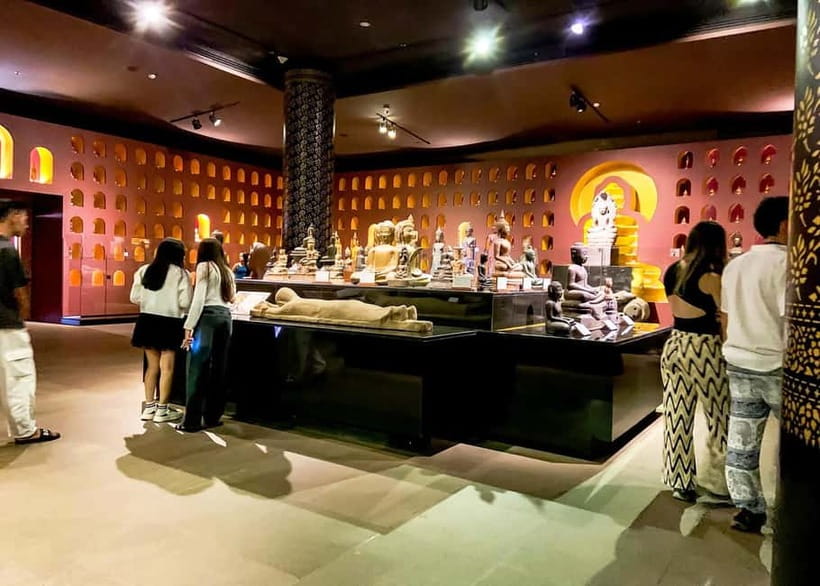
- More than 1,000 Buddha statues: A large collection gives you a clear sense of how Buddhist art changed over time.
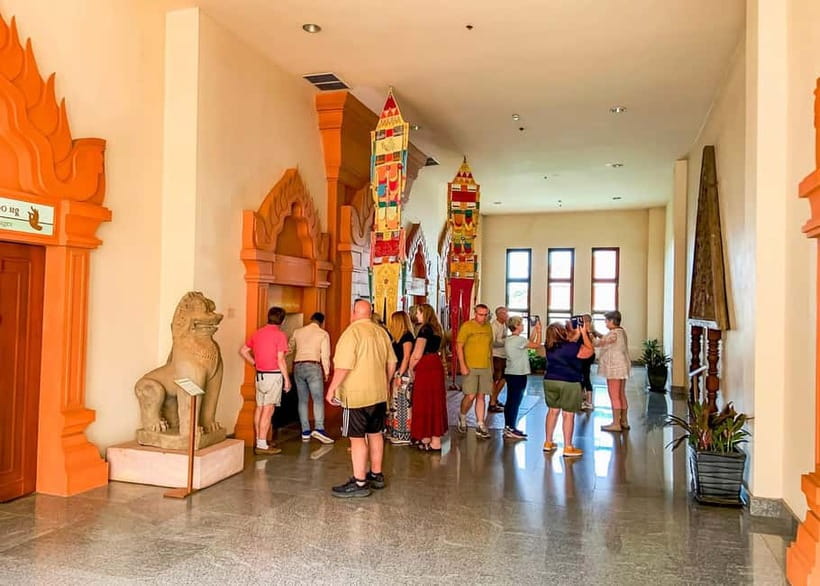
- Eight galleries: The museum covers Khmer art, culture, religion, inscriptions, and objects from Angkor’s archaeological sites.
- Best used before or after Angkor: Go before the temples for background, or afterward to connect what you saw outdoors with the museum displays.
- Audio guide costs extra: The admission ticket does not include one. An audio guide has been reported at $5 and can extend your visit to two or three hours.
- Your ticket arrives electronically: Provide a reachable WhatsApp, Telegram, or Viber number so the operator can send it before your visit.
- Easy, flexible format: You arrange transport, enter with your ticket, and explore independently. Wheelchair access is available.
Why the museum helps Angkor Wat make sense
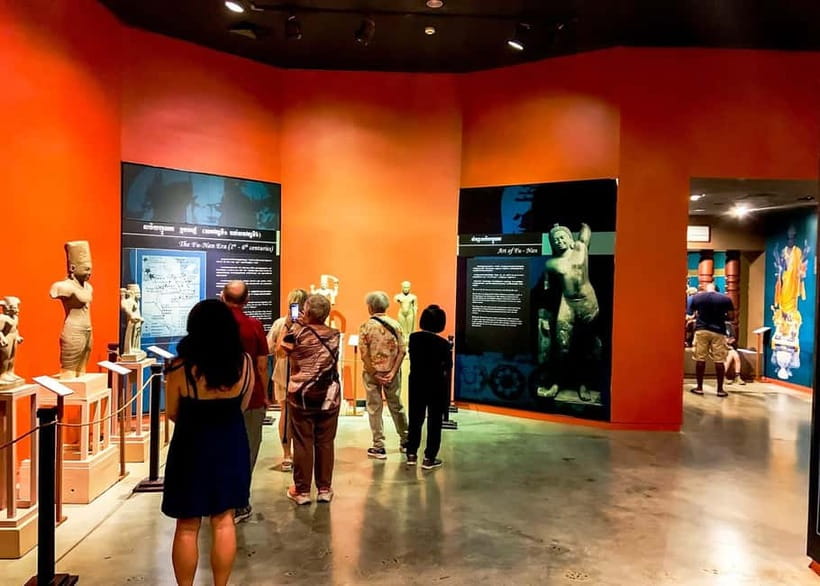
The Angkor National Museum is not simply a room full of old stone. Its real value is explanatory. Angkor’s temples can overwhelm you with towers, galleries, faces, and carved stories. Without context, it is easy to admire the workmanship while missing what the images mean.
Here, you can follow the development of Khmer art and religion through organized exhibits. The displays include Buddha figures, ancient inscriptions, and artifacts removed from archaeological sites. That matters because the museum gives you a chance to look closely at objects that can be hard to study at a temple, where heat, crowds, distance, and time all get in the way.
I would place the museum on either side of your temple visit. If you go first, you can begin spotting religious symbols and artistic patterns at Angkor. If you go afterward, the museum can help you sort out what you saw and put it into a wider story.
The two approaches suit different kinds of people. If you like background before seeing a major site, start here. If you prefer to meet the temples first and ask questions later, save the museum for the afternoon or the following day.
A few more Siem Reap trips to weigh up
- Bantey Srei, Kbal Spean and Landmine museum Private Tuk-Tuk
★ 4.7 · 30 reviews - Siem Reap City Tour with War Museum and Killing Field
★ 5.0 · 27 reviews - Private Tour: HERO Rats & Angkor National Museum
★ 4.5 · 16 reviews
Eight galleries, with room to set your own pace
The visit has no fixed group schedule. You are free to move through the eight galleries in order, stop when something interests you, or keep moving if a display feels less relevant.
That freedom is important. A guided tour can be useful, but it can also rush you past the very object you want to study. With this ticket, you can spend extra time with the Buddha collection or focus on the inscriptions and explanatory panels.
The galleries together show the evolution of Khmer art, culture, and religion. That broad coverage makes the museum useful for more than one type of visitor. You do not need to be a specialist to appreciate the statues, and you do not need to limit yourself to a quick look at the highlights.
The museum’s wall information is especially important. The objects have more impact when you understand how they fit into Khmer civilization. I would take time to read the panels rather than treating the museum as a quick photo stop.
The Buddha collection and ancient inscriptions
The large Buddha collection is one of the strongest reasons to buy this ticket. More than 1,000 statues give you a chance to compare styles, poses, and expressions rather than seeing one isolated religious image.
The scale also changes the way you look. One Buddha statue can seem like a single work of art. A large group shows patterns and changes across Khmer religious art. You might notice repeated forms, differences in posture, and shifts in how artists presented religious figures.
The ancient inscriptions offer a different kind of experience. Statues are easy to appreciate at a glance, but inscriptions slow you down. They connect objects with language, belief, and the people who made or commissioned them.
I would not expect every inscription to be instantly readable or exciting. Some displays need the surrounding explanation to make sense. That is where the museum’s information boards earn their space. They bring together the object and the larger story instead of leaving you to guess.
Artifacts from Angkor’s archaeological sites
The museum also displays artifacts excavated from Angkor’s archaeological sites. This gives you a closer look at objects associated with the temples and settlements than you may get during an outdoor visit.
At Angkor, you are often moving between large monuments. The scale is part of the magic, but it makes small details easy to miss. Museum displays let you concentrate on individual objects and examine them at a more manageable distance.
I find this especially useful after a day among the temples. Once you have seen Angkor’s stone architecture, the museum pieces feel less abstract. You begin to connect the religious objects, carved imagery, and inscriptions with the places where Khmer culture took shape.
The reverse is also true. If you visit the museum first, the archaeological objects give you a few ideas to watch for later. Do not expect the museum to replace Angkor Wat or the other temple sites. It works best as a companion, not a substitute.
Same country, a completely different kind of day:
- Angkor Wat Sunrise or Sunset Tour with Guide from Siem Reap
★ 5.0 · 12,109 reviews - Siem Reap: Angkor Wat: Small-Group Sunrise or Sunset Tour
★ 5.0 · 9,444 reviews - From Siem Reap: Kampong Phluk Floating Village Tour by Boat
★ 4.9 · 6,979 reviews - Sunset tour of Kampong Phluk stilts home village on the Tonle Sap
★ 5.0 · 4,865 reviews
How long should you allow?
The ticket is valid for one day, but the practical length of your visit depends on how closely you read and whether you use an audio guide.
A quick visit could focus on the main collection and take around an hour and a half. With an audio guide and a slower pace, allow two hours or more. One careful visit has taken more than three hours, so you should not squeeze the museum into a rushed gap between major plans.
The audio guide is not included. It has been priced at an additional $5, and it can help you move through the galleries in sequence while adding explanation to the objects. If you enjoy learning as you go, I think the extra cost is worth considering.
Still, you do not have to buy it. The wall panels provide useful information, and independent exploration keeps your costs lower. The choice depends on whether you prefer to read, listen, or simply look.
I would avoid planning the museum as a ten-minute stop. The collection is large enough that rushing will reduce its value. Give yourself at least 90 minutes, and more if museums are a major part of your trip.
Is the $15 ticket good value?
At $15 per person, this is a fair add-on to a Siem Reap visit. The price covers admission for the day, access to eight galleries, and the chance to see more than 1,000 Buddha statues, inscriptions, and archaeological artifacts.
The value is strongest if you want context for Angkor. The museum will not replace a temple pass or a day at the archaeological sites, and the ticket does not include transport, food, a guide, or an audio guide. You should budget separately for those items.
The no-guide format also keeps the base price clear. You pay for entry, then decide if you want to add the $5 audio guide. That works well if you have already hired a guide elsewhere or prefer to read at your own speed.
Skipping the ticket line is another small but useful benefit. It saves time at the entrance, though you still need to manage the electronic ticket process before you go. The operator sends the ticket separately, rather than necessarily delivering it immediately after purchase.
For a smooth visit, book with a phone number that works on WhatsApp, Telegram, or Viber. The operator may contact you to reconfirm the booking and send the ticket. If you are heading straight to the museum, do not wait until the last moment to check your messages.
Getting there and planning the day
You are responsible for arranging your own transport. No pickup or drop-off service is included, so this ticket is best for people who already have a tuk-tuk, car, taxi, or other ride planned.
That is both a limitation and a benefit. The limitation is obvious: you do not get door-to-door service. The benefit is control. You can visit the museum before heading to another Siem Reap sight, return to your hotel afterward, or fit it into a private day without following a group timetable.
Check the available starting times when booking. The ticket is valid for one day, but the supplied details do not set a single fixed entry time for every booking.
Wear comfortable shoes and clothes. You may spend much of the visit on your feet, and you will get more from the galleries if you are comfortable enough to take your time. Bring a camera if you want photographs, plus some cash for personal expenses or the optional audio guide.
Pets, alcohol, and drugs are not allowed. Wheelchair access is available, which makes this a practical indoor choice for people who need an accessible museum setting.
Who will get the most from this ticket?
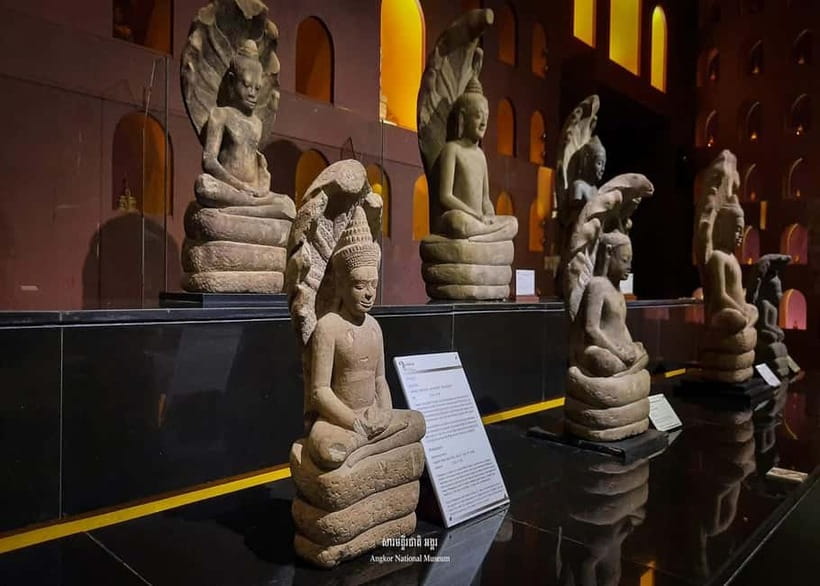
I would recommend this experience to anyone with a serious interest in Angkor, Khmer art, or Cambodian religion. It is also a good choice if you have only a basic idea of what you are seeing at the temples and want the larger picture.
Families and mixed groups may appreciate the self-guided format. One person can read the panels while another moves ahead, and nobody has to stay tied to a guide’s schedule. Private or small-group arrangements are available, but the core ticket remains an independent museum visit.
It is less suitable if you want a fully guided experience. No tour guide is included, and the audio guide costs extra. You also need to organize your own transport, so this is not a door-to-door excursion.
I would also think twice if you dislike museums or plan to spend only a few minutes indoors. The collection rewards patience. Its strength comes from the combination of objects and explanations, not from a single spectacular display.
A practical visit plan
I would use the museum in one of two ways.
Plan one: museum before the temples. Visit the eight galleries first, then head to Angkor with a few ideas in mind. Pay attention to religious images, artistic details, and inscriptions that might otherwise pass by unnoticed.
Plan two: museum after the temples. See Angkor first, then use the museum to organize what you have seen. This option works well if the temples leave you with questions about the statues, symbols, and culture behind the architecture.
For either plan, allow at least 90 minutes. Two hours is more comfortable, and three hours is reasonable if you use the audio guide and read carefully.
The museum is also a useful change of pace during a temple-heavy holiday. Siem Reap’s archaeological sites involve outdoor walking and long periods of looking at stone structures. A museum visit gives you a quieter setting where you can focus on details.
Booking, cancellation, and ticket delivery
You can reserve now and pay later, which is helpful if your Siem Reap schedule is still shifting. Free cancellation is available up to 24 hours before the activity for a full refund.
The most important booking detail is your contact number. You must provide a number that can receive messages through WhatsApp, Telegram, or Viber. The operator contacts you to reconfirm the booking and sends the admission ticket before your visit.
The ticket is not the same as a guided package. It includes museum admission only. Transport, food and drinks, a tour guide, and the audio guide are separate.
Should you book the Angkor National Museum ticket?
I would book it if you want more than a quick look at Angkor’s temples. The $15 price, flexible format, eight galleries, and large Buddha collection make this a sensible cultural stop in Siem Reap.
Book with the audio guide if you want a structured explanation and have two or three hours to spare. Skip the extra cost if you are comfortable reading the panels and exploring independently.
The key question is not whether the museum replaces Angkor. It does not. The question is whether you want your temple visits to have more meaning. If the answer is yes, this ticket earns its place in your plans. Just arrange your ride, watch for the electronic ticket, and leave enough time to do the galleries justice.
FAQ
How much does admission to the Angkor National Museum cost?
The admission ticket costs $15 per person.
How long is the ticket valid?
The ticket is valid for one day. Check availability for the starting times offered with your booking.
Is an audio guide included?
No. The audio guide is not included in the admission ticket. It has been available for an additional $5.
Is transportation to the museum included?
No. You are responsible for arranging your own transportation. Pickup and drop-off service are not included.
How do I receive my ticket?
You must provide a phone number that can be reached through WhatsApp, Telegram, or Viber. The operator will contact you to reconfirm the booking and send the ticket before your visit.
Can I cancel the booking?
Yes. You can cancel up to 24 hours in advance for a full refund.
Just added around Siem Reap
- Ultimate Sunrise to Angkor Wat, Angkor Thom and Bayon Temple★ 5.0 · 3 reviews
- Twilight Tastes of Siem Reap Include Dinner★ 5.0 · 13 reviews
- Trekking Tour at Phnom Kulen National Park from Siem Reap★ 5.0 · 3 reviews
- Full-Day Private Tour of Angkor Wat with Pick Up★ 5.0 · 12 reviews
- Private Day Trip to Angkor Temples with Expert Guide★ 5.0 · 4 reviews
- Waterfall & River of 1000 Siva Linga- Kulen Mountain Private Tour★ 5.0 · 3 reviews
- Professional Photo Shoot in Angkor Archaeological Park, Siem Reap★ 5.0 · 42 reviews
- Ultimate Siem Reap Food Tour by Tuk Tuk – 20 Tastings, 8 Stops★ 5.0 · 13 reviews
Museums, compared.
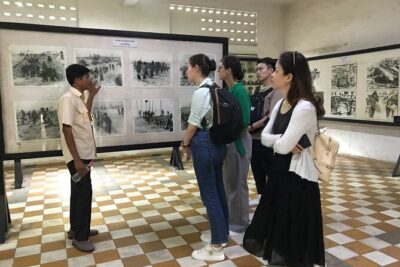
The Killing Field and Toul Sleng Genocide Museum (S21) Tour
Read our review →
Killing field and Toul Sleng genocide museum Tour
Read our review →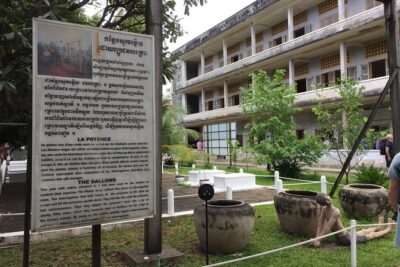
Private Half Day To Killing Field & S21 Genocidal Museum in Phnom Penh
Read our review →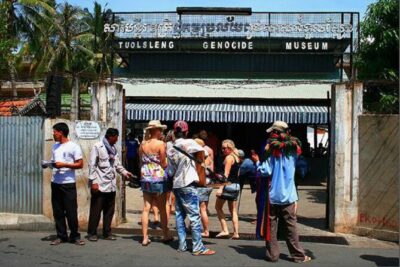
Tuol Sleng Genocide Museum (S-21) and Choeung Ek Killing Fields Tour
Read our review →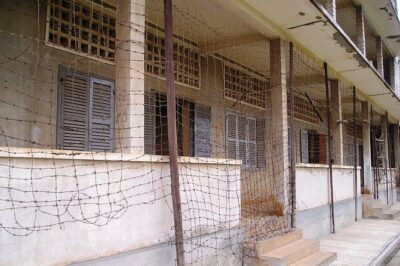
Phnom Penh City Tour, Silver Pagoda, Genocide Museum, Killing Fields
Read our review →
Bantey Srei, Kbal Spean and Landmine museum Private Tuk-Tuk
Read our review →
Siem Reap City Tour with War Museum and Killing Field
Read our review →The killing field and Toul Sleng Genocide museum (S21) Tour
Read our review →Browse the lists this tour appears in