
Reviewed · 1-DAY TOURS
A Day Trip to Kep Beach and Kampot from Phnom Penh
Kampot’s old streets, Kep’s crab-shore setting, and Cambodia’s salt and pepper farms make this more than a beach outing. In one long day, you see how the coast earns its living as well as how it looks on a postcard. I especially like the salt fields and the pepper-farm visit, two stops that give the trip a real local focus.
I also like having a private car or minivan, hotel pickup, and an English-speaking driver, with Vannak singled out for clear, detailed explanations. The main drawback is the distance: you spend about six and a half hours on the road for an 11.5-hour day, so this suits you best if you are willing to trade comfort and time for a broad taste of the southern coast.
Key points at a glance
- Salt fields are seasonal: The production process is most visible from December through May.
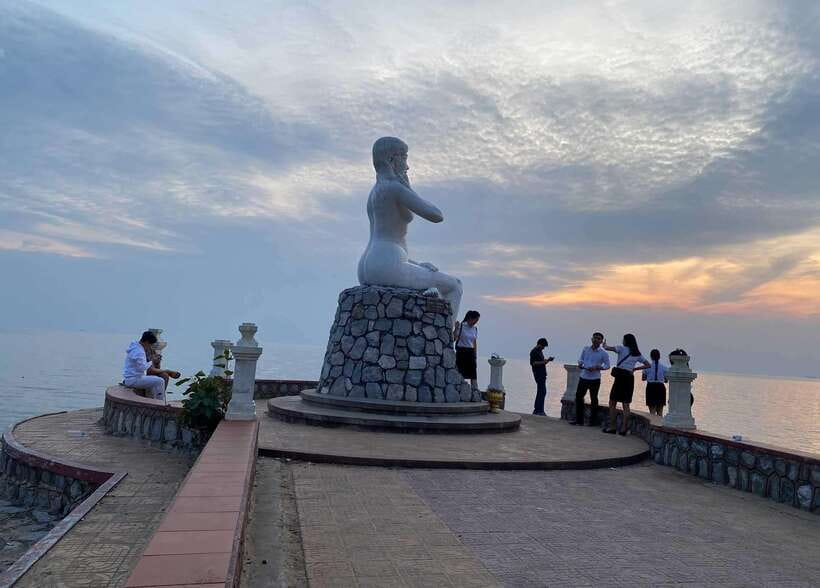
- Kampot mixes town and trade: You see colonial buildings, the fish market, and the Seahorse Statue.
- Phnom Chhngok adds a temple in nature: Comfortable shoes matter for the cave visit.
- Kampot pepper gets a proper introduction: The plantation stop includes a farm tour and tasting.
- Kep lunch is your own choice: Seafood, especially crab, is available at a local restaurant, but lunch costs extra.
- The day is private and road-heavy: Pickup is available in Phnom Penh or at Techo International Airport, with return to either location.
Why this 11.5-hour coast trip is worth considering
This excursion links several experiences that are usually spread across a stay in southern Cambodia. You get Kampot’s quiet town center, working salt farms, a cave temple, a pepper plantation, Kep’s seafood scene, and time by the sea.
That range is the strongest reason to book it. If you only want to sit on a beach, this is too busy. If you want to understand the area through its food, farming, buildings, and scenery, the full route gives you a useful first look.
The tour costs $135 per person. That is not a cheap transfer, but it includes private transportation, pickup and drop-off, an English-speaking driver, and the listed sightseeing stops. The value improves if two or more people share the vehicle, since you are paying for a private group rather than joining a large coach.
There is one important pricing wrinkle. The information says both that tickets and entrances are included and that entrance fees are not included. I would confirm this point before paying, especially for Phnom Chhngok Cave Temple and any plantation or site charges. The seafood lunch is clearly extra, as are personal purchases.
A few more Phnom Penh trips to weigh up
- Visit 11 Places in One Day including S21 & Killing Field
★ 5.0 · 361 reviews - From Phnom Penh: Angkor Wat, Bayon, and Ta Prohm Day Trip
★ 4.9 · 104 reviews - A day Trip Sightseeing Phnom Penh – Siem Reap – Private English Speaking Driver
★ 5.0 · 67 reviews
The long morning drive from Phnom Penh
The day starts early, and that is necessary. The drive to Kampot takes roughly three to four hours, with the planned transfer listed at about 3 hours and 15 minutes. You can arrange pickup in Phnom Penh or at Techo International Airport, then return to either location at the end.
A private vehicle makes this long transfer easier. You can settle into a car or minivan rather than follow a fixed large-group schedule, and the driver can guide you through the day in English. The activity is described as a private group experience, so you should have more control over your pace than on a shared bus tour.
Still, do not underestimate the road time. Kampot is not a quick side trip from Phnom Penh, and the return drive is about three hours. I would not schedule an important evening flight unless you leave a generous buffer. Traffic can change the arrival time, and the day is already full.
Bring water, sunglasses, a hat, sunscreen, and comfortable clothing. You will be outdoors, walking through town, visiting farm areas, and spending time at the beach. A swimming outfit is sensible if you want to swim at Kep.
Kampot’s colonial streets and fish market
The first major stop is Kampot, a pleasant town where old colonial buildings give the center its character. The tour allows time to walk, take photographs, and see the buildings rather than simply pass through by car.
I like this part because it slows the day down after the long drive. Kampot’s appeal is not one grand sight. It is the combination of low-rise streets, old facades, river-town calm, and everyday local activity.
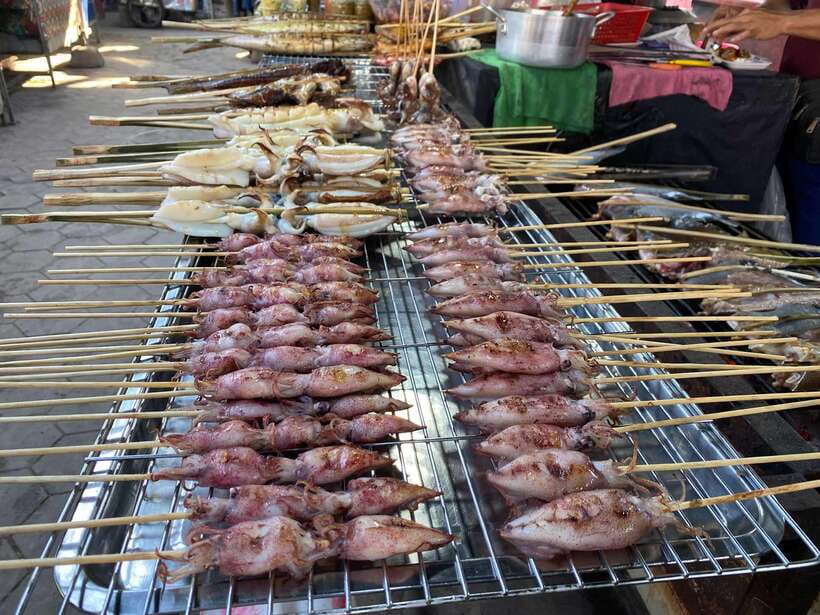
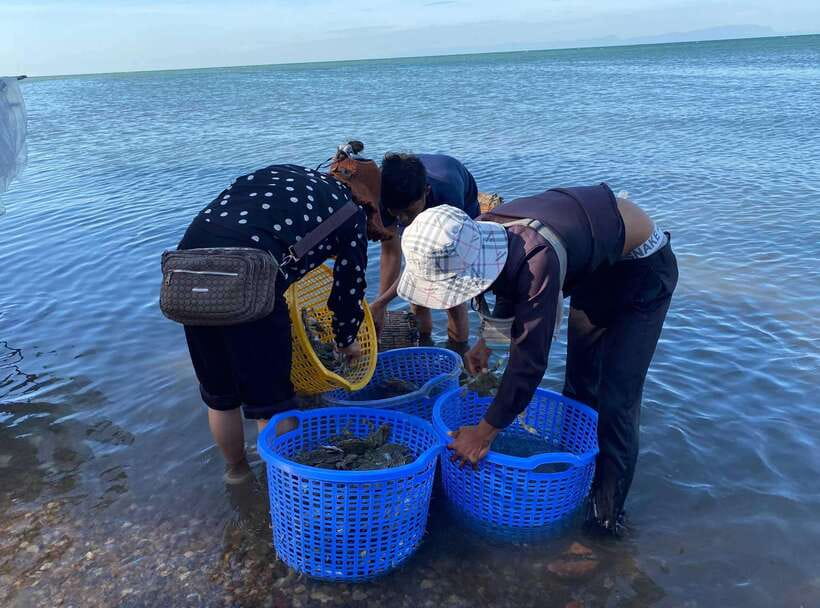
The fish market adds a practical side to the visit. You are not just looking at architecture. You are seeing one of the ways the town connects to the coast and to the food served later in Kep. The planned stop lasts about 35 minutes, so expect a compact visit rather than a long market study.
The Seahorse Statue is another short stop, with about 30 minutes for photographs, walking, shopping, and views along the way. It works as a town landmark and a simple orientation point. Do not expect a major museum-style attraction here. The pleasure comes from seeing Kampot at street level and collecting a few photographs before the rural stops begin.
Salt fields and Cambodia’s coastal work
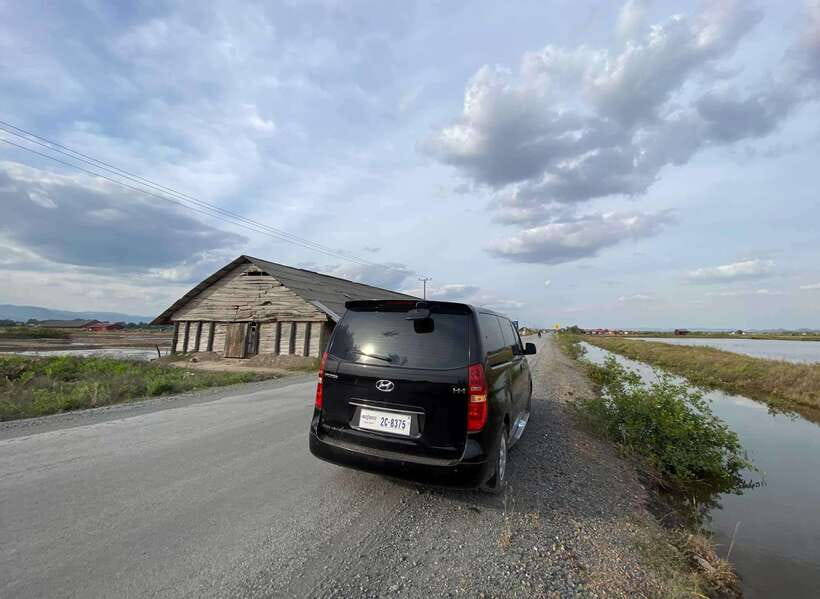
The salt fields are one of the most distinctive parts of the day. Wide, flat salt pans create a striking pattern, and you can see how seawater is handled and dried to produce salt. The open setting is especially good for photography.
Timing matters. Salt production is most visible from December through May. Outside that period, you may still see the fields, but the active process may be less apparent. If this stop is a main reason for booking, ask about current conditions before you go.
This visit gives the trip more substance than a simple scenic drive. You are seeing a working rural industry, not a display built only for sightseeing. The fields also help explain why the coastal area has a strong food identity, with salt, seafood, and pepper all appearing in the same day.
Sun protection is essential. There is little reason to expect shade in the open fields, so use sunscreen, wear a hat, and carry water. Biodegradable sunscreen is requested for the trip, a useful choice if you later swim at Kep.
Same country, a completely different kind of day:
- The Killing Field and Toul Sleng Genocide Museum (S21) Tour
★ 5.0 · 1,977 reviews - Phnom Penh: Sunset Cruise with Unlimited Beers & BBQ Buffet
★ 4.5 · 727 reviews - Aroma Therapy Massage, Relaxation therapeutic aromatherapy oil massages.
★ 5.0 · 645 reviews - Killing field and Toul Sleng genocide museum Tour
★ 5.0 · 610 reviews
Phnom Chhngok Cave Temple, a quiet change of pace
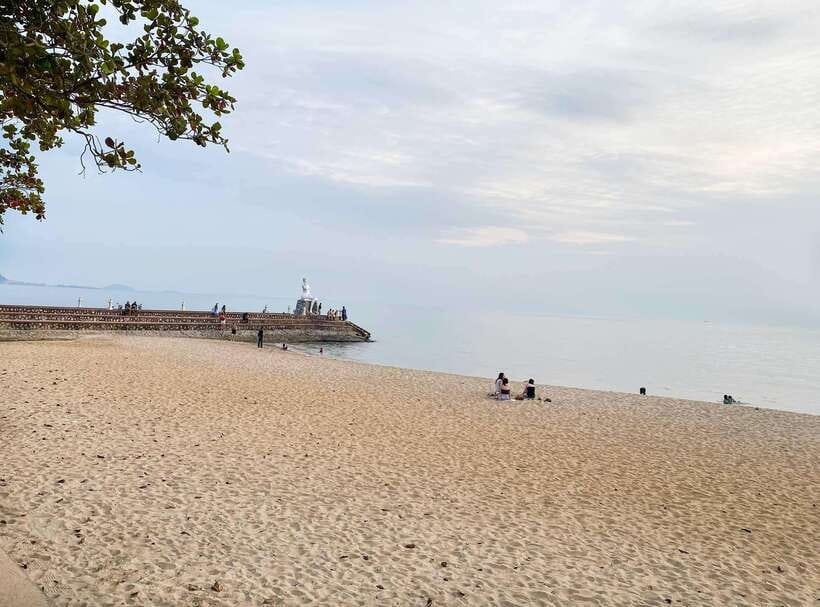
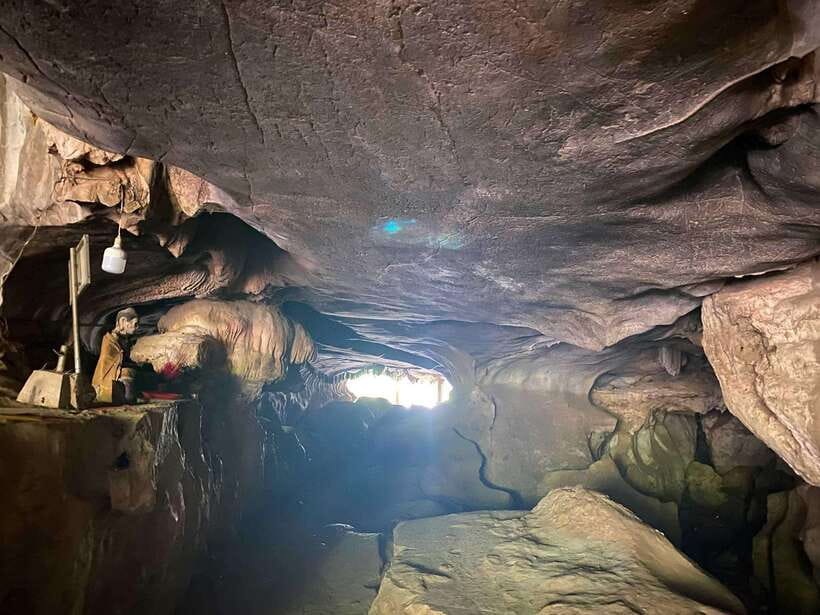
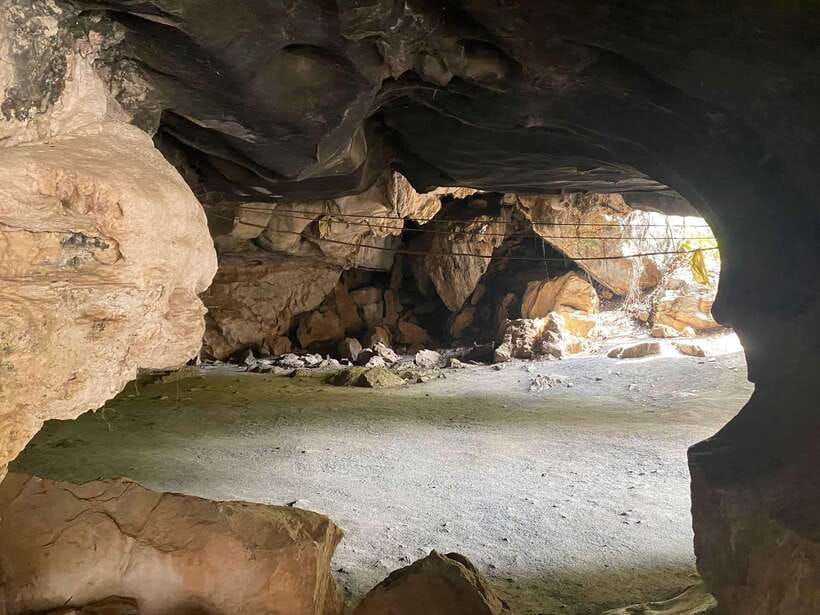
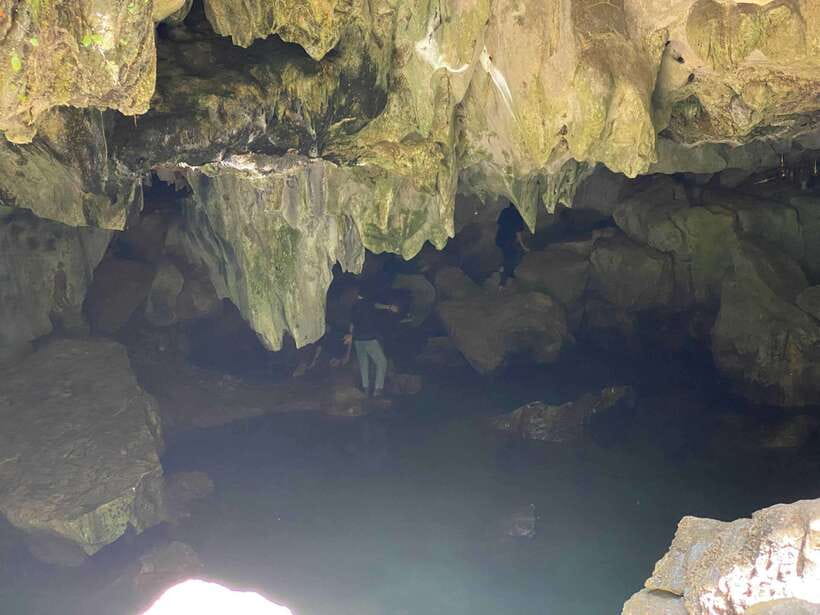
Phnom Chhngok Cave Temple brings a very different mood. The temple sits in a natural setting, with scenic views and a quieter feel than the town stops. The attraction is the combination of religious site and cave environment.
You should wear shoes suitable for walking and exploring. The information does not give a precise walking time or describe the route in detail, so avoid treating this as a quick roadside photo stop. Comfortable footwear will help you move through the site with more confidence.
Respect local customs here. This is a sacred place, not only a geological curiosity. Dress sensibly, follow instructions from your guide, and keep your behavior calm around the temple.
I like this stop because it breaks up the food and agriculture theme. After the fish market and salt fields, the cave temple gives you a chance to focus on Cambodia’s religious traditions and natural surroundings. The visit may be less suitable if you have difficulty walking, though the provided information only specifically rules out people with altitude sickness and people over 95. It does not provide full accessibility details, so ask before booking if mobility is a concern.
La Plantation and the taste of Kampot pepper
The pepper plantation is the food highlight. At La Plantation, you learn how Kampot pepper is cultivated and have a tasting session. A local farmer site gives the visit a direct connection to the people who grow the crop.
Kampot pepper is prized for its flavor, and this stop lets you understand the product before buying it. You can see that it is an agricultural product with a particular growing process, not just a spice attached to a regional name.
The tasting is useful because pepper is easy to buy without knowing what makes it different. Here, your guide can connect the farm work with the final flavor. The setting also offers peaceful views after the busy road schedule.
This is one of the stops where a good English-speaking guide matters. Vannak, identified as both driver and guide, received especially strong praise for explaining what you were seeing in detail. That kind of commentary can turn a plantation visit from a quick sample into a clearer lesson about cultivation.
Keep some space in your bag and budget for personal purchases. Pepper products and other items are not included in the tour price. The tour data does not list a required purchase, so you can treat shopping as optional.
Kep Market and a seafood lunch
After the plantation, the route continues to Kep for lunch. The meal is not included, which gives you some choice but means you should plan for an additional expense.
Kep is known for fresh seafood, particularly crab, and the suggested local restaurant setting fits the town well. You can order what suits you rather than accept a fixed meal, but the exact restaurant, menu, and prices are not specified. Ask your driver for help choosing and confirm the cost before ordering if you are watching your budget.
The stop is more than a meal break. Kep’s food culture is one of the clearest links between the morning’s fish market, the salt fields, and the coast. You have seen ingredients and local production earlier, then get to eat beside the source.
The wording around the route places lunch at Kep Market and also describes a local restaurant near Kep Beach. Treat these as part of the same Kep food stop, with the final choice depending on the day’s plan. If seafood is not your preference, ask what alternatives are available before you settle in. The supplied details only specifically highlight seafood and crab.
Kep Beach and the final coastal hour
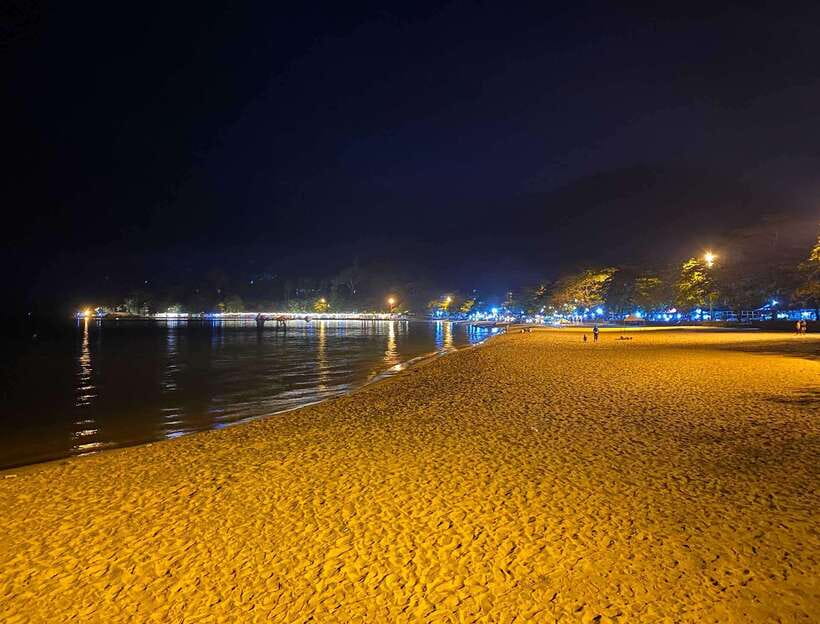
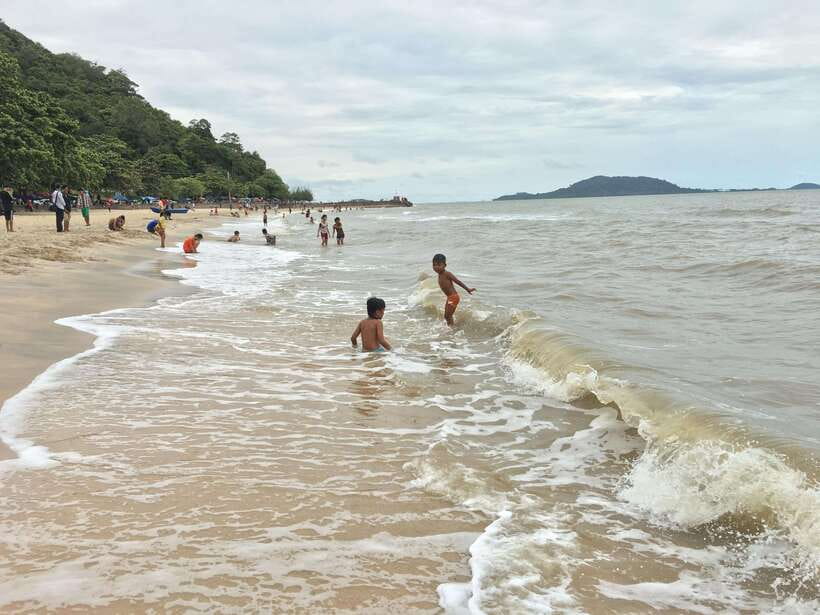
Kep Beach follows lunch, about 25 minutes from La Plantation according to the timing provided. Here, the pace finally becomes easy. You can walk along the shore, sit by the water, enjoy the views, or swim.
Do not picture a full resort day. Beach time comes late, after several sightseeing stops and a long drive, so the amount of time available depends on the day’s traffic and how long earlier visits take. The trip promises relaxation time, but it does not provide a fixed number of beach hours.
That said, even a modest pause by the water can be welcome. I like that the itinerary does not rush straight from lunch back to Phnom Penh. You get a chance to change the rhythm, take photographs, and enjoy Kep as a coastal town rather than only a seafood stop.
Bring your swimming dress, towel, sunscreen, and water if you plan to enter the sea. There is no stated provision for beach equipment, so pack what you need. Smoking is not allowed in the vehicle, and pets are not permitted.
What the private format changes
A private group is a real advantage on a route with several short stops. You are not waiting for a large coach to reload at every market, viewpoint, or farm. The driver can explain the area in English, and Vannak’s detailed guiding style is a useful sign for anyone who wants more than transport.
The private format also makes the $135 price easier to assess. For a solo visitor, it is a substantial day-trip cost. For a couple, family, or small group, it may offer better value because the car and guide are arranged around your party.
The tradeoff is that a private vehicle does not change the geography. You still face the long drive from Phnom Penh and back, and the early start is part of making the route possible. I would choose this over a shared tour if flexibility and direct guiding matter more to you than finding the lowest price.
Practical details before you book
Pickup is included, with Phnom Penh and Techo International Airport listed as the available locations. Wait in your hotel lobby 15 minutes before the agreed pickup time, or follow the airport pickup instructions attached to your booking option.
The tour lasts 11.5 hours, and an early start is expected. Wear comfortable shoes and clothes that work for both temple visits and beach time. Bring a refillable water bottle, sunglasses, a sun hat, sunscreen, and biodegradable sunscreen.
The activity allows cancellation up to 24 hours before departure for a full refund, and you can reserve now and pay later. These terms help if your Phnom Penh plans are still shifting, but you should still confirm the entrance-fee issue before booking.
The experience is offered in English and is not suitable for people with altitude sickness or anyone over 95 years old. The altitude restriction seems unusual for a mostly low-level coastal route, so if it affects you, ask the provider for clarification rather than guessing.
Should you book this Kampot and Kep day trip?
Book it if you want one well-packed introduction to Cambodia’s southern coast and do not have time for an overnight stay. The best reasons are the salt fields, Phnom Chhngok Cave Temple, Kampot pepper tasting, and the chance to combine local food with a little beach time.
Skip it if you dislike long road transfers or want a slow day in one place. You will spend much of the schedule in the vehicle, and the beach stop comes only after a full run of sightseeing.
For the best value, share the private vehicle with companions, travel during the December to May salt-production period, and confirm exactly which entrance charges are covered. If detailed English guiding is important, request Vannak if available. With those points settled, this is a useful, food-focused coastal day rather than a simple ride to the beach.
FAQ
How long does the trip from Phnom Penh to Kep and Kampot take?
The full activity lasts 11.5 hours. The drive to Kampot takes about three to four hours, and the return drive to Phnom Penh takes about three hours, depending on traffic.
Where can pickup and drop-off take place?
Pickup and drop-off options include Phnom Penh and Techo International Airport. You should wait in your hotel lobby 15 minutes before the scheduled pickup time.
Is the tour private?
Yes. The experience is offered as a private group trip, using a car or minivan.
Is an English-speaking guide or driver included?
Yes. An English-speaking driver is included. Vannak is identified as a driver and guide who provides detailed explanations during the sightseeing stops.
Is lunch included?
No. Seafood lunch in Kep is not included. You pay separately for the meal and any personal expenses.
Can I swim at Kep Beach?
Yes. The itinerary includes relaxation time at Kep Beach, including the option to swim. Bring a swimming outfit, sunscreen, and water.
When are the salt fields most active?
The salt production process is most visible from December through May. Outside those months, the fields may still be visited, but active production may be less apparent.
Just added around Phnom Penh
- The killing field and Toul Sleng Genocide museum (S21) Tour★ 4.5 · 19 reviews
- Watch Khmer Kickboxing with Free Beers by Ringside Seats★ 5.0 · 11 reviews
- Udong Old Capital Tour★ 4.5 · 3 reviews
- Watch Live Khmer Traditional boxing in Phnom Penh★ 5.0 · 46 reviews
- Udong Historical Site Tour★ 5.0 · 8 reviews
- Warm Stone Massage★ 5.0 · 23 reviews
- Killing Fields & Toul Sleng Genocide Museum Tickets With Tuk Tuk★ 5.0 · 6 reviews
- S-21 Prison and Killing Fields★ 5.0 · 8 reviews
1-Day Tours, compared.
1-Day Amazing Angkor Wat Tour with Sunset & All Interesting Major Temples
Read our review →
Angkor Wat one Day Private Tour for All Highlight Angkor Temples
Read our review →
1-Day private Angkor Temple Tour from Siem Reap
Read our review →
1-Day Angkor Wat Sunrise & All Interesting Temples Private Tour
Read our review →
Angkor Wat Sunrise Small-Group 1-Day Tour from Siem Reap
Read our review →
Browse the lists this tour appears in