
Reviewed · PHNOM KULEN TOURS
From Siem Reap: Guided Kulen Waterfall Tour
Phnom Kulen is where Cambodia’s royal story meets jungle, rock, and cool running water. This full-day trip takes you from an ancient stone quarry to the 1000 Lingas, a reclining Buddha, hilltop temple ruins, and a waterfall where you can swim. I especially like the mix of archaeology and daily village life, including palm sugar making, and the way guides such as Chout, Makara, and Sayon add useful local context. The main drawback is pace: the waterfall visit may last only 30 to 40 minutes, and lunch is not included.
I also like that park entry, hotel transport, and drinking water are covered in the $45 price. You travel in an air-conditioned vehicle, and the road up the mountain is part of the adventure. Plan for heat, uneven paths, and a long day, though. This is not suitable for wheelchair users or people over 70, and the park should not be visited without a guide because some areas have not been cleared of landmines.
Key points to know before booking
- A full day beyond Angkor: Spend about 10 hours away from Siem Reap, with nature, sacred sites, and village stops.
- The waterfall is the payoff: Bring swimwear and a change of clothes for a refreshing swim at Kulen Waterfall.
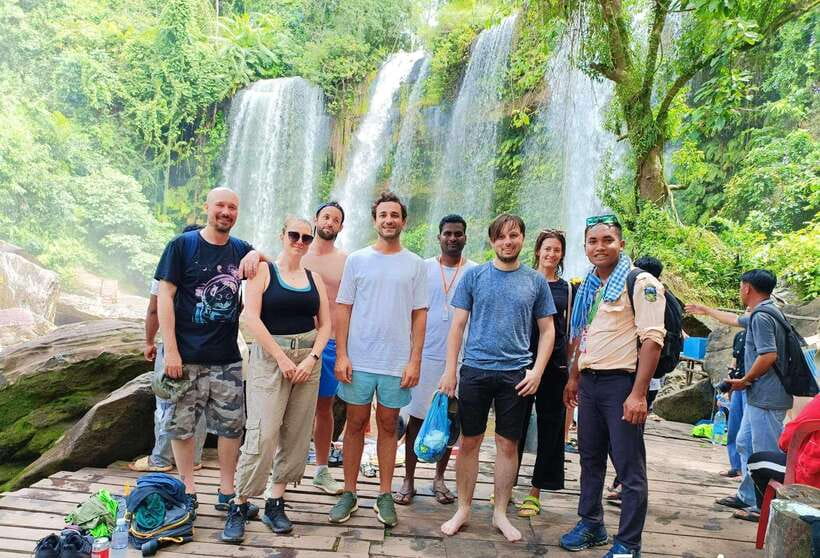
- Guides make the difference: Chout, Makara, Sayon, Vone, Sary, and others are praised for clear history, friendly care, and good photos.
- Lunch costs extra: The group stops at a local restaurant, but you pay for your own meal. Prices and atmosphere may feel touristy.
- The Landmine Museum is optional: It adds a serious look at Cambodia’s recent past and requires a separate entry fee.
- Wear proper shoes: You will walk on uneven ground and take short treks near the archaeological sites and waterfall.
Why Phnom Kulen makes a fine change from temple circuits
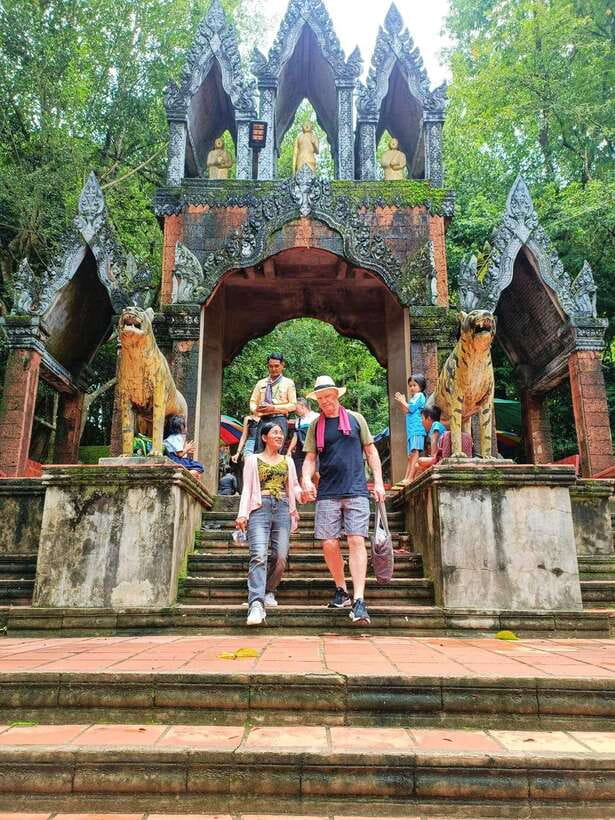
If you have spent several days among the temples around Siem Reap, Phnom Kulen gives you a different kind of Cambodian day. The mountain is linked with the beginning of the Khmer Empire and remains important to both Hindu and Buddhist worshippers. You get old stonework, forest paths, village industry, and a swim in the same outing.
That variety is the chief strength of this tour. You are not simply driven to one viewpoint, given a few minutes for photos, and returned to town. The day has a clear thread: the stone used for temples, the sacred river, the mountain’s religious sites, the waterfall, and present-day rural life.
The tour costs $45 per person. For that price, you receive a guide, transport from and back to your Siem Reap hotel, park entry, and water. You still need money for lunch and, if you choose it, the Landmine Museum. Compared with hiring separate transport and arranging access yourself, this is good value, especially if you want explanations rather than just a driver.
More Phnom Kulen Tours in Siem Reap:
- Kulen Waterfall Join-in Tour (local Picnic lunch)
★ 5.0 · 2,434 reviews - Kulen Mountain: Small-Group Tour and Picnic lunch
★ 4.9 · 1,802 reviews - Siem Reap: Kulen Mountain, Beng Mealea and Tonle Sap Tour
★ 5.0 · 1,483 reviews
The ride from Siem Reap to the mountain
Your driver collects you from your hotel lobby, and you should be ready 30 minutes before the scheduled departure. The total outing lasts about 10 hours, so this is an early start and a full day out, not a quick half-day escape.
Transport has been described as both an air-conditioned minibus and a 4WD vehicle. That difference likely depends on the group and vehicle assigned, but the useful point is that you are not left in the heat for the full journey. Air conditioning matters here. Phnom Kulen is far enough from Siem Reap that a comfortable ride makes the day much easier.
The road up the mountain is part of the experience. You pass through the Cambodian countryside, and the change from town to forest helps explain why Phnom Kulen feels separate from the main Angkor sites. At the same time, road conditions and mountain paths mean this is not a polished, effortless sightseeing route. If you dislike bumpy drives or uneven footing, keep that in mind.
A private group is available. That can be worthwhile for families or couples who want more say over photo stops, walking speed, and time at the waterfall. On a shared trip, the guide normally keeps the day moving so the whole itinerary fits into 10 hours.
The quarry shows how the temples began
The first stop is a quarry where stone was cut for temple construction in the area. It is not the grandest stop of the day, but it gives you a useful piece of the story before you see the religious monuments themselves.
I find this kind of stop valuable because it connects the finished temples with the hard work behind them. Massive blocks did not simply appear at Angkor. The quarry helps you picture the source of the building material and the scale of the old construction effort.
Your guide can also place the mountain in its wider setting. The point is less about a single spectacular ruin and more about seeing Phnom Kulen as a working source of stone and a sacred center. Do not expect a long museum-style visit. This is a short introduction to the mountain’s archaeological importance.
The 1000 Lingas beside the river
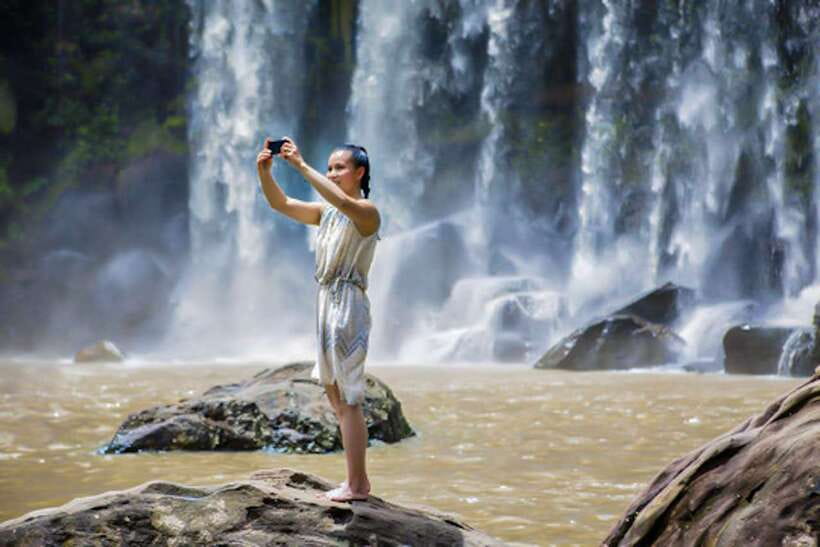
From the quarry, you continue to the riverside archaeological site known as the 1000 Lingas. Here, carved symbols lie in and around the riverbed. The linga is associated with Hindu worship, and its presence makes the stream a religious site, not just a pleasant woodland walk.
This is one of the places where a guide adds real value. Without an explanation, you may see carvings in shallow water and move on. With context, you begin to understand why the river mattered and how religion shaped the mountain.
The walk is generally a leisurely stroll rather than a serious hike, but conditions can be wet or uneven. Sports shoes are a better choice than sandals with smooth soles. The heat can also build, so use the supplied water and take your time.
The site is atmospheric in a quiet way. It does not have the broad, towering scale of Angkor Wat. Its appeal comes from the meeting of water, stone, and belief. If you enjoy smaller archaeological details, this may be more rewarding than another large temple facade.
A few more Siem Reap trips to weigh up
- Angkor Wat Sunrise or Sunset Tour with Guide from Siem Reap
★ 5.0 · 12,109 reviews - Siem Reap: Full-Day Angkor Wat Guided Tour with Sunset
★ 4.9 · 3,803 reviews - Angkor Wat Sunrise tour with Small – Group and Guide tours
★ 5.0 · 3,655 reviews - Angkor Wat Highlights and Sunrise Guided Tour from Siem Reap
★ 5.0 · 3,213 reviews
A reclining Buddha and more than 30 hilltop ruins
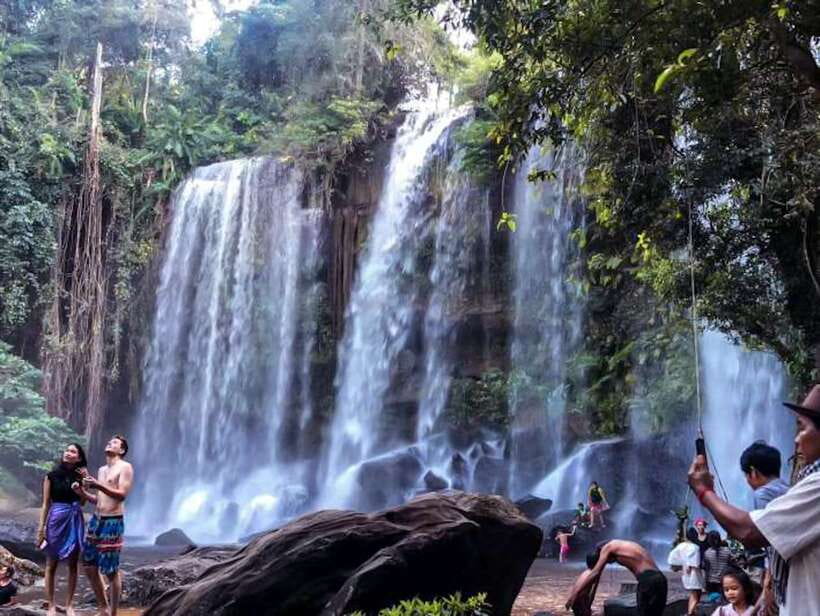
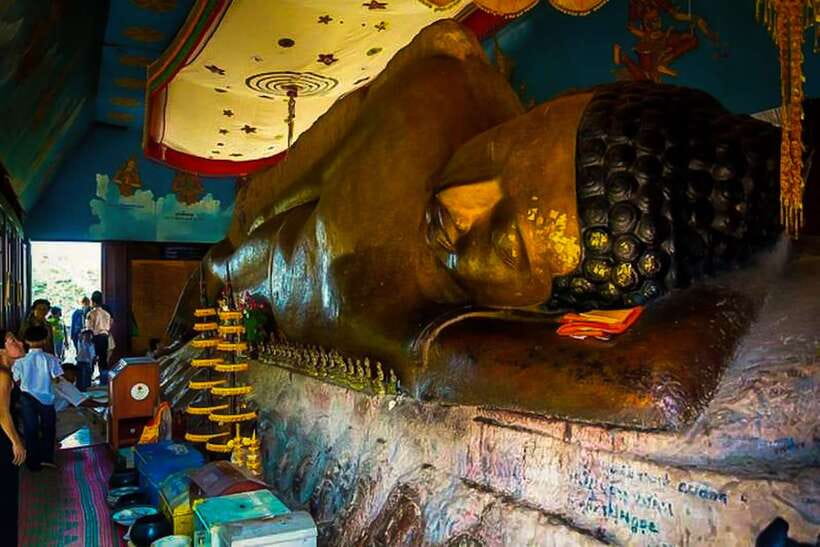
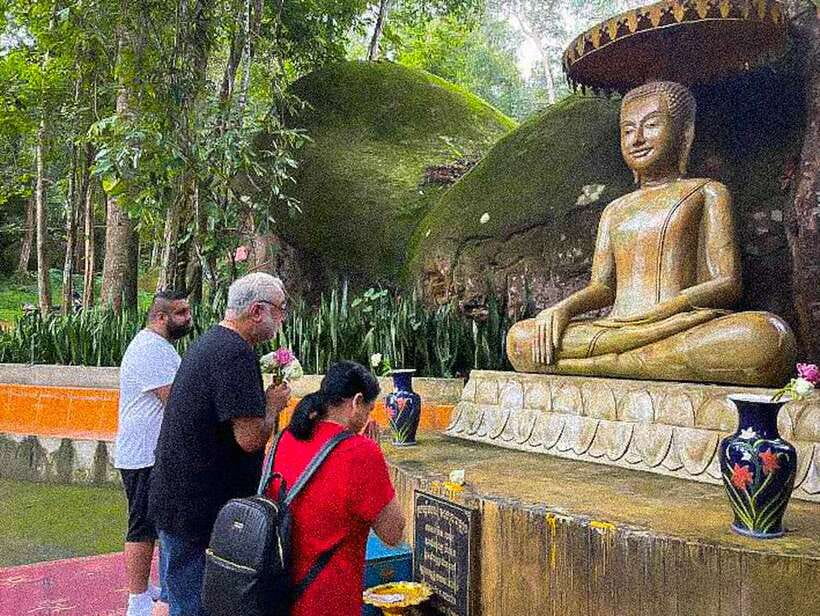
The next section takes you higher to a sacred hilltop with more than 30 temple ruins and a large reclining Buddha. The Buddha image is one of Phnom Kulen’s best-known religious sights, and the climb or walk to it adds a sense of pilgrimage to the visit.
The hilltop setting also gives you a change of view. Several people especially enjoy a nearby viewpoint for photographs, and guides often help with pictures. If you like having someone notice good angles instead of rushing through, this is one of the practical benefits of taking a guided trip.
The ruins are not presented as a fully restored temple complex. You will see remains scattered across a sacred mountain site, and that can be more interesting than a carefully rebuilt monument. The setting feels connected to living religious practice, with nuns and worshippers present in the area at times.
This part of the outing involves steps, uneven surfaces, and some walking. It is manageable for many people who can walk independently, but it is not designed for limited mobility. The tour specifically excludes wheelchair users, and people over 70 may find the combination of heat, steps, and a long day too demanding.
Kulen Waterfall is the day’s refreshing reward
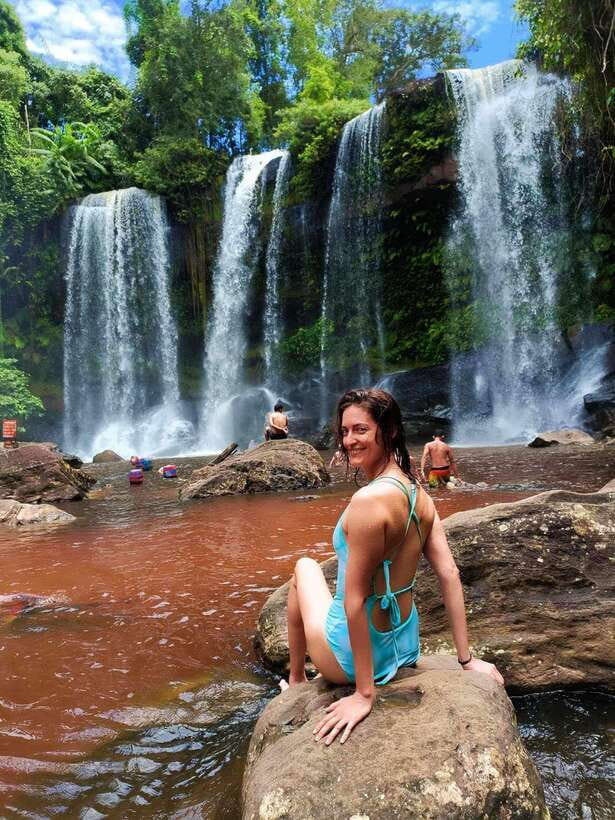
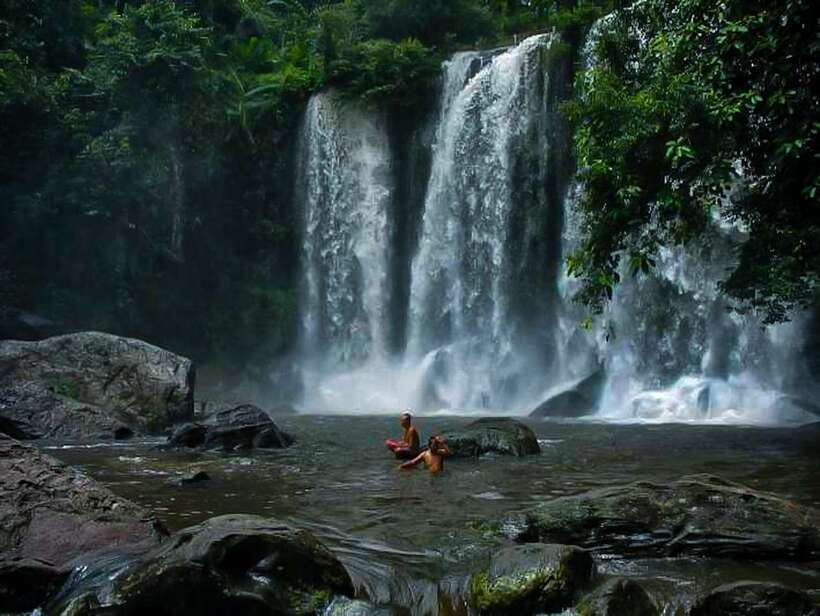
After the historical stops, you head to Kulen Waterfall. This is the moment when the tour shifts from looking and listening to getting into the water. Bring swimwear, a towel if you have one, and dry clothes for the ride home.
The water is the clear highlight for many people, and I can see why. Phnom Kulen can be hot, and a swim gives the day a welcome reset. The falls are beautiful, and the chance to cool off makes the mountain outing feel like more than an archaeology tour.
Be realistic about the schedule. The waterfall stop may be only 30 to 40 minutes, which is enough for a swim and a little time by the water, but not enough for a long, lazy afternoon. If your main goal is to spend hours swimming, you should arrange a private driver instead. This tour is built around several stops, not a full day at the falls.
Public holidays and busy periods can make the waterfall feel more crowded. Your guide may also need to keep everyone on schedule. A private group gives you a better chance of asking for extra time, though the overall 10-hour limit still matters.
Lunch is useful, but budget for it
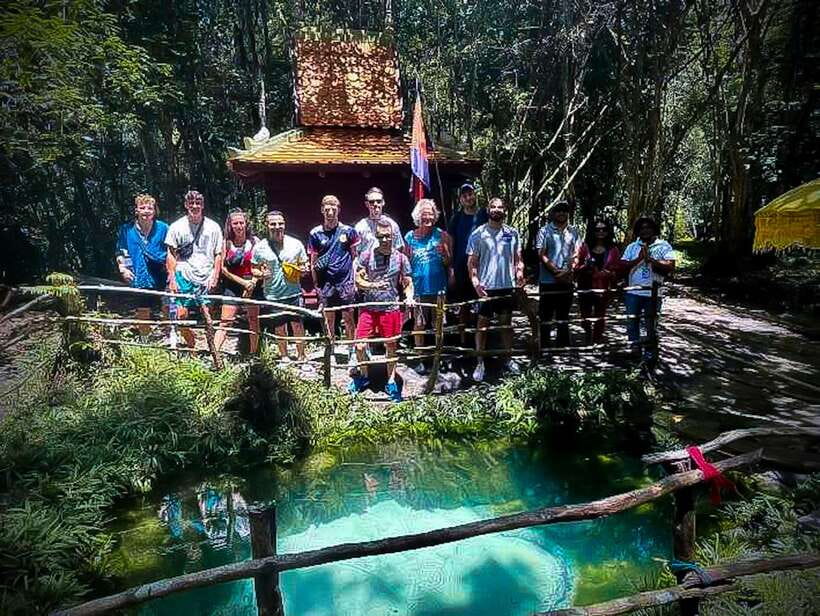
Lunch is not included. The group stops at a restaurant near the route, and you order and pay for your own food. Dishes include Cambodian choices, and vegetarian and vegan meals have been available at the restaurant used by some groups.
The food can be good, including dishes such as amok and sweet-and-sour chicken. Still, I would keep your expectations practical. One restaurant has been described as pricey and tourist-oriented, and some people felt the group was guided into it rather than offered a broad choice.
That does not ruin the day, but it is worth knowing before you book. Carry a little extra cash, and do not assume the $45 covers lunch. If you have specific dietary needs, tell the guide early in the day.
Palm sugar adds a human touch
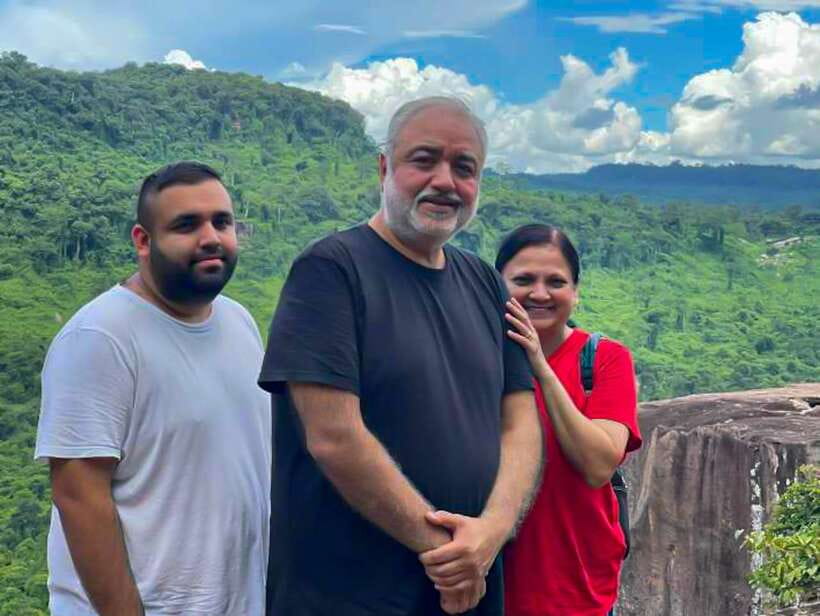
On the return to Siem Reap, you stop at a village connected with palm sugar production. The visit is short, often around 10 minutes, but it gives you a look at a local product and a traditional form of work.
This stop helps balance the ancient sites. Phnom Kulen is not only a place of carved stones and sacred images. People still live and work in the surrounding area, and palm sugar is part of that everyday economy. You may also see handicrafts and have a chance to taste or buy palm sugar products.
Do not expect a long workshop or an extensive village visit. Think of it as a brief cultural stop on the way home. It is especially useful if you have limited time in Cambodia and want more than temple photography.
The optional Landmine Museum deserves thought
The final optional stop is the Cambodia Landmine Museum. Entry is not included and costs $6. You can skip it, but I think it adds serious historical weight to the day.
The museum deals with Cambodia’s landmine legacy and the damage left by decades of conflict. It is a sobering counterpoint to the ancient religious sites and the cheerful waterfall stop. The visit may be especially meaningful if you want to understand how Cambodia’s recent past still affects ordinary life.
Some groups choose to go, while others prefer to return directly to Siem Reap after the palm sugar stop. The choice depends on your energy and interests. After a long day in the heat, the museum can feel like a lot, but it is an important addition for anyone who wants a fuller picture of Cambodia.
Because some parts of Phnom Kulen have not been de-mined, do not wander away from marked routes or attempt to visit without a guide. This is not a place for independent shortcuts.
The guides are a major part of the value
The strongest feature of this experience is its guiding. Names that come up repeatedly include Chout, Makara, Sayon, Sary, Vone, Narith, and Sam Vone. The exact guide varies, but the qualities praised most often are clear English, warmth, patience, historical explanation, and care with photos.
Chout is noted for making the day flexible and fun. Makara is often described as friendly, enthusiastic, and good at explaining Cambodian history. Sayon and Sary are praised for answering questions and keeping groups comfortable. Vone is valued for his experience and steady care, while guides such as Sovann have been especially patient with children.
That matters because the sites are not always self-explanatory. A guide can explain the religious meaning of the river carvings, the mountain’s role in Khmer history, and the connection between old stonework and modern Cambodian life. Good guiding also helps you stay safe in a park where independent wandering is not advised.
The service can feel personal even on a small group trip. Guides have taken photographs, kept people supplied with cold water, adjusted the pace when possible, and helped return belongings left in the vehicle. Those are small details, but they make a long day easier.
What to bring and who should book
Pack for heat, water, walking, and a possible wet return to the vehicle.
- Swimwear and a change of clothes
- Sports shoes with a dependable grip
- Extra spending money for lunch and the optional museum
- A camera or phone, though guides may also help with photos
- Any personal sun protection you normally use
I would choose this tour if you want a broad introduction to Phnom Kulen without arranging several separate services. It suits couples, families with children who can walk comfortably, and first-time visitors who want history explained in plain English.
Families can do well here. One group with five children aged 7 to 13 enjoyed the jungle walk, nuns on the mountain, waterfall, museum, and palm sugar tasting. Still, young children need supervision around water, steps, and uneven ground.
I would look elsewhere if you want a slow nature retreat, a long waterfall session, or a fully flexible lunch stop. The itinerary covers many places, and one earlier visit felt rushed at some stops. Most of the time, the guide aims for a relaxed schedule, but a 10-hour route with several sites cannot linger everywhere.
Is the $45 price fair?
Yes, for most people. The price includes the parts that can quickly add up: hotel pickup and drop-off, an English-speaking guide, transport, park fees, and water. You also get a carefully arranged route through sites that are not ideal for an unguided visit.
The value is strongest if you are traveling alone or as a small party. Hiring a private car, finding a guide, paying park entry, and planning the route yourself may cost more and require more effort. A private group is available if control over timing matters to you.
Allow extra money for lunch and $6 for the Landmine Museum. The restaurant may not be the cheapest meal in Cambodia, but it saves you from having to plan food while moving between mountain sites.
The tour has a 4.8 rating from 132 reviews, and transport receives particularly strong approval. That matches the practical appeal: air conditioning, prompt pickup, cold water, and a driver who knows the mountain roads.
Should you book this Kulen Mountain tour?
I would book it if you want one substantial day that combines Phnom Kulen’s archaeology, religion, forest setting, waterfall, and local life. The guides are the main reason to choose this organized trip, and the $45 fee covers enough essentials to make it a sound deal.
Book with realistic expectations. You will not spend all day at the waterfall, lunch is extra, and some walking can be tiring. Bring sports shoes, swimwear, and a change of clothes, then let the guide handle the route. For a well-rounded day beyond Siem Reap’s main temples, this is a strong choice.
FAQ
How long does the Kulen Waterfall tour last?
The tour lasts 10 hours, including hotel pickup and drop-off from Siem Reap.
What is included in the $45 price?
The price includes a guided tour of Phnom Kulen National Park, park entry fees, hotel pickup and drop-off, and water.
Is lunch included?
No. Food and drinks besides the supplied water are not included. You pay for lunch at the restaurant stop.
Can I swim at Kulen Waterfall?
Yes. Swimming at the waterfall is part of the experience. Bring swimwear and a change of clothes.
What should I wear or bring?
Bring swimwear, a change of clothes, and sports shoes. Sports shoes are useful for the uneven paths and walking near the archaeological sites.
Is the Landmine Museum included?
No. The museum is an optional stop, and entry costs $6.
Is the tour available in English?
Yes. The tour includes a live English-speaking guide.
Can wheelchair users or people over 70 join?
The activity is not suitable for wheelchair users or people over 70. The route includes uneven ground, walking, and a long day in the mountain area.
Just added around Siem Reap
- Ultimate Sunrise to Angkor Wat, Angkor Thom and Bayon Temple★ 5.0 · 3 reviews
- Twilight Tastes of Siem Reap Include Dinner★ 5.0 · 13 reviews
- Trekking Tour at Phnom Kulen National Park from Siem Reap★ 5.0 · 3 reviews
- Full-Day Private Tour of Angkor Wat with Pick Up★ 5.0 · 12 reviews
- Private Day Trip to Angkor Temples with Expert Guide★ 5.0 · 4 reviews
- Waterfall & River of 1000 Siva Linga- Kulen Mountain Private Tour★ 5.0 · 3 reviews
- Professional Photo Shoot in Angkor Archaeological Park, Siem Reap★ 5.0 · 42 reviews
- Siem Reap City Tour with War Museum and Killing Field★ 5.0 · 27 reviews
Phnom Kulen Tours, compared.
Kulen Waterfall Join-in Tour (local Picnic lunch)
Read our review →
Kulen Mountain: Small-Group Tour and Picnic lunch
Read our review →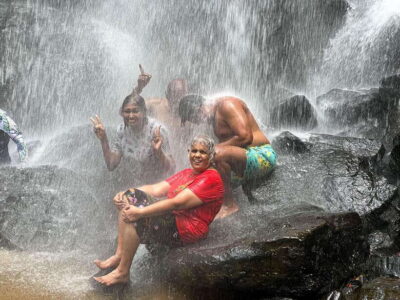
Kulen Mountain, Beng Mealea and Tonle Sap Tour
Read our review →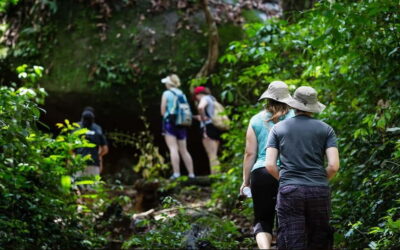
Phnom Kulen Waterfall & the Sacred 1000 Lingas (with Lunch)
Read our review →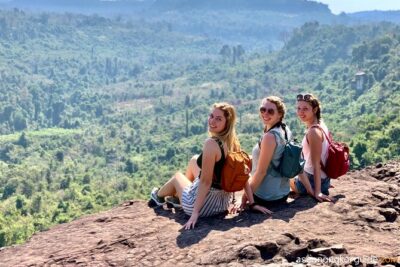
Kulen Mountain with Beng Mealea and Tonle Sap Small Group Tour
Read our review →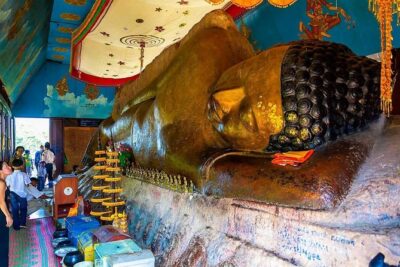
Guided Small-Group Tour in Kulen Mountain Park Waterfall
Read our review →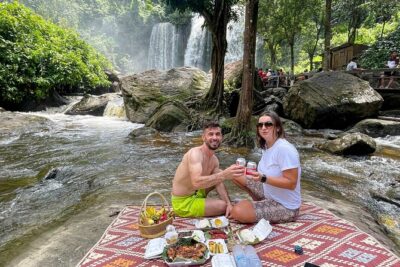
Kulen Mountain Waterfall Tour with Picnic Lunch from Siem Reap
Read our review →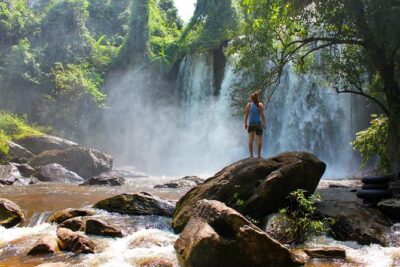
Kulen Waterfall & 1000 Linga River Small-Group Tours
Read our review →Browse the lists this tour appears in