
Reviewed · SIHANOUKVILLE TOURS
Exploring Kampot With SUV Car By English Local Tour Guide
The best part of this day is the way it links everyday Cambodian life. You move from salt fields and pepper vines to stilt houses, a mountain cave, and a seafood market where crab comes straight from the coast. This is not just a drive between photo stops. It gives you a look at how people work, eat, build, and live in South Cambodia.
I like the private SUV setup, especially for a group of up to four. You have room to ask questions and stop your attention on the details that interest you. I also like the local focus: Kampot pepper, seawater salt, and Kep crab are the real subjects here, not filler attractions added to pad out a day.
The main consideration is timing. The full route can take close to eight hours, and lunch at Kep’s crab market is not included. Cave paths also call for moderate physical fitness, so this is not the right pick if you want a short, easy sightseeing loop.
Key Points at a Glance
- Kampot pepper in the field: Visit La Plantation and learn how the famous pepper is grown and harvested.
- Salt made by hand and sun: See Cambodia’s largest salt-making area and hear why it matters to local families.
- An 800-year-old cave site: Phnom Kampong Trach includes pre-Angkorian remains and countryside views.
- Fresh crab at Kep: Watch fishermen bring in seafood and choose a meal cooked to order.
- A private ride for four: The $125 price is per group, not per person, with hotel pickup, bottled water, and an English-speaking driver-guide.
- A day shaped by Kary: Guide and driver Kary is praised for his clear English, cultural knowledge, humor, and care with photographs.
Why This Route Works So Well
Kampot and Kep are close enough to visit in one long day, but they offer very different experiences. Kampot gives you farms, salt production, old buildings, and rural roads. Kep adds the sea, seafood, and a market that has become one of southern Cambodia’s best-known stops.
I like that the route is built around working places. You are not only looking at scenery. You are learning what goes into a jar of pepper, how salt reaches local markets, and why crab is such a big part of Kep’s identity.
The private format also changes the pace. With only your own group in the SUV, you can ask Kary to explain a process again, spend longer at a viewpoint, or move on if a stop is not your thing. The listed price is $125 for up to four people, so a full group pays about $31.25 per person before lunch and any pickup surcharge. That is fair value for a private vehicle, driver, guide, water, and a full day of stops.
Pickup is offered around 8:30 or 9:00 in the morning. The tour information lists an extra $15 for pickup and drop-off more than 5 kilometers from Kampot city, or $20 from Kep. Confirm your pickup point when booking, since the advertised location is Sihanoukville while the route itself centers on Kampot and Kep.
A few more Sihanoukville trips to weigh up
- Sihanoukville Full Day City Tour with Transportation & Guide
★ 4.8 · 19 reviews - Guided Kayak trip around Green Cathedral outside Kampot, Sunset
★ 5.0 · 15 reviews - Angkor Wat Sunrise or Sunset Tour with Guide from Siem Reap
★ 5.0 · 12,109 reviews
Salt Fields: Cambodia’s Working Coast
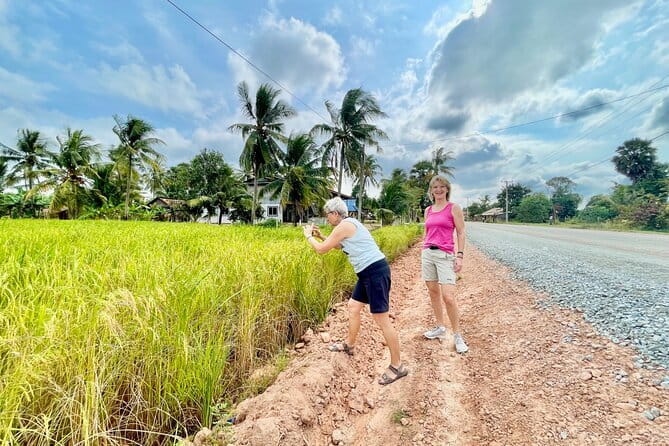
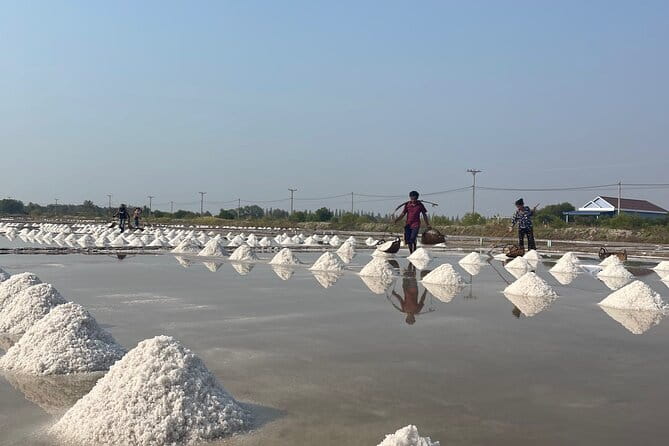
The first stop is Cambodia’s largest salt-making area, with about an hour set aside for the visit. Your guide explains how salt production supports the local community around Kampot and how seawater becomes a basic product used across the country.
This is a useful early stop because it gives the day a practical starting point. You see an industry rather than a display made for tourists. The broad salt pans are also a clear reminder that this part of Cambodia depends on the meeting of coast, weather, and careful manual work.
Do not expect a museum or a long formal presentation. The value comes from standing in the working area while Kary explains what you are seeing. Wear shoes you do not mind using on dusty or uneven ground, since the tour asks for moderate physical fitness and several stops involve outdoor walking.
Admission is included. Bottled water is also provided, which matters in the warm conditions of southern Cambodia.
La Plantation and the Story of Kampot Pepper
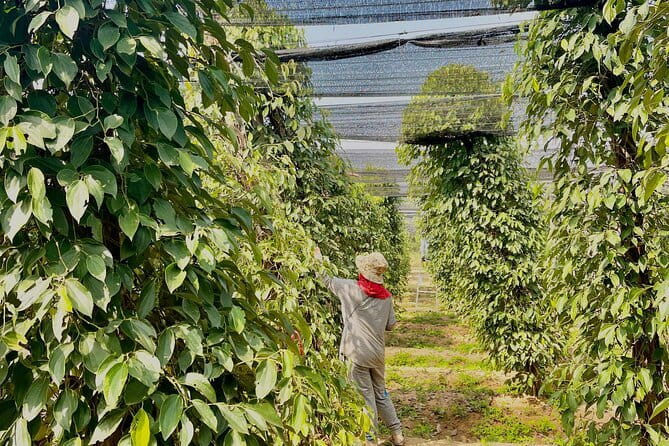
The pepper farm receives about two hours, making it the most substantial stop on the route. La Plantation is where you learn how Kampot pepper grows, how it is harvested, and why it has gained a reputation as one of the world’s finest peppers.
The English or French plantation guide handles the farm explanation, while Kary guides the wider day. That gives you two useful viewpoints. At the plantation, you get the production story. In the SUV and at the surrounding stops, you can ask about Cambodian customs, village life, and the connection between farm products and local income.
Pepper is more interesting when you see it as a crop, not just a spice on a restaurant table. The visit helps you understand the work behind the different stages of the pepper plant and why the Kampot name matters. If you cook, enjoy markets, or like taking home food gifts, this is likely to be one of the day’s most useful stops.
The route can also include a view of the Secret Lake, also called Brateak Krola Lake. You may see it from the terrace of a traditional stilted restaurant building. The lake was originally connected with irrigation, so it fits the wider theme of the day: local places often have a practical purpose as well as scenic appeal.
Two hours is enough time to listen, look around, and take photographs without making the farm visit feel rushed. If you are mainly interested in old buildings or beaches, though, this section may feel long. For most people, it is the stop that gives the day its strongest sense of place.
Phnom Kampong Trach Cave and Rural Cambodia
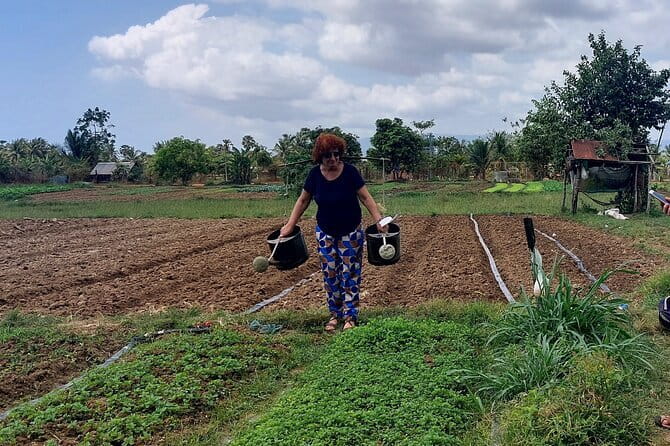
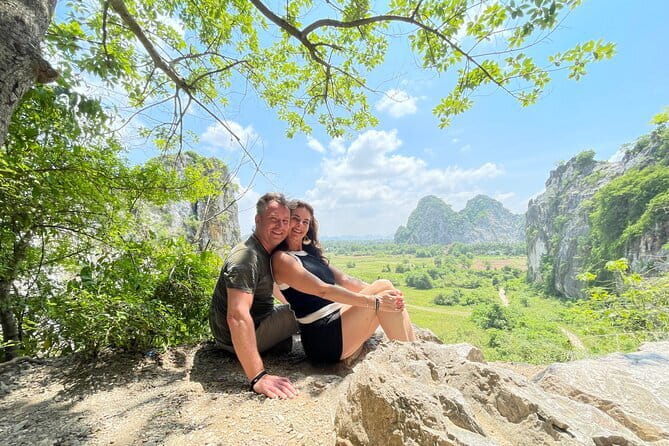
The drive to Phnom Kampong Trach takes you through countryside east of Kampot, about 20 miles from town. The cave area is associated with sites more than 800 years old and includes pre-Angkorian remains.
The two-hour stop is not simply a quick look at a rock opening. Your guide helps place the cave in the setting of rural Cambodia, where religious sites, village roads, farmland, and natural formations often sit close together. The trip here is part of the experience, since it lets you see how quickly the setting changes once you leave the town.
The cave requires walking and a moderate level of fitness. The information provided does not promise a particular route through every chamber, so ask Kary about the conditions on the day if you have mobility concerns. Sensible footwear is a good idea, and you should be ready for an outdoor site rather than a polished attraction.
I like this stop because it breaks up the food and farm visits with a place tied to Cambodia’s older past. It also gives Kary room to explain local culture and history, one of the areas where he has made a strong impression. His English is described as excellent, and he is known for answering questions, pointing out small details, and helping with photographs.
The cave may be less appealing if you dislike uneven ground, enclosed spaces, or heat. Still, the combination of countryside and an old cave site gives the day more depth than a simple pepper farm and seafood outing.
Same country, a completely different kind of day:
- Discovery Tour: Caving, Climbing, Via Ferrata and Abseiling in Kampot
★ 5.0 · 172 reviews - Sihanoukville Highlights Day Tour for Cruise Passengers
★ 4.5 · 171 reviews - Kampot Tour Pepper Plantation, Salt Field, Cave, Secret Lake
★ 5.0 · 128 reviews - La Plantation tour (discovering Kampot Pepper) + Lunch
★ 4.5 · 97 reviews
Kep Crab Market: Choose Your Own Lunch
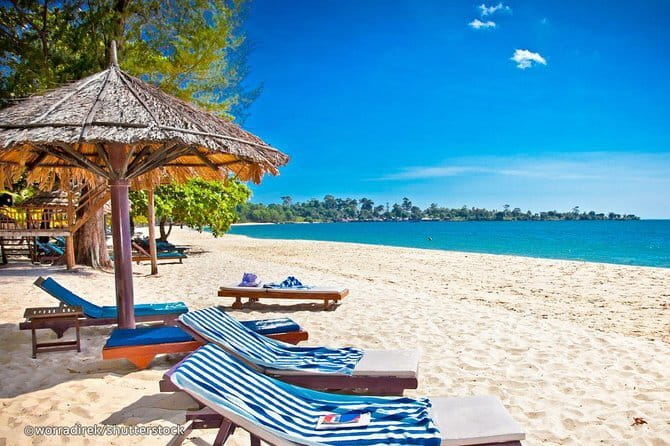
Kep’s crab market is the most hands-on part of the day. Here you can watch fishermen load seafood from the ocean, see fresh seafood being prepared, and choose ingredients for a meal cooked by a local chef.
Lunch is not included, so this is where your spending becomes flexible. You can buy fresh seafood and ask for different dishes, including fried crab with Kampot green pepper. There are also local snacks and restaurants beside the water, so you can choose between a market-style meal and a more settled ocean-view restaurant.
This arrangement suits people who like to decide as they go. You can keep lunch simple, order several dishes for the group, or focus on trying local snacks. Because the menu and final bill are not fixed in the tour price, ask about costs before ordering if you want to stay within a budget.
The two-hour stop gives you time to watch the activity, eat without rushing, and look along the coast. It is also a good place to see the connection between local fishing and the food on your plate. Kep’s crab is not presented as a distant symbol. You can see the seafood arrive and then have it cooked for you.
The tradeoff is that the market can be busy and informal. Do not expect a quiet, carefully staged tasting. You are visiting a working seafood area, and that is precisely why it feels useful and memorable.
Kampot’s Colonial Streets at Day’s End
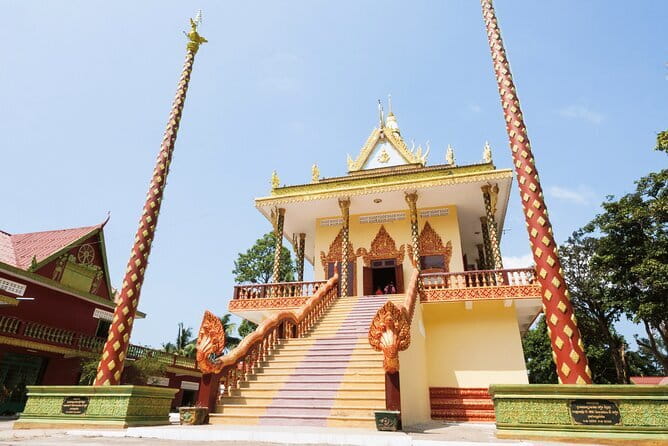
After lunch, the route continues to Kampot, where you see old French-era buildings and the town’s colorful colonial architecture. The scheduled time is brief, only about a minute in the formal outline, so treat this as a short town view rather than a full walking tour.
That short timing is the one weak point in the route for architecture fans. Kampot deserves more than a passing look if old buildings are your main reason for visiting. Still, the stop gives you a quick contrast with the farms, cave, and coast, and Kary can point out features you might otherwise miss from the vehicle.
If you want a longer architectural visit, ask before the day begins if the route can be adjusted. The tour is private, but the supplied details do not guarantee a longer stop or a change to the published schedule. The total day already runs 6 to 8 hours, so extra time may require reducing another stop.
What It Is Like Riding With Kary
Kary is both the English-speaking driver and your personal guide. His role is important because the places on this route are best understood through explanation. Salt pans, pepper plants, stilt houses, animal-raising practices, and cave sites can all look simple at first glance.
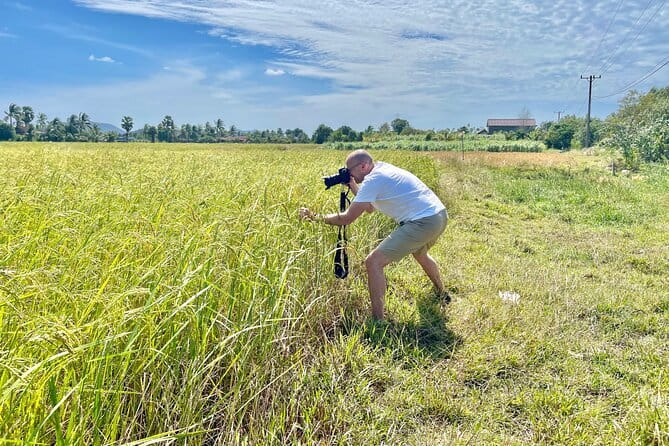
His strengths are clear: excellent English, a strong grasp of Cambodian culture and history, a friendly manner, and a good sense of humor. He also helps with photographs and draws attention to details you might miss. That combination makes the day feel more personal than a standard transport service.
You should still remember that the experience is delivered from an SUV, not a large touring coach. Road comfort and the exact feel of the drive can vary, and the itinerary covers a lot of ground. If you prefer a slow, single-site visit, this route may feel full. If you want a broad look at southern Cambodia in one day, the private car is a strong fit.
Food, Water, and What You Pay
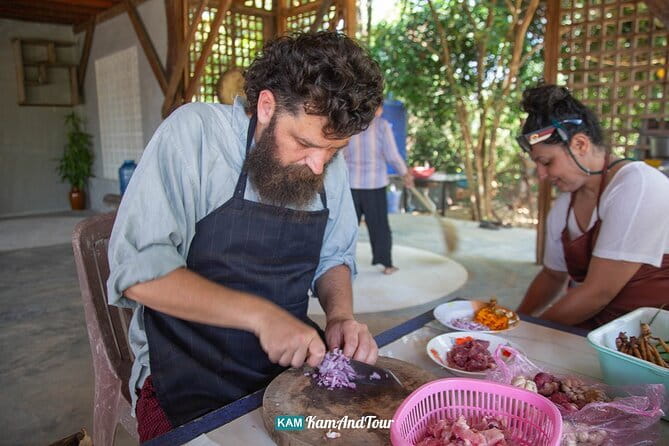
The $125 group price covers up to four people. It includes the vehicle, Kary as driver-guide, bottled water, and small snacks when the group reaches local markets. The snacks may include local cakes if you want to try them.
Lunch and dinner are not included. Lunch is the practical extra because the tour reaches Kep’s seafood market around midday. Set aside money for seafood, cooking, drinks, or a restaurant meal. You can also sample local snacks instead of ordering a large lunch.
The price makes the most sense for two to four people sharing the car. A solo guest pays the full group rate, so the value is weaker unless private guiding is especially important to you. For four people, the cost is much easier to justify, particularly with an 8-hour day and several separate destinations.
Who Should Book This Day
I would choose this experience if you want local industries and food culture, not just a quick list of monuments. It suits couples, families, and small groups who prefer a private vehicle and want to ask plenty of questions.
It is also a good choice for first-time visitors to the Kampot and Kep area. In one day, you get a working salt farm, pepper production, a countryside cave, seafood, and town architecture. Kary’s explanations add useful context, especially if you want to understand more than what appears in front of you.
You may want a different plan if you need a wheelchair-friendly route, dislike walking on uneven ground, or want a relaxed beach day. The tour requires moderate physical fitness, and the cave stop may be uncomfortable for some people. It is also not an all-inclusive food tour, so lunch costs extra.
Free cancellation is available if you cancel at least 24 hours before the start time. Changes or cancellations within 24 hours are not refunded.
Should You Book Exploring Kampot by SUV?
Book it if you want one private day that connects Kampot’s pepper and salt industries with Kep’s seafood and a slice of the region’s older past. The strongest reasons are the flexible SUV, the small group size, and Kary’s ability to explain Cambodian life in clear English.
Think twice if your priority is a long architectural walk, a quiet cave visit, or a fixed-price lunch. The route is full, the cave involves walking, and the seafood meal is paid separately.
For a group of up to four, I consider $125 a sensible price for the coverage and personal guiding. Ask about your pickup surcharge, confirm how much time you want in Kampot town, and arrive ready for a full day outdoors. If that sounds like your kind of sightseeing, this is a practical way to see the south beyond the usual postcard stops.
FAQ
How long does the tour last?
The tour lasts approximately 6 to 8 hours. The schedule includes time at the salt fields, La Plantation, Phnom Kampong Trach Cave, Kep Crab Market, and Kampot.
How much does the private tour cost?
The price is $125 per group for up to four people. Pickup and drop-off may cost an additional $15 for locations more than 5 kilometers from Kampot city, or $20 from Kep.
Is hotel pickup available?
Yes. Hotel pickup is offered at around 8:30 or 9:00 in the morning. Confirm your exact pickup location when booking.
Is lunch included?
No. Lunch is not included. At Kep Crab Market, you can buy fresh seafood and ask a chef to prepare dishes, or eat at one of the nearby seafood restaurants.
What does the tour include?
The tour includes bottled water, small snacks at local markets, an English-speaking driver who serves as your personal guide, and an English or French guide at the pepper plantation.
Is the tour private?
Yes. Only your own group participates, with up to four people in the group.
Can I cancel for a full refund?
Yes, if you cancel at least 24 hours before the experience start time. Cancellations or changes made within 24 hours are not refunded or accepted.
Just added around Sihanoukville
- Cooking Class at La Plantation★ 5.0 · 16 reviews
- Koh Rong Tour: A Snorkeling, Fishing, Sunset, Plankton★ 4.0 · 4 reviews
- KAMPOT- Pepper farm ..salt fields.Kep/Crab market & more……..★ 4.5 · 12 reviews
- Private Kampot Countryside Tour & Pepper farm, Kep/Crab Market★ 5.0 · 21 reviews
- Exploring the Best of Phnom Penh: A Full Day Tour★ 4.5 · 9 reviews
- Kampot Tuktu tour: Pepper farm, Salt field & Secret lake★ 5.0 · 17 reviews
- Sihanoukville Airport Transfers★ 4.0 · 7 reviews
- Sihanoukville to Phnom Penh by Private Car or Minivan★ 5.0 · 25 reviews
Sihanoukville Tours, compared.
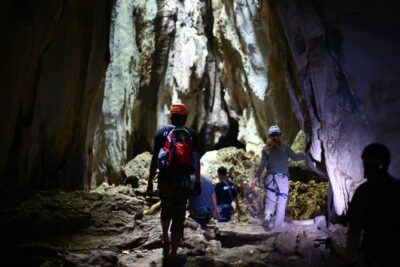
Discovery Tour: Caving, Climbing, Via Ferrata and Abseiling in Kampot
Read our review →
Sihanoukville Highlights Day Tour for Cruise Passengers
Read our review →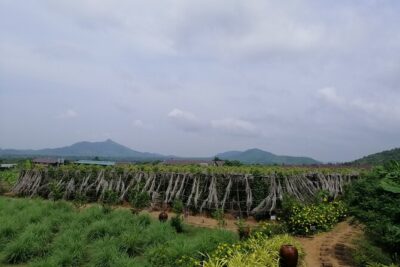
Kampot Tour Pepper Plantation, Salt Field, Cave, Secret Lake
Read our review →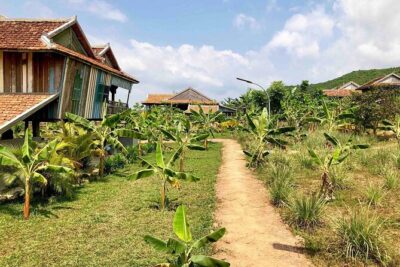
La Plantation tour (discovering Kampot Pepper) + Lunch
Read our review →
KAMPOT TRAVEL-Pepper farm. Cave.Secret lake-Crab market & Salt…
Read our review →
Bokor Mountain Adventure – History, Sights and Waterfalls
Read our review →
Kampot Countryside Tour – Pepper Farm, Salt Lake, Caves, and more
Read our review →Browse the lists this tour appears in