
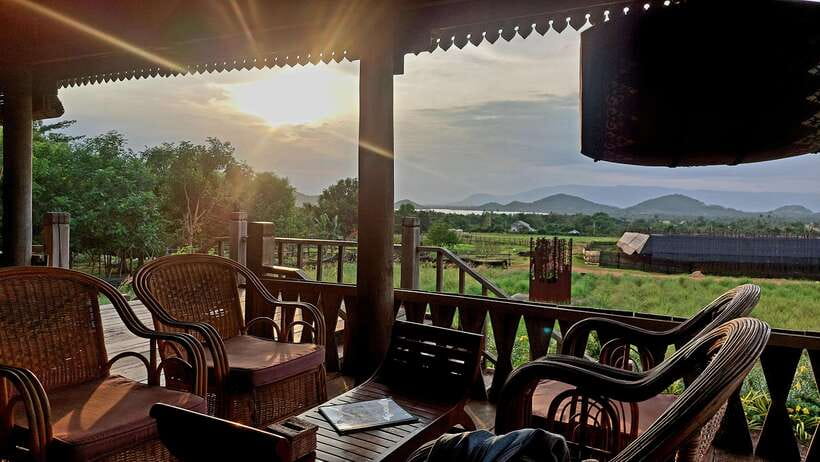
Reviewed · KAMPOT TOURS
Discover Kampot-Kep for a day trip include Bokor mountain
The clever idea here is simple: one long day, three different sides of southern Cambodia. You rise into the cool forests of Bokor Mountain, learn why Kampot pepper commands such respect, watch salt being made, and finish among Kep’s famous crab stalls and rural scenery.
I like the local focus and the guides. Micki and Roy are praised for clear English, humor, cultural knowledge, and the ability to adjust the day when weather or transport causes trouble. I also like the variety: mountain views, old buildings, farming, seafood, religion, and local life all share the same day.
The trade-off is the packed schedule. Ten hours on the road can feel tiring, especially in a tuk-tuk, and lunch planning needs attention. If you want slow meals or long walks at each stop, choose a shorter, more focused tour instead.
Key points to know before you book
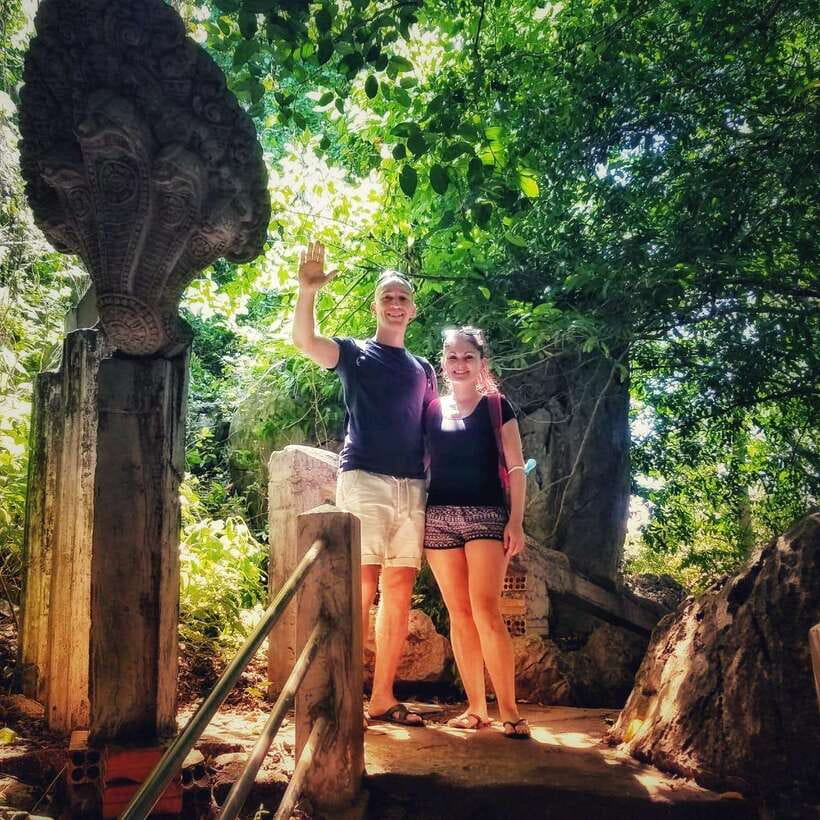
- Bokor Mountain gives you cool air and wide views: The mountain is one of Cambodia’s highest points, and temperatures are often lower than in Kampot.
- Kampot pepper is more than a tasting stop: You learn about black, red, white, and green pepper and how local farms produce it.
- Kep Crab Market is a practical food stop: You can see the famous seafood trade and buy or eat crab, though meals are not included.
- The day covers a lot of ground: Expect roughly 10 hours, with long drives between stops and limited time at some sites.
- Micki and Roy shape the experience: The English-speaking local guides are praised for history, local knowledge, photography, and flexibility.
- Transport can change: The operator may provide a tuk-tuk, SUV, or van, depending on availability.
What this Kampot and Kep day trip is really for
At $55 per person, this is best seen as a regional sampler rather than a relaxed sightseeing day. You are paying for transport, entrance fees, water, soft drinks, snacks, and a local English-speaking driver who also guides you.
That price can make sense if you have only one free day in Kampot. Hiring separate transport, arranging a mountain visit, finding a pepper farm, reaching Kep, and negotiating stops could take time and patience. Here, the route is already joined together.
Still, the value depends on your preferred pace. The route can run slightly beyond 10 hours, and one day cannot give every stop the attention it deserves. You will spend a good part of the day in transit. I would choose it for coverage and convenience, not for rest.
The small-group limit is nine people. That is large enough to keep the price reasonable but small enough for questions and some adjustment. On quieter dates, the group may be smaller. One solo customer had a private-feeling day when other participants were absent, while another tour had only one other person for part of the route.
A few more Kampot trips to weigh up
- Visit 11 Places in One Day including S21 & Killing Field
★ 5.0 · 361 reviews - 1-Day Amazing Angkor Wat Tour with Sunset & All Interesting Major Temples
★ 5.0 · 308 reviews - Angkor Wat one Day Private Tour for All Highlight Angkor Temples
★ 5.0 · 199 reviews
Starting from Kampot and climbing Bokor Mountain
Pickup is available from hotels within 3 kilometers of the Durian Monument in central Kampot. You need to be ready about 10 minutes before departure, since the driver waits no longer than 10 minutes. If you stay outside the usual pickup zone, you can meet at the Kampot Tourist Information Center or request hotel pickup for an extra fee starting at $2.
The first transfer to Bokor takes about 75 minutes by tuk-tuk. This is a useful time to ask questions about Kampot, farming, Cambodian customs, and the day ahead. Micki is especially praised for explaining the area in good English and answering general questions about Cambodia, not just pointing out sights.
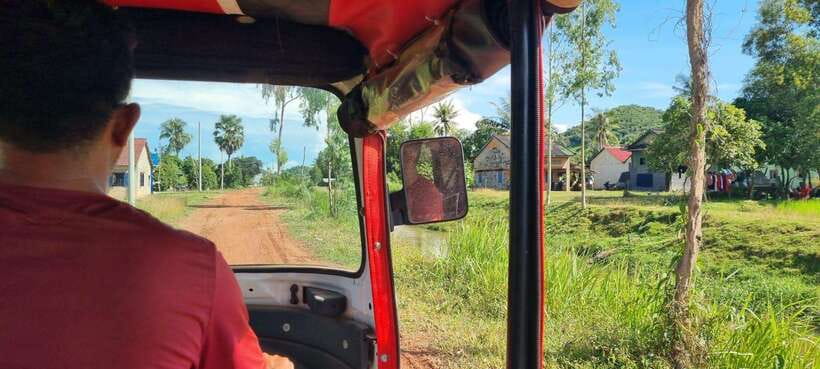
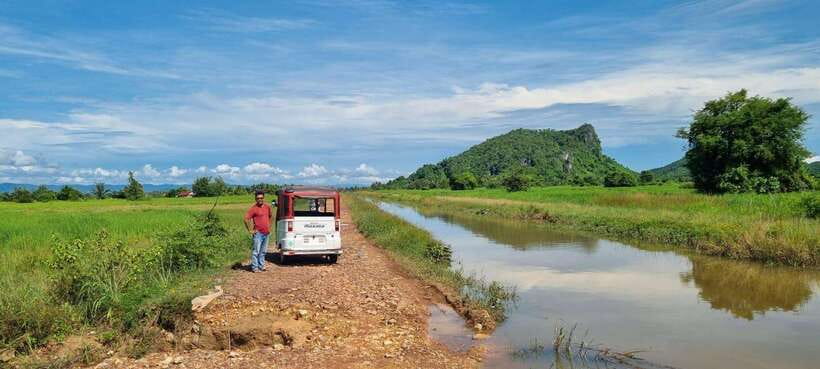
Transport matters here. A tuk-tuk gives you open-air views and a close feel for the roads, but dust, heat, and bumps can become tiring. One route had road construction, and the dusty sections made the tuk-tuk less comfortable. If a van or SUV is available, it may be the better choice for anyone who values a smoother ride.
Bokor Hill Station is the first major stop. You get about 20 minutes for a guided visit, a walk, and scenic views. The mountain is known for its cooler temperatures and forest setting, a sharp change from hot, low-lying Kampot.
Do not expect a fully preserved old hill town. Parts of Bokor are affected by construction, and the visit can feel unusual rather than polished. That is part of its appeal, but it also means the stop works best for people who enjoy odd places, open views, and a mix of old and new development.
Weather can change quickly on the mountain. Clouds may cover the view, then clear again. A flexible guide can make a real difference here, shifting timing when conditions improve.
Bokor’s church, pagoda, and mountain stories
The Bokor Catholic Church gets about 30 minutes. You can walk around the old structure, take photographs, and hear about its place in the area’s past. The church is one of the more atmospheric stops because it feels removed from ordinary town life.
The next transfer takes around 15 minutes, followed by Wat Sampov Pram. This stop also lasts about 30 minutes and includes a photo stop, a guided visit, and a walk. The temple adds a religious and cultural side to the mountain, balancing the abandoned-building feel of the church.
The tour then moves to the area around M323+WV Phumi Pôpôk Vil for another 30-minute visit. The stop includes a break, photographs, and a walk. The route description gives this place a map reference rather than a simple tourist name, so you should think of it as a scenic pause on Bokor rather than a major standalone attraction.
A further 30-minute transfer leads to the Lok Yeay Mao Monument. You have about half an hour for photographs, a walk, and an explanation from the guide. Lok Yeay Mao is an important local figure in Cambodian belief, and the monument gives the day another glimpse into local spiritual life.
These mountain stops are short. I would keep expectations realistic: you get orientation, photos, and local explanation, not long hikes or deep exploration. Bring sunscreen, drink the supplied water, and use the breaks well.
Salt fields and the slower side of Kampot
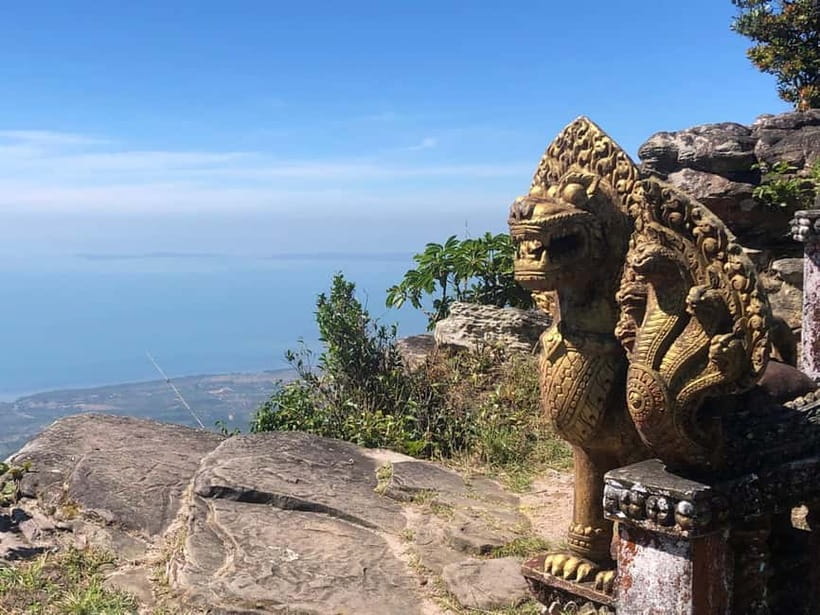
After the mountain, the route returns toward the lowlands. The transfer to the salt fields takes about 90 minutes, so this is one of the longest stretches in the day. It is also where you see how much ground the tour covers.
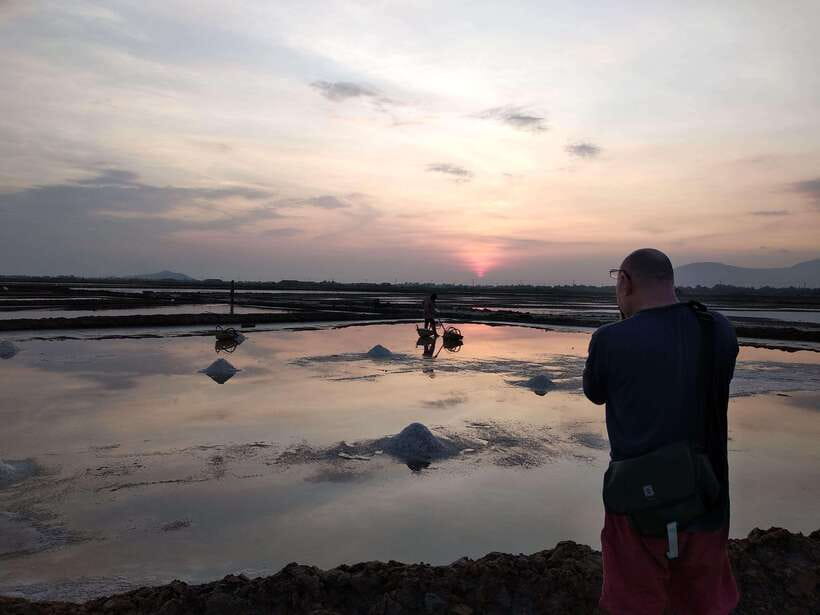
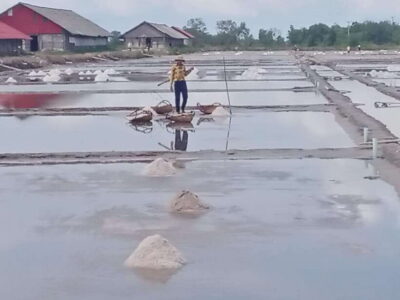
Salt Farm Coffee, marked locally as ស្រែអំបិល កាហ្វេ, provides a 20-minute stop. You can look across the salt fields, take photographs, and learn about local production. The visit is brief, but it helps connect Kampot’s food culture with the land around it.
This is not a major museum visit. Its value is in seeing ordinary work and rural scenery that you could easily miss if you stayed only in the town center. Depending on the season and weather, the fields may look very different. Some people particularly enjoy the changing evening colors around the salt fields.
Same country, a completely different kind of day:
- Kampot: Pepper Farm Tours, Salt, Lake & Phnom Chhngok Temple
★ 4.8 · 432 reviews - Kampot: Full-day Countryside Tour with Pepper Farm and Kep
★ 4.9 · 245 reviews - Kampot: Bokor Mountain Classic or Sunset Tour
★ 4.7 · 147 reviews - Kampot: Tuk Tuk Trip to Pepper Farm, Kep, Crab Market & More
★ 4.9 · 143 reviews
Kep Crab Market and the question of lunch

The drive to Kep Crab Market takes about 30 minutes. You get around one hour for a break, photographs, shopping, and a guided walk. This is the clearest food stop of the day, but meals are not included in the $55 price.
Kep is famous for seafood, especially crab. The market gives you a chance to see how the catch is sold and to try local dishes. If you are not used to ordering seafood in Cambodia, a local guide can be genuinely useful. You may need help choosing, ordering, or understanding how to eat what arrives.
Plan lunch before the day begins. The order of stops can put the market late in the afternoon. One schedule reached Kep around 4:30 p.m., after a long period without a proper meal. That is the main practical weakness of this experience.
Ask your guide at the start when you will eat. You can also carry a small meal if needed, although the activity rules say backpacks are not allowed. Snacks are supplied, but they should not be treated as a full lunch.
The market is worth visiting even if you keep the meal light. It gives you a direct look at Kep’s coastal food culture, and it is one of the stops where local guidance has the most practical value.
Pepper farms and the taste of Kampot
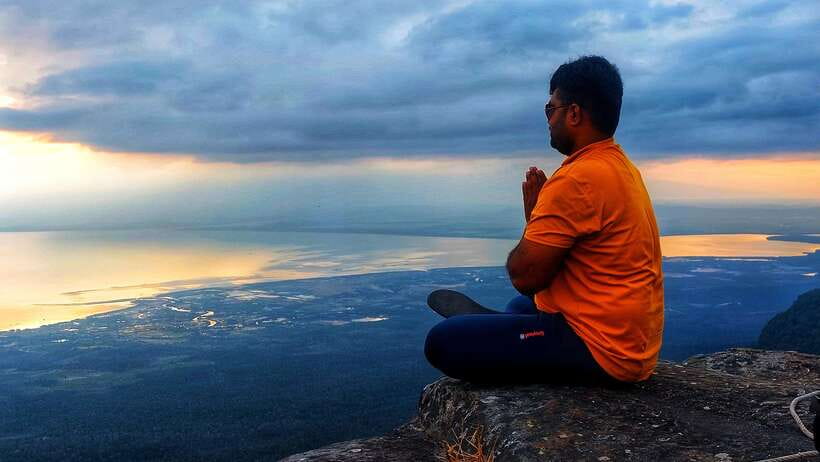
From Kep, the route takes about an hour to La Plantation Restaurant, where you spend about 90 minutes. The stop includes a visit, a guided explanation, photographs, and scenic views along the way.
Kampot pepper is the star here. You can learn about the different types, including black, red, white, and green pepper, then take part in a tasting. The point is not only to sample a strong flavor. You also get a better idea of how pepper is grown, processed, and connected to the identity of the region.
Some departures use a smaller farm instead of a large plantation. Bo Farm was used for one visit, giving a more personal stop with a guided explanation and tasting. Ask your guide which farm is planned, since the exact location can vary.
The long 90-minute visit makes this one of the most substantial stops. If you care about food, agriculture, or buying a useful souvenir, give the pepper farm your attention. Pepper products are easier to understand and choose after a tasting than they are from a shop shelf.
The stop is also a good counterpoint to the crab market. Kep shows you the sea; the pepper farm shows you the soil and careful work behind one of Kampot’s best-known products.
Secret Lake and the final rural views
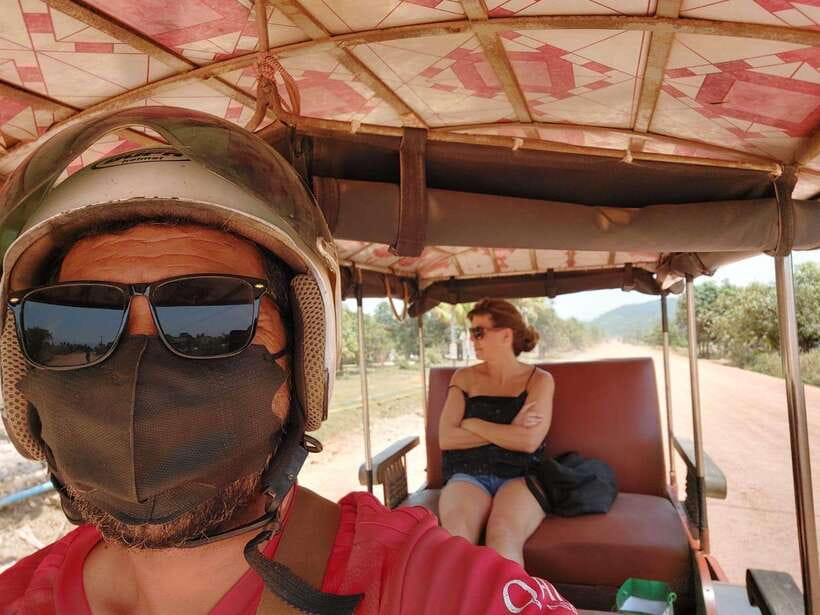
The last major stop is Brateak Krola Lake, often called Secret Lake. The drive from the pepper farm takes about 30 minutes, and the visit lasts around 20 minutes. You can stop for a drink, photographs, a short walk, and views across the countryside.
The lake’s appeal is its quiet setting and the story behind its name. The stop is not built around a long activity. It is a chance to slow down after the market and pepper farm, take in the rural surroundings, and rest before the final 40-minute ride back to Kampot.
This part of the route shows why the tour is more than a list of famous sights. You see farming areas, salt production, roads under construction, local settlements, and places where people spend ordinary days. The guide’s local perspective helps turn those passing views into something easier to understand.
What the guides add to the day
The driver is also your English-speaking guide, so the quality of the day depends heavily on the person assigned. Micki is repeatedly praised for humor, energy, cultural knowledge, photography, and care with solo participants. Roy is also praised for excellent English, clear timing, and useful explanations about the region.
A good guide is particularly important because several stops are short. You may see a church, monument, temple, or farm quickly, but a clear explanation gives the visit purpose. The guide can also adjust the order or length of stops when weather, traffic, or a late arrival creates problems.
That flexibility has limits. You should not assume every guide will handle the schedule in exactly the same way, and the pace can be demanding. One departure ran longer than planned, while another had concerns about tiredness and the late meal. Communication at the start is your best protection: say what matters most to you and ask how lunch will work.
Comfort, age limits, and what to bring
The tour is not suitable for wheelchair users, children under 18, or people over 70. Baby strollers, baby carriages, electric wheelchairs, pets, alcohol, and drugs are not allowed. The activity information also says backpacks are not allowed, so confirm how you should carry personal items before departure.
Sunscreen is the one listed essential. I would also wear light clothing, bring a hat if you use one, and keep water close. The operator supplies drinking water, soft drinks, and snacks, but lunch is your responsibility.
The route includes walking at temples, the church, viewpoints, the market, and the pepper farm. It does not appear to involve long treks, but the heat, road time, and repeated stops can wear you down. A tuk-tuk is part of the experience for some departures, yet it is less comfortable on dusty or rough roads than a van.
Who should book this full-day route?
I would book this tour if you have only one day in Kampot and want to understand the region quickly. It is also a good fit for solo visitors who want a local guide, people interested in food production, and anyone who wants Bokor, Kep, pepper, salt, and rural scenery without arranging separate rides.
I would skip it if your priority is a long seafood lunch, quiet temple time, serious hiking, or a relaxed day with few transfers. In that case, a shorter Kep and pepper-farm outing may suit you better.
At $55, the package is fair because it includes transport, entrance fees, drinks, snacks, and guiding. The strongest value comes from the local explanations and the number of places reached. The weakest point is the physical pace, especially if you are hungry, sensitive to dust, or assigned a tuk-tuk for every road section.
Book it with clear expectations and ask about transport and lunch before setting off. If you do, this is a useful, well-filled introduction to Kampot Province, with enough local detail to make the long day worthwhile.
FAQ
How long does the Kampot and Kep tour last?
The advertised duration is 10 hours, starting and ending in Krong Kampot. Some departures may run slightly longer because of road conditions, weather, or the timing of stops.
What transport is used?
Transport may be by tuk-tuk, SUV, or van, depending on vehicle availability. Tuk-tuks offer open-air views but can be dusty and bumpy on some roads.
Is lunch included?
No. Meals are not included. The tour provides drinking water, soft drinks, and snacks, so you should discuss lunch timing with the guide before departure.
Does the tour include a pepper tasting?
Yes. The pepper-farm visit includes an explanation of Kampot pepper and a tasting of different types, including black, red, white, and green pepper.
Where is hotel pickup available?
Pickup and drop-off are included for hotels within 3 kilometers of the Durian Monument. You can also meet at the Kampot Tourist Information Center, or request pickup outside the area for an additional fee starting at $2.
Who cannot join this activity?
The tour is not suitable for wheelchair users, children under 18, or people over 70. Pets, baby strollers, baby carriages, electric wheelchairs, alcohol, drugs, and backpacks are also not allowed.
Just added around Kampot
- Trip with Local tuk tuk to Country side & Pepper farm…★ 5.0 · 13 reviews
- Khmer Food Culture Cooking Class in Kampot★ 5.0 · 7 reviews
- Kayaking tour around green cathedral★ 4.8 · 38 reviews
- Kep: Discover kampot pepper farm/lake & Salt fields…more★ 5.0 · 5 reviews
- Kampot-Phnom Penh include Pepper farm Tour, Salt field, Lake★ 4.8 · 5 reviews
- Kampot: Sunset Walking Tour★ 4.1 · 9 reviews
- Kep town: Local tuk tuk to Countryside & Pepper farm★ 4.6 · 8 reviews
- Kampot Pepper Farm Tour: Salt Fields, La Plantation & Cave★ 4.8 · 18 reviews
Kampot Tours, compared.
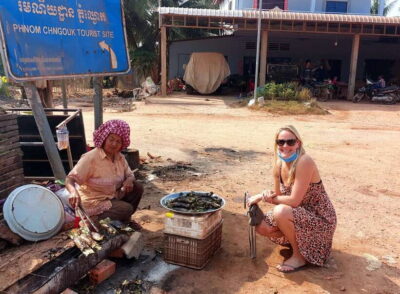
Pepper Farm Tours, Salt, Lake & Phnom Chhngok Temple
Read our review →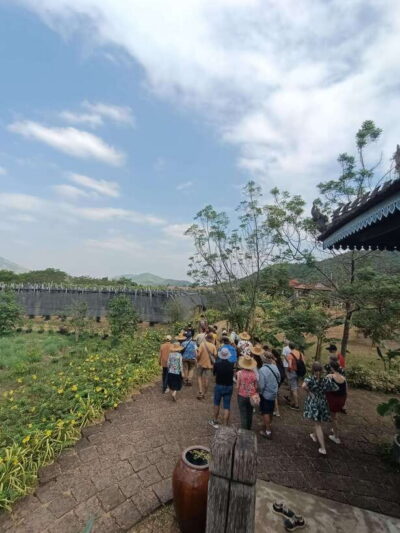
Full-day Countryside Tour with Pepper Farm and Kep
Read our review →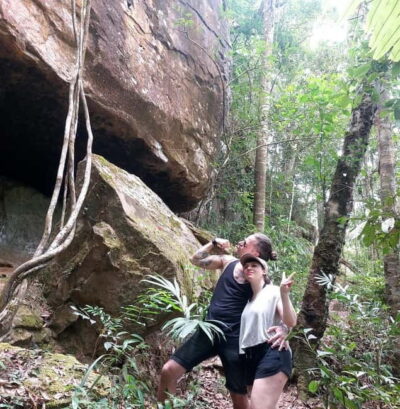
Tuk Tuk Trip to Pepper Farm, Kep, Crab Market & More
Read our review →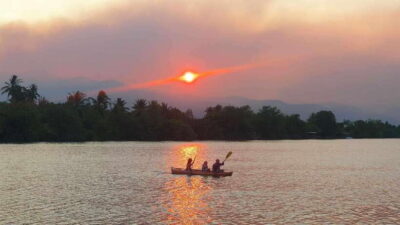
Green Cathedral Kayaking Journey & Reflection River View
Read our review →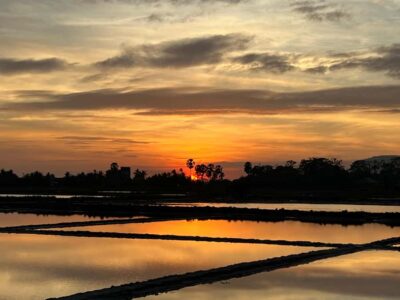
Kampot Countryside include Pepper farm, Salt field & Lake
Read our review →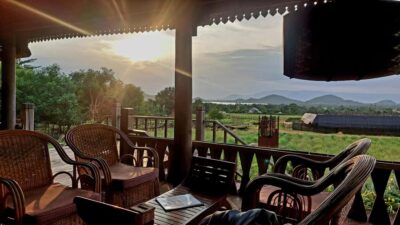
Kampot’s Countryside & Kayak Tour, Pepper Farm include Lunch
Read our review →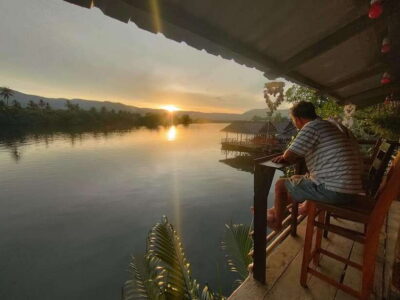
Browse the lists this tour appears in