
Reviewed · PHNOM PENH TOURS
Discover the Tastes Temples and Tales of Authentic Cambodia
Cambodia reveals itself through food on this eight-day journey from Phnom Penh to Siem Reap. You’ll eat noodle soup at a local market, meet family-run food makers, cook fish amok, visit a riverside fishing region, and share lunch with a family living near the jungle ruins. The temples matter, but they are only part of the story.
I like the small group limit of 10 and the private van, which make a multi-city route far easier than arranging each transfer yourself. I also like the balance between pleasure and hard truth: Tuol Sleng Genocide Museum is given proper time, so Cambodia’s modern culture is not treated as a postcard without context.
The main consideration is pace. Several days run long, and the trip expects moderate fitness, early starts, walking, cycling, and a cave hike. The $1,700 price is strong value if you want meals, guides, transport, and entrance fees bundled together, but this is not a slow hotel holiday.
Key points to know before booking
- Four Phnom Penh food stops by tuk-tuk: Start with local dishes, cold beer, and introductions to the people who make the food.
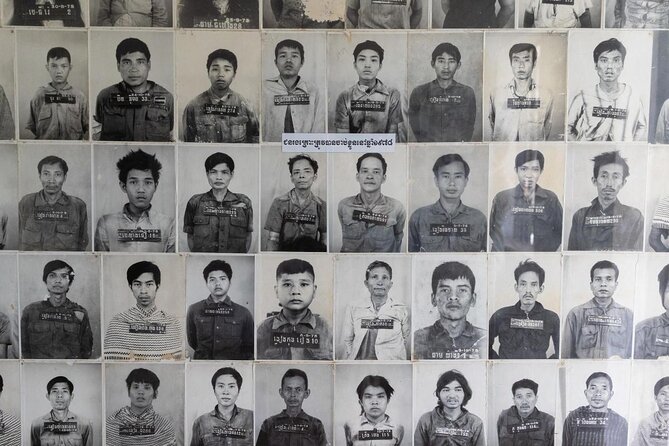
- A serious look at Cambodia’s past: Spend about two hours at Tuol Sleng Genocide Museum, the former S21 prison.
- Countryside access without transport hassles: Use the private VIP van between cities, with bottled mineral water and a dedicated driver.
- Battambang beyond the usual sights: Cycle or ride a tuk-tuk through villages, watch the evening bat flight, and take a market-based cooking class.
- Angkor with time for major and lesser-known temples: See Bayon, Ta Prohm, and Angkor Wat, including a sunrise visit.
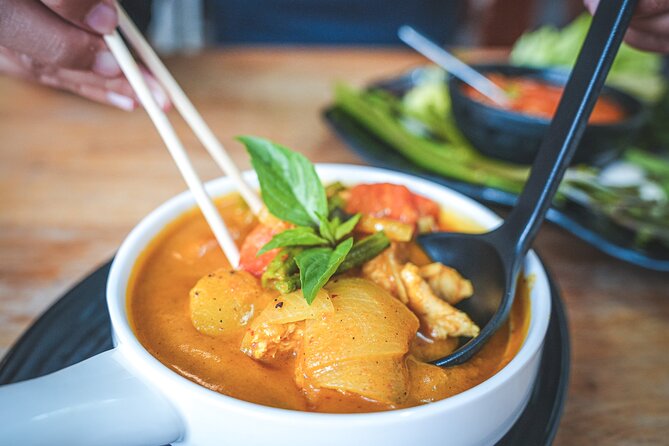
- Meals are central, not an afterthought: Seven breakfasts, six lunches, and seven dinners are included, with food at local homes, markets, restaurants, and outdoor dining spots.
A food-first start in Phnom Penh
Your trip begins with airport pickup at Phnom Penh International Airport, listed locally as Pochentong Airport. The schedule shows a midnight start time, so confirm your exact arrival and pickup details before you fly. Once introductions are complete, you’ll head out by tuk-tuk for roughly four hours of eating.
This opening food tour is a smart way to get your bearings. Rather than spending the first day inside a hotel or on a generic city drive, you move through four safe-to-eat restaurants with your guide. The focus is on meeting the makers of local dishes and understanding how ingredients fit into Cambodian life.
The cold beer is a small but useful detail. It keeps the evening relaxed while you adjust to the heat and the new flavors. Since the exact dishes can vary, arrive ready to try rather than expecting a fixed restaurant menu.
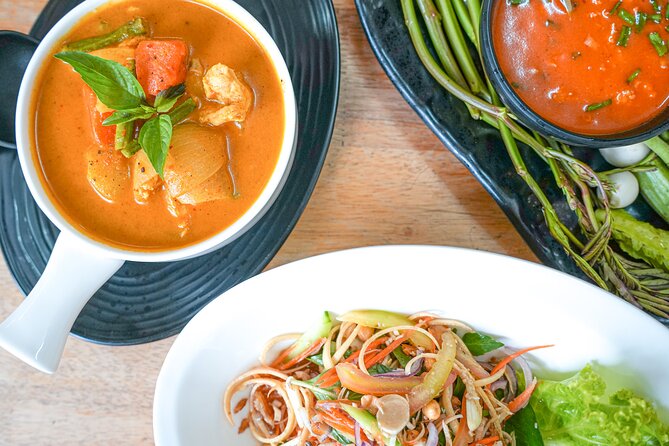
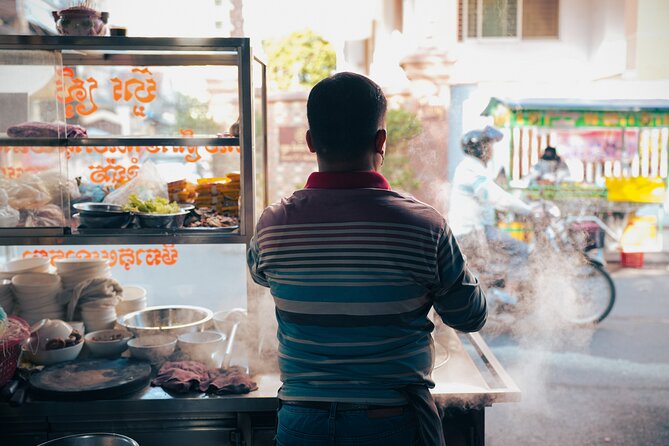
The next morning begins gently, then turns toward Toul Tompong Market, often called the Russian Market. Here you’ll try a local breakfast of noodle soup, Khmer coffee, and savory turmeric crepes. The market visit adds useful context, since you can see the raw ingredients and daily shopping that sit behind the meals served later in the trip.
I like this progression from prepared food to market food. You are not just being told that Cambodian cooking uses fresh produce, herbs, fish, and coconut. You get to see the setting where those ingredients are bought and then taste several of them in familiar breakfast dishes.
Other Phnom Penh days people book alongside this one:
- The Killing Field and Toul Sleng Genocide Museum (S21) Tour
★ 5.0 · 1,977 reviews - Phnom Penh: Sunset Cruise with Unlimited Beers & BBQ Buffet
★ 4.5 · 727 reviews - Aroma Therapy Massage, Relaxation therapeutic aromatherapy oil massages.
★ 5.0 · 645 reviews
Tuol Sleng and the river after dark
The visit to Tuol Sleng Genocide Museum is one of the most important parts of the route. The museum occupies a former secondary school that became S21 under the Khmer Rouge. You’ll spend about two hours here, enough time to understand the site without rushing through it as a quick photo stop.
This is difficult material. That is precisely why it belongs in a Cambodia trip that aims to explain the country rather than simply entertain you. The visit helps you understand the loss behind Cambodia’s later rebuilding, including the importance of artists, teachers, families, and local business owners in the country today.
Afterward, the mood shifts to the Sisowath Riverside area. Phnom Penh sits beside the Tonlé Sap, Mekong, and Bassac rivers, and freshwater fish have long been important to Khmer cooking. A private boat ride with happy hour gives you a chance to see the city from the water and take a breath after the museum.
Dinner follows with a large spread of local dishes in a relaxed Cambodian setting. The day is full, but the changes in tone are well judged: food and market life, a serious historical site, open water, then a shared meal.
The long road to Battambang
Day three is a major transfer, lasting about 12 hours with stops through the countryside. You’ll see rice paddies, water buffalo, and rural communities between Phnom Penh and Battambang. The private inter-city van is a real advantage here. You avoid the work of finding separate buses, handling luggage, and negotiating each leg of the journey.
Still, do not underestimate the day. A long road transfer can be tiring, especially after two active days in the capital. The payoff is a clear change in setting. Phnom Penh is dense and urban; Battambang offers a slower, more rural side of Cambodia.
The van is stocked with mineral water, and the group size is capped at 10. Those details matter on a long drive. You can ask questions, stop as planned, and remain with the same guide and driver instead of piecing together transport on your own.
Battambang by bicycle, tuk-tuk, and bat flight
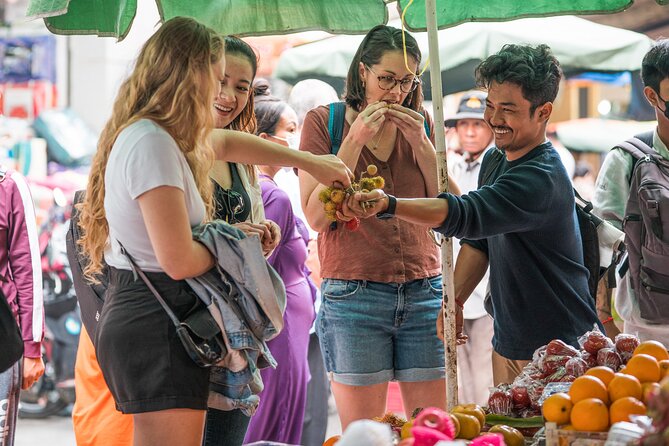
Battambang is Cambodia’s second-largest city, but the experience here centers on its nearby villages and farms rather than city landmarks. On day four, you’ll explore rural roads by bicycle, with a tuk-tuk option if you do not cycle.
That choice makes the outing accessible to more people, but you should still expect heat, uneven roads, and a moderate level of activity. The tour information asks for moderate physical fitness, and that is fair. If you prefer the tuk-tuk, you can still see the countryside without turning the day into an endurance test.
After a short rest at the hotel, the group heads out again by tuk-tuk to the Battambang bat caves. A short hike leads to the mouth of a hillside cave, where millions of bats emerge at dusk. It is an unusual natural spectacle and a good counterpoint to the food and city history earlier in the trip.
The cave visit does require walking uphill on a hidden path. Wear practical shoes and keep your hands free. The schedule allows about three hours, including the ride and hike, so you are not being rushed through the evening.
Dinner is served beside the Sangkae River. Expect fresh-to-order papaya salad, local dishes, and a cold beer in a casual riverside setting. This is the kind of meal that makes the route feel connected to place: you are eating near the water system that helps support local food traditions.
Same country, a completely different kind of day:
- Killing field and Toul Sleng genocide museum Tour
★ 5.0 · 610 reviews - Phnom Penh Full Day Private Tour Included All Admission Tickets
★ 5.0 · 585 reviews - Phnom Penh: Sunset Cruise with Unlimited Beer &Fruit platter
★ 4.7 · 515 reviews - Phnom Penh Silk Island Bike Tour/ E-Bike or Tuk Tuk
★ 5.0 · 495 reviews
Art, a market lunch, and the Cambodian Circus
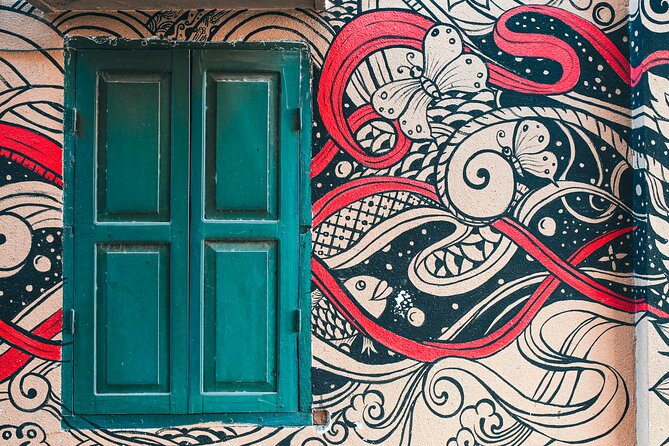
Battambang has long been associated with artists, many of whom were targeted during the Khmer Rouge period. A morning with a local artist introduces the city’s current street-art scene and shows how creative life is being rebuilt.
This stop gives the city more depth than a quick countryside visit. You see that Battambang is not only a base for rural excursions. It is also a place where art carries memory and helps shape the city’s present identity.
The cooking class begins at Battambang’s largest local market. You’ll shop for the meal and prepare four Cambodian dishes, including fish amok and a coconut milk dessert. Because the ingredients come from the market, the class connects directly with the breakfast and market visits in Phnom Penh.
Fish amok is one of Cambodia’s best-known dishes, and preparing it yourself gives you more than a tasting. You can pay attention to the balance of fish, spice, coconut milk, and seasoning, then understand why the dish is so closely tied to Khmer food culture.
Later, the route continues to Siem Reap, also known as Temple Town. The journey takes about three hours and includes a visit to Phare, The Cambodian Circus. This is not presented as a standard circus night. Its place in the program reflects Battambang’s artistic identity and gives you a performance-based look at Cambodian creativity before the temples take center stage.
Bayon, Ta Prohm, and lunch near the ruins
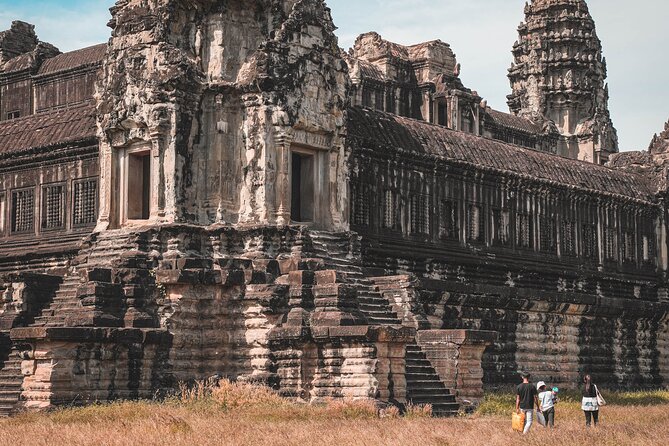
Angkor is vast. The temple complex includes more than 72 major temples and hundreds of smaller ruins across roughly 400 square kilometers. That scale can overwhelm you if you try to cover everything, so this trip makes a sensible selection.
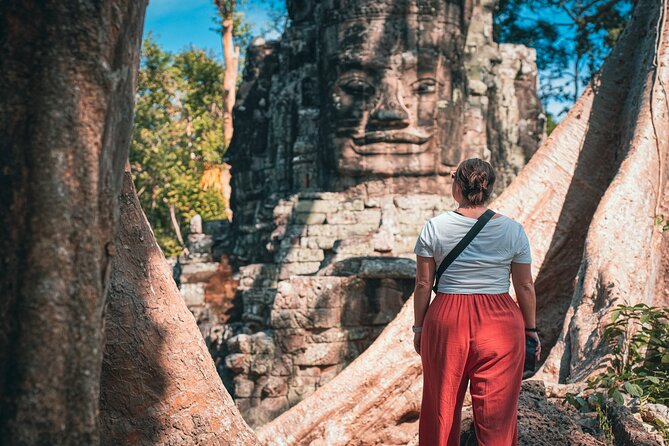
Bayon is one of the major stops, with about an hour set aside. Ta Prohm gets about two hours and offers a different mood, with trees growing through and around the temple remains. The latter is familiar from film, but its appeal is not limited to movie associations. The forest paths and stone ruins create a quieter, more exploratory visit than a single iconic monument can provide.
You’ll also travel along dirt roads toward lesser-known temple areas rather than staying only on the busiest route. Exact crowd levels can vary, but the route gives you a better chance to see Angkor as a broad historic zone instead of a single building.
Lunch is served at a traditional home belonging to a local family living within the jungle area near the ruins. You’ll share homemade food, drink a fresh coconut, and learn about daily life before returning to Siem Reap. This is one of the most distinctive experiences in the program because it places ordinary family life beside one of the world’s major archaeological sites.
The schedule labels this part as a 12-hour day. Bring water, sun protection, and patience. You will be moving between several sites, and the value comes from the variety rather than from lingering at one temple for an entire day.
Sunrise at Angkor Wat
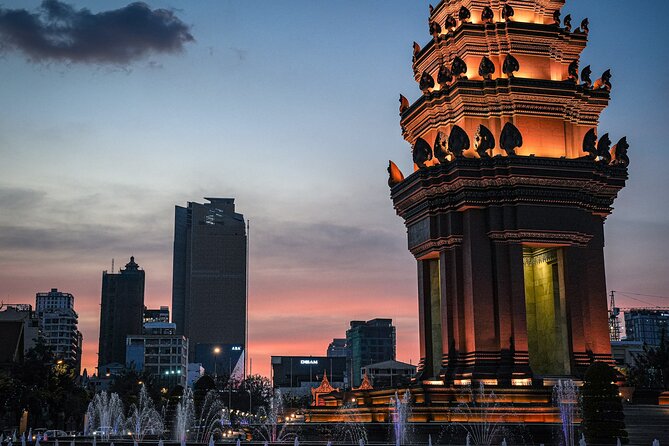
The next morning begins early for Angkor Wat. The temple’s three central pagodas are impressive at any hour, but sunrise adds a gradual change in light and shape as the monument meets the horizon.
The visit lasts about four hours, which gives you more than a quick morning photograph. Even so, sunrise means an early start, and you should expect the possibility of waiting before the light is at its best. The schedule is worth it if seeing Angkor Wat at dawn is high on your list.
The program ends with happy hour at an outdoor bar, followed by a multi-course farewell dinner. After a week of markets, rivers, villages, performances, temples, and family meals, a final shared dinner is a fitting close.
What the $1,700 price covers
At $1,700 per person, this is not a budget backpacking trip. It is also more than a sightseeing package. The price includes airport pickup in Phnom Penh, airport drop-off in Siem Reap, a private inter-city VIP van and driver, an English-speaking Lost Plate trip leader, local English-speaking guides or specialists, attraction tickets, and the listed meals.
You receive seven breakfasts, six lunches, and seven dinners. That is a substantial food allowance, especially since meals are built into the daily experiences rather than limited to hotel breakfasts. You also avoid the common extra cost of arranging restaurant visits, local transport, and entrance tickets as you go.
The trip is explicitly no-shop. You will not be taken to places where you are required to buy something. That is valuable if you want your time directed toward food, history, art, and local life rather than sales stops.
A $35 government fee is not included, so the practical total is $1,735 per person before any personal spending. The strongest value comes if you would otherwise book private transfers, several guides, meals, and temple access separately. If you already prefer to plan your own restaurants and transport, the package will feel less economical.
The group can include up to 10 people. That is small enough for easier conversations and faster movement, while still giving the trip a social feel. Past positive feedback has specifically highlighted guides named Khim, Senghong, and Sivhong, so you can ask which guide team is assigned to your departure.
Who will enjoy this Cambodia route most
You should consider this trip if food is one of your main reasons for visiting Cambodia. The meals are not filler between monuments. They are a central way to understand markets, rivers, farming areas, family life, and local business.
It also suits you if you want structure. The private van, included meals, local specialists, and airport transfers remove much of the daily planning. You can focus on the experience instead of working out how to get from Phnom Penh to Battambang or Siem Reap.
You should be comfortable with long days and changing moods. The program includes a genocide museum, a 12-hour countryside transfer, cycling or tuk-tuk travel, a cave hike, early temple visits, and extensive time outdoors. It is not designed for someone who wants a late breakfast and one major sight per day.
Couples and curious eaters may find the small group especially appealing. The trip also works well for people who want local contact without giving up comfort, since accommodation, a private vehicle, and bottled water are included.
The non-refundable policy deserves attention. You cannot change or cancel for a refund, except that if the minimum group size is not met and the operator cancels, you will be offered another date or experience, or a full refund. Buy only when your dates are firm.
Final call: is this the right way to see Cambodia?
I would choose this trip if you want Cambodia explained through its food, people, painful past, countryside, art, and temples. The route has a clear strength: it does not treat Angkor Wat as the whole country.
The best parts are the market meals, the cooking class, the family lunch near the ruins, the bat flight, and the careful pairing of Tuol Sleng with the modern life you see afterward. The main tradeoff is pace. You pay for a lot of coverage, and you must be ready for long days.
Book it if you value careful planning and local food more than free time. Skip it if you want to set your own schedule, spend several days only at Angkor, or avoid early starts and active outings. For the right kind of visitor, $1,700 plus the $35 government fee buys a well-supported, food-centered introduction to Cambodia with very little shopping pressure and few transport headaches.
FAQ
How long does the Cambodia experience last?
The experience lasts approximately eight days. The main touring program runs for seven days, followed by departure and airport drop-off in Siem Reap on day eight.
Where does the trip begin?
The trip begins with pickup at Pochentong Airport in Phnom Penh, Cambodia. The listed start time is 12:00 am, so confirm the exact pickup details for your arrival.
Where does the trip end?
The trip ends in Siem Reap, with airport drop-off at Siem Reap Airport, also known as REP. Drop-off is included at any time on the departure day.
How large is the group?
The maximum group size is 10 people.
What meals are included?
The price includes seven breakfasts, six lunches, and seven dinners.
Is transportation included?
Yes. The experience includes airport pickup in Phnom Penh, airport drop-off in Siem Reap, and a private inter-city VIP van with a driver. Mineral water is stocked in the van.
What physical fitness level is required?
A moderate physical fitness level is recommended. The route includes walking, optional cycling, a short hike to the Battambang bat caves, long sightseeing days, and an early visit to Angkor Wat.
Is the $1,700 price the final cost?
No. A $35 government fee per person is not included. The listed tour price is $1,700 per person before that fee and any personal spending.
Can the booking be canceled or changed?
No. The experience is non-refundable and cannot be changed for any reason. If the operator cancels because the minimum number of people is not reached, you will be offered a different date or experience, or a full refund.
Just added around Phnom Penh
- The killing field and Toul Sleng Genocide museum (S21) Tour★ 4.5 · 19 reviews
- Watch Khmer Kickboxing with Free Beers by Ringside Seats★ 5.0 · 11 reviews
- Udong Old Capital Tour★ 4.5 · 3 reviews
- Watch Live Khmer Traditional boxing in Phnom Penh★ 5.0 · 46 reviews
- Warm Stone Massage★ 5.0 · 23 reviews
- Udong Historical Site Tour★ 5.0 · 8 reviews
- Killing Fields & Toul Sleng Genocide Museum Tickets With Tuk Tuk★ 5.0 · 6 reviews
- S-21 Prison and Killing Fields★ 5.0 · 8 reviews
Phnom Penh Tours, compared.
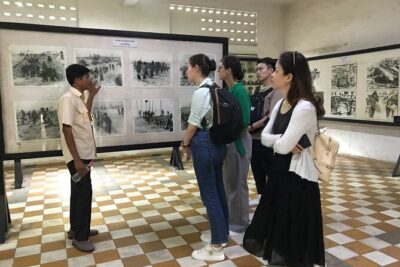
The Killing Field and Toul Sleng Genocide Museum (S21) Tour
Read our review →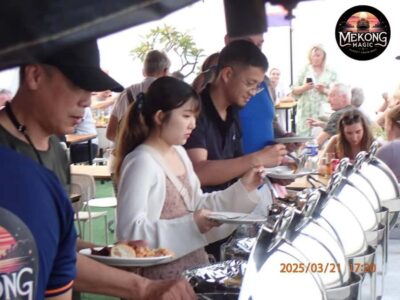
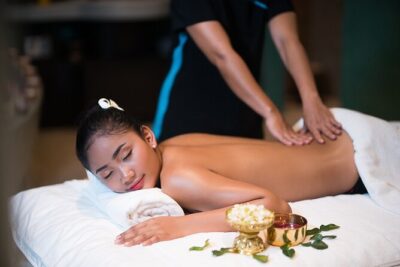
Aroma Therapy Massage, Relaxation therapeutic aromatherapy oil massages.
Read our review →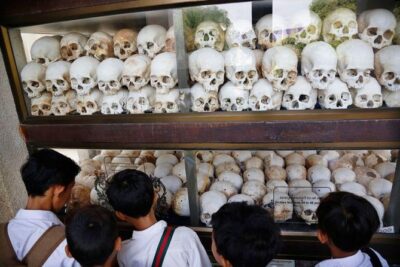
Killing field and Toul Sleng genocide museum Tour
Read our review →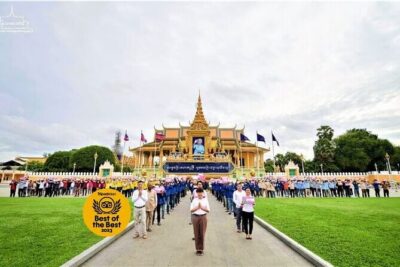
Phnom Penh Full Day Private Tour Included All Admission Tickets
Read our review →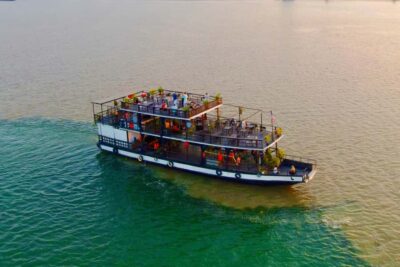
Sunset Cruise with Unlimited Beer &Fruit platter
Read our review →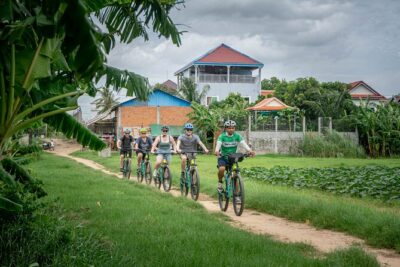
Phnom Penh Silk Island Bike Tour/ E-Bike or Tuk Tuk
Read our review →
Browse the lists this tour appears in